1891~1935 item / All 2949 items
Displayed results
Filter by category

Added to bookmarks
Bookmarks listBookmark has been removed
Bookmarks listYou can't add any more bookmarks
By registering as a member, you can increase the number of bookmarks you can save and organize them with labels.
Free membership registration
Contact this company
Inquiry FormBefore making an inquiry
Download Profile1891~1935 item / All 2949 items
Filter by category

In the real estate industry, there is a demand for the efficiency of property management and the accompanying improvement of operations. Especially for smoothly advancing a wide range of tasks such as property maintenance, tenant support, and financial management, accurate judgment and the ability to mobilize the organization are essential. In an era where AI provides "answers," the ability to pose questions and drive organizational change is being emphasized. This seminar will provide practical learning and a pathway to concrete reform proposals in response to these challenges. 【Utilization Scenarios】 - Streamlining property management operations - Improving the quality of tenant support - Optimizing financial management - Reviewing internal business processes 【Effects of Implementation】 - Increased efficiency in property management operations - Enhanced management decision-making ability - Concrete planning for company reform - Revitalization of the entire organization
Added to bookmarks
Bookmarks listBookmark has been removed
Bookmarks listYou can't add any more bookmarks
By registering as a member, you can increase the number of bookmarks you can save and organize them with labels.
Free membership registration
In the education industry, there is a demand for practical learning and organizational transformation capabilities to cultivate the next generation of talent. Especially in today's fast-changing world, the ability to ask questions, make judgments, and drive organizational change is essential. However, the challenges in the educational field are diverse, and it can be difficult to find effective solutions. This seminar provides an opportunity to outline a path for organizational reform through dialogue with top management experienced professionals. 【Utilization Scenarios】 - Formulating management strategies in educational institutions - Designing next-generation leader development programs - Strengthening the learning support system across the organization - Exploring specific approaches to solving challenges in the educational field 【Benefits of Implementation】 - Improvement in management decision-making skills - Acquisition of new perspectives on organizational challenges - Development of concrete reform plans - Building networks with different industries
Added to bookmarks
Bookmarks listBookmark has been removed
Bookmarks listYou can't add any more bookmarks
By registering as a member, you can increase the number of bookmarks you can save and organize them with labels.
Free membership registration
In the service industry, continuous business improvement and organizational strengthening are required to meet customer expectations and enhance satisfaction. Especially in a rapidly changing market environment, the ability to identify challenges and drive the organization is crucial. This seminar provides an opportunity to connect practical learning and dialogue to the vision of organizational reform in response to these challenges. 【Utilization Scenes】 - Executives, directors, department heads, next-generation leaders - Streamlining operations and improving business processes - Considering measures to enhance customer satisfaction - Organizing management challenges within the company 【Benefits of Implementation】 - Improved management decision-making skills - Development of concrete plans for organizational reform - Building networks with executives from different industries - Applying practical knowledge to address company-specific challenges
Added to bookmarks
Bookmarks listBookmark has been removed
Bookmarks listYou can't add any more bookmarks
By registering as a member, you can increase the number of bookmarks you can save and organize them with labels.
Free membership registration
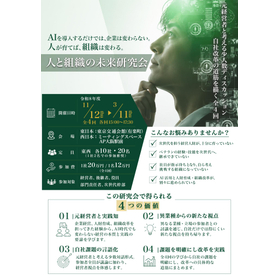
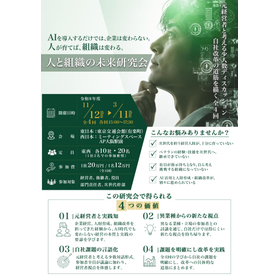
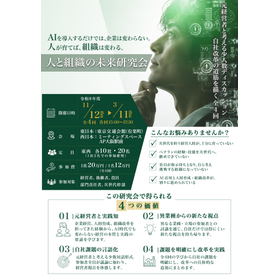
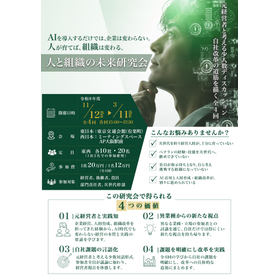
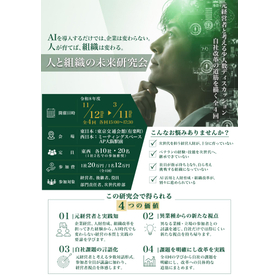
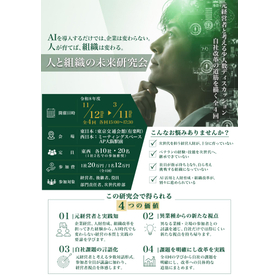
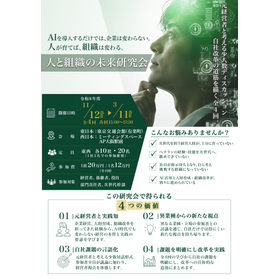
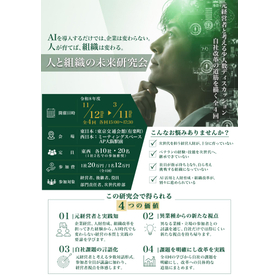
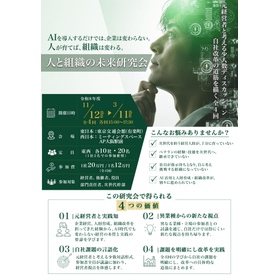
In the agricultural sector, efficient production management is required to improve productivity, ensure stable harvests, and achieve sustainable management. In particular, responding to external factors such as weather and pests, optimizing materials, and effectively utilizing human resources are critical issues directly linked to profitability. It is essential to find concrete solutions to these challenges from the perspective of experienced managers and to translate them into practice. The "Future Research Group on People and Organizations" is a small-group, practical program consisting of four sessions aimed at managers, successors, executives, department heads, and next-generation leaders. Participants engage in dialogue about their company's management challenges around the same round table with experienced top executives and leaders from different industries. By not only "listening" but also "questioning, thinking, and engaging in dialogue," they sharpen their management decision-making skills and connect to the vision for their company's reform. Top executives from leading Japanese companies such as Panasonic, Hino Motors, and JAL Card will participate. They will share practical knowledge while engaging in dialogue with managers and executives from different industries, applying this knowledge to their own company's challenges.
Added to bookmarks
Bookmarks listBookmark has been removed
Bookmarks listYou can't add any more bookmarks
By registering as a member, you can increase the number of bookmarks you can save and organize them with labels.
Free membership registration
In the logistics industry, there is a demand for cost reduction and improved customer satisfaction through the optimization of delivery routes. In particular, efficient route planning and quick decision-making are essential to respond to complex delivery networks and ever-changing traffic conditions. Inappropriate route settings can lead to increased fuel costs, delivery delays, and greater burdens on drivers. This seminar is a practical program that helps organize your company's management challenges and connect them to reform initiatives through dialogue with experienced top executives. 【Usage Scenarios】 - Inefficiencies in delivery routes - Rising fuel costs - Long working hours for drivers - Complaints from customers about delivery delays - The need for data-driven decision-making 【Benefits of Implementation】 - Improved delivery efficiency - Cost reduction - Enhanced customer satisfaction - Strengthened management decision-making capabilities - Concrete realization of company reforms
Added to bookmarks
Bookmarks listBookmark has been removed
Bookmarks listYou can't add any more bookmarks
By registering as a member, you can increase the number of bookmarks you can save and organize them with labels.
Free membership registration
In the financial industry, rapid and accurate decision-making is required to respond to the fast-changing market environment and the diversification of customer needs. In particular, the acceleration of customer response is a crucial factor that directly contributes to improved customer satisfaction and the establishment of competitive advantage. Inadequate responses can lead to customer attrition and a decline in brand image. This seminar provides an opportunity to deeply explore your company's management challenges and find practical solutions through dialogue with experienced top executives. 【Usage Scenarios】 - Improvement of delays and inefficiencies in customer response - Rapid response to changing market needs - Differentiation from competitors 【Effects of Implementation】 - Acceleration and improvement of decision-making accuracy - Increased customer satisfaction - Overall organizational efficiency improvement
Added to bookmarks
Bookmarks listBookmark has been removed
Bookmarks listYou can't add any more bookmarks
By registering as a member, you can increase the number of bookmarks you can save and organize them with labels.
Free membership registration
In the retail industry, responding to demand fluctuations and preventing excess inventory and stockouts are crucial for improving profitability and maintaining customer satisfaction. In particular, inventory management based on accurate demand forecasting is essential for preventing lost opportunities and improving cash flow. Inadequate inventory management can lead to lost sales opportunities and increased storage costs. This seminar is a practical program that delves deeply into your company's management challenges through dialogue with experienced top executives, connecting them to concrete reform proposals, including inventory optimization. 【Usage Scenarios】 - Challenges in inventory management in retail - Improving the accuracy of demand forecasting - Reducing excess inventory and stockouts - Improving cash flow - Streamlining store operations 【Effects of Implementation】 - Cost reduction through optimized inventory management - Reduced lost opportunities and increased sales - Enhanced management decision-making - Development of concrete reform proposals for your company
Added to bookmarks
Bookmarks listBookmark has been removed
Bookmarks listYou can't add any more bookmarks
By registering as a member, you can increase the number of bookmarks you can save and organize them with labels.
Free membership registration
In the food and beverage industry, there is a demand for daily operational efficiency and the creation of organizations that can adapt to change. In particular, it is important to find practical solutions to challenges such as labor shortages, cost management, and maintaining customer satisfaction. This seminar provides an opportunity to develop management skills that enable participants to pose questions, make judgments, and drive organizational change in response to these challenges. 【Utilization Scenarios】 - Identifying challenges in store operations - Generating ideas for operational improvements - Considering talent development and organizational management - Differentiation strategies from competing stores 【Effects of Implementation】 - Discovering specific measures for improving on-site efficiency - Enhancing management decision-making skills - Planning for organizational reform
Added to bookmarks
Bookmarks listBookmark has been removed
Bookmarks listYou can't add any more bookmarks
By registering as a member, you can increase the number of bookmarks you can save and organize them with labels.
Free membership registration
In the manufacturing industry, there is a constant demand for efficiency improvements and business enhancements to respond to rapidly changing markets and achieve sustainable growth. Especially in an era where AI provides "answers," the ability to ask questions, make judgments, and drive the organization becomes crucial. A practical approach to deeply understanding on-site challenges and leading them to solutions is essential. This seminar aims to outline specific solutions and pathways for organizational reform through dialogue with former executives of major companies, addressing the challenges faced by the manufacturing industry. 【Utilization Scenarios】 - Improving on-site productivity - Reviewing business processes - Streamlining the entire organization - Strengthening management decision-making capabilities - Formulating plans for organizational reform 【Effects of Implementation】 - Discovering concrete clues for solving on-site challenges - Enhancing the decision-making capabilities of management - Clarifying pathways for achieving organizational reform - Building networks with executives from different industries
Added to bookmarks
Bookmarks listBookmark has been removed
Bookmarks listYou can't add any more bookmarks
By registering as a member, you can increase the number of bookmarks you can save and organize them with labels.
Free membership registration
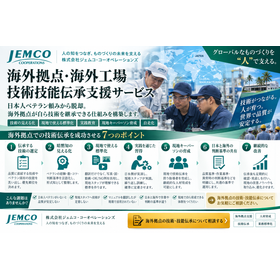
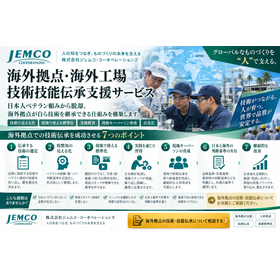
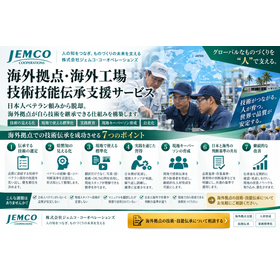
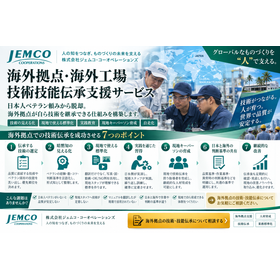
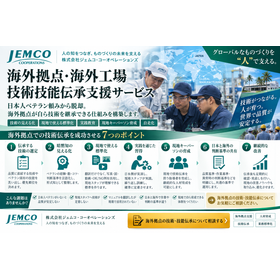
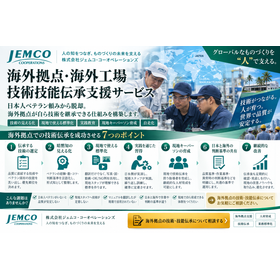
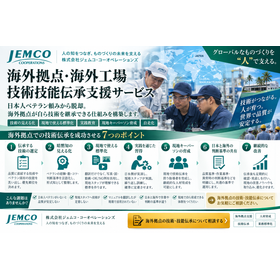
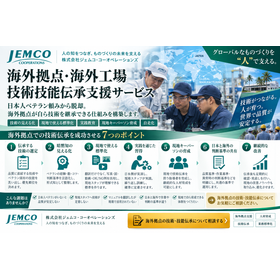
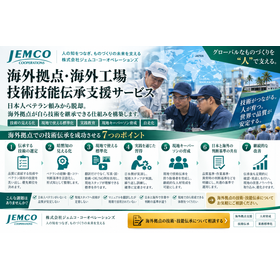
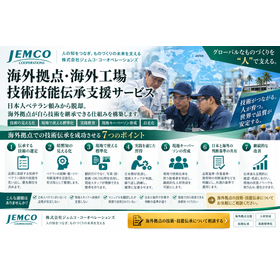
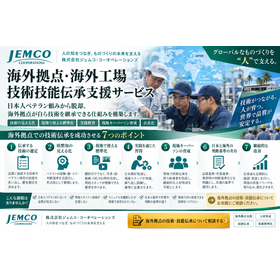
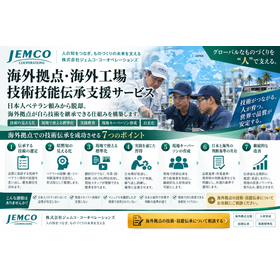
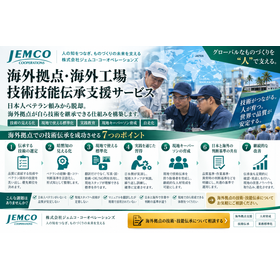
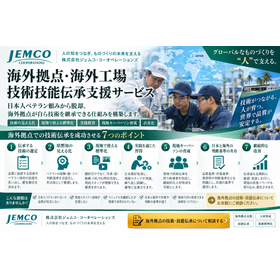
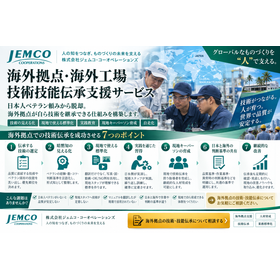
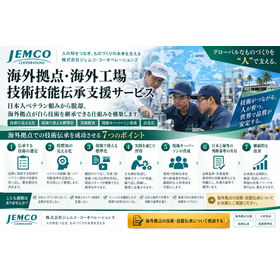
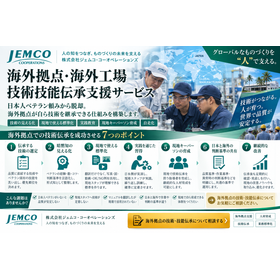
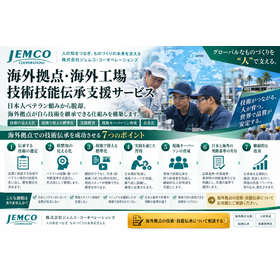
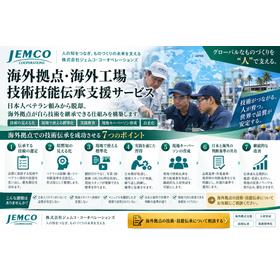
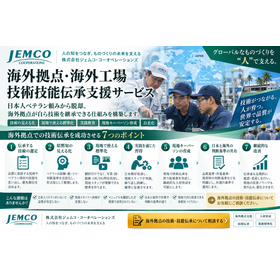
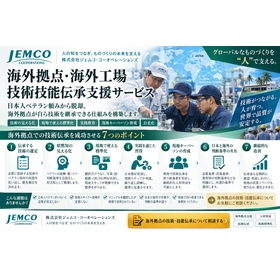
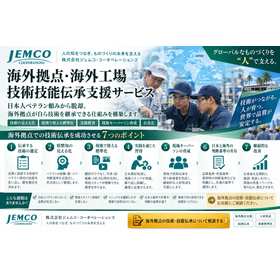
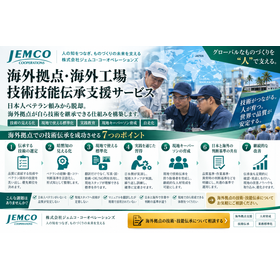
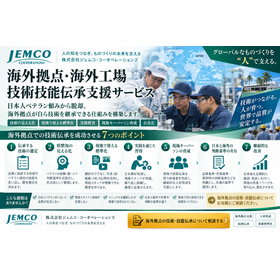
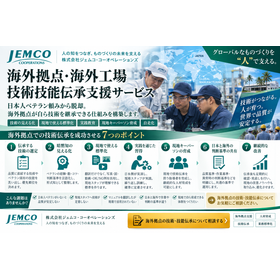
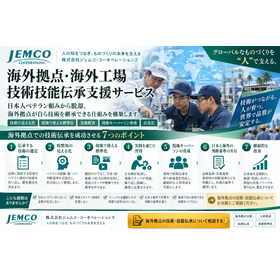
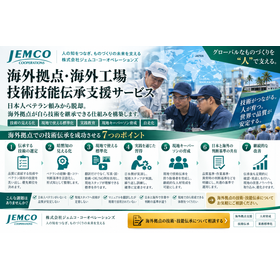
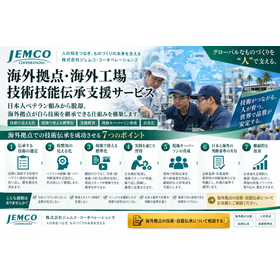
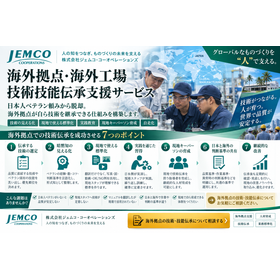
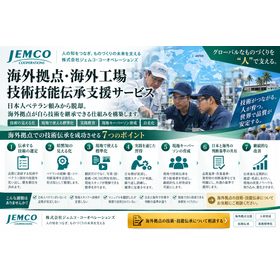
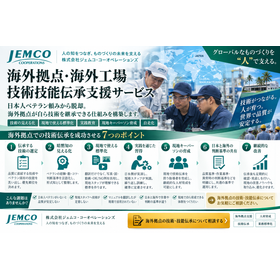
In the operation of mining machinery, the judgment of skilled technicians on-site and accurate responses during abnormal situations are required. Particularly in overseas bases and factories, there is a high dependency on Japanese technicians, and establishing technical skills among local staff can be a challenge. It is not uncommon for standardized information to be difficult to utilize on-site, or for differences in judgment criteria between Japan and overseas to cause variations in operations. In response to these challenges, our service aims to visualize the tacit knowledge, such as experience, intuition, and tips possessed by veteran Japanese technicians, and standardize it into a form that local staff can understand and practice. Through "visualization" using photos, diagrams, videos, and examples of acceptable and unacceptable practices, as well as demonstrations by Japanese staff and practical training for local staff, we support the development of judgment skills during abnormalities and troubles, as well as the training of local key personnel and leaders. This aims to move away from a situation where Japanese technicians continuously teach, and instead build a self-sustaining system where local personnel can make their own judgments and pass on skills and techniques to the next generation.
Added to bookmarks
Bookmarks listBookmark has been removed
Bookmarks listYou can't add any more bookmarks
By registering as a member, you can increase the number of bookmarks you can save and organize them with labels.
Free membership registration
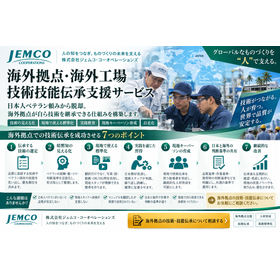
In the railway vehicle industry, there is a demand for the stable maintenance and transmission of advanced welding techniques to ensure the safety and quality of vehicles. Particularly in overseas bases and factories, when there is a high dependence on skilled technicians, challenges may arise such as the difficulty for local staff to adopt these techniques or the limited applicability of standardized information on-site. Additionally, differences in judgment criteria between Japan and overseas can often lead to variations in quality. In response to these challenges, our service aims to visualize the tacit knowledge, such as the experience, intuition, and tips possessed by veteran Japanese technicians, and standardize it into a form that local staff can understand and practice. Through "visualization" using photos, diagrams, videos, and examples of acceptable and unacceptable practices, as well as demonstrations by Japanese personnel and practical training for local staff, we support the development of judgment skills during abnormalities and troubles, as well as the training of local key personnel and instructors. This aims to move away from a state where Japanese individuals continuously teach, towards building a self-sustaining system where local personnel can make their own judgments and pass on techniques and skills to the next generation.
Added to bookmarks
Bookmarks listBookmark has been removed
Bookmarks listYou can't add any more bookmarks
By registering as a member, you can increase the number of bookmarks you can save and organize them with labels.
Free membership registration
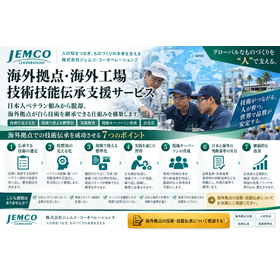
In the robot manufacturing industry and its related fields, maintaining and passing on advanced programming skills can be a challenge. Particularly when there is a high dependency on skilled Japanese technicians, there are cases where their expertise does not become established among local staff, or where standardized information is difficult to utilize on-site. Additionally, differences in judgment criteria between Japan and overseas often lead to variations in quality. In response to these challenges, our service aims to visualize the tacit knowledge, such as experiences, intuition, and tips possessed by veteran Japanese technicians, and standardize it into a form that local staff can understand and practice. Through "visualization" using photos, diagrams, videos, and examples of acceptable and unacceptable practices, as well as demonstrations by Japanese personnel and practical training for local staff, we support the development of judgment skills during abnormalities and troubles, as well as the cultivation of local key personnel and instructors. This aims to break away from a state where Japanese individuals continuously teach, and instead establish a self-sustaining system where local talent can make their own judgments and pass on skills and techniques to the next generation.
Added to bookmarks
Bookmarks listBookmark has been removed
Bookmarks listYou can't add any more bookmarks
By registering as a member, you can increase the number of bookmarks you can save and organize them with labels.
Free membership registration
In overseas bases and factories of chemical plants, accurately understanding and transmitting technology and knowledge in complex processes can be a challenge. Particularly when there is a high dependence on skilled technicians, it can be difficult for local staff to internalize that understanding, and there are cases where standardized information does not easily translate into practical application on-site. Additionally, differences in judgment criteria between Japan and overseas can often impact the stable operation of processes and quality maintenance. In response to these challenges, our service aims to visualize the tacit knowledge, such as experience, intuition, and tips held by veteran Japanese technicians, and standardize it into a form that local staff can understand and practice. Through "visualization" using photos, diagrams, videos, and examples of acceptable and unacceptable practices, as well as demonstrations by Japanese staff and practical training for local staff, we support the development of judgment skills during abnormalities and troubles, as well as the cultivation of local key personnel and leaders. This aims to break away from a state where Japanese personnel continuously teach, and instead establish a self-sustaining system where local talent can understand the processes themselves and pass on their skills and techniques to the next generation.
Added to bookmarks
Bookmarks listBookmark has been removed
Bookmarks listYou can't add any more bookmarks
By registering as a member, you can increase the number of bookmarks you can save and organize them with labels.
Free membership registration
In the biopharmaceutical industry, compliance with GMP (Good Manufacturing Practice) is extremely important for ensuring product quality and safety. Particularly in overseas locations and factories, maintaining and inheriting strict manufacturing standards and quality control systems is essential for preserving the reliability of the global supply chain. Dependence on Japanese veterans, the difficulty of instilling technology in local staff, insufficient use of manuals, and differences in judgment criteria between Japan and overseas can pose potential risks to GMP compliance. Our service addresses these challenges and supports the establishment of a system that enables overseas locations to inherit technology and maintain GMP standards independently. 【Usage Scenarios】 - Standardization of culture techniques in the biopharmaceutical manufacturing process at overseas factories - Instilling GMP-related knowledge and culture techniques in local staff - Unification of quality control standards between Japan and overseas locations - Maintaining stable quality even in the absence of Japanese veterans - Fostering appropriate judgment skills among local staff during abnormal occurrences 【Benefits of Implementation】 - Maintenance of stable culture techniques based on global standards - Strengthening of quality control systems at overseas locations - Improvement of local personnel's technical skills and autonomous operations - Enhancement of overall supply chain reliability
Added to bookmarks
Bookmarks listBookmark has been removed
Bookmarks listYou can't add any more bookmarks
By registering as a member, you can increase the number of bookmarks you can save and organize them with labels.
Free membership registration
In the active pharmaceutical ingredient manufacturing industry, compliance with GMP (Good Manufacturing Practice) is extremely important for ensuring product quality and safety. Particularly in overseas locations and factories, maintaining and inheriting strict manufacturing standards and quality control systems is essential for preserving the reliability of the global supply chain. Dependence on Japanese veterans, difficulties in transferring technology to local staff, insufficient use of manuals, and differences in judgment criteria between Japan and overseas can pose potential risks to GMP compliance. Our service addresses these challenges and supports the establishment of a system that enables overseas locations to inherit technology and maintain GMP standards independently. 【Usage Scenarios】 - Standardization of technology and skills in the active pharmaceutical ingredient synthesis process at overseas factories - Establishment of GMP-related knowledge and manufacturing techniques among local staff - Unification of quality control standards between Japan and overseas locations - Maintaining stable quality even in the absence of Japanese veterans - Cultivating appropriate judgment skills among local staff in the event of anomalies
Added to bookmarks
Bookmarks listBookmark has been removed
Bookmarks listYou can't add any more bookmarks
By registering as a member, you can increase the number of bookmarks you can save and organize them with labels.
Free membership registration
In the pharmaceutical manufacturing industry, particularly in the tablet pressing and filling processes, compliance with GMP (Good Manufacturing Practice) is extremely important for ensuring product quality and safety. In overseas locations and factories, maintaining and inheriting strict manufacturing standards and quality control systems is essential for ensuring the reliability of the global supply chain. Dependence on Japanese veterans, the difficulty of instilling technology in local staff, insufficient use of manuals, and differences in judgment criteria between Japan and overseas can pose potential risks to GMP compliance. Our service addresses these challenges and supports the establishment of a system that enables overseas locations to inherit technology and maintain GMP standards independently. 【Usage Scenarios】 - Standardization of technology and skills in the tablet pressing and filling processes at overseas factories - Instilling GMP-related knowledge and manufacturing techniques in local staff - Unification of quality control standards between Japan and overseas locations - Maintaining stable quality even in the absence of Japanese veterans - Fostering appropriate judgment skills among local staff in the event of anomalies
Added to bookmarks
Bookmarks listBookmark has been removed
Bookmarks listYou can't add any more bookmarks
By registering as a member, you can increase the number of bookmarks you can save and organize them with labels.
Free membership registration
In the vaccine manufacturing industry, strict adherence to aseptic procedures is extremely important for ensuring product quality and safety. Particularly in overseas locations and factories, maintaining and inheriting advanced manufacturing standards and quality control systems is essential for preserving the reliability of the global supply chain. Dependence on Japanese veterans, the difficulty of instilling technology in local staff, insufficient use of manuals, and differences in judgment criteria between Japan and overseas can pose potential risks in aseptic operations. Our service addresses these challenges and supports the establishment of a system that allows overseas locations to inherit technology and maintain aseptic operation standards. 【Usage Scenarios】 - Standardization of aseptic operation techniques and skills in the vaccine manufacturing process at overseas factories - Instilling knowledge related to aseptic operations and manufacturing techniques in local staff - Unification of quality control standards between Japan and overseas locations - Maintaining stable quality even in the absence of Japanese veterans - Cultivating appropriate judgment skills in local staff during abnormal occurrences 【Effects of Implementation】 - Stabilization of quality through the standardization of techniques and skills in aseptic operations - Realization of autonomous operations through the instillation of technology in local staff - Improvement of reliability through the establishment of manufacturing systems based on global standards
Added to bookmarks
Bookmarks listBookmark has been removed
Bookmarks listYou can't add any more bookmarks
By registering as a member, you can increase the number of bookmarks you can save and organize them with labels.
Free membership registration
In the cell therapy industry, maintaining and inheriting strict manufacturing standards and quality control systems is essential for ensuring the quality and safety of products, as well as for maintaining the reliability of the global supply chain. Particularly in overseas locations and factories, reliance on Japanese veterans, the difficulty of instilling technology in local staff, insufficient use of manuals, and differences in judgment criteria between Japan and overseas can pose potential risks in quality management. Our service addresses these challenges and supports the establishment of a system that allows overseas locations to inherit technology and maintain quality standards independently. 【Use Cases】 - Standardization of techniques and skills in cell culture processes at overseas factories - Instilling manufacturing techniques in local staff - Unifying quality management standards between Japan and overseas locations - Maintaining stable quality even in the absence of Japanese veterans - Cultivating appropriate judgment skills in local staff during abnormal occurrences 【Benefits of Implementation】 - Establishing a manufacturing system based on global standards - Enabling local personnel to operate independently and building a sustainable technology inheritance system - Stabilizing quality and improving the reliability of the supply chain
Added to bookmarks
Bookmarks listBookmark has been removed
Bookmarks listYou can't add any more bookmarks
By registering as a member, you can increase the number of bookmarks you can save and organize them with labels.
Free membership registration
In the gene therapy industry, compliance with GMP (Good Manufacturing Practice) is extremely important for ensuring product quality and safety. Particularly in overseas locations and factories, maintaining and inheriting strict manufacturing standards and quality control systems is essential for preserving the reliability of the global supply chain. Dependence on Japanese veterans in the vector manufacturing process, the difficulty of instilling technology in local staff, insufficient use of manuals, and differences in judgment criteria between Japan and overseas can pose potential risks to GMP compliance. Our service addresses these challenges and supports the establishment of a system that allows overseas locations to inherit technology and maintain GMP standards independently. 【Usage Scenarios】 - Standardization of technology and skills in the vector manufacturing process at overseas factories - Instilling GMP-related knowledge and manufacturing techniques in local staff - Unification of quality control standards between Japan and overseas locations - Maintaining stable quality even in the absence of Japanese veterans - Cultivating appropriate judgment skills in local staff during abnormal occurrences
Added to bookmarks
Bookmarks listBookmark has been removed
Bookmarks listYou can't add any more bookmarks
By registering as a member, you can increase the number of bookmarks you can save and organize them with labels.
Free membership registration
In the diagnostic drug manufacturing industry, it is essential to maintain and inherit strict manufacturing standards and quality control systems to ensure product quality and safety. Particularly in overseas locations and factories, it is extremely important to uphold these standards to maintain the reliability of the global supply chain. Dependence on Japanese veterans, the difficulty of instilling technology in local staff, insufficient use of manuals, and differences in judgment criteria between Japan and overseas can pose potential risks in quality management. Our service addresses these challenges and supports the establishment of a system that allows overseas locations to inherit technology and maintain quality standards independently. 【Usage Scenarios】 - Standardization of technology and skills in the diagnostic drug manufacturing process at overseas factories - Instilling quality management knowledge and manufacturing techniques in local staff - Unification of quality management standards between Japan and overseas locations - Maintaining stable quality even in the absence of Japanese veterans - Cultivating appropriate judgment skills in local staff during abnormal occurrences 【Effects of Implementation】 - Standardization of technology and skills leading to uniform quality at overseas locations - Skill enhancement of local staff and establishment of an autonomous quality management system - Improved reliability in the global supply chain - Stabilization of product quality and risk reduction
Added to bookmarks
Bookmarks listBookmark has been removed
Bookmarks listYou can't add any more bookmarks
By registering as a member, you can increase the number of bookmarks you can save and organize them with labels.
Free membership registration
In the medical device manufacturing industry, compliance with GMP (Good Manufacturing Practice) is extremely important for ensuring product quality and safety. Particularly in overseas locations and factories, maintaining and inheriting strict manufacturing standards and quality control systems is essential for preserving the reliability of the global supply chain. Dependence on Japanese veterans, the difficulty of instilling skills in local staff, insufficient use of manuals, and differences in judgment criteria between Japan and overseas can pose potential risks to GMP compliance. Our service addresses these challenges and supports the establishment of a system that enables overseas locations to inherit technology and maintain GMP standards independently. 【Usage Scenarios】 - Standardization of technology and skills in the medical device manufacturing process at overseas factories - Instilling GMP-related knowledge and manufacturing techniques in local staff - Unification of quality control standards between Japan and overseas locations - Maintaining stable quality even in the absence of Japanese veterans - Cultivating appropriate judgment skills in local staff during abnormal occurrences
Added to bookmarks
Bookmarks listBookmark has been removed
Bookmarks listYou can't add any more bookmarks
By registering as a member, you can increase the number of bookmarks you can save and organize them with labels.
Free membership registration
In the animal pharmaceutical industry, compliance with GMP (Good Manufacturing Practice) is crucial for ensuring product quality and safety. Particularly in overseas locations and factories, maintaining and inheriting strict manufacturing standards and quality control systems is essential for preserving the reliability of the global supply chain. Dependence on Japanese veterans, the difficulty of instilling technology in local staff, insufficient use of manuals, and differences in judgment criteria between Japan and overseas can pose potential risks to GMP compliance. Our service addresses these challenges and supports the establishment of a system that enables overseas locations to inherit technology and maintain GMP standards independently. 【Usage Scenarios】 - Standardization of technology and skills in the animal pharmaceutical manufacturing process at overseas factories - Instilling GMP-related knowledge and manufacturing techniques in local staff - Unifying quality control standards between Japan and overseas locations - Maintaining stable quality even in the absence of Japanese veterans - Cultivating appropriate judgment skills in local staff during abnormal occurrences
Added to bookmarks
Bookmarks listBookmark has been removed
Bookmarks listYou can't add any more bookmarks
By registering as a member, you can increase the number of bookmarks you can save and organize them with labels.
Free membership registration
In the clinical trial drug manufacturing industry, compliance with GMP (Good Manufacturing Practice) is extremely important for ensuring product quality and safety. Particularly in overseas locations and factories, maintaining and inheriting strict manufacturing standards and quality control systems is essential for preserving the reliability of the global supply chain. Dependence on Japanese veterans, the difficulty of instilling technology in local staff, insufficient use of manuals, and differences in judgment criteria between Japan and overseas can pose potential risks to GMP compliance. Our service addresses these challenges and supports the establishment of a system that enables overseas locations to inherit technology and maintain GMP standards independently. 【Usage Scenarios】 - Standardization of technology and skills in the clinical trial drug manufacturing process at overseas factories - Instilling GMP-related knowledge and manufacturing techniques in local staff - Unification of quality control standards between Japan and overseas locations - Maintaining stable quality even in the absence of Japanese veterans - Fostering appropriate judgment skills in local staff during abnormal occurrences
Added to bookmarks
Bookmarks listBookmark has been removed
Bookmarks listYou can't add any more bookmarks
By registering as a member, you can increase the number of bookmarks you can save and organize them with labels.
Free membership registration
In the generic pharmaceutical industry, compliance with GMP (Good Manufacturing Practice) is extremely important for ensuring product quality and safety. Particularly in overseas locations and factories, maintaining and inheriting strict manufacturing standards and quality control systems is essential for preserving the reliability of the global supply chain. Dependence on Japanese veterans, the difficulty of instilling technology in local staff, insufficient use of manuals, and differences in judgment criteria between Japan and overseas can pose potential risks to GMP compliance. Our service addresses these challenges and supports the establishment of a system that allows overseas locations to inherit technology and maintain GMP standards independently. 【Usage Scenarios】 - Standardization of technology and skills in the pharmaceutical manufacturing process at overseas factories - Instilling GMP-related knowledge and manufacturing techniques in local staff - Unification of quality control standards between Japan and overseas locations - Maintaining stable quality even in the absence of Japanese veterans - Fostering appropriate judgment skills in local staff during abnormal occurrences
Added to bookmarks
Bookmarks listBookmark has been removed
Bookmarks listYou can't add any more bookmarks
By registering as a member, you can increase the number of bookmarks you can save and organize them with labels.
Free membership registration
In the energy infrastructure industry, it is crucial to maintain and pass on advanced welding techniques stably to ensure safety. Particularly when there is a high dependence on skilled Japanese technicians, there are cases where these techniques do not become established among local staff, or where standardized information is difficult to utilize on-site. Additionally, differences in judgment criteria between Japan and overseas often lead to variations in quality. In response to these challenges, our service aims to visualize the tacit knowledge, such as experience, intuition, and tips possessed by veteran Japanese technicians, and standardize it into a form that local staff can understand and practice. Through "visualization" using photos, diagrams, videos, and examples of acceptable and unacceptable practices, as well as demonstrations by Japanese personnel and practical training for local staff, we support the development of judgment skills during abnormal situations and the training of local key personnel and leaders. This aims to break away from a state where Japanese individuals continuously teach, and instead establish a self-sustaining system where local personnel can make their own judgments and pass on techniques and skills to the next generation.
Added to bookmarks
Bookmarks listBookmark has been removed
Bookmarks listYou can't add any more bookmarks
By registering as a member, you can increase the number of bookmarks you can save and organize them with labels.
Free membership registration
In the semiconductor manufacturing equipment industry, overseas bases and factories often face challenges in maintaining and passing on advanced precision adjustment techniques. Particularly when there is a high dependence on skilled Japanese engineers, there are cases where these techniques do not become established among local staff, or where standardized information is difficult to utilize on-site. Additionally, differences in judgment criteria between Japan and overseas can often lead to variations in quality. In response to these challenges, our service aims to visualize the tacit knowledge, such as experience, intuition, and tips possessed by veteran Japanese engineers, and standardize it into a form that local staff can understand and practice. Through "visualization" using photos, diagrams, videos, and examples of acceptable and unacceptable practices, as well as demonstrations by Japanese personnel and practical training for local staff, we support the development of judgment skills during abnormalities and troubles, as well as the training of local key personnel and leaders. This aims to move away from a state where Japanese individuals continuously teach, and instead establish a self-sustaining system where local talent can make their own judgments and pass on techniques and skills to the next generation.
Added to bookmarks
Bookmarks listBookmark has been removed
Bookmarks listYou can't add any more bookmarks
By registering as a member, you can increase the number of bookmarks you can save and organize them with labels.
Free membership registration
In the industrial machinery sector, overseas bases and factories often face challenges in maintaining and passing down advanced assembly procedures consistently. This is particularly true when there is a high dependency on skilled Japanese engineers, which can lead to situations where their expertise does not become established among local staff, or where standardized information is difficult to utilize on-site. Additionally, differences in judgment criteria between Japan and overseas can frequently cause variations in quality. In response to these challenges, our service aims to visualize the tacit knowledge, such as experience, intuition, and tips held by veteran Japanese engineers, and standardize it into a form that local staff can understand and practice. Through "visualization" using photos, diagrams, videos, and examples of acceptable and unacceptable practices, as well as demonstrations by Japanese personnel followed by practical training for local staff, we support the development of decision-making skills during abnormalities and troubles, as well as the training of local key personnel and leaders. This aims to move away from a situation where Japanese individuals continuously teach, and instead establish a self-sustaining system where local personnel can make their own judgments and pass on skills and techniques to the next generation.
Added to bookmarks
Bookmarks listBookmark has been removed
Bookmarks listYou can't add any more bookmarks
By registering as a member, you can increase the number of bookmarks you can save and organize them with labels.
Free membership registration
In the shipbuilding industry, overseas bases and factories often face challenges in maintaining and passing on advanced welding techniques. This is particularly true when there is a high dependency on skilled Japanese technicians, leading to situations where these techniques do not become established among local staff, or where standardized information is difficult to apply on-site. Additionally, differences in judgment criteria between Japan and overseas can frequently cause variations in quality. In response to these challenges, our service aims to visualize the tacit knowledge, such as experience, intuition, and tips possessed by veteran Japanese technicians, and standardize it into a form that local staff can understand and practice. Through "visualization" using photos, diagrams, videos, and examples of acceptable and unacceptable practices, as well as demonstrations by Japanese personnel and practical training for local staff, we support the development of judgment skills during abnormalities and troubles, and the training of local key personnel and leaders. This approach aims to move away from a situation where Japanese individuals continuously teach, and instead establish a self-sustaining system where local talent can make their own judgments and pass on techniques and skills to the next generation.
Added to bookmarks
Bookmarks listBookmark has been removed
Bookmarks listYou can't add any more bookmarks
By registering as a member, you can increase the number of bookmarks you can save and organize them with labels.
Free membership registration
In the aerospace industry, strict management and transmission of advanced welding techniques are required to ensure product safety and reliability. Particularly in overseas locations and factories, a high dependence on skilled technicians can lead to challenges where such techniques are not easily established among local staff, or where standardized information is not fully utilized on-site. Additionally, differences in judgment criteria between Japan and overseas may also be pointed out as a cause of quality variation. In response to these situations, our service aims to visualize the tacit knowledge such as experience, intuition, and judgment criteria possessed by veteran Japanese technicians and standardize it into a form that local staff can understand and practice. Through the use of photos, diagrams, videos, and examples of acceptable and unacceptable practices for "visualization," as well as demonstrations by Japanese personnel and practical training for local staff, we support the development of judgment skills during abnormalities and troubles, as well as the training of local key personnel and leaders. This aims to move away from a state where Japanese personnel continuously teach, and instead establish a self-sustaining system where local talent can make their own judgments and pass on techniques and skills to the next generation.
Added to bookmarks
Bookmarks listBookmark has been removed
Bookmarks listYou can't add any more bookmarks
By registering as a member, you can increase the number of bookmarks you can save and organize them with labels.
Free membership registration
In the automotive manufacturing industry, overseas bases and factories often face challenges in maintaining and passing on advanced welding techniques. This is particularly true when there is a high dependence on skilled Japanese technicians, which can lead to situations where the techniques do not become established among local staff, or where standardized information is difficult to utilize on-site. Additionally, differences in judgment criteria between Japan and overseas can frequently cause variations in quality. In response to these challenges, our service aims to visualize the tacit knowledge, such as experience, intuition, and tips possessed by veteran Japanese technicians, and standardize it into a form that local staff can understand and practice. By utilizing photos, diagrams, videos, and examples of acceptable and unacceptable practices for "visualization," as well as through demonstrations by Japanese personnel and practical training for local staff, we support the development of judgment skills during abnormalities and troubles, as well as the training of local key personnel and leaders. This aims to break away from a state where Japanese individuals continuously teach, and instead build a self-sustaining system where local personnel can make their own judgments and pass on techniques and skills to the next generation. 【Usage Scenarios】 - Standardization of welding techniques in overseas factories - Technical guidance for local operators - Unification of quality standards - Succession of techniques due to the retirement of veteran technicians - Improvement of productivity at overseas bases
Added to bookmarks
Bookmarks listBookmark has been removed
Bookmarks listYou can't add any more bookmarks
By registering as a member, you can increase the number of bookmarks you can save and organize them with labels.
Free membership registration
In the railway vehicle manufacturing industry, maintaining and standardizing safety standards at overseas bases and factories is a significant challenge. If the experience and judgment criteria of skilled technicians are not adequately communicated to local staff, it may lead to variations in safety and a decline in quality. Additionally, there are cases where simply translating manuals makes it difficult to share practical applications and judgment criteria on-site. Our service supports the establishment of a system that enables overseas bases to inherit technology and standardize safety standards on their own. 【Usage Scenarios】 - Stabilization of safety standards at overseas factories - Establishment of safety technology among local staff - Unification of judgment criteria between Japan and overseas bases - Maintenance of safety standards in the absence of skilled technicians 【Benefits of Implementation】 - Stabilization of safety standards at overseas bases - Autonomous inheritance of safety technology by local staff - Unification of safety standards globally - Reduction of accident risks and improvement of reliability
Added to bookmarks
Bookmarks listBookmark has been removed
Bookmarks listYou can't add any more bookmarks
By registering as a member, you can increase the number of bookmarks you can save and organize them with labels.
Free membership registration
In overseas bases and factories for construction machinery, maintaining and passing on advanced repair techniques can be a challenge. This is particularly true when there is a high dependency on skilled Japanese technicians, which can lead to situations where these techniques do not become established among local staff, or where standardized information is difficult to utilize on-site. Additionally, differences in judgment criteria between Japan and overseas can often cause variations in quality. In response to these challenges, our service aims to visualize the tacit knowledge such as experience, intuition, and tips held by veteran Japanese technicians, and standardize it into a form that local staff can understand and practice. Through the use of photos, diagrams, videos, and examples of acceptable and unacceptable practices for "visualization," as well as demonstrations by Japanese staff and practical training for local staff, we support the development of judgment skills during abnormalities and troubles, as well as the training of local key personnel and leaders. This aims to move away from a situation where Japanese individuals continuously teach, and instead establish a self-sustaining system where local personnel can make their own judgments and pass on techniques and skills to the next generation. 【Usage Scenarios】 - Standardization of repair techniques in overseas factories - Technical guidance for local operators - Unification of quality standards - Succession of techniques due to the retirement of veteran technicians - Improvement of productivity at overseas bases
Added to bookmarks
Bookmarks listBookmark has been removed
Bookmarks listYou can't add any more bookmarks
By registering as a member, you can increase the number of bookmarks you can save and organize them with labels.
Free membership registration
In the robot manufacturing industry, stabilizing and standardizing quality at overseas bases and factories is a critical challenge. When there is a high dependency on veteran Japanese engineers, their skills and know-how may not be passed on to local staff, potentially leading to variations in quality and decreased productivity. Additionally, there are cases where simply translating manuals makes it difficult to share practical knowledge and judgment criteria on-site. Our service supports the establishment of a system that enables overseas bases to inherit technology on their own and standardize quality. 【Usage Scenarios】 - Stabilizing the quality of robot operations at overseas factories - Ensuring the retention of robot operation skills among local staff - Unifying robot operation judgment criteria between Japan and overseas bases - Maintaining robot operation quality in the absence of veteran engineers 【Benefits of Implementation】 - Stabilization of robot operation quality at overseas bases - Autonomous inheritance of robot operation skills by local staff - Unification of robot operation quality standards globally - Increased productivity and cost reduction
Added to bookmarks
Bookmarks listBookmark has been removed
Bookmarks listYou can't add any more bookmarks
By registering as a member, you can increase the number of bookmarks you can save and organize them with labels.
Free membership registration
In the textile machinery manufacturing industry, stabilizing and standardizing quality at overseas bases and factories is a crucial challenge. When there is a high dependency on veteran Japanese engineers, their skills and know-how may not be effectively transferred to local staff, potentially leading to variations in quality and decreased productivity. Additionally, there are cases where simply translating manuals makes it difficult to share practical knowledge and judgment criteria on-site. Our service supports the establishment of a system that enables overseas bases to inherit technology independently and standardize quality. 【Usage Scenarios】 - Stabilizing quality at overseas factories - Ensuring technology transfer to local staff - Unifying judgment criteria between Japan and overseas bases - Maintaining quality in the absence of veteran engineers 【Benefits of Implementation】 - Stabilization of quality at overseas bases - Autonomous technology transfer by local staff - Unification of quality standards globally - Improved productivity and cost reduction
Added to bookmarks
Bookmarks listBookmark has been removed
Bookmarks listYou can't add any more bookmarks
By registering as a member, you can increase the number of bookmarks you can save and organize them with labels.
Free membership registration
In the energy equipment manufacturing industry, stabilizing and standardizing inspection procedures at overseas bases and factories is a significant challenge. When there is a high dependency on veteran Japanese engineers, their skills and know-how may not be transferred to local staff, potentially leading to variations in inspection results and decreased productivity. Additionally, simply translating manuals may not be sufficient for sharing practical knowledge and judgment criteria on-site. Our service supports the establishment of a system that enables overseas bases to inherit technology independently and standardize quality. 【Usage Scenarios】 - Stabilizing the quality of inspection procedures at overseas factories - Establishing inspection techniques among local staff - Unifying judgment criteria between Japan and overseas bases - Maintaining inspection quality in the absence of veteran engineers 【Benefits of Implementation】 - Stabilization of inspection procedure quality at overseas bases - Autonomous inheritance of inspection techniques by local staff - Unification of inspection standards globally - Increased productivity and cost reduction
Added to bookmarks
Bookmarks listBookmark has been removed
Bookmarks listYou can't add any more bookmarks
By registering as a member, you can increase the number of bookmarks you can save and organize them with labels.
Free membership registration
In the medical device manufacturing industry, maintaining product accuracy and stabilizing quality are extremely important. Establishing advanced technology and strict quality standards among local staff at overseas locations and factories often poses challenges. When there is a high dependency on veteran Japanese engineers, their skills and know-how may not be adequately conveyed to local staff, potentially leading to variations in quality and decreased productivity. Additionally, there are cases where simply translating manuals does not facilitate practical understanding or the sharing of judgment criteria on the ground. Our service supports the establishment of a system that enables overseas locations to inherit technology and standardize quality on their own. 【Usage Scenarios】 - Stabilizing quality at overseas factories - Establishing technology among local staff - Unifying judgment criteria between Japan and overseas locations - Maintaining quality in the absence of veteran engineers 【Benefits of Implementation】 - Stabilization of quality at overseas locations - Autonomous inheritance of technology by local staff - Unification of quality standards globally - Increased productivity and cost reduction
Added to bookmarks
Bookmarks listBookmark has been removed
Bookmarks listYou can't add any more bookmarks
By registering as a member, you can increase the number of bookmarks you can save and organize them with labels.
Free membership registration
In the home appliance manufacturing industry, stabilizing and standardizing quality at overseas bases and factories is an important challenge. When there is a high dependency on veteran Japanese engineers, their skills and know-how may not be passed on to local staff, potentially leading to variations in quality and decreased productivity. Additionally, there are cases where simply translating manuals makes it difficult to share practical applications and judgment criteria on-site. Our service supports the establishment of a system that enables overseas bases to inherit technology on their own and standardize quality. 【Usage Scenarios】 - Stabilizing quality at overseas factories - Ensuring technology transfer to local staff - Unifying judgment criteria between Japan and overseas bases - Maintaining quality in the absence of veteran engineers 【Benefits of Implementation】 - Stabilization of quality at overseas bases - Autonomous technology transfer by local staff - Unification of quality standards globally - Increased productivity and cost reduction
Added to bookmarks
Bookmarks listBookmark has been removed
Bookmarks listYou can't add any more bookmarks
By registering as a member, you can increase the number of bookmarks you can save and organize them with labels.
Free membership registration
In the industrial machinery sector, stabilizing and standardizing quality at overseas bases and factories is a critical issue. When there is a high dependency on veteran Japanese engineers, their skills and know-how may not be transferred to local staff, potentially leading to variations in quality and decreased productivity. Additionally, there are cases where simply translating manuals makes it difficult to share practical knowledge and judgment criteria on-site. Our service supports the establishment of a system that enables overseas bases to inherit technology and standardize quality on their own. 【Usage Scenarios】 - Stabilizing quality at overseas factories - Ensuring technology transfer to local staff - Unifying judgment criteria between Japan and overseas bases - Maintaining quality in the absence of veteran engineers 【Effects of Implementation】 - Stabilization of quality at overseas bases - Autonomous transfer of technology by local staff - Unification of quality standards globally - Increased productivity and cost reduction
Added to bookmarks
Bookmarks listBookmark has been removed
Bookmarks listYou can't add any more bookmarks
By registering as a member, you can increase the number of bookmarks you can save and organize them with labels.
Free membership registration
In the plant engineering industry and maintenance inspections, there is a demand for the stable maintenance and transmission of advanced welding techniques. Particularly in cases where there is a high dependence on skilled technicians, it is often observed that these techniques do not become established among local staff, or that standardized information is difficult to utilize on-site. Additionally, differences in judgment criteria between Japan and overseas can frequently lead to variations in quality. In response to these challenges, our service aims to visualize the tacit knowledge such as experience, intuition, and tips possessed by veteran Japanese technicians, and standardize it into a form that local staff can understand and practice. Through "visualization" using photos, diagrams, videos, and examples of acceptable and unacceptable practices, as well as demonstrations by Japanese personnel and practical training for local staff, we support the development of judgment skills during abnormal situations and the training of local key personnel and leaders. This aims to move away from a state where Japanese individuals continuously teach, and instead establish a self-sustaining system where local personnel can make their own judgments and pass on techniques and skills to the next generation. 【Usage Scenarios】 - Standardization of welding techniques in overseas factories - Technical guidance for local operators - Unification of quality standards - Technical succession due to the retirement of veteran technicians - Improvement of productivity at overseas bases
Added to bookmarks
Bookmarks listBookmark has been removed
Bookmarks listYou can't add any more bookmarks
By registering as a member, you can increase the number of bookmarks you can save and organize them with labels.
Free membership registration
In the shipbuilding industry, stabilizing and standardizing the quality of welding technology at overseas bases and factories is a critical issue. When there is a high dependency on veteran Japanese technicians, their skills and know-how may not be passed on to local staff, potentially leading to variations in quality and decreased productivity. Additionally, there are cases where simply translating manuals makes it difficult to share practical applications and judgment criteria on-site. Our service supports the establishment of a system that allows overseas bases to inherit technology and standardize quality on their own. 【Usage Scenarios】 - Stabilizing welding quality at overseas factories - Establishing welding technology among local staff - Unifying welding judgment criteria between Japan and overseas bases - Maintaining quality in the absence of veteran welding technicians 【Benefits of Implementation】 - Stabilization of welding quality at overseas bases - Autonomous inheritance of welding technology by local staff - Unification of welding quality standards globally - Increased productivity and cost reduction
Added to bookmarks
Bookmarks listBookmark has been removed
Bookmarks listYou can't add any more bookmarks
By registering as a member, you can increase the number of bookmarks you can save and organize them with labels.
Free membership registration
In the OTC pharmaceutical industry, compliance with GMP (Good Manufacturing Practice) is crucial for ensuring product quality and safety. Particularly in overseas locations and factories, maintaining and inheriting strict manufacturing standards and quality control systems is essential for preserving the reliability of the global supply chain. Dependence on Japanese veterans, the difficulty of instilling technology in local staff, insufficient use of manuals, and differences in judgment criteria between Japan and overseas can pose potential risks to GMP compliance. Our service addresses these challenges and supports the establishment of a system that allows overseas locations to inherit technology and maintain GMP standards independently. 【Usage Scenarios】 - Standardization of technology and skills in the OTC pharmaceutical manufacturing process at overseas factories - Instilling GMP-related knowledge and manufacturing techniques in local staff - Unification of quality control standards between Japan and overseas locations - Maintaining stable quality even in the absence of Japanese veterans - Cultivating appropriate judgment skills in local staff during abnormal occurrences
Added to bookmarks
Bookmarks listBookmark has been removed
Bookmarks listYou can't add any more bookmarks
By registering as a member, you can increase the number of bookmarks you can save and organize them with labels.
Free membership registration
In the semiconductor manufacturing equipment industry, stabilizing and standardizing quality at overseas bases and factories is a critical issue. When there is a high dependence on veteran Japanese engineers, their skills and know-how may not be passed on to local staff, potentially leading to variations in quality and decreased productivity. Additionally, there are cases where simply translating manuals makes it difficult to share practical knowledge and judgment criteria on-site. Our service supports the establishment of a system that enables overseas bases to inherit technology independently and standardize quality. 【Usage Scenarios】 - Stabilizing quality at overseas factories - Ensuring technology transfer to local staff - Unifying judgment criteria between Japan and overseas bases - Maintaining quality in the absence of veteran engineers 【Benefits of Implementation】 - Stabilization of quality at overseas bases - Autonomous inheritance of technology by local staff - Unification of quality standards globally - Increased productivity and cost reduction
Added to bookmarks
Bookmarks listBookmark has been removed
Bookmarks listYou can't add any more bookmarks
By registering as a member, you can increase the number of bookmarks you can save and organize them with labels.
Free membership registration
In the aerospace industry, strict quality standards and thorough safety training are required to ensure product safety and reliability. In overseas bases and factories, the advanced expertise and safety know-how of veteran Japanese engineers may not be sufficiently passed on to local staff, potentially leading to variations in quality and risks of accidents. There are cases where simply translating manuals makes it difficult to share practical judgment and safety awareness on-site. Our service supports the establishment of a system that enables overseas bases to inherit safety-related technologies independently and standardize quality. 【Usage Scenarios】 - Stabilization of safety standards in overseas factories - Establishment of safety training for local staff - Unification of safety judgment standards between Japan and overseas bases - Maintenance of safety management in the absence of veteran engineers 【Effects of Implementation】 - Stabilization of safety management in overseas bases - Autonomous inheritance of safety technology by local staff - Unification of safety standards globally - Reduction of accident risks and maintenance of productivity
Added to bookmarks
Bookmarks listBookmark has been removed
Bookmarks listYou can't add any more bookmarks
By registering as a member, you can increase the number of bookmarks you can save and organize them with labels.
Free membership registration
In the heavy machinery manufacturing industry, stabilizing and standardizing maintenance know-how at overseas bases and factories is a crucial issue. When there is a high dependency on veteran Japanese technicians, their skills and know-how may not be effectively transferred to local staff, potentially leading to variations in maintenance quality and decreased productivity. Additionally, there are cases where simply translating manuals makes it difficult to share practical applications and decision-making criteria on-site. Our service supports the establishment of a system that enables overseas bases to inherit technology independently and standardize maintenance quality. 【Usage Scenarios】 - Stabilizing maintenance quality at overseas factories - Establishing maintenance technology among local staff - Unifying maintenance decision-making criteria between Japan and overseas bases - Maintaining maintenance quality in the absence of veteran technicians 【Benefits of Implementation】 - Stabilization of maintenance quality at overseas bases - Autonomous inheritance of maintenance technology by local staff - Unification of maintenance standards globally - Increased efficiency and cost reduction in maintenance operations
Added to bookmarks
Bookmarks listBookmark has been removed
Bookmarks listYou can't add any more bookmarks
By registering as a member, you can increase the number of bookmarks you can save and organize them with labels.
Free membership registration
In the automotive parts manufacturing industry, stabilizing and standardizing quality at overseas bases and factories is a critical issue. When there is a high dependency on veteran Japanese engineers, their skills and know-how may not be passed on to local staff, potentially leading to variations in quality and decreased productivity. Additionally, there are cases where simply translating manuals makes it difficult to share practical knowledge and decision-making criteria on-site. Our service supports the establishment of a system that enables overseas bases to inherit technology independently and standardize quality. 【Usage Scenarios】 - Stabilizing quality at overseas factories - Ensuring technology transfer to local staff - Unifying decision-making criteria between Japan and overseas bases - Maintaining quality in the absence of veteran engineers 【Benefits of Implementation】 - Stabilization of quality at overseas bases - Autonomous technology transfer by local staff - Unification of quality standards globally - Increased productivity and cost reduction
Added to bookmarks
Bookmarks listBookmark has been removed
Bookmarks listYou can't add any more bookmarks
By registering as a member, you can increase the number of bookmarks you can save and organize them with labels.
Free membership registration