1981~2025 item / All 2949 items
Displayed results
Filter by category

Added to bookmarks
Bookmarks listBookmark has been removed
Bookmarks listYou can't add any more bookmarks
By registering as a member, you can increase the number of bookmarks you can save and organize them with labels.
Free membership registration
Contact this company
Inquiry FormBefore making an inquiry
Download Profile1981~2025 item / All 2949 items
Filter by category


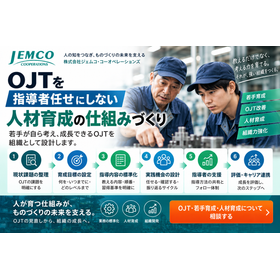
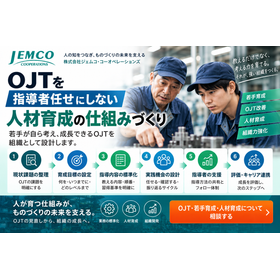
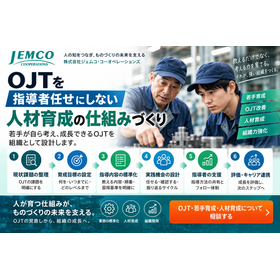
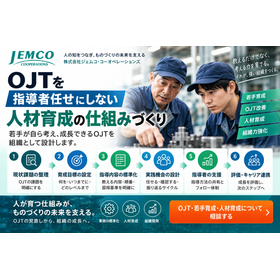
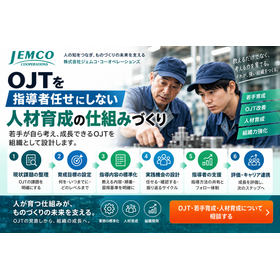
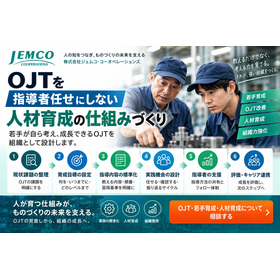
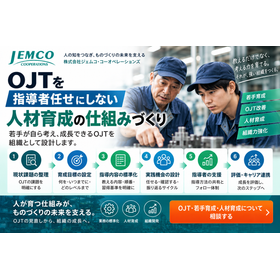
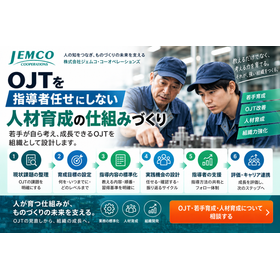
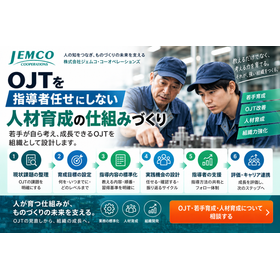
In support facilities for people with disabilities, there is a demand for a systematic and effective training system for young talent that does not depend on the quality and experience of the instructors. Issues such as variations in support content depending on the instructor and the heavy burden on instructors can lead to a decline in the quality of support. Establishing a training system that allows young individuals to think for themselves and grow is essential for improving the overall support capabilities of the organization. Our service supports the resolution of these training challenges. 【Usage Scenarios】 - Moving away from instructor-dependent on-the-job training (OJT) - Eliminating variations in training content provided by instructors - Reducing the burden on instructors - Developing talent that can think and act independently 【Effects of Implementation】 - Increased achievement rate of training goals - Standardization and homogenization of instructional skills - Reduced training burden on instructors - Early empowerment of young talent and improved retention rates
Added to bookmarks
Bookmarks listBookmark has been removed
Bookmarks listYou can't add any more bookmarks
By registering as a member, you can increase the number of bookmarks you can save and organize them with labels.
Free membership registration
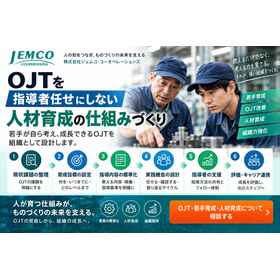
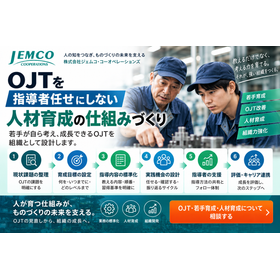
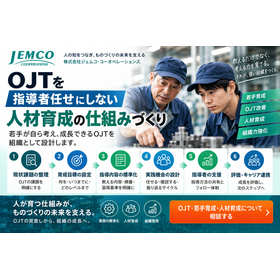
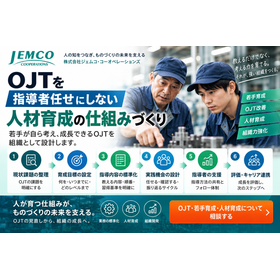
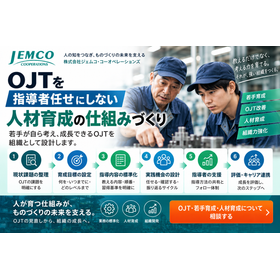
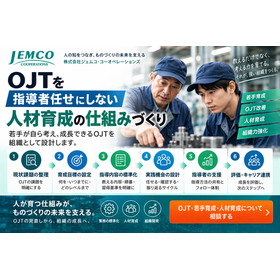
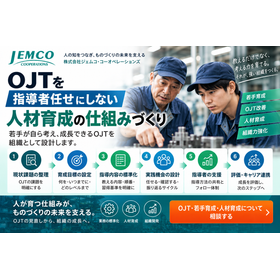
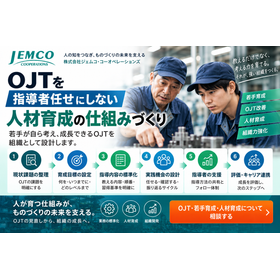
In the home nursing industry, there is a demand for a systematic and effective development of young talent that does not rely on the experience and skills of the instructors. Variability in the training content provided by different instructors and the increased burden on instructors can lead to a decline in the quality of development. Establishing a training system that allows young professionals to think for themselves and grow is essential for improving the quality of home nursing services. Our service supports the resolution of these talent development challenges. 【Usage Scenarios】 - Moving away from instructor-dependent on-the-job training (OJT) - Eliminating variability in training content provided by instructors - Reducing the burden on instructors - Developing talent that can think and act independently 【Effects of Implementation】 - Increased achievement rate of development goals - Standardization and homogenization of instructional skills - Reduced training burden on instructors - Early empowerment of young professionals and improved retention rates
Added to bookmarks
Bookmarks listBookmark has been removed
Bookmarks listYou can't add any more bookmarks
By registering as a member, you can increase the number of bookmarks you can save and organize them with labels.
Free membership registration
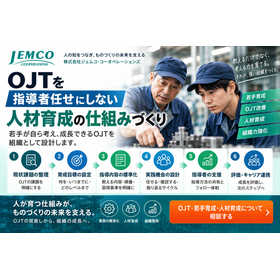
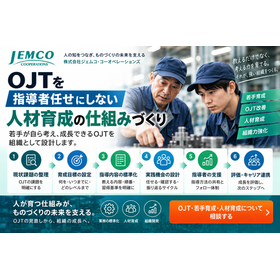
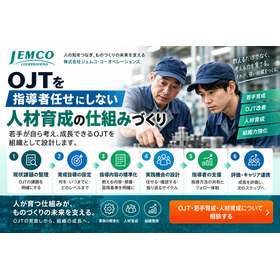
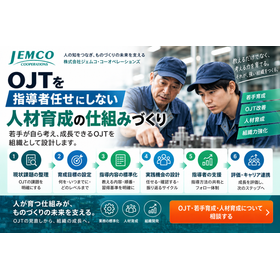
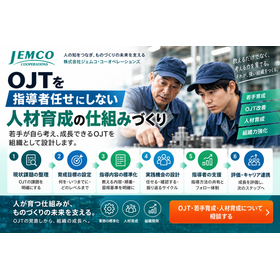
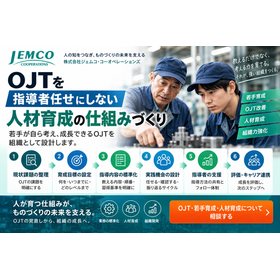
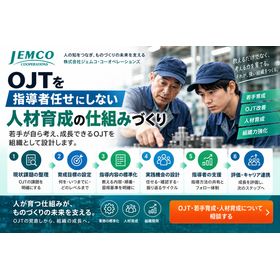
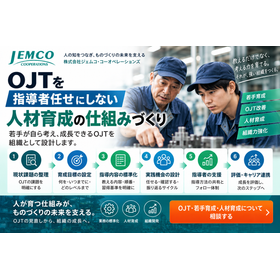
In the pharmacy industry, there is a demand for a systematic and effective training system for young talent that does not rely on the quality or experience of the instructors. Issues such as variations in the content taught by different instructors and the heavy burden placed on them can lead to a decline in the quality of training. Establishing a training system that allows young professionals to think for themselves and grow is essential for improving the overall capabilities of the organization. Our service supports the resolution of these training challenges. 【Usage Scenarios】 - Moving away from instructor-dependent on-the-job training (OJT) - Eliminating variations in training content provided by instructors - Reducing the burden on instructors - Developing talent that can think and act independently 【Benefits of Implementation】 - Increased achievement rate of training goals - Standardization and homogenization of teaching skills - Reduced training load on instructors - Early development of young talent and improved retention rates
Added to bookmarks
Bookmarks listBookmark has been removed
Bookmarks listYou can't add any more bookmarks
By registering as a member, you can increase the number of bookmarks you can save and organize them with labels.
Free membership registration
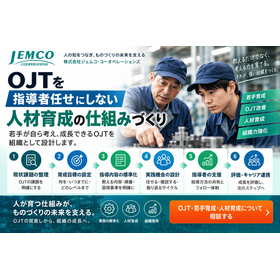
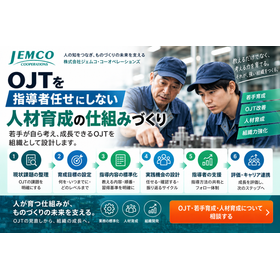
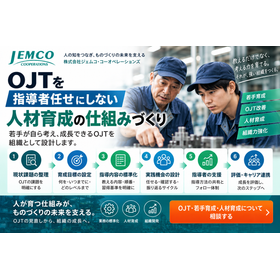
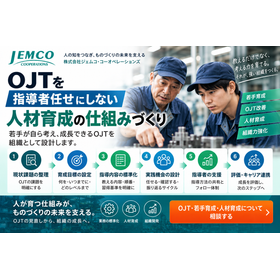
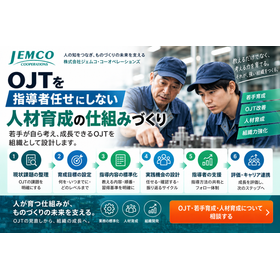
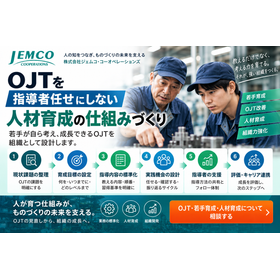
In the clinic industry, there is a demand for a systematic and effective training system for young talent that does not rely on the quality and experience of the instructors. Issues such as variations in training content depending on the instructor and the heavy burden on instructors can lead to a decline in the quality of patient care. Building a training system that allows young professionals to think for themselves and grow is essential for improving the overall service of the clinic. Our service supports the resolution of these training challenges. 【Usage Scenarios】 - Moving away from instructor-dependent on-the-job training (OJT) - Eliminating variations in training content provided by instructors - Reducing the burden on instructors - Developing talent that can think and act independently 【Benefits of Implementation】 - Increased achievement rate of training goals - Standardization and homogenization of teaching skills - Reduced training burden on instructors - Early empowerment of young professionals and improved retention rates
Added to bookmarks
Bookmarks listBookmark has been removed
Bookmarks listYou can't add any more bookmarks
By registering as a member, you can increase the number of bookmarks you can save and organize them with labels.
Free membership registration
In care facilities, there is a demand for a systematic and effective development of young talent that does not rely on the quality and experience of instructors. Issues such as variations in the content taught by different instructors and the heavy burden on instructors can lead to a decline in the quality of development. Establishing a system that allows young individuals to think for themselves and grow is essential for improving the overall capabilities of the organization. Our service supports the resolution of these talent development challenges. 【Usage Scenarios】 - Moving away from instructor-dependent on-the-job training (OJT) - Eliminating variations in training content provided by instructors - Reducing the burden on instructors - Developing talent that can think and act independently 【Effects of Implementation】 - Increased achievement rate of development goals - Standardization and homogenization of instructional skills - Reduced training burden on instructors - Early empowerment of young talent and improved retention rates
Added to bookmarks
Bookmarks listBookmark has been removed
Bookmarks listYou can't add any more bookmarks
By registering as a member, you can increase the number of bookmarks you can save and organize them with labels.
Free membership registration
In hospitals, there is a demand for a systematic and effective development of young talent that does not depend on the quality and experience of the instructors. Issues such as variations in the content taught by different instructors and the heavy burden placed on them can lead to a decline in the quality of training. Establishing a system that allows young professionals to think for themselves and grow is essential for improving the overall capabilities of the organization. Our service supports the resolution of these talent development challenges. 【Utilization Scenarios】 - Moving away from instructor-dependent on-the-job training (OJT) - Eliminating variations in training content provided by instructors - Reducing the burden on instructors - Developing talent that can think and act independently 【Effects of Implementation】 - Increased achievement rates of training goals - Standardization and homogenization of teaching skills - Reduced training burden on instructors - Early empowerment of young professionals and improved retention rates
Added to bookmarks
Bookmarks listBookmark has been removed
Bookmarks listYou can't add any more bookmarks
By registering as a member, you can increase the number of bookmarks you can save and organize them with labels.
Free membership registration
In educational institutions, there is a demand for a systematic and effective development of young talent that does not depend on the quality and experience of the instructors. Issues such as variations in the content taught by different instructors and the heavy burden placed on them can lead to a decline in the quality of development. Establishing a system that allows young individuals to think for themselves and grow is essential for improving the overall capabilities of the organization. Our service supports the resolution of these talent development challenges. 【Usage Scenarios】 - Moving away from instructor-dependent on-the-job training (OJT) - Eliminating variations in development content provided by instructors - Reducing the burden on instructors - Developing talent that can think and act independently 【Effects of Implementation】 - Increased achievement rates for development goals - Standardization and homogenization of instructional skills - Reduced developmental burden on instructors - Early empowerment of young talent and improved retention rates
Added to bookmarks
Bookmarks listBookmark has been removed
Bookmarks listYou can't add any more bookmarks
By registering as a member, you can increase the number of bookmarks you can save and organize them with labels.
Free membership registration
In the entertainment industry, there is a demand for a systematic and effective development of young talent that does not rely on the quality or experience of leaders. Issues such as variations in the content taught by different leaders and the heavy burden on leaders can lead to a decline in the quality of development. Establishing a system that allows young people to think for themselves and grow is essential for improving the overall capabilities of the organization. Our service supports the resolution of these talent development challenges. 【Utilization Scenarios】 - Moving away from leader-dependent on-the-job training (OJT) - Eliminating variations in development content provided by leaders - Reducing the burden on leaders - Developing talent that can think and act independently 【Effects of Implementation】 - Increased achievement rates of development goals - Standardization and homogenization of teaching skills - Reduced development burden on leaders - Early empowerment of young talent and improved retention rates
Added to bookmarks
Bookmarks listBookmark has been removed
Bookmarks listYou can't add any more bookmarks
By registering as a member, you can increase the number of bookmarks you can save and organize them with labels.
Free membership registration
In the real estate industry, there is a demand for the early empowerment of young talent through the acquisition of property knowledge and customer service skills. Relying on on-the-job training (OJT) that depends on the experience and knowledge of instructors can lead to inconsistencies in the content taught and increase the burden on instructors. Establishing a training system that allows young employees to think for themselves, deepen their property knowledge, and grow is essential for improving the overall service quality of the organization. Our service supports the resolution of these human resource development challenges. 【Usage Scenarios】 - Moving away from instructor-dependent OJT - Eliminating inconsistencies in training content provided by instructors - Reducing the burden on instructors - Developing young talent who can think and act independently 【Effects of Implementation】 - Increased achievement rate of training goals - Standardization and homogenization of teaching skills - Reduced training burden on instructors - Early empowerment of young talent and improved retention rates
Added to bookmarks
Bookmarks listBookmark has been removed
Bookmarks listYou can't add any more bookmarks
By registering as a member, you can increase the number of bookmarks you can save and organize them with labels.
Free membership registration
In the transportation and logistics industry, there is a demand for systematic and effective training of young talent that does not rely on experienced instructors, while ensuring thorough safe driving practices. Issues such as variations in driving skills and safety check procedures among instructors, as well as the heavy burden placed on them, can lead to a decline in the quality of training. Establishing a training system that allows young employees to think for themselves, enhance their awareness of safe driving, and grow is essential for accident prevention and overall organizational capability improvement. Our service supports the resolution of these training challenges. 【Usage Scenarios】 - Moving away from instructor-dependent on-the-job training (OJT) - Eliminating variations in training content provided by instructors - Reducing the burden on instructors - Developing young talent who can think and act independently 【Benefits of Implementation】 - Increased achievement rate of training goals - Standardization and homogenization of instructional skills - Reduced training burden on instructors - Early development of young employees into valuable assets and improved retention rates
Added to bookmarks
Bookmarks listBookmark has been removed
Bookmarks listYou can't add any more bookmarks
By registering as a member, you can increase the number of bookmarks you can save and organize them with labels.
Free membership registration
In the consulting industry, there is a demand for a systematic and effective development of young talent that does not rely on the quality or experience of the leaders. Issues such as variations in the content taught by different leaders and the heavy burden placed on leaders can lead to a decline in the quality of development. Establishing a system that allows young talent to think for themselves and grow is essential for improving the overall capabilities of the organization. Our service supports the resolution of these talent development challenges. 【Usage Scenarios】 - Moving away from OJT that relies solely on leaders - Eliminating variations in development content provided by leaders - Reducing the burden on leaders - Developing talent that can think and act independently 【Effects of Implementation】 - Increased achievement rates of development goals - Standardization and homogenization of teaching skills - Reduced developmental burden on leaders - Early empowerment of young talent and improved retention rates
Added to bookmarks
Bookmarks listBookmark has been removed
Bookmarks listYou can't add any more bookmarks
By registering as a member, you can increase the number of bookmarks you can save and organize them with labels.
Free membership registration
In the advertising and marketing industry, there is a demand for a systematic and effective training program for young talent that does not rely on the quality or experience of the leaders. Issues such as varying content taught by different leaders and the heavy burden placed on leaders can lead to a decline in the quality of training. Establishing a training system that allows young talent to think for themselves and grow is essential for improving the overall capabilities of the organization. Our service supports the resolution of these training challenges. 【Usage Scenarios】 - Moving away from leader-dependent on-the-job training (OJT) - Eliminating variations in training content provided by leaders - Reducing the burden on leaders - Developing young talent who can think and act independently 【Benefits of Implementation】 - Increased achievement rates of training goals - Standardization and homogenization of teaching skills - Reduced training burden on leaders - Early development of young talent into valuable assets and improved retention rates
Added to bookmarks
Bookmarks listBookmark has been removed
Bookmarks listYou can't add any more bookmarks
By registering as a member, you can increase the number of bookmarks you can save and organize them with labels.
Free membership registration
In the financial industry, where compliance adherence and advanced expertise are required, it is essential to establish a systematic and effective training system for young talent that does not rely on the quality and experience of leaders. Issues such as variations in the content taught by different leaders and the heavy burden placed on them can lower the quality of training and potentially lead to compliance risks. Building a training framework that allows young employees to think for themselves and grow is crucial for enhancing the overall capabilities of the organization and strengthening risk management. Our service supports the resolution of these talent development challenges. 【Usage Scenarios】 - Moving away from leader-dependent on-the-job training (OJT) - Eliminating variations in training content provided by leaders - Reducing the burden on leaders - Developing talent that can think and act independently 【Benefits of Implementation】 - Increased achievement rate of training goals - Standardization and homogenization of teaching skills - Reduced training burden on leaders - Early empowerment of young talent and improved retention rates
Added to bookmarks
Bookmarks listBookmark has been removed
Bookmarks listYou can't add any more bookmarks
By registering as a member, you can increase the number of bookmarks you can save and organize them with labels.
Free membership registration
In the medical and welfare industry, there is a demand for a systematic and effective development of young talent that does not depend on the quality and experience of leaders. Issues such as variations in the content taught by different leaders and the heavy burden on leaders can lead to a decline in the quality of development. Establishing a system that allows young individuals to think for themselves and grow is essential for improving the overall capabilities of the organization. Our service supports the resolution of these talent development challenges. 【Usage Scenarios】 - Moving away from leader-dependent on-the-job training (OJT) - Eliminating variations in training content provided by leaders - Reducing the burden on leaders - Developing talent that can think and act independently 【Effects of Implementation】 - Increased achievement rate of development goals - Standardization and homogenization of teaching skills - Reduced developmental burden on leaders - Early empowerment of young talent and improved retention rates
Added to bookmarks
Bookmarks listBookmark has been removed
Bookmarks listYou can't add any more bookmarks
By registering as a member, you can increase the number of bookmarks you can save and organize them with labels.
Free membership registration
In the food service industry, there is a demand for a systematic and effective training system for young talent that does not rely on the experience and skills of instructors in the inheritance of cooking techniques. Issues such as variations in what is taught by different instructors and the heavy burden placed on instructors can lead to a decline in the quality of training. Establishing a training system that allows young talent to think for themselves and acquire and improve cooking techniques is essential for enhancing the overall service level of the establishment. Our service supports the resolution of these human resource development challenges. 【Usage Scenarios】 - Moving away from instructor-dependent on-the-job training for cooking techniques - Eliminating variations in training content provided by instructors - Reducing the burden on instructors - Developing talent that can think for themselves and acquire and improve cooking techniques 【Effects of Implementation】 - Increased achievement rates for cooking technique acquisition goals - Standardization and homogenization of teaching skills - Reduced training burden on instructors - Early empowerment of young talent and improved retention rates
Added to bookmarks
Bookmarks listBookmark has been removed
Bookmarks listYou can't add any more bookmarks
By registering as a member, you can increase the number of bookmarks you can save and organize them with labels.
Free membership registration
In the retail industry, there is a demand for a systematic and effective development of young talent that does not rely on the quality or experience of leaders. Issues such as variations in the content taught by different leaders and the heavy burden placed on leaders can lead to a decline in the quality of development. Establishing a framework that allows young employees to think for themselves and grow is essential for improving the overall capabilities of the organization. Our service supports the resolution of these talent development challenges. 【Usage Scenarios】 - Moving away from OJT that relies on leaders - Eliminating variations in development content provided by leaders - Reducing the burden on leaders - Developing talent that can think and act independently 【Effects of Implementation】 - Increased achievement rate of development goals - Standardization and homogenization of coaching skills - Reduced developmental burden on leaders - Early empowerment of young employees and improved retention rates
Added to bookmarks
Bookmarks listBookmark has been removed
Bookmarks listYou can't add any more bookmarks
By registering as a member, you can increase the number of bookmarks you can save and organize them with labels.
Free membership registration
In the manufacturing industry, maintaining and improving quality control requires the transmission of know-how from skilled workers on the ground and the early development of young talent into effective contributors. On-the-job training (OJT) that relies on the experience and skills of instructors can lead to inconsistencies in training content and increase the burden on instructors, which can hinder the stabilization and improvement of quality. Establishing a training system that enables young employees to think for themselves, understand the importance of quality control, and put it into practice is essential for enhancing the overall quality level of the organization. Our service supports the resolution of these human resource development challenges. 【Usage Scenarios】 - Moving away from instructor-dependent OJT - Eliminating variations in training content provided by instructors - Reducing the burden on instructors - Developing talent that can think and act independently 【Benefits of Implementation】 - Improved achievement rates of training goals - Standardization and homogenization of instructional skills - Reduced training load on instructors - Early development of young talent and improved retention rates
Added to bookmarks
Bookmarks listBookmark has been removed
Bookmarks listYou can't add any more bookmarks
By registering as a member, you can increase the number of bookmarks you can save and organize them with labels.
Free membership registration
In the IT and software development industry, there is a demand for a systematic and effective training system for young talent that does not rely on the experience and skills of individual leaders. Issues such as differing code review standards among leaders and the heavy burden placed on them can lead to a decline in the quality of training. Establishing a training system that allows young talent to think for themselves and grow is essential for improving the overall development capabilities of the organization. Our service supports the resolution of these training challenges. 【Usage Scenarios】 - Moving away from leader-dependent on-the-job training (OJT) - Eliminating variations in training content provided by leaders - Reducing the burden on leaders - Developing talent that can think and act independently 【Benefits of Implementation】 - Increased achievement rates of training goals - Standardization and homogenization of coaching skills - Reduced training burden on leaders - Early empowerment of young talent and improved retention rates
Added to bookmarks
Bookmarks listBookmark has been removed
Bookmarks listYou can't add any more bookmarks
By registering as a member, you can increase the number of bookmarks you can save and organize them with labels.
Free membership registration
In the frozen and refrigerated industry, strict temperature management and the early empowerment of inexperienced drivers are required. In particular, the driving skills and safety awareness developed through daily operations tend to rely on the experience and knowledge of individual instructors, leading to variations in what is taught and increasing the burden on instructors. Additionally, to cultivate the ability of young drivers to think for themselves and make judgments that lead to safe driving, systematic training is necessary. Our service supports the resolution of such human resource development challenges and establishes a framework for organizations to continuously nurture young talent. 【Usage Scenarios】 - Initial training for new drivers - Transfer of skills and know-how from veteran drivers - Improvement of safety driving awareness - Reduction of the training burden on instructors 【Benefits of Implementation】 - Standardization and enhancement of safe driving skills - Early empowerment of young drivers - Uniformity in the quality of instruction among instructors - Improved sustainability of the training system
Added to bookmarks
Bookmarks listBookmark has been removed
Bookmarks listYou can't add any more bookmarks
By registering as a member, you can increase the number of bookmarks you can save and organize them with labels.
Free membership registration
In the EC logistics industry, maintaining and improving picking accuracy is essential. In particular, the early empowerment of less experienced staff directly impacts operational efficiency and customer satisfaction. The skills and judgment required for daily picking tasks tend to rely heavily on the experience and knowledge of individual trainers, leading to variability in training content and increased burdens on trainers. Additionally, to cultivate young staff who can think independently and develop the judgment necessary for accurate picking, systematic training is required. Our service supports the resolution of such human resource development challenges and establishes a framework for organizations to continuously nurture young talent. 【Use Cases】 - Initial training for new staff - Knowledge transfer from experienced personnel - Raising awareness regarding improvements in picking accuracy - Reducing the training burden on trainers 【Benefits of Implementation】 - Standardization and enhancement of picking skills - Early empowerment of young staff - Uniformity in training quality among trainers - Improved sustainability of the training system
Added to bookmarks
Bookmarks listBookmark has been removed
Bookmarks listYou can't add any more bookmarks
By registering as a member, you can increase the number of bookmarks you can save and organize them with labels.
Free membership registration
In the delivery industry, there is a demand for thorough safe driving practices and the early development of inexperienced drivers into effective team members. In particular, the driving skills and safety awareness cultivated through daily operations tend to rely heavily on the individual experiences and knowledge of each instructor, leading to variations in what is taught and increasing the burden on instructors. Additionally, to foster young drivers' ability to think for themselves and develop the judgment necessary for safe driving, a systematic training approach is required. Our service supports the resolution of these human resource development challenges and establishes a framework for organizations to continuously nurture young talent. 【Usage Scenarios】 - Initial training for new drivers - Transfer of skills and know-how from veteran drivers - Raising awareness regarding safe driving - Reducing the training burden on instructors 【Benefits of Implementation】 - Standardization and improvement of safe driving skills - Early development of young drivers into effective team members - Consistency in the quality of instruction among instructors - Enhanced sustainability of the training system
Added to bookmarks
Bookmarks listBookmark has been removed
Bookmarks listYou can't add any more bookmarks
By registering as a member, you can increase the number of bookmarks you can save and organize them with labels.
Free membership registration
In the bus and tourism industry, there is a demand for thorough safe driving practices and the early empowerment of inexperienced drivers. In particular, the driving skills and safety awareness cultivated through daily operations tend to rely heavily on the experience and knowledge of individual instructors, leading to variability in the content taught by different instructors and increasing the burden on them. Additionally, to foster young drivers' ability to think for themselves and develop the judgment necessary for safe driving, a systematic training approach is required. Our service supports the resolution of these human resource development challenges and establishes a framework for organizations to continuously nurture young talent. 【Usage Scenarios】 - Initial training for new drivers - Transfer of skills and know-how from veteran drivers - Raising awareness regarding safe driving - Reducing the training burden on instructors 【Effects of Implementation】 - Standardization and improvement of safe driving skills - Early empowerment of young drivers - Uniformity in the quality of instruction among instructors - Enhanced sustainability of the training system
Added to bookmarks
Bookmarks listBookmark has been removed
Bookmarks listYou can't add any more bookmarks
By registering as a member, you can increase the number of bookmarks you can save and organize them with labels.
Free membership registration
In the taxi and hire industry, high-quality customer service and the early development of inexperienced drivers into effective team members are essential. In particular, the customer service skills and safety awareness cultivated through daily operations tend to rely heavily on the experience and knowledge of individual trainers, leading to inconsistencies in what is taught and increasing the burden on trainers. Additionally, to foster the judgment skills necessary for young drivers to think for themselves and provide satisfactory service to customers, a systematic training approach is required. Our service supports the resolution of these human resource development challenges and establishes a framework for organizations to continuously nurture young talent. 【Usage Scenarios】 - Initial training for new drivers - Transfer of customer service know-how from veteran drivers - Raising awareness regarding customer satisfaction improvement - Reducing the training burden on instructors 【Benefits of Implementation】 - Standardization and enhancement of customer service skills - Early development of young drivers into effective team members - Uniformity in the quality of training among instructors - Improved sustainability of the training system
Added to bookmarks
Bookmarks listBookmark has been removed
Bookmarks listYou can't add any more bookmarks
By registering as a member, you can increase the number of bookmarks you can save and organize them with labels.
Free membership registration
In the moving industry, skills to safely and carefully transport customers' valuable belongings, as well as prompt work, are required. In particular, it is directly linked to improving customer satisfaction when inexperienced drivers and workers quickly acquire practical skills, including appropriate responses to customers. However, the techniques and know-how cultivated in daily operations tend to depend on the experiences of individual instructors, leading to variations in training content and increasing the burden on instructors. Additionally, to foster the ability of young staff to think independently and make optimal decisions based on customer situations, systematic development is necessary. Our service supports the resolution of such human resource development challenges and establishes a framework for continuously nurturing young talent within the organization. 【Usage Scenarios】 - Initial training for new staff - Transmission of skills and know-how from veteran staff - Improvement of customer response skills - Reduction of the burden on instructors 【Effects of Implementation】 - Standardization and enhancement of customer response skills - Early empowerment of young staff - Uniformity in the quality of instruction among instructors - Improved sustainability of the development system
Added to bookmarks
Bookmarks listBookmark has been removed
Bookmarks listYou can't add any more bookmarks
By registering as a member, you can increase the number of bookmarks you can save and organize them with labels.
Free membership registration
In the 3PL industry, there is a demand for the development of personnel capable of handling diverse tasks and for the early empowerment of inexperienced drivers. In particular, the driving skills and safety awareness cultivated through daily operations tend to depend on the individual instructor's experience and knowledge, leading to variations in what is taught by different instructors and increasing the burden on them. Additionally, to foster young drivers' ability to think for themselves and develop judgment skills that lead to safe driving, a systematic training approach is necessary. Our service supports the resolution of these personnel development challenges and establishes a framework for organizations to continuously nurture young talent. 【Usage Scenarios】 - Initial training for new drivers - Transfer of skills and know-how from veteran drivers - Raising awareness regarding safe driving - Reducing the burden of instructor training 【Benefits of Implementation】 - Standardization and improvement of safe driving skills - Early empowerment of young drivers - Uniformity in the quality of instruction among instructors - Enhanced sustainability of the training system
Added to bookmarks
Bookmarks listBookmark has been removed
Bookmarks listYou can't add any more bookmarks
By registering as a member, you can increase the number of bookmarks you can save and organize them with labels.
Free membership registration
In the consulting industry, there is a demand for the development of personnel with advanced problem-solving skills and expertise. It is particularly important for young employees not only to rely on the guidance of experienced senior staff but also to acquire the ability to identify challenges and devise solutions on their own, which contributes to the overall improvement of service quality within the organization. Relying solely on on-the-job training (OJT) from mentors can lead to issues such as variability in development and increased burden on mentors, making it difficult to establish a continuous talent development system. Our service addresses these challenges and creates a framework for proactive growth among young employees throughout the organization. 【Usage Scenarios】 - Early empowerment of young employees - Standardization of development quality among mentors - Reduction of mentor burden - Improvement of problem-solving capabilities across the organization 【Effects of Implementation】 - Development of young employees' ability to think and act independently - Standardization and efficiency of the development process - Enhancement of mentors' development skills - Overall improvement in organizational productivity
Added to bookmarks
Bookmarks listBookmark has been removed
Bookmarks listYou can't add any more bookmarks
By registering as a member, you can increase the number of bookmarks you can save and organize them with labels.
Free membership registration
In the education industry, there is a demand for a systematic and effective development of young talent that does not rely on the quality or experience of the instructors. Issues such as variations in the content taught by different instructors and the heavy burden placed on them can lead to a decline in the quality of development. Establishing a system that allows young individuals to think for themselves and grow is essential for improving the overall capabilities of the organization. Our service supports the resolution of these talent development challenges. 【Usage Scenarios】 - Moving away from instructor-dependent on-the-job training (OJT) - Eliminating variations in development content provided by instructors - Reducing the burden on instructors - Developing talent that can think and act independently 【Benefits of Implementation】 - Increased achievement rate of development goals - Standardization and homogenization of instructional skills - Reduced development burden on instructors - Early empowerment of young talent and improved retention rates
Added to bookmarks
Bookmarks listBookmark has been removed
Bookmarks listYou can't add any more bookmarks
By registering as a member, you can increase the number of bookmarks you can save and organize them with labels.
Free membership registration
In the transportation and logistics industry, there is a demand for thorough safe driving practices and the early development of inexperienced drivers into effective team members. In particular, the driving skills and safety awareness cultivated through daily operations tend to rely heavily on the individual experience and knowledge of each instructor, leading to variations in the content taught by different instructors and increasing the burden on them. Additionally, to foster young drivers' ability to think independently and develop judgment skills that lead to safe driving, a systematic training approach is necessary. Our service supports the resolution of these human resource development challenges and establishes a framework for organizations to continuously nurture young talent. 【Usage Scenarios】 - Initial training for new drivers - Transfer of skills and know-how from veteran drivers - Raising awareness regarding safe driving - Reducing the training burden on instructors 【Benefits of Implementation】 - Standardization and improvement of safe driving skills - Early development of young drivers into effective team members - Uniformity in the quality of instruction among instructors - Enhanced sustainability of the training system
Added to bookmarks
Bookmarks listBookmark has been removed
Bookmarks listYou can't add any more bookmarks
By registering as a member, you can increase the number of bookmarks you can save and organize them with labels.
Free membership registration
In the medical and welfare industry, acquiring advanced specialized knowledge and skills is essential for providing high-quality care to patients. Particularly in rapidly changing medical technologies and complex welfare services, variations in the content taught by instructors and the increased burden on instructors can pose challenges in the development of young talent. These challenges may affect the uniformity and continuity of services. Our service is designed to establish a system for continuous talent development within the organization, supporting the creation of a training framework that allows young professionals to think for themselves and grow. 【Usage Scenarios】 - Specialized knowledge and skill training for new staff - Skill enhancement for less experienced staff - Reducing the burden on instructors and standardizing training - Improving the overall service quality of the team 【Benefits of Implementation】 - Early empowerment of young staff - Stabilization of service quality through the standardization of training content - Reduced training burden on instructors - Overall enhancement of organizational expertise
Added to bookmarks
Bookmarks listBookmark has been removed
Bookmarks listYou can't add any more bookmarks
By registering as a member, you can increase the number of bookmarks you can save and organize them with labels.
Free membership registration
In the construction industry, ensuring safety on-site and developing young talent are important challenges. In particular, safety education requires a systematic approach that accurately conveys the know-how of experienced instructors, allowing young employees to understand and practice proactively. Relying solely on on-the-job training (OJT) can lead to variations in educational content, increased burdens on instructors, and lost opportunities for the growth of young employees. Our service supports the resolution of these challenges in safety education at construction sites and establishes a framework for continuous talent development within organizations. 【Usage Scenarios】 - Safety education for new and young employees - Skill enhancement for on-site workers - Reducing the burden of instructor development - Improving safety awareness - Accident prevention 【Effects of Implementation】 - Development of young employees who can think and act independently - Standardization of instructional content leading to uniform educational quality - Reduction of instructor burden and improvement of training efficiency - Enhancement of overall organizational safety levels - Establishment of a continuous talent development cycle
Added to bookmarks
Bookmarks listBookmark has been removed
Bookmarks listYou can't add any more bookmarks
By registering as a member, you can increase the number of bookmarks you can save and organize them with labels.
Free membership registration
In the retail industry, courteous customer service and accurate proposals based on product knowledge are essential for improving customer satisfaction. Particularly in the process of new employees and young staff acquiring customer service skills, there may be variations in the content taught by trainers, leading to increased burdens on the trainers. These challenges can hinder the provision of consistent service. Our service supports the resolution of these issues by moving away from trainer-dependent on-the-job training (OJT) and establishing a development system where young employees can think for themselves and grow. 【Usage Scenarios】 - Customer service training for new employees - Skill enhancement for young staff - Standardization of service levels across stores - Reduction of trainer burden 【Effects of Implementation】 - Standardization and improvement of customer service skills - Increased customer satisfaction - Promotion of autonomous growth for young employees - Streamlining of store operations
Added to bookmarks
Bookmarks listBookmark has been removed
Bookmarks listYou can't add any more bookmarks
By registering as a member, you can increase the number of bookmarks you can save and organize them with labels.
Free membership registration
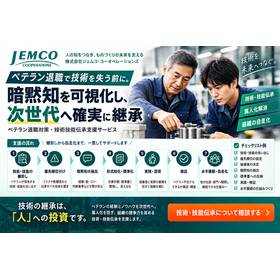
In the medical and welfare industry, the "tacit knowledge" possessed by experienced professionals, which is essential for accurately understanding patients' conditions and providing appropriate treatments and care, plays a crucial role in chart analysis and daily operations. In particular, the "tacit knowledge" held by veteran healthcare workers—such as learning from past cases, noticing subtle changes in patients, and having judgment criteria in complex situations—is difficult to formalize and poses a high risk of being lost due to retirement or transfers. If these skills and know-how are not passed on, it could lead to decreased analysis accuracy, variability in care quality, and delays in training new staff, ultimately affecting the services provided to patients. Our service offers comprehensive support to visualize the valuable skills and techniques of veteran healthcare professionals and ensure their reliable transfer to the next generation. 【Usage Scenarios】 - Reducing the risk of skill loss due to the retirement or transfer of veteran healthcare workers - Promoting understanding of complex chart information and developing successors - Formalizing diagnostic criteria and care processes - Building an analysis and care system that does not rely on individual skills
Added to bookmarks
Bookmarks listBookmark has been removed
Bookmarks listYou can't add any more bookmarks
By registering as a member, you can increase the number of bookmarks you can save and organize them with labels.
Free membership registration
In the power industry, the "tacit knowledge" possessed by veteran engineers with years of experience, such as on-site judgment criteria and troubleshooting know-how, supports the quality and efficiency of equipment maintenance operations. This valuable technology and skill are difficult to formalize, and there is always a risk of loss due to retirement or transfers. If the formalization of maintenance inspection records is insufficient, successors may not be able to accurately grasp the on-site situation, potentially leading to delays in response and an increase in mistakes. Our service visualizes the maintenance-related technology and skills of veteran engineers and provides support to ensure their reliable inheritance to the next generation. 【Usage Scenarios】 - Reducing the risk of loss of technology due to the retirement or transfer of veteran maintenance personnel - Standardization of maintenance inspection records and development of successors - Clarification of on-site judgment criteria and reasons - Building a maintenance system that does not rely on individual skills 【Effects of Implementation】 - Maintenance of and improvement in business quality through stable inheritance of maintenance inspection records - Shortening the successor development period and early strengthening of capabilities - Skill enhancement and productivity improvement for the entire maintenance team - Organizational strengthening of technical capabilities and sustainable infrastructure operations
Added to bookmarks
Bookmarks listBookmark has been removed
Bookmarks listYou can't add any more bookmarks
By registering as a member, you can increase the number of bookmarks you can save and organize them with labels.
Free membership registration
In the gas industry, the "tacit knowledge" possessed by veteran technicians with many years of experience, including on-site judgment criteria and troubleshooting know-how, supports the quality and efficiency of piping inspection operations. This valuable technology and skill are difficult to formalize, and there is always a risk of losing them due to retirement or transfers. If the formalization of maintenance inspection records is insufficient, successors may not be able to accurately grasp the on-site situation, potentially leading to delays in response and an increase in mistakes. Our service visualizes the technologies and skills related to piping inspection held by veteran technicians and provides support to ensure their reliable inheritance to the next generation. 【Usage Scenarios】 - Reducing the risk of loss of technology due to the retirement or transfer of veteran maintenance personnel - Standardizing maintenance inspection records and developing successors - Clarifying judgment criteria and reasons on-site - Building a maintenance system that does not rely on individual skills 【Benefits of Implementation】 - Maintaining and improving business quality through stable inheritance of maintenance inspection records - Shortening the successor development period and enabling early contribution - Skill enhancement and productivity improvement for the entire maintenance team - Strengthening organizational technical capabilities and ensuring sustainable infrastructure operations
Added to bookmarks
Bookmarks listBookmark has been removed
Bookmarks listYou can't add any more bookmarks
By registering as a member, you can increase the number of bookmarks you can save and organize them with labels.
Free membership registration
In the water supply industry, particularly in water purification management, the "tacit knowledge" possessed by veteran technicians, such as on-site judgment criteria and troubleshooting know-how gained from years of experience, supports the quality and efficiency of maintenance and inspection operations. This valuable technology and skill are difficult to formalize, and there is always a risk of loss due to retirement or transfers. If the formalization of maintenance and inspection records is insufficient, successors may not be able to accurately grasp the on-site situation, potentially leading to delays in response and an increase in mistakes. Our service visualizes the technology and skills related to water purification management held by veteran technicians and provides support to ensure their reliable inheritance to the next generation. 【Usage Scenarios】 - Reducing the risk of loss of technology due to the retirement or transfer of veteran maintenance personnel - Standardizing maintenance and inspection records and developing successors - Clarifying on-site judgment criteria and reasons - Building a maintenance system that does not rely on individual skills 【Benefits of Implementation】 - Maintaining and improving business quality through stable inheritance of maintenance and inspection records - Shortening the successor development period and enabling early contribution - Skill enhancement and productivity improvement for the entire maintenance team - Raising the overall organizational technical capability and ensuring sustainable infrastructure operation
Added to bookmarks
Bookmarks listBookmark has been removed
Bookmarks listYou can't add any more bookmarks
By registering as a member, you can increase the number of bookmarks you can save and organize them with labels.
Free membership registration
In the road infrastructure industry, particularly in bridge inspections, the "tacit knowledge" possessed by veteran engineers with years of experience—such as on-site judgment criteria and the ability to identify anomalies—supports the quality and efficiency of inspection work. This valuable technology and skill are difficult to formalize, and there is always a risk of loss due to retirement or transfers. If the formalization of inspection records is insufficient, successors may not be able to accurately grasp the on-site situation, potentially leading to delays in response and an increase in mistakes. Our service visualizes the technology and skills related to bridge inspections held by veteran engineers and provides support to ensure their reliable transfer to the next generation. 【Usage Scenarios】 - Reducing the risk of loss of technology due to the retirement or transfer of veteran maintenance personnel - Standardizing bridge inspection records and developing successors - Clarifying judgment criteria and reasons on-site - Building a maintenance system that does not rely on individual skills 【Effects of Implementation】 - Maintaining and improving business quality through stable inheritance of inspection records - Shortening the successor development period and enabling early effectiveness - Skill enhancement and productivity improvement for the entire maintenance team - Strengthening organizational technical capabilities and ensuring sustainable infrastructure operations
Added to bookmarks
Bookmarks listBookmark has been removed
Bookmarks listYou can't add any more bookmarks
By registering as a member, you can increase the number of bookmarks you can save and organize them with labels.
Free membership registration
In the telecommunications industry's base station maintenance, the "tacit knowledge" possessed by veteran engineers with many years of experience, such as on-site judgment criteria and troubleshooting know-how, supports the quality and efficiency of maintenance inspection operations. This valuable technology and skill are difficult to formalize, and there is always a risk of loss due to retirement or transfers. If the formalization of maintenance inspection records is insufficient, successors may not be able to accurately grasp the on-site situation, potentially leading to delays in response and an increase in mistakes. Our service visualizes the maintenance inspection techniques and skills held by veteran engineers and provides support to ensure their reliable transfer to the next generation. 【Usage Scenarios】 - Reducing the risk of loss of technology due to the retirement or transfer of veteran maintenance personnel - Standardizing maintenance inspection records and developing successors - Clarifying judgment criteria and reasons on-site - Building a maintenance system that does not rely on individual skills 【Benefits of Implementation】 - Maintaining and improving business quality through stable inheritance of maintenance inspection records - Shortening the successor development period and enabling early effectiveness - Enhancing the skills of the entire maintenance team and improving productivity - Raising the overall technical capabilities of the organization and ensuring sustainable infrastructure operations
Added to bookmarks
Bookmarks listBookmark has been removed
Bookmarks listYou can't add any more bookmarks
By registering as a member, you can increase the number of bookmarks you can save and organize them with labels.
Free membership registration
In the railway industry, the "tacit knowledge" possessed by veteran engineers with many years of experience, including on-site judgment criteria and troubleshooting know-how, supports the quality and efficiency of track maintenance and inspection operations. This valuable technology and skill are difficult to formalize, and there is always a risk of loss due to retirement or transfers. If the formalization of maintenance and inspection records is insufficient, successors may not be able to accurately grasp the on-site situation, potentially leading to delays in response and an increase in mistakes. Our service visualizes the technologies and skills related to track maintenance and inspection held by veteran engineers and provides support to ensure their reliable inheritance to the next generation. 【Usage Scenarios】 - Reducing the risk of loss of technology due to the retirement or transfer of veteran maintenance personnel - Standardizing maintenance and inspection records and developing successors - Clarifying judgment criteria and reasons on-site - Building a maintenance system that does not rely on individual skills 【Effects of Implementation】 - Maintaining and improving business quality through stable inheritance of maintenance and inspection records - Shortening the successor development period and enabling early contribution - Upskilling the entire maintenance team and improving productivity - Raising the overall organizational technical capability and ensuring sustainable infrastructure operations
Added to bookmarks
Bookmarks listBookmark has been removed
Bookmarks listYou can't add any more bookmarks
By registering as a member, you can increase the number of bookmarks you can save and organize them with labels.
Free membership registration
In the sewer industry, the "tacit knowledge" possessed by veteran technicians with years of experience, including on-site judgment criteria and troubleshooting know-how, supports the quality and efficiency of maintenance and inspection operations. This valuable technology and skill are difficult to formalize, and there is always a risk of loss due to retirement or transfers. If the formalization of maintenance and inspection records is insufficient, successors may not be able to accurately grasp the on-site situation, potentially leading to delays in response and an increase in mistakes. Our service visualizes the maintenance and inspection techniques and skills held by veteran technicians and provides support to ensure their reliable transfer to the next generation. 【Usage Scenarios】 - Reducing the risk of loss of skills due to the retirement or transfer of veteran maintenance personnel - Standardizing maintenance and inspection records and developing successors - Clarifying judgment criteria and reasons on-site - Building a maintenance system that does not rely on individual skills 【Benefits of Implementation】 - Maintaining and improving business quality through stable inheritance of maintenance and inspection records - Shortening the successor development period and enabling early contribution - Upskilling the entire maintenance team and improving productivity - Raising the overall technical capabilities of the organization and ensuring sustainable infrastructure operations
Added to bookmarks
Bookmarks listBookmark has been removed
Bookmarks listYou can't add any more bookmarks
By registering as a member, you can increase the number of bookmarks you can save and organize them with labels.
Free membership registration
In the port industry, the "tacit knowledge" possessed by veteran engineers who have been involved in wharf maintenance for many years—such as on-site judgment criteria and troubleshooting know-how—supports the quality and efficiency of maintenance and inspection operations. This valuable technology and skill are difficult to formalize, and there is always a risk of loss due to retirement or transfers. If the formalization of maintenance and inspection records is insufficient, successors may not be able to accurately grasp the on-site situation, potentially leading to delays in response and an increase in mistakes. Our service visualizes the technology and skills related to wharf maintenance held by veteran engineers and provides support to ensure their reliable transfer to the next generation. 【Usage Scenarios】 - Reducing the risk of loss of technology due to the retirement or transfer of veteran maintenance personnel - Standardizing maintenance and inspection records and developing successors - Clarifying judgment criteria and reasons on-site - Building a maintenance system that does not rely on individual skills 【Benefits of Implementation】 - Maintaining and improving business quality through stable inheritance of maintenance and inspection records - Shortening the successor development period and enabling early contribution - Enhancing the skills of the entire maintenance team and improving productivity - Raising the overall technical capabilities of the organization and ensuring sustainable infrastructure operations
Added to bookmarks
Bookmarks listBookmark has been removed
Bookmarks listYou can't add any more bookmarks
By registering as a member, you can increase the number of bookmarks you can save and organize them with labels.
Free membership registration
In the oil and chemical plant industry, the "tacit knowledge" possessed by veteran engineers with many years of experience, including on-site judgment criteria and troubleshooting know-how, supports the quality and efficiency of maintenance and inspection operations. This valuable technology and skill are difficult to formalize, and there is always a risk of loss due to retirement or transfers. If the formalization of maintenance and inspection records is insufficient, successors may not be able to accurately grasp the on-site situation, potentially leading to delays in response and an increase in mistakes. Our service visualizes the maintenance and inspection techniques and skills held by veteran engineers and provides support to ensure their reliable inheritance to the next generation. [Usage Scenarios] - Reducing the risk of loss of technology due to the retirement or transfer of veteran maintenance personnel - Standardizing maintenance and inspection records and developing successors - Clarifying on-site judgment criteria and reasons - Building a maintenance system that does not rely on individual skills [Effects of Implementation] - Maintaining and improving business quality through stable inheritance of maintenance and inspection records - Shortening the successor development period and enabling early contribution - Skill enhancement and productivity improvement for the entire maintenance team - Strengthening organizational technical capabilities and sustainable infrastructure operations
Added to bookmarks
Bookmarks listBookmark has been removed
Bookmarks listYou can't add any more bookmarks
By registering as a member, you can increase the number of bookmarks you can save and organize them with labels.
Free membership registration
In the aviation industry, particularly in the field of control technology, the "tacit knowledge" possessed by veteran engineers with years of experience—such as on-site judgment criteria and troubleshooting know-how—supports the quality and efficiency of operations. This valuable technology and skill are difficult to formalize, and there is always a risk of loss due to retirement or transfers. If the formalization of maintenance inspection records is insufficient, successors may not be able to accurately grasp the on-site situation, potentially leading to delays in response and an increase in mistakes. Our service visualizes the control technology skills possessed by veteran engineers and provides support to ensure their reliable transfer to the next generation. 【Usage Scenarios】 - Reducing the risk of loss of technology due to the retirement or transfer of veteran control personnel - Standardizing control records and developing successors - Clarifying on-site judgment criteria and reasons - Building a control system that does not rely on individual skills 【Benefits of Implementation】 - Maintaining and improving operational quality through stable inheritance of control records - Shortening the successor development period and enabling early contribution - Upskilling the entire control team and enhancing productivity - Raising the overall organizational technical capability and ensuring sustainable air traffic control operations
Added to bookmarks
Bookmarks listBookmark has been removed
Bookmarks listYou can't add any more bookmarks
By registering as a member, you can increase the number of bookmarks you can save and organize them with labels.
Free membership registration
In dam discharge operations, the "tacit knowledge" possessed by veteran engineers with many years of experience, such as situational judgment and responses to unexpected events, supports safe and efficient operations. This valuable technology and skill are difficult to formalize, and there is always a risk of loss due to retirement or transfers. If the formalization of discharge operation records is insufficient, successors may not be able to accurately grasp the on-site situation, which could lead to delays in response and an increase in mistakes. Our service visualizes the technology and skills related to discharge operations held by veteran engineers and provides support to ensure their reliable inheritance to the next generation. 【Usage Scenarios】 - Reducing the risk of loss of technology due to the retirement or transfer of veteran maintenance personnel - Standardization of maintenance inspection records and successor development - Clarification of judgment criteria and reasons on-site - Building a maintenance system that does not rely on individual skills 【Benefits of Implementation】 - Maintenance and improvement of business quality through stable inheritance of maintenance inspection records - Shortening the successor development period and early strengthening of capabilities - Skill enhancement and productivity improvement for the entire maintenance team - Organizational strengthening of technical capabilities and sustainable infrastructure operations
Added to bookmarks
Bookmarks listBookmark has been removed
Bookmarks listYou can't add any more bookmarks
By registering as a member, you can increase the number of bookmarks you can save and organize them with labels.
Free membership registration
In the district heating supply industry, the "tacit knowledge" possessed by veteran engineers with years of experience, such as on-site judgment criteria and troubleshooting know-how, supports the quality and efficiency of heat source management operations. This valuable technology and skill are difficult to formalize, and there is always a risk of loss due to retirement or transfers. If the formalization of maintenance inspection records is insufficient, successors may not be able to accurately grasp the on-site situation, potentially leading to delays in response and an increase in mistakes. Our service visualizes the technology and skills related to heat source management held by veteran engineers and provides support to ensure their reliable inheritance to the next generation. 【Usage Scenarios】 - Reducing the risk of loss of technology due to the retirement or transfer of veteran maintenance personnel - Standardizing maintenance inspection records and developing successors - Clarifying on-site judgment criteria and reasons - Building a maintenance system that does not rely on individual skills 【Effects of Implementation】 - Maintaining and improving business quality through stable inheritance of maintenance inspection records - Shortening the successor development period and enabling early contribution - Skill enhancement and productivity improvement for the entire maintenance team - Raising the overall technical capability of the organization and ensuring sustainable infrastructure operation
Added to bookmarks
Bookmarks listBookmark has been removed
Bookmarks listYou can't add any more bookmarks
By registering as a member, you can increase the number of bookmarks you can save and organize them with labels.
Free membership registration
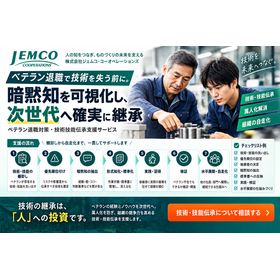
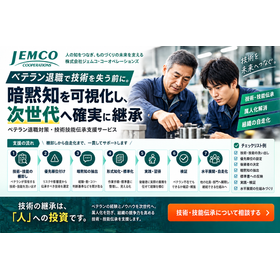
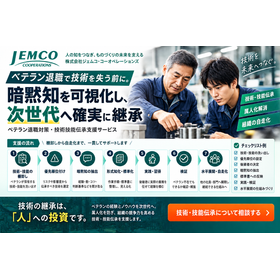
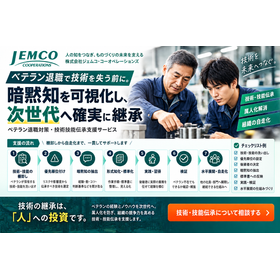
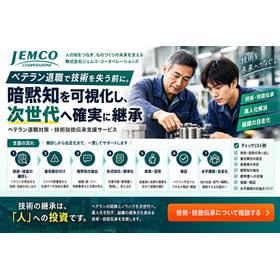
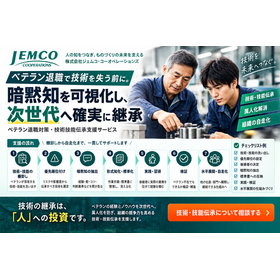
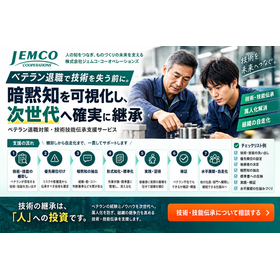
In the manufacturing industry, advanced expertise and know-how backed by years of experience from skilled technicians are essential for maintaining product quality and improving production efficiency. In particular, "tacit knowledge" such as experience, intuition, and tips cultivated on-site is difficult to formalize, posing a high risk of being lost due to the retirement or transfer of veteran technicians. If these skills and know-how are not inherited, it could lead to decreased productivity, variability in quality, and delays in acquiring new technologies, potentially impacting business continuity. Our service provides comprehensive support to visualize the valuable skills and techniques held by veteran technicians in the manufacturing field and ensure their reliable transfer to the next generation. 【Usage Scenarios】 - Reducing the risk of skill loss due to the retirement or transfer of veteran technicians - Promoting understanding of complex on-site work procedures and know-how, and fostering successors - Formalizing work standards and best practices - Building a production system that does not rely on individual skills 【Benefits of Implementation】 - Maintaining and improving production quality through stable inheritance of skills and know-how - Shortening the successor training period and enabling early contribution - Enhancing the skills of the entire on-site team and improving productivity - Raising the overall technical capabilities of the organization and establishing a sustainable production system
Added to bookmarks
Bookmarks listBookmark has been removed
Bookmarks listYou can't add any more bookmarks
By registering as a member, you can increase the number of bookmarks you can save and organize them with labels.
Free membership registration