136~180 item / All 385 items
Displayed results
Filter by category

Added to bookmarks
Bookmarks listBookmark has been removed
Bookmarks listYou can't add any more bookmarks
By registering as a member, you can increase the number of bookmarks you can save and organize them with labels.
Free membership registration
136~180 item / All 385 items
Filter by category
The networked or enterprise Thermo Scientific Chromeleon Chromatography Data System (CDS) is essential for compliance, efficiency, and reliable operation in modern chromatography laboratories. It manages all analytical processes, from instrument control to raw data storage and analysis, to the generation of final results. Data integrity, data security, and compliance are always prioritized, and using Chromeleon CDS facilitates audits by providing all necessary traceability. With a user management system and centralized resources, data access and backup are easily managed, ensuring data integrity.
Added to bookmarks
Bookmarks listBookmark has been removed
Bookmarks listYou can't add any more bookmarks
By registering as a member, you can increase the number of bookmarks you can save and organize them with labels.
Free membership registration
The Thermo Scientific Chromeleon 7.3 Chromatography Data System (CDS) ensures data quality and manages all analytical processes, from instrument control to raw data storage and processing, to the creation of final results. Today, data security, data integrity, and compliance are becoming increasingly important. Therefore, comprehensive controls regarding preventive and detection technologies are extremely important. This enables compliance with the latest regulatory requirements and ensures the highest level of data quality. Various tasks arise, such as the preparation of samples before measurement and the creation of reports in HPLC analysis. Chromeleon's e-workflow automates pre- and post-analysis work time, leading to cost reductions. *The percentage of labor reduction is based on workflow analysis results conducted within our company.
Added to bookmarks
Bookmarks listBookmark has been removed
Bookmarks listYou can't add any more bookmarks
By registering as a member, you can increase the number of bookmarks you can save and organize them with labels.
Free membership registration
Thermo Scientific SOLA products bring a major revolution to solid phase extraction (SPE). With frit-free SPE, cleaner and more consistent recoveries are achievable, resulting in excellent reproducibility. Compared to traditional phospholipid removal plates and protein removal plates, SOLA products demonstrate unparalleled superior performance. Key features: • Improved reproducibility • Enhanced extract purity • Reduced amount of organic solvent used • Increased sensitivity
Added to bookmarks
Bookmarks listBookmark has been removed
Bookmarks listYou can't add any more bookmarks
By registering as a member, you can increase the number of bookmarks you can save and organize them with labels.
Free membership registration
Thermo Scientific SOLAμ solid phase extraction (SPE) well plates are designed for researchers engaged in bioanalysis and clinical studies that require cleaner, more reproducible, and robust sample extraction with very low amounts of sample and solvent in high-throughput workflows. The SOLAμ well plates achieve this with their unique innovative fritless SPE technology. The SOLAμ well plates are advanced micro-elution products that faithfully meet the requirements of bioanalysts.
Added to bookmarks
Bookmarks listBookmark has been removed
Bookmarks listYou can't add any more bookmarks
By registering as a member, you can increase the number of bookmarks you can save and organize them with labels.
Free membership registration
Solid-phase extraction (SPE) is a highly effective modern bioanalytical technique for isolating analytes from complex biological matrices. It improves accuracy and precision, enables detection at very low levels, and reduces matrix effects that can be problematic in mass spectrometry.
Added to bookmarks
Bookmarks listBookmark has been removed
Bookmarks listYou can't add any more bookmarks
By registering as a member, you can increase the number of bookmarks you can save and organize them with labels.
Free membership registration
Liquid chromatography aims to achieve good separation ability to obtain meaningful information through peak resolution. In mixed-mode chromatography, numerous parameters can be adjusted to optimize separation efficiency, allowing for effective control of separation performance. The Thermo Scientific Acclaim mixed-mode column features unique surface chemistry that facilitates easy adjustment of analyte elution, enabling maximum separation efficiency, which often leads to successful separation of compounds that cannot be addressed by other conventional high-performance liquid chromatography (HPLC) columns. The combination of ion exchange and reversed-phase, specifically HILIC chemistry, can extract the chemical properties of sample mixtures, allowing for complete separation of components in complex samples or high-sensitivity detection of trace samples. However, it is impossible to retain highly polar or charged analytes using only reversed-phase chromatography. Ion exchange (IEX) chromatography alone is insufficient for separating hydrophobic compounds. By using columns that combine different functionalities, a completely new toolkit is obtained for separating and evaluating samples.
Added to bookmarks
Bookmarks listBookmark has been removed
Bookmarks listYou can't add any more bookmarks
By registering as a member, you can increase the number of bookmarks you can save and organize them with labels.
Free membership registration
Adeno-associated virus (AAV) is a suitable vector for many gene therapies. The Empty/Full capsid ratio of AAV is an extremely important quality characteristic that needs to be monitored throughout the entire development cycle. The Thermo Scientific ProPac column series leverages approximately 20 years of experience in ion exchange to continue supporting researchers in the biotherapeutics field. The Thermo Scientific ProPac SAX-10 LC column easily separates the Empty/Full capsid bodies of AAV serotype 6 and AAV serotype 8 in less than 10 minutes, allowing for immediate quantification results with minimal sample pretreatment.
Added to bookmarks
Bookmarks listBookmark has been removed
Bookmarks listYou can't add any more bookmarks
By registering as a member, you can increase the number of bookmarks you can save and organize them with labels.
Free membership registration
Thermo Scientific SOLA products are designed for bioanalysis and clinical research analysts with the mission of providing high-quality analytical results from complex biological samples in high-throughput environments while adhering to strict regulations. Such needs continue to drive the push for more effective drugs and long-acting formulations, lowering the sensitivity requirements for accurate quantification to even lower levels. To meet these needs, bioanalytical methods must have the following: • Robustness – low analytical failure rate • Ability to process low-volume samples • High sensitivity • High reproducibility • Ease of use • High-throughput processing • High-efficiency and fast processes
Added to bookmarks
Bookmarks listBookmark has been removed
Bookmarks listYou can't add any more bookmarks
By registering as a member, you can increase the number of bookmarks you can save and organize them with labels.
Free membership registration
Thermo Fisher Scientific's Bio LC columns separate biological samples with high resolution and efficiency. Our proprietary column chemical properties for biological samples are specifically designed for the separation of proteins, peptides, monoclonal antibodies, carbohydrates, nucleic acids, and more. - Protein HPLC columns - Peptide HPLC columns - Glycan HPLC columns - Oligonucleotide HPLC columns - Monoclonal antibody HPLC columns
Added to bookmarks
Bookmarks listBookmark has been removed
Bookmarks listYou can't add any more bookmarks
By registering as a member, you can increase the number of bookmarks you can save and organize them with labels.
Free membership registration
Thermo Scientific Acclaim columns are ideal for high-efficiency high-performance liquid chromatography (HPLC) separations. Their unique features enable challenging and complex separations, allowing for the separation of compounds that traditional HPLC columns cannot achieve. The Thermo Scientific Acclaim columns utilize standard surface chemistry features, including standard functionalities such as 120 C18, C8, Phenyl, Polar Advantage, polar embedded phases, HILIC, as well as mixed-mode functionalities (Thermo Scientific Acclaim Trinity P1 and P2 columns), and application-specific phases (such as organic acids, surfactants, pesticides, contaminants, etc.), along with specialized columns like size exclusion columns (SEC). Furthermore, some Acclaim columns are optimized to operate under the ultra-high-performance liquid chromatography (UHPLC) requirements of the Thermo Scientific Vanquish UHPLC system.
Added to bookmarks
Bookmarks listBookmark has been removed
Bookmarks listYou can't add any more bookmarks
By registering as a member, you can increase the number of bookmarks you can save and organize them with labels.
Free membership registration
pH has a significant impact on the ionization state of specific analytes. For example, a base with a pKa of 8.5 is 99% ionized at pH 6.5 using the 2 pH unit rule and 99% non-ionized at pH 10.5. When the analyte is close to its own pKa, unstable chromatograms may be observed, so it is necessary to adjust the pH to achieve the appropriate ionization state. Differences in the surface activity of vial glass and the leaching of hydrolysis products that affect the sample pH can be confirmed by monitoring the pH changes of deionized water stored in the vial. To investigate how the quality of glass, represented by the expansion coefficient, affects the pH of the solution, we measured the fluctuations in the pH of 18 MΩ pure water stored in an autosampler vial for a certain period at room temperature and compared the results with those obtained using polypropylene containers as a control.
Added to bookmarks
Bookmarks listBookmark has been removed
Bookmarks listYou can't add any more bookmarks
By registering as a member, you can increase the number of bookmarks you can save and organize them with labels.
Free membership registration
Thermo Scientific Orion ROSS electrodes have been helping scientists and engineers achieve accurate pH measurements for 40 years since their launch. We are now offering a 15% discount on various Orion ROSS pH electrodes and the Thermo Scientific Orion ROSS All-in-One standard solution kit. We encourage you to take advantage of this opportunity. ● Campaign products: Various Orion ROSS pH electrodes and the Orion ROSS All-in-One standard solution kit ● Campaign period: November 8, 2021 (Monday) to March 25, 2022 (Friday) Additionally, the Thermo Fisher Scientific website provides various support information, including introductions to different ROSS electrodes, the structure of ROSS electrodes, the mechanisms that demonstrate their performance, and maintenance information. Please visit thermofisher.com/ross40 for more details.
Added to bookmarks
Bookmarks listBookmark has been removed
Bookmarks listYou can't add any more bookmarks
By registering as a member, you can increase the number of bookmarks you can save and organize them with labels.
Free membership registration
The Nalgene bottle is a plastic bottle that achieves leak prevention without the use of liners or gaskets. Made from high-quality resin, it has low leaching from the bottle and a reduced risk of contamination, making it popular in laboratories around the world. We have now released an online seminar about the appeal, features, and clean bottle service of Nalgene bottles. All videos are available for free. [Video Lineup] - Features of Nalgene bottles - Characteristics of resins and how to choose them - Bottles with special features - Comparison of four performance metrics for PET/PETG bottles from various manufacturers for culture media - Clean bottle service The Nalgene brand offers a wide range of plastic bottles, including kit bottles, culture media bottles, and large bottles, in various materials, shapes, and sizes. We also provide a clean bottle service to ensure that you can use high-quality Nalgene bottles with even greater cleanliness. *For more details, please watch the online seminar or select "Request Contact" in the inquiry section below. *Materials related to the seminar can be downloaded from the link provided.
Added to bookmarks
Bookmarks listBookmark has been removed
Bookmarks listYou can't add any more bookmarks
By registering as a member, you can increase the number of bookmarks you can save and organize them with labels.
Free membership registration
Using the Thermo Scientific Orbitrap Exploris GC 240 mass spectrometer elevates research capabilities to an unprecedented level of performance, accelerating scientific discoveries. Its unique features provide high-quality, information-rich data, simplifying the challenges of the most complex analyses. ■ Exceptional performance and accuracy Delivers groundbreaking 240,000 mass resolution, MS/MS capabilities, and excellent sensitivity across a wide range of applications. ■ Generating discoveries with minimal effort An integrated informatics solution for quantitation and compound exploration facilitates detailed characterization of the most challenging samples, deriving scientific understanding from the data. ■ Versatility to address diverse analytical challenges The Thermo Scientific ExtractaBrite electron ionization/chemical ionization (EI/CI) ion source, direct injection probe, MS/MS capabilities, and GC modules expand the possibilities of analysis.
Added to bookmarks
Bookmarks listBookmark has been removed
Bookmarks listYou can't add any more bookmarks
By registering as a member, you can increase the number of bookmarks you can save and organize them with labels.
Free membership registration
The Thermo Scientific Orbitrap Exploris GC mass spectrometer enables reliable detection and high-precision quantification even in complex matrices, maximizing productivity with minimal method development. It combines excellent mass resolution, sensitivity, speed, and linear dynamic range, delivering accurate results even for samples that are particularly challenging to detect. ■ Increased Productivity By utilizing versatile high-resolution precise mass full scan data for screening and quantification, you can streamline your analytical workflow. ■ Assurance of Analytical Results High-resolution full scan data allows for multifaceted compound identification considering spectral matching, isotope patterns, and elemental composition, reducing the time to obtain results. ■ Maximized Uptime You can produce results on time and easily. Intuitive instrument control and method templates allow all members of the analytical team to easily access the system.
Added to bookmarks
Bookmarks listBookmark has been removed
Bookmarks listYou can't add any more bookmarks
By registering as a member, you can increase the number of bookmarks you can save and organize them with labels.
Free membership registration
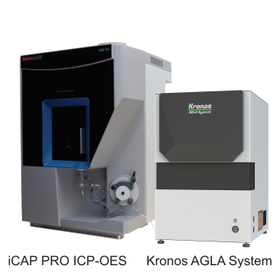
This article provides a detailed explanation of ICH Q3D and the 18th edition of the Japanese Pharmacopoeia (JP18), as well as an introduction to appropriate analytical methods and analytical instruments. This is a must-read article for those who fall into the following categories: - Those involved in quality control of pharmaceuticals in the pharmaceutical industry - Those looking for workflows for quality assurance - Those who want to gain a deeper understanding of the Elemental Impurities Guidelines (ICH Q3D) - Those who want to know what the 18th edition of the Japanese Pharmacopoeia (JP18) is.
Added to bookmarks
Bookmarks listBookmark has been removed
Bookmarks listYou can't add any more bookmarks
By registering as a member, you can increase the number of bookmarks you can save and organize them with labels.
Free membership registration
The "Thermo Scientific Orion 2120XP Calcium Hardness Meter" is designed for high-speed, accurate, and reliable online detection of calcium hardness, making it suitable for applications that require early detection of trace calcium. As a compact online calcium meter, it can be installed by assembling it onto a sampling rack. It does not require any foundation work for installation, making it easy to set up and reducing installation costs. By minimizing movable parts in the system, it enhances the stability of the device, reduces the need for measurements such as calibration work, and features an easy-to-use operating system, enabling long-term stable operation online.
Added to bookmarks
Bookmarks listBookmark has been removed
Bookmarks listYou can't add any more bookmarks
By registering as a member, you can increase the number of bookmarks you can save and organize them with labels.
Free membership registration
**Main Features** - Produces ultrapure water and pure water with a single unit - Choose from purification rates of 3L, 6L, or 12L/hr according to usage needs - Purification using independently operated reverse osmosis membranes and ion exchange cartridges - Cartridges feature quick connect with one-touch operation and no leakage - The Thermo Scientific Smart2Pure 3 or 6 systems have a built-in 6L tank for further space-saving - The Thermo Scientific Smart2Pure 12 system offers a choice of 30L or 60L tanks - Maintains purity and prevents bacterial growth even when the equipment is not in use through a circulation function
Added to bookmarks
Bookmarks listBookmark has been removed
Bookmarks listYou can't add any more bookmarks
By registering as a member, you can increase the number of bookmarks you can save and organize them with labels.
Free membership registration
To obtain accurate and reproducible high-sensitivity results in immunoassays, it is essential to select an appropriate plate with optimal binding surface conditions. Thermo Scientific immunoassay plates allow for assay optimization with a wide variety of binding surfaces and diverse formats. 【Features】 - High-quality resin used for raw material plastics - Thorough quality control system - Diverse binding surfaces - Very high reproducibility with minimal intra- and inter-batch variation - Compliant with SBS standards - Well and plate designs tailored to various applications and uses 【Surface Treatments】 - Passive Binding Surface - Solid-phase immobilization of large biomolecules - Various molecular orientations possible - Affinity Binding Surface - Highly specific binding - No blocking required - Reduces variability in molecular orientation - Immobilizer surface that improves S/N ratio - Utilizes the interaction between streptavidin and biotin to immobilize a wide range of biomolecules (proteins, peptides, haptens, nucleic acids) - Covalent Binding Surface - Coating possible with smaller amounts of reagents - Control over the functional groups that bind - Resistant to repeated washing
Added to bookmarks
Bookmarks listBookmark has been removed
Bookmarks listYou can't add any more bookmarks
By registering as a member, you can increase the number of bookmarks you can save and organize them with labels.
Free membership registration
• With excellent temperature uniformity, if there is 2 inches (5 cm) of liquid nitrogen remaining in the container, the samples will be stored at temperatures below -180°C. • Advanced vacuum insulation minimizes the evaporation of liquid nitrogen and reduces operational costs. • The lockable lid enhances the security of the samples. • A stainless steel rack designed to accommodate 2-inch (5 cm) Thermo Scientific Nalgene Cryogenic boxes is included (options for storing 5.0 mL ampoules are also available for Locator Jr. PLUS, Locator 4 PLUS, and Locator 6 Plus).
Added to bookmarks
Bookmarks listBookmark has been removed
Bookmarks listYou can't add any more bookmarks
By registering as a member, you can increase the number of bookmarks you can save and organize them with labels.
Free membership registration
This application note introduces the analytical devices necessary to comply with the elemental impurity guidelines for pharmaceuticals issued by the Ministry of Health, Labour and Welfare on September 30, 2015. The Q3D metal elemental impurities are stated to apply to new pharmaceuticals for which approval applications are submitted on or after April 1, 2017, according to this guideline. ICH Q3D establishes a risk-based assessment method to identify and evaluate elemental impurities in formulations and to set management methods. This assessment is required not only for potential elemental impurities in the formulation itself but also for potential elemental impurities that may be introduced from each component of the formulation (active pharmaceutical ingredients, excipients, container closure systems).
Added to bookmarks
Bookmarks listBookmark has been removed
Bookmarks listYou can't add any more bookmarks
By registering as a member, you can increase the number of bookmarks you can save and organize them with labels.
Free membership registration
To achieve work style reform and remote work, there is a demand for liquid chromatography that can shorten working hours in the lab. We have compiled a case study of the Vanquish Core HPLC system, which is equipped with smart features that automate manual tasks related to conventional measurements, promoting the modernization of labs and facilitating method transfer from various HPLCs, thereby contributing to a reduction in downtime due to troubles. By pressing "Download PDF," you can download the technical documents listed below in bulk. Please feel free to contact us for more details.
Added to bookmarks
Bookmarks listBookmark has been removed
Bookmarks listYou can't add any more bookmarks
By registering as a member, you can increase the number of bookmarks you can save and organize them with labels.
Free membership registration
Surgical masks are worn by healthcare professionals during tasks such as surgeries, and like other medical devices, they need to be sterilized to eliminate bacteria and viruses. In some countries, sterilization using ethylene oxide is performed. On the other hand, the Centers for Disease Control and Prevention (CDC) has stated that "ethylene oxide may have harmful effects on the wearer, and therefore is not recommended for the sterilization of masks that are worn on the face," and the Occupational Safety and Health Administration (OSHA) does not approve the use of ethylene oxide as a sterilant. Therefore, it is necessary to test that ethylene oxide and 2-chloroethanol, which is generated during its sterilization process, are sufficiently removed from the final product. This technical document introduces a high-sensitivity and cost-effective analysis method for ethylene oxide and 2-chloroethanol in medical masks using capillary column GC-FID analysis.
Added to bookmarks
Bookmarks listBookmark has been removed
Bookmarks listYou can't add any more bookmarks
By registering as a member, you can increase the number of bookmarks you can save and organize them with labels.
Free membership registration
Information has become increasingly diverse in recent years, and there is a growing demand for tools that can handle vast amounts of data accurately and conveniently. For example, analytical researchers may find it sufficient to obtain calibration curves and quantitative data from chromatograms and spectral information as chromatography data. However, it may be necessary to ensure that these data were obtained under conditions where the equipment operated correctly. Computerized systems used in the development and manufacturing of pharmaceuticals and medical devices must be properly developed, implemented, and operated, leaving evidence that proves there are no issues with the quality of the pharmaceuticals or medical devices, as well as their quality assurance. Computerized System Validation (CSV) is mandated by pharmaceutical regulations. Achieving Data Integrity (DI) requires essential support from software. This technical note outlines the overview of DI and the software functions required for DI, and introduces examples of residual solvent testing as specified in USP<467> using a headspace-specific autosampler and gas chromatograph that comply with DI.
Added to bookmarks
Bookmarks listBookmark has been removed
Bookmarks listYou can't add any more bookmarks
By registering as a member, you can increase the number of bookmarks you can save and organize them with labels.
Free membership registration
Packaging materials are essential for maintaining the integrity of food and for safe handling, transportation, and storage. Common food packaging materials include polymer-based films and paper-based coatings, which are often layered and printed on the outside with inks, dyes, or coatings for consumer appeal and convenience. The chemical components of such food packaging (particularly those derived from polymers, dyes, and inks) can migrate into food, altering its sensory properties and composition, and potentially posing health risks to consumers. Therefore, regulatory measures are implemented to prevent the migration of food contact material components that could affect human health, alter composition, or change the sensory properties of the product. This application note reports quantitative results of residual solvent analysis in food packaging materials.
Added to bookmarks
Bookmarks listBookmark has been removed
Bookmarks listYou can't add any more bookmarks
By registering as a member, you can increase the number of bookmarks you can save and organize them with labels.
Free membership registration
The detection and identification of illegal substances or suspicious materials of unknown origin is difficult, often involving complex analytical processes, which can take time to yield final results. Furthermore, high reliability, confirmed by many points, is essential for final identification. Generally, all suspicious substances seized by law enforcement agencies must be sent to scientific investigation agencies for testing. Drug testing kits can be used for the identification of certain classes of drugs, but identifying the exact active substances in unknown powders or liquids, especially new substances in drugs like "legal highs," is often challenging. When using mass spectrometry, high mass accuracy data is essential to gain the necessary selectivity in complex matrices and enhance the reliability of compound identification. By measuring the molecular weight of chemical substances with sufficient accuracy, analysts can determine the elemental composition and identify the chemical structure of substances using isotope ratios and fragmentation patterns. This application note describes a method for reliably identifying unknown substances almost instantaneously. This method connects a direct insertion probe (DIP) to the mass spectrometer and rapidly identifies compounds using both electron ionization (EI) and chemical ionization (CI).
Added to bookmarks
Bookmarks listBookmark has been removed
Bookmarks listYou can't add any more bookmarks
By registering as a member, you can increase the number of bookmarks you can save and organize them with labels.
Free membership registration
Organic solvents are often used in the manufacturing and purification of active pharmaceutical ingredients, but due to their potential toxicity, it is necessary to verify whether they are present in pharmaceuticals to ensure patient safety. The United States Pharmacopeia (USP) method <467> provides detailed procedures for the screening, confirmation, and quantification of residual solvents, including sample preparation and analytical conditions. Gas chromatography (GC) combined with headspace (HS) sampling technology and a hydrogen flame ionization detector (FID) is an analytical method specified in USP <467>, where most target compounds are organic solvents with relatively low boiling points and good thermal stability. This technical note presents a rapid and cost-effective analysis of residual solvents using nitrogen as the carrier gas.
Added to bookmarks
Bookmarks listBookmark has been removed
Bookmarks listYou can't add any more bookmarks
By registering as a member, you can increase the number of bookmarks you can save and organize them with labels.
Free membership registration
Odor analysis is an important analytical theme that is widely conducted not only in food but also in exhaust from equipment, the atmosphere, and the construction field. Among these unpleasant-smelling compounds that humans find distasteful, many have low olfactory thresholds. Technological advancements related to measurement, such as methods for collecting odor compounds, separation in gas chromatography, and the development of detectors, have been rapidly progressing to improve performance. In this context, improvements to ion sources in gas chromatography-mass spectrometry (GC-MS) have also been made as part of efforts to enhance sensitivity, with reports indicating sensitivity improvements of more than ten times compared to conventional types in recent years. This application note presents the results of an investigation into how the Advanced EI (AEI) ion source, which has improved sensitivity compared to the standard ion source (Thermo Scientific ExtractaBrite ion source), can provide advantages in qualitative analysis, using geosmin, one of the compounds responsible for unpleasant odors, as an example.
Added to bookmarks
Bookmarks listBookmark has been removed
Bookmarks listYou can't add any more bookmarks
By registering as a member, you can increase the number of bookmarks you can save and organize them with labels.
Free membership registration
The detection and quantification of pesticides, contaminants, and other chemical residues is particularly important when the food is intended for infants. Many pesticide products have a maximum residue limit (MRL) typically set at 10 μg/kg, but the European Union (EU) has established MRLs for certain pesticides banned for use in baby food at 3 to 8 μg/kg. In the worst-case scenario, such pesticides and their metabolites can exceed the acceptable daily intake (ADI) for infants. The high sensitivity and selectivity of GC-MS/MS allow for the detection and quantification of regulated residues even in baby food containing multiple ingredients. This application note presents a case study of the analysis of pesticide residues in baby food using a high-sensitivity Advanced EI ion source. The increased sensitivity allows for the dilution of sample extracts, reduces system contamination, and is expected to enhance laboratory productivity.
Added to bookmarks
Bookmarks listBookmark has been removed
Bookmarks listYou can't add any more bookmarks
By registering as a member, you can increase the number of bookmarks you can save and organize them with labels.
Free membership registration
This is a technical document regarding the development of analytical methods for volatile E&L compounds by SGS in the United States. A rubber plunger stopper was used as a sample, and headspace was employed for sample extraction. This sampling technique allows for easy method setup and optimization, making it highly suitable for testing volatile leachables from polymer materials. Furthermore, by combining it with a high-resolution GC-MS system, it confidently and rapidly identifies volatile impurities in polymer materials with excellent sensitivity and mass resolution.
Added to bookmarks
Bookmarks listBookmark has been removed
Bookmarks listYou can't add any more bookmarks
By registering as a member, you can increase the number of bookmarks you can save and organize them with labels.
Free membership registration
In recent years, the demand for non-target analysis has been increasing in many fields, such as odor analysis and impurity analysis, using GC-MS. This involves conducting comprehensive measurements without specifying the measurement targets through full scan MS and extracting valuable information from the vast spectral data obtained. Since the full scan MS data obtained from GC-MS can contain information on hundreds to thousands of compounds, efficiently identifying valuable information from this data is a very important challenge. Additionally, it is crucial to select the optimal pretreatment device considering high extraction capability, broad coverage, and the form and properties of the sample, in order to comprehensively extract samples without loss and introduce them into GC-MS. This application note presents a case study of non-target analysis that combines a system connecting a pretreatment device to a Thermo Scientific GC-MS instrument with AnalyzerPro, a deconvolution software from SpectralWorks.
Added to bookmarks
Bookmarks listBookmark has been removed
Bookmarks listYou can't add any more bookmarks
By registering as a member, you can increase the number of bookmarks you can save and organize them with labels.
Free membership registration
Thermo Scientific Nalgene micro-packaging vials are low-extraction vials made from high-purity resin and do not have O-rings, eliminating concerns about contamination of the contents. ■ Achieves a leak-proof structure* by using the vial body in combination with separately sold caps ■ Conducted leak-proof tests at 7.5 psig, making them suitable for air transport ■ Made from high-quality resin compliant with USP Class VI ■ RNase/DNase free, non-pyrogenic ■ The absence of O-rings reduces the risk of detachment and contamination of contents ■ Available in sterilized (gamma sterilization, some electron beam sterilization) and non-sterilized options Some products are not available in non-sterilized versions. ■ Sterilized products achieve a sterilization level of SAL 10^-6 ■ Can be used as centrifuge containers (repeated use is not recommended) ■ Caps sold separately (high-profile PPCO / low-profile PPCO / HDPE) ■ Caps available in various colors (red, blue, etc.) *Leak-proof test: For cap systems of bottles/flasks/funnels with a cap diameter of less than 100 mm, water is filled and then inverted, and after being left for 2 minutes at an air pressure of 2 psig, there should be no water leakage.
Added to bookmarks
Bookmarks listBookmark has been removed
Bookmarks listYou can't add any more bookmarks
By registering as a member, you can increase the number of bookmarks you can save and organize them with labels.
Free membership registration
Quality control of oligonucleotides requires confirmation of mass, determination of sample purity, and yield. Oligonucleotides show strong absorption at 260 nm, making quantification easily achievable through UV detection. However, mass confirmation of the analyte requires mass spectrometry. Additionally, quality control necessitates fast and robust methods to ensure high throughput. These can be achieved by combining instruments such as the Thermo Scientific ISQ EM single quadrupole mass spectrometer and the Thermo Scientific Vanquish Flex binary UHPLC system. This paper introduces two workflows for data analysis. Both use peak areas from UV and MS detection to determine the relative abundance of analytes within the sample. However, the first workflow identifies analytes based on the ion species with the highest signal intensity at m/z. The second workflow employs deconvolution of mass spectra for mass determination and analyte identification.
Added to bookmarks
Bookmarks listBookmark has been removed
Bookmarks listYou can't add any more bookmarks
By registering as a member, you can increase the number of bookmarks you can save and organize them with labels.
Free membership registration
Resins used in various products in daily life contain a variety of additives to enhance their durability and functionality. Even in small amounts, these additives can compromise the performance of the final product if they remain in it, or lead to the byproducts of undesirable components during the manufacturing process. Additionally, the impact of the leaching of additives on human health is receiving significant attention. Against this backdrop, the importance of identifying and quantifying the additives contained in resins is increasing. In this application note, we conducted an analysis of resin additives using the Thermo Scientific ISQ EC single quadrupole mass spectrometer. Simultaneously, we assumed qualitative and quantitative analysis of byproducts and performed measurements using three detectors, including a diode array detector (DAD) and a charged aerosol detector (CAD). Furthermore, using a dual pump with a reverse gradient method and CAD, we enabled semi-quantification of unknown peaks. For HPLC, we used the Thermo Scientific Vanquish Core HPLC system, which is specialized for routine analysis. This time, we conducted measurements utilizing the capabilities of this device and confirmed its usefulness.
Added to bookmarks
Bookmarks listBookmark has been removed
Bookmarks listYou can't add any more bookmarks
By registering as a member, you can increase the number of bookmarks you can save and organize them with labels.
Free membership registration
The robustness of HPLC equipment and trouble-free continuous operation are essential for obtaining high productivity and reliable results in analytical facilities. Analytical facilities face the challenge of handling samples with minimal human intervention. This requires robust equipment and remote monitoring technologies, such as continuous solvent monitoring. When used together, the Thermo Scientific Vanquish solvent monitor (patented technology) and Thermo Scientific Vanquish HPLC and UHPLC systems can help avoid unexpected solvent shortages and enable continuous analysis. In regulated environments, the Vanquish solvent monitor can save costs associated with creating additional regulatory documentation due to sequence interruptions, unexpected equipment shutdowns, loss of valuable samples, and depletion of mobile phases.
Added to bookmarks
Bookmarks listBookmark has been removed
Bookmarks listYou can't add any more bookmarks
By registering as a member, you can increase the number of bookmarks you can save and organize them with labels.
Free membership registration
Arsenic exists in various forms in nature, including in water and food. It can be detected using Inductively Coupled Plasma Mass Spectrometry (ICP-MS), but the amount detected represents the total arsenic content, and it does not indicate the specific forms present. Arsenic compounds include inorganic arsenic and organic arsenic, making speciation analysis very important. In the case of arsenic analysis, connecting HPLC before ICP-MS allows for the separation of different forms using HPLC, enabling speciation analysis through detection by ICP-MS. The "Testing Methods for Pet Feed" established by the Food and Agricultural Materials Inspection Center (FAMIC) included a testing method using Liquid Chromatography-Inductively Coupled Plasma Mass Spectrometry for arsenic testing in 2018. This document presents examples of measuring inorganic arsenic in its trivalent and pentavalent forms as part of this testing method.
Added to bookmarks
Bookmarks listBookmark has been removed
Bookmarks listYou can't add any more bookmarks
By registering as a member, you can increase the number of bookmarks you can save and organize them with labels.
Free membership registration
Polyamines are a general term for linear alkyl amines that contain two or more amino groups in their molecules. They are present in the cells of almost all living organisms and are essential substances for cell proliferation and differentiation. They are also found in food, making their measurement indispensable. On the other hand, because polyamines do not absorb UV light, they are components for which establishing analytical methods is challenging. This application note introduces an analytical method in which a total of 26 components, including amino acids and polyamines, are eluted in 15 minutes using a pre-column derivatization method.
Added to bookmarks
Bookmarks listBookmark has been removed
Bookmarks listYou can't add any more bookmarks
By registering as a member, you can increase the number of bookmarks you can save and organize them with labels.
Free membership registration
Transferring liquid chromatography (LC) methods between instruments is a challenging task that many analytical laboratories frequently face. The success of this method transfer depends on many factors, making it important to reduce the variability between the systems involved and the robustness of the method being transferred. This presentation introduces a smooth transfer of an analytical method from the Waters Alliance HPLC system to the Thermo Scientific Vanquish Core HPLC system using the HPLC method from the European Pharmacopoeia.
Added to bookmarks
Bookmarks listBookmark has been removed
Bookmarks listYou can't add any more bookmarks
By registering as a member, you can increase the number of bookmarks you can save and organize them with labels.
Free membership registration
The transfer of liquid chromatography (LC) methods between devices is a challenging task that many analytical labs frequently face. The success of this method transfer depends on many factors, making it important to reduce the differences between the systems being transferred and the robustness of the method being transferred. We present a smooth analytical method transfer from the Agilent 1260 Infinity LC system to the Thermo Scientific Vanquish Core HPLC system.
Added to bookmarks
Bookmarks listBookmark has been removed
Bookmarks listYou can't add any more bookmarks
By registering as a member, you can increase the number of bookmarks you can save and organize them with labels.
Free membership registration
Before starting the analysis, it is extremely important to verify the suitability of the HPLC equipment to be used. Therefore, a system suitability test (SST) is conducted before analyzing the samples. If the integrity of the HPLC equipment is evaluated solely based on the implementation of the SST, the results of any nonconformities may lead to troubleshooting for potential issues that are time-consuming and costly. By adding a system health check to the SST, a sense of assurance regarding the system is obtained. These are diagnostic tests that are automatically performed when the HPLC system is not in use.
Added to bookmarks
Bookmarks listBookmark has been removed
Bookmarks listYou can't add any more bookmarks
By registering as a member, you can increase the number of bookmarks you can save and organize them with labels.
Free membership registration
The Thermo Scientific Vanquish HPLC system offers the highest level of flexibility, efficiency, and productivity for single and dual-channel applications, addressing the challenges faced by routine analysis laboratories. This system is built on the Vanquish platform, which incorporates many innovative features that are further enhanced to achieve system intelligence, excellent usability, and smart diagnostics. From the perspective of reducing running costs, we will quantify and present the direct benefits these features bring to the laboratory.
Added to bookmarks
Bookmarks listBookmark has been removed
Bookmarks listYou can't add any more bookmarks
By registering as a member, you can increase the number of bookmarks you can save and organize them with labels.
Free membership registration
Thermo Scientific WebSeal well plates and mats suitable for chromatography requirements can be easily selected using our selection tools and resources. Our well plates are designed for chromatography analysts using autosamplers compatible with well plates. We not only promise reliable results but also have built a wealth of experience and a proven track record as a leading company in the development of sample containers for chromatography, offering various benefits through the handling of samples using our plates.
Added to bookmarks
Bookmarks listBookmark has been removed
Bookmarks listYou can't add any more bookmarks
By registering as a member, you can increase the number of bookmarks you can save and organize them with labels.
Free membership registration
To ensure sufficient performance of the chromatographic system, the system suitability test (SST) requires the injection of standard samples and evaluation according to the procedure manual. The European Pharmacopoeia (EP) general chapter (Chromatographic Separation Techniques 2.2.46) defines the acceptable deviations for EP methods. Particularly, since only slight changes are permitted under gradient conditions, it is crucial to ensure that sufficient results are obtained with the original method. In high-performance liquid chromatography (HPLC), minimizing the system's dead volume can lead to a mismatch between the sample solvent and the initial gradient composition, resulting in inadequate mixing and the appearance of front peaks or split peaks. Therefore, a custom injection program can be used to reduce the impact of the injection solvent without changing the injection volume or the solvent used to dissolve the sample. This document demonstrates the usefulness of the custom injection program for meeting system suitability criteria such as symmetry, resolution, and efficiency, without altering the EP method for mebendazole.
Added to bookmarks
Bookmarks listBookmark has been removed
Bookmarks listYou can't add any more bookmarks
By registering as a member, you can increase the number of bookmarks you can save and organize them with labels.
Free membership registration
The Thermo Scientific Multidrop Combi+ microplate reagent dispenser is designed for a variety of applications, including dispensing common reagents such as buffers, cell culture media, and pre-treatment for nucleic acid extraction devices. 【Features】 - Peristaltic pump dispensing using interchangeable head cassettes - Dispensing range: 0.5 to 2,500 μL/well - Compatible plates: 6, 12, 24, 48, 96, 384, and 1,536 well plates (height 5 to 50 mm) - High reproducibility and accurate dispensing - High-speed dispensing accommodates various assays (dispensing speed: 96 wells, 20µL in 5 seconds) - Easy operation with a graphical screen using visual icons, no training required - Reduced reagent costs due to minimal dead volume and reagent recovery features - Can be connected to a robotic arm for increased throughput - The Multidrop Combi SMART+ model monitors the usage of dispensing cassettes and guides when to replace them 【Specifications】 - Dimensions (W×D×H): 355 × 330 × 220 mm - Weight: 9.1 kg - Robot connection available
Added to bookmarks
Bookmarks listBookmark has been removed
Bookmarks listYou can't add any more bookmarks
By registering as a member, you can increase the number of bookmarks you can save and organize them with labels.
Free membership registration
The Thermo Scientific KingFisher series is a system for purifying nucleic acids and proteins using magnetic bead kits. It achieves high yield and high purity purification in a short time, regardless of the sample type. Simple and rapid purification process: - A magnetic head with adsorbed magnetic beads moves between plates or wells in a straightforward process. - Impurities are removed during the purification process, allowing for higher purity samples to be purified in a short time. - Combinations of heating, cooling, and drying operations are possible. - Choose from five types of systems that accommodate different sample processing numbers and volumes. Flexible protocol editing: - Create and edit protocols freely with Thermo Scientific BindIt software. - Standalone operation is possible by transferring protocols. - Features for generating running reports and managing protocols are also comprehensive. - Manual operations are significantly reduced. *For more details, please refer to the PDF materials or feel free to contact us.
Added to bookmarks
Bookmarks listBookmark has been removed
Bookmarks listYou can't add any more bookmarks
By registering as a member, you can increase the number of bookmarks you can save and organize them with labels.
Free membership registration