
List of Pharmaceutical and food related products
- classification:Pharmaceutical and food related
4636~4680 item / All 32769 items


Reduce the workload from handling heavy objects! Here are five case studies that solved customer challenges! We are also accepting free consultations and tests tailored to your work!

- Other conveying machines


Strong cold wind from room temperature to -13°C! Depending on the usage environment, you can choose between the combo type or the separate type!
- Cooling system

April 10, 2024 (Wednesday) to April 12, 2024 (Friday) Notice of Participation in Nagoya Manufacturing World 2024
Sanwa Shiki Ventilator Co., Ltd. will be exhibiting at the 2024 Monozukuri World (Nagoya) held at Port Messe Nagoya. We will also be showcasing our large cooling fans and cool/warm ambient products. Date: April 10, 2024 - April 12, 2024 Opening: 10:00 AM Location: Nagoya Port Messe (Exhibition Hall 1) *Our booth: 19-1 We would be grateful if you could visit us if you have the time.
![Laboratory Mixer [L5 Series] Tubula...](https://image.mono.ipros.com/public/default/object/noimage_l.gif?w=280&h=280)

Unchanging stirring power, even in a narrow test tube!
- Mixer/agitator
- mixer
- Mixer
A reliable device for working in sterile environments, mixing hazardous substances, and operating under vacuum!
- mixer
- Mixer/agitator
- Mixer

"Before protecting, are you deciding on the information that needs to be protected?" With insights from document consulting, we design file security.
- File Management
- Document and Data Management
- Other security


Distinctive reaction flavor
- Food ingredients (powder)
- Excipients

[New Product] Plant Protein Hydrolysate "Beef M-350"
At Seti Corporation, we handle "Plant Protein Hydrolysates (HVP)." We offer a variety of flavors including beef, pork, and chicken, both roasted and non-roasted, which can be used not only for classic applications such as snack seasonings, sauces, soups, and ham and sausages, but also for a wide range of other uses. In recent years, we have received inquiries regarding the use of meat flavors in various plant-based foods. New!! We have added to our product lineup. ◆ M-350 Beef Flavor This is an animal-free, additive-free, and allergen-free HVP composed solely of corn hydrolysate and safflower oil. You can find more details in related products.


Dried beer yeast (for pet food)
Seti Corporation handles "Dried Brewer's Yeast (for Pet Food)." This is dried brewer's yeast from Vietnam that has been heated and dried to inactivate the yeast after beer brewing. It is rich in nutrients such as amino acids and proteins. *This product is not for human consumption; it is intended for pet food. You can view more details from related products.
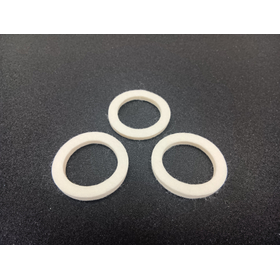

Punching processing of white felt ring-shaped packing, compatible with inner diameter 40φ and outer diameter 50φ.
- Food and pharmaceutical standard seals and packing products
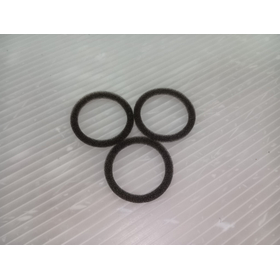
MF-50 filter material packing shape mass production of punched parts
We support die-cutting processing in the shape of gaskets using MF-50 filter material. By adopting die-cutting processing, we can efficiently produce the same shape, making it suitable for mass production projects. Filter materials are used for applications such as removing foreign substances from air or liquids. This time, by processing into a gasket shape, it becomes easier to incorporate into equipment and devices. Since die-cutting uses a mold, it allows for the repeated production of the same shape, making it suitable for cases where a large quantity is needed. ■ Product Specifications Material: MF-50 filter material Shape: Gasket shape Processing Method: Die-cutting Applications: Filter parts, seal parts, equipment parts, etc. Supported Quantity: From small quantities to mass production ■ Processing Details We will perform die-cutting processing of the MF-50 filter material into gasket shapes according to the drawings. We also accommodate shape processing including inner and outer diameters, enabling efficient production of the same shape. We will propose processing methods based on applications and quantities. We may be able to accommodate complex shapes, so please feel free to contact us if you have any concerns.
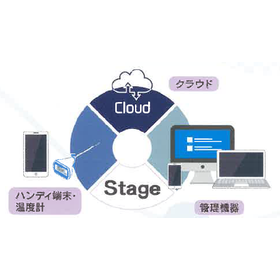

Make temperature management safer and easier. Shall we move on to the next stage?
- Temperature Data Logger
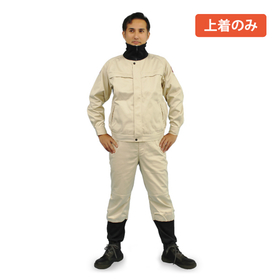

It is recommended for flame-retardant protective measures in metal processing sites where sparks and molten iron or metal scatter!
- Other safety and hygiene products
- Other safety and protection products
- others

[Exhibition Information] 2nd Railway Technology Exhibition - Osaka 2026
We will be exhibiting at the "2nd Railway Technology Exhibition - Osaka 2026," which will be held from May 27 (Wednesday) to May 29 (Friday), 2026. This is a great opportunity to actually touch and experience items such as arc flash protective clothing and flame-resistant protective clothing. We look forward to your visit! ● Dates: May 27 (Wednesday) to May 29 (Friday), 2026 10:00 AM to 5:00 PM *On the final day, May 29 (Friday), until 4:30 PM ● Venue: Intex Osaka (Osaka Prefecture), Halls 3, 4, and 5 Booth Number: 4J-18 *This is a joint exhibition with Yamazen Corporation, Arao Corporation, and Kaneka Corporation. For more details, please feel free to contact us through the related link below: [Protective Clothing Wisdom.com]. [Protective Clothing Wisdom.com] is a comprehensive information site for safe working environments, providing guidance on protective clothing and equipment for different work environments, methods for putting on and taking off, and information on customer usage records.
We have obtained various safety standards such as UL, CSA, TÜV, and EN to enhance the safety of our electrical components!
- Terminal Blocks
- Terminal Blocks
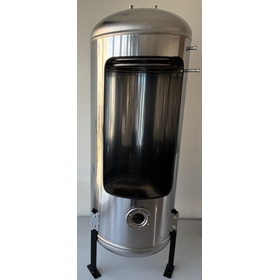

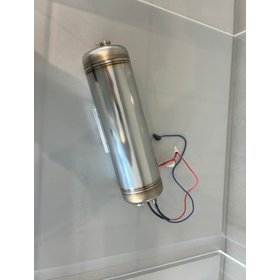
Stable hot water supply is possible even in high usage environments! It achieves high insulation performance and energy-saving operation.
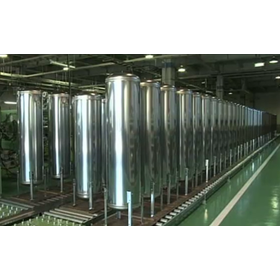
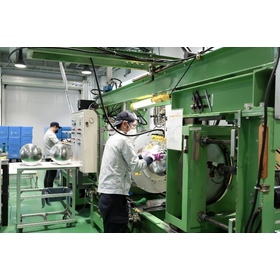
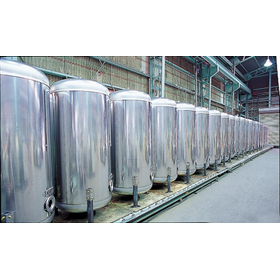
- tank
- Other Tanks
- stainless
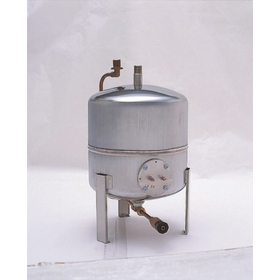
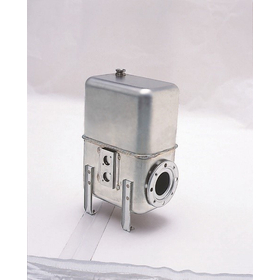
Compact design optimized for small electric water heaters! It flexibly accommodates various capacities for diverse applications.
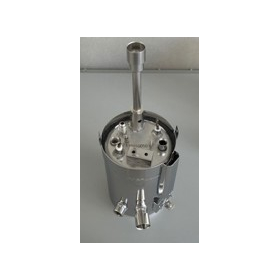
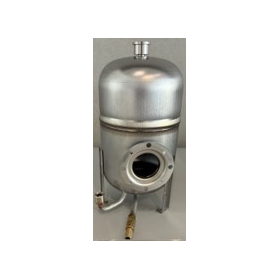
- tank
- Other Tanks
- stainless
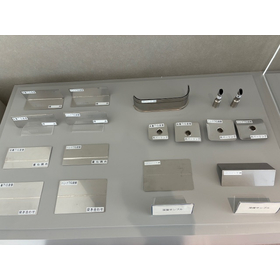
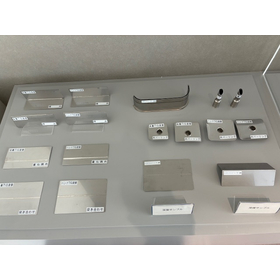
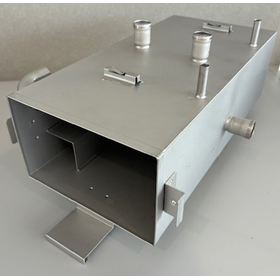
Difficult processing of thin stainless steel is stably handled from sheet metal processing to welding and mass production.
- Welding Machine
- stainless
- Stainless steel container


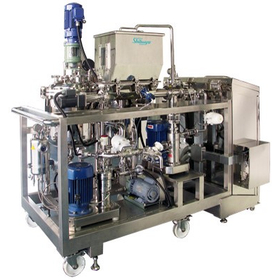
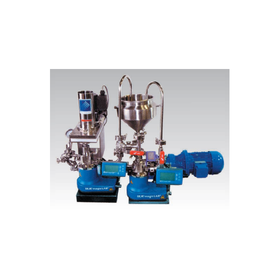
Dispersion is not determined by the equipment. It is determined by the process design of the resin dispersion system.
- Emulsifier/Disperser
- Vacuum degassing machine
- Dispersion/emulsification equipment/homogenizer
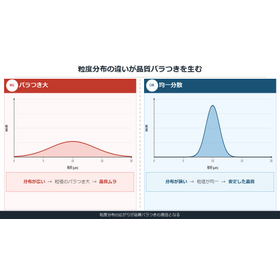
What are the causes and countermeasures for quality variation in dispersed engineering? An explanation of design points to prevent instability in particle size distribution and reduced reproducibility.
In dispersion processes, issues such as unstable particle size distribution and quality variation between batches occur in many settings. These quality variations are caused not only by equipment performance but also by variations in dispersion conditions, flow states, and process design. For example, when shear energy is uneven, differences arise in the disintegration state of particles, leading to a wider particle size distribution and residual agglomeration. Additionally, in batch processing, variations in mixing uniformity and residence time can cause fluctuations in dispersion state between batches, making it difficult to ensure reproducibility. Particularly in high-viscosity systems or high solid content slurries, even slight variations in conditions can significantly impact quality. To suppress quality variations, it is crucial to design processes that maintain consistent dispersion energy and flow conditions. By stabilizing conditions, as in inline continuous processing, it becomes possible to reduce inter-batch differences and achieve stable dispersion quality. Furthermore, in dispersion processes, not only the performance of the equipment itself but also operating conditions such as input order, residence time, and flow control greatly affect quality. Inline continuous processing makes it easier to maintain these conditions consistently, ensuring stable dispersion even in high-viscosity slurries. By designing the entire process, it is possible to fundamentally suppress quality variations.
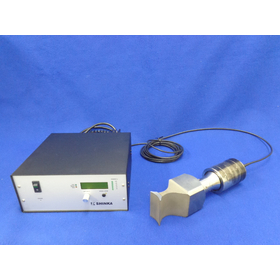

Ultrasonic Defoaming System
- Food Packaging Machinery
- Other medical supplies and cosmetics manufacturing machines
- Other factory equipment and parts
![[Free Giveaway!] Complete Practical...](https://image.mono.ipros.com/public/product/image/230575/IPROS18330453539140035364.jpg?w=280&h=280)

This is a guidebook on "filtration" of water and air used in equipment for dairy factories to ensure safe production.
- Filtration Equipment
- Filtration Equipment
- Filtration Filter
The TW1100 series is a versatile semi-automatic powder filling machine that meets a wide range of needs in industries such as food, cosmetics, and chemicals.
- Powder Filling Machine
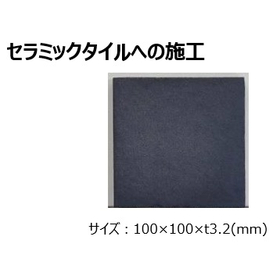

Exhibiting photocatalytic effects! A thermal spray coating that achieves powerful deodorization effects.
- Deodorizing Technology
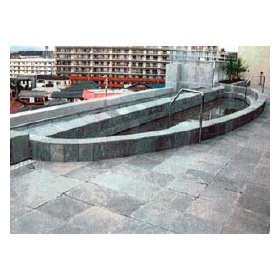

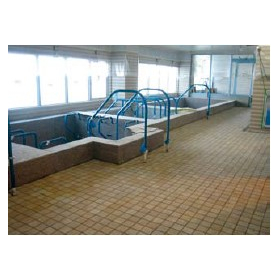
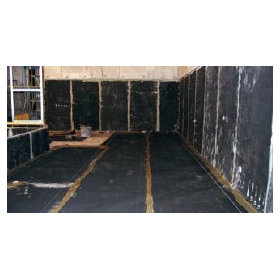
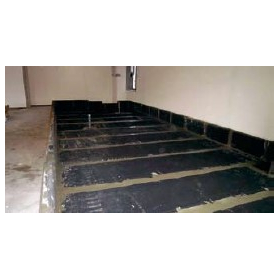
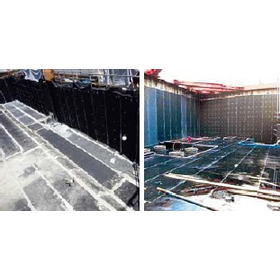
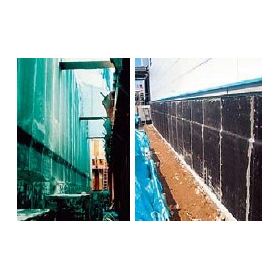
Even if the ground is wet, construction can be done! A waterproof material suitable for the pressing method.
- Other films and sheets
- Sheets and Films
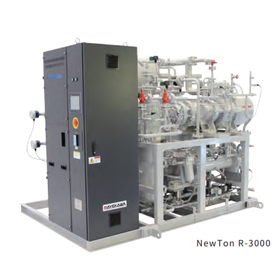

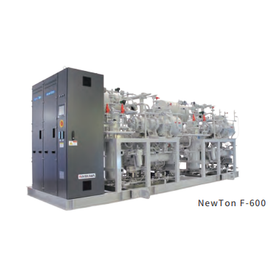
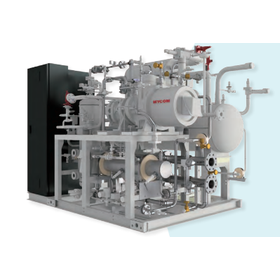
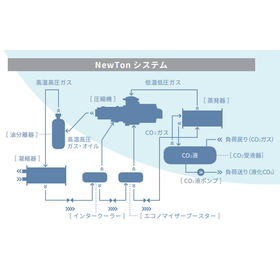
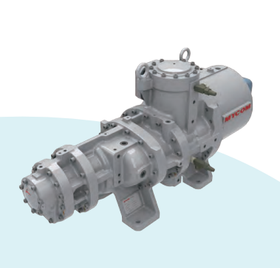
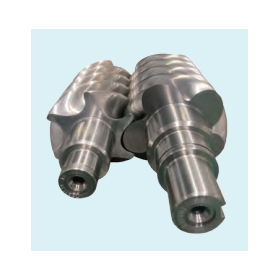
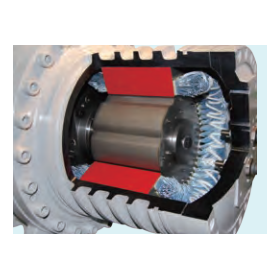
Support the cold chain with exceptional energy efficiency! Providing an efficient cooling environment.
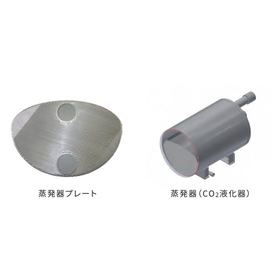
- Refrigerators and freezers
- freezer
- Cooling system
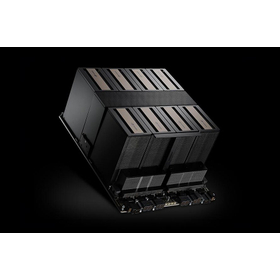

Adopts Blackwell Ultra architecture! Achieves a maximum computing performance of 144 PFLOPS.
- Other image-related equipment
- Image Processing
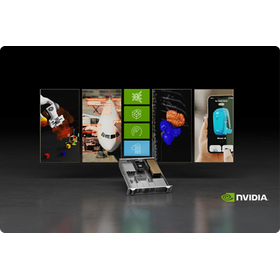
Provides class-leading development tools for AI engineers and reliable orchestration management for IT professionals.
- Other Software
- project management
- Development support tools (ICE, emulators, debuggers, etc.)

Before it gets hot, I want to review! Free set of 3 handbooks on "Heatstroke prevention, heat countermeasures, and safety measures that can be learned from the basics."
- Thermometer
- Surveillance Cameras
- Heat shielding film


These are nitrile rubber gloves that have been re-cleaned domestically in Japan and are safely and securely packaged in double clean packs.
- Other clean room equipment and facilities
- Clean Room
- Work gloves

Compact and Long-lasting Germicidal Lamp
At Naya Shoji Co., Ltd., we handle compact and long-lasting sterilization light sources UV-CCL (cold cathode sterilization lamp). We envision applications such as air disinfection within air ducts, as well as internal components for products like air purifiers and air conditioners. Features: - Strong resistance to power ON/OFF with a long lifespan (15,000 hours) - Space-saving sterilization light source

Recommended for infectious disease prevention/livestock farm work, etc.!
- Lab coat, clothing, shoes
- Protective Equipment
- Other safety and hygiene products

Recommended for electrostatic painting work, civil engineering and sewer work, dust collector inspection work, grease handling work, painting and paint spraying work, etc.!
- Other safety and hygiene products
- Other consumables
- Protective Equipment
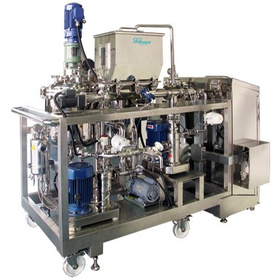
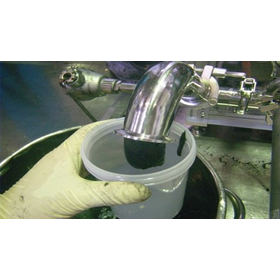
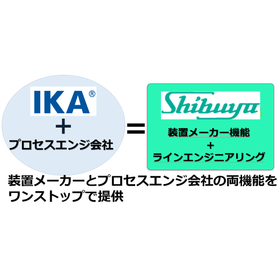
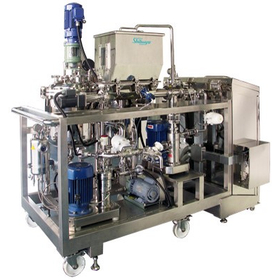
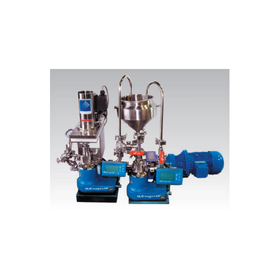
The quality of the battery slurry is determined by the process. A dispersion design that can be reproduced from research to mass production.
- Emulsifier/Disperser
- Vacuum degassing machine
- Dispersion/emulsification equipment/homogenizer

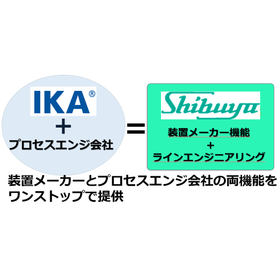
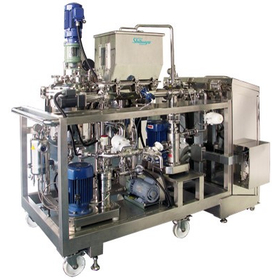
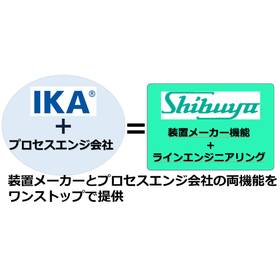
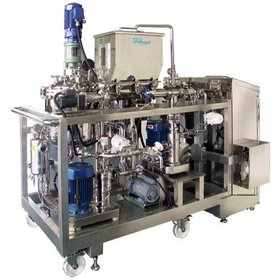
Thanks to our unique dispersion system, we can achieve the mixing and dispersion of fine powders in a short time without generating lumps! We can accommodate both continuous and batch processes.
- Emulsifier/Disperser
- Vacuum degassing machine
- Dispersion/emulsification equipment/homogenizer
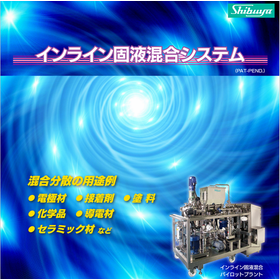
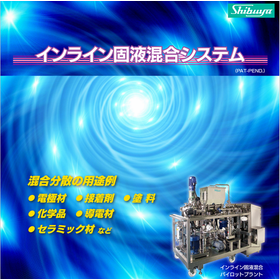
Reproducibility of slurry dispersion is created from process design.
- Emulsifier/Disperser
- Vacuum degassing machine
- Dispersion/emulsification equipment/homogenizer
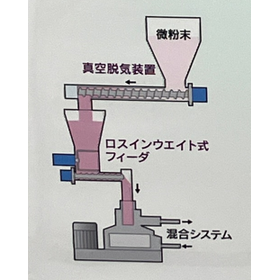
Why can't powders be supplied stably? - What causes supply irregularities in low bulk density powders?
In low bulk density powders and fine powders, issues such as "unstable supply," "pulsation," and "bridging without falling" frequently occur. Particularly with CNTs, carbon black, and flake powders, the particles tend to entangle easily and have low flowability, making stable quantitative supply difficult with conventional powder feeding methods. When powder supply becomes unstable, instantaneous concentration fluctuations occur, significantly affecting the dispersion quality, viscosity, and conductivity in subsequent processes. In practice, even problems that appear to be "poor dispersion" often have their causes on the powder supply side. Moreover, in low bulk density powders, bridging, rat-holing, and supply pulsations due to air entrapment are likely to occur within the hopper, and simply relying on feeder capacity may not resolve these issues. To achieve stable supply, it is crucial to design the entire process, including hopper design, supply methods, transport conditions, and feeding methods, according to the characteristics of the powder. Our company offers a solid-liquid mixing process that includes quantitative supply using loss-in-weight feeders and integration with inline dispersion devices. By designing the entire process from powder supply to dispersion as a cohesive unit, we support the establishment of stable manufacturing conditions even for high-performance materials.
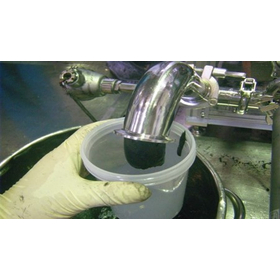
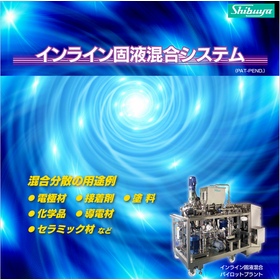
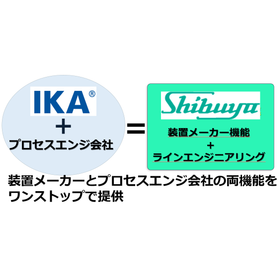
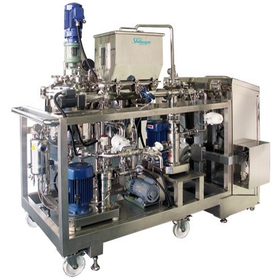
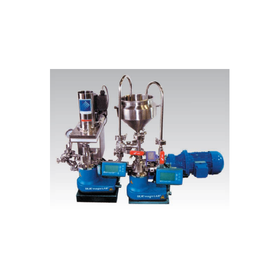
The quality of the positive electrode slurry is determined by the process, not the equipment. A dispersed design that takes mass production into account.
- Emulsifier/Disperser
- Vacuum degassing machine
- Dispersion/emulsification equipment/homogenizer

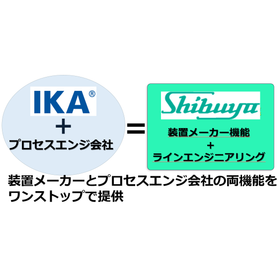
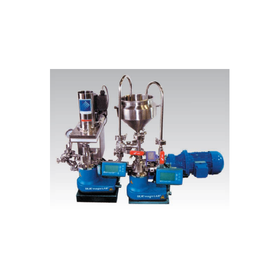
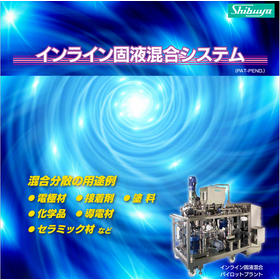
The dispersion quality of battery materials is determined by the process. A solid-liquid mixing dispersion system that suppresses agglomeration and aggregation.
- Emulsifier/Disperser
- Vacuum degassing machine
- Dispersion/emulsification equipment/homogenizer
What are the causes and countermeasures for quality variation in dispersed engineering? An explanation of design points to prevent instability in particle size distribution and reduced reproducibility.
In dispersion processes, issues such as unstable particle size distribution and quality variation between batches occur in many settings. These quality variations are caused not only by equipment performance but also by variations in dispersion conditions, flow states, and process design. For example, when shear energy is uneven, differences arise in the disintegration state of particles, leading to a wider particle size distribution and residual agglomeration. Additionally, in batch processing, variations in mixing uniformity and residence time can cause fluctuations in dispersion state between batches, making it difficult to ensure reproducibility. Particularly in high-viscosity systems or high solid content slurries, even slight variations in conditions can significantly impact quality. To suppress quality variations, it is crucial to design processes that maintain consistent dispersion energy and flow conditions. By stabilizing conditions, as in inline continuous processing, it becomes possible to reduce inter-batch differences and achieve stable dispersion quality. Furthermore, in dispersion processes, not only the performance of the equipment itself but also operating conditions such as input order, residence time, and flow control greatly affect quality. Inline continuous processing makes it easier to maintain these conditions consistently, ensuring stable dispersion even in high-viscosity slurries. By designing the entire process, it is possible to fundamentally suppress quality variations.

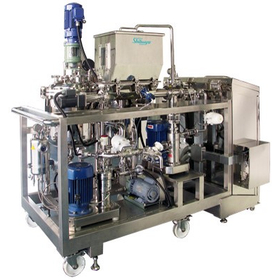
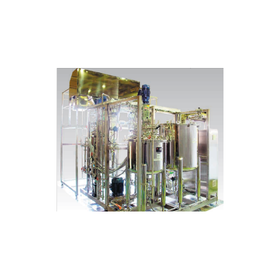
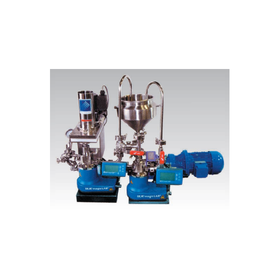
Dispersion is not determined by the equipment. It is determined by the process design of the solid-liquid mixing dispersion system.
- Dispersion/emulsification equipment/homogenizer
- Emulsifying and dispersing machine
- Emulsifier/Disperser
What are the causes and countermeasures for quality variation in dispersed engineering? An explanation of design points to prevent instability in particle size distribution and reduced reproducibility.
In dispersion processes, issues such as unstable particle size distribution and quality variation between batches occur in many settings. These quality variations are caused not only by equipment performance but also by variations in dispersion conditions, flow states, and process design. For example, when shear energy is uneven, differences arise in the disintegration state of particles, leading to a wider particle size distribution and residual agglomeration. Additionally, in batch processing, variations in mixing uniformity and residence time can cause fluctuations in dispersion state between batches, making it difficult to ensure reproducibility. Particularly in high-viscosity systems or high solid content slurries, even slight variations in conditions can significantly impact quality. To suppress quality variations, it is crucial to design processes that maintain consistent dispersion energy and flow conditions. By stabilizing conditions, as in inline continuous processing, it becomes possible to reduce inter-batch differences and achieve stable dispersion quality. Furthermore, in dispersion processes, not only the performance of the equipment itself but also operating conditions such as input order, residence time, and flow control greatly affect quality. Inline continuous processing makes it easier to maintain these conditions consistently, ensuring stable dispersion even in high-viscosity slurries. By designing the entire process, it is possible to fundamentally suppress quality variations.

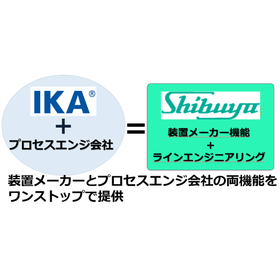
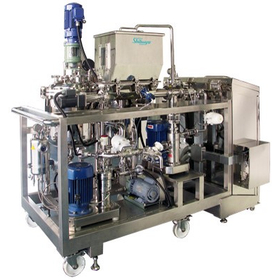
Thanks to our unique dispersion system, mixing and dispersing fine powders can be achieved in a short time without causing clumping! We can accommodate both continuous and batch processes.
- Emulsifier/Disperser
- Vacuum degassing machine
- Dispersion/emulsification equipment/homogenizer
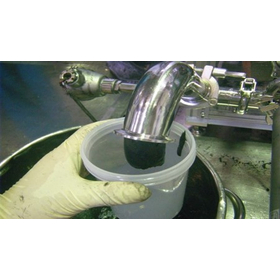
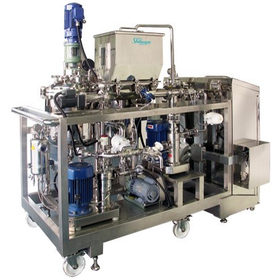
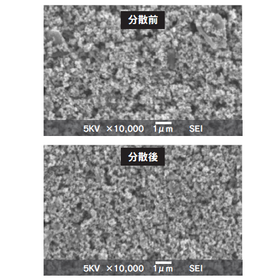
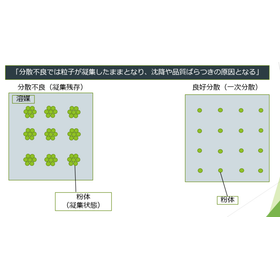
Supports CNT aggregation prevention and uniform dispersion. Assists in stabilizing the quality of conductive material slurry through continuous processing.
- Emulsifier/Disperser
- Powder Supply Device
- Dispersion/emulsification equipment/homogenizer
What causes clumping when adding powder? Design points for preventing and addressing poor dispersion.
In dispersion processes, the occurrence of agglomerates (clumps) during powder addition, which cannot be resolved in subsequent dispersion stages, is a common issue in many settings. The cause of this is that the powder does not wet uniformly in the liquid, leading to the formation of localized high-concentration areas. These agglomerates are also referred to as "fisheyes," and due to their internal unwetted structure, they are difficult to break apart. Once an agglomerate forms during powder addition, liquid has difficulty penetrating its interior, resulting in only the outer layer being wetted, which makes it hard for the internal particles to be disintegrated. Additionally, depending on the addition position and speed, the powder may float on the liquid surface or remain stagnant without following the flow within the equipment, promoting the formation of agglomerates. Particularly under conditions of high viscosity or high solid content, the low fluidity makes it challenging to achieve uniformity in the initial dispersion stage, leading to a higher likelihood of agglomerates remaining. Such agglomerates may not be completely resolved even with strong shear in subsequent processes, causing variations in the quality of the final product and introducing foreign substances. To prevent the formation of agglomerates, it is crucial to improve wettability during powder addition, ensure appropriate addition positions and flow design, and optimize the initial dispersion. By performing shear and mixing simultaneously right after addition, as in inline powder addition and simultaneous dispersion, it is possible to suppress the formation of agglomerates and achieve stable dispersion quality.
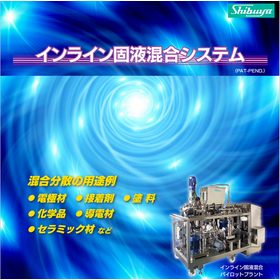
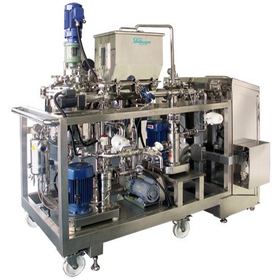
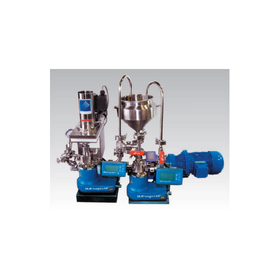
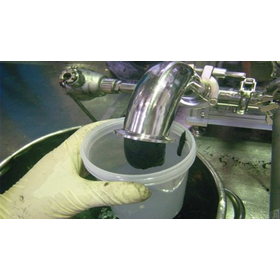
Easily agglomerated CNF, uniformly without clumping. The quality of dispersion is determined by process design.
- Emulsifier/Disperser
- Dispersion/emulsification equipment/homogenizer
- Emulsifying and dispersing machine
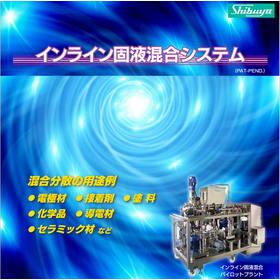
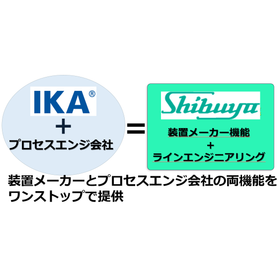
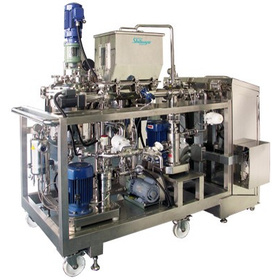
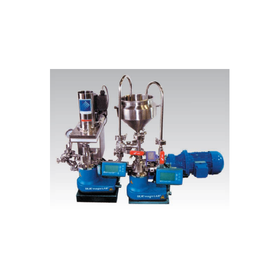
The negative electrode slurry's key is balancing viscosity and dispersion. Process design that can be reproduced up to mass production.
- Emulsifier/Disperser
- Vacuum degassing machine
- Dispersion/emulsification equipment/homogenizer
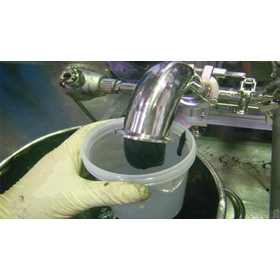
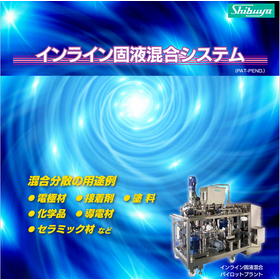
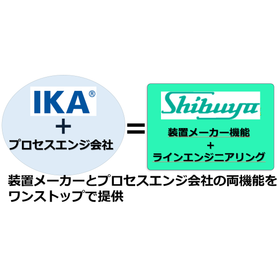
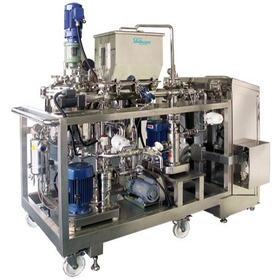
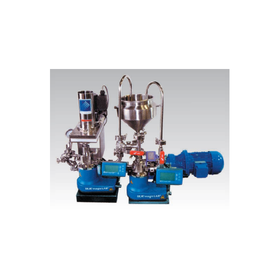
CNT dispersion is determined by the process. Control of aggregation stabilizes conductivity.
- Emulsifier/Disperser
- Vacuum degassing machine
- Dispersion/emulsification equipment/homogenizer
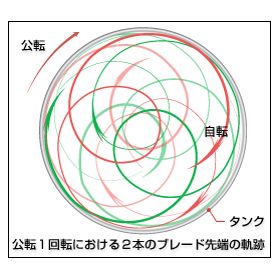
What are the reasons for the inability to disperse high solid content slurries? Causes of poor dispersion and design points for solutions.
In the dispersion process of high solid content slurries, problems such as "too high viscosity to mix" and "unable to break down agglomerates" occur. The main cause of these issues is the increased frequency of particle contact, which strengthens the cohesive forces. As the solid content concentration increases, the distance between particles decreases, leading to interference between particles that reduces fluidity and prevents sufficient dispersion energy from being transmitted. Additionally, the crowding of particles restricts flow and makes shear localized, resulting in the persistence of undispersed areas and agglomerates. Furthermore, in a high solid content state, the increase in viscosity also leads to poor circulation and stagnation, causing variability in the dispersion state within the process. Particularly in batch processing, mixing inconsistencies and differences in processing history directly translate into quality differences, making it difficult to ensure reproducibility. To achieve stable dispersion under high solid content conditions, it is important not only to increase shear force but also to consider dispersion design that takes into account inter-particle interactions, as well as process design that simultaneously controls flow and shear. By establishing a mechanism like inline continuous processing, where particles pass through the processing area under constant conditions, uniform and highly reproducible dispersion can be achieved even at high solid contents.
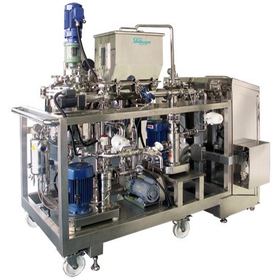
Inline continuous process that stabilizes CNT dispersion without disrupting its state.
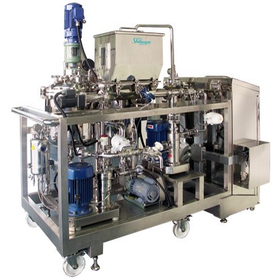
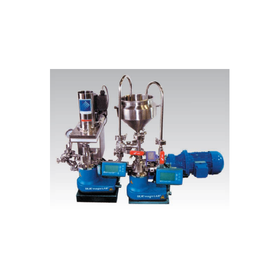
- Emulsifier/Disperser
- Vacuum degassing machine
- Dispersion/emulsification equipment/homogenizer
Why can't powders be supplied stably? - What causes supply irregularities in low bulk density powders?
In low bulk density powders and fine powders, issues such as "unstable supply," "pulsation," and "bridging without falling" frequently occur. Particularly with CNTs, carbon black, and flake powders, the particles tend to entangle easily and have low flowability, making stable quantitative supply difficult with conventional powder feeding methods. When powder supply becomes unstable, instantaneous concentration fluctuations occur, significantly affecting the dispersion quality, viscosity, and conductivity in subsequent processes. In practice, even problems that appear to be "poor dispersion" often have their causes on the powder supply side. Moreover, in low bulk density powders, bridging, rat-holing, and supply pulsations due to air entrapment are likely to occur within the hopper, and simply relying on feeder capacity may not resolve these issues. To achieve stable supply, it is crucial to design the entire process, including hopper design, supply methods, transport conditions, and feeding methods, according to the characteristics of the powder. Our company offers a solid-liquid mixing process that includes quantitative supply using loss-in-weight feeders and integration with inline dispersion devices. By designing the entire process from powder supply to dispersion as a cohesive unit, we support the establishment of stable manufacturing conditions even for high-performance materials.

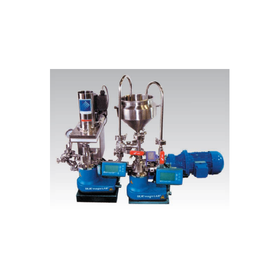
Thanks to our unique dispersion system, we can achieve the mixing and dispersion of fine powders in a short time without generating clumps! We can accommodate both continuous and batch processes.
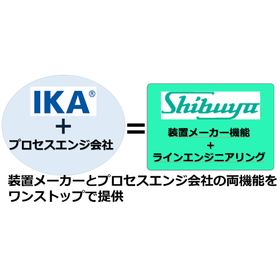
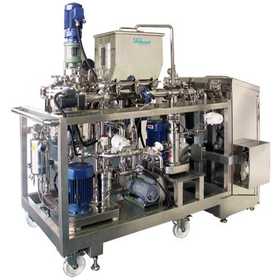
- Emulsifier/Disperser
- Vacuum degassing machine
- Dispersion/emulsification equipment/homogenizer
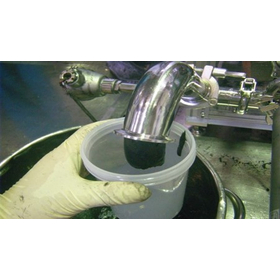
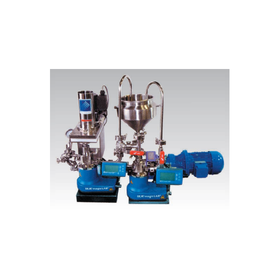
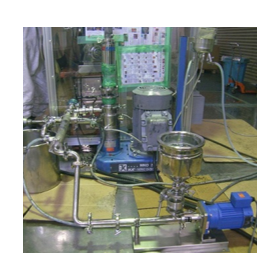
Verify before failing in mass production. Confirm the reproducibility of slurry dispersion in advance.
- Emulsifier/Disperser
- Vacuum degassing machine
- Dispersion/emulsification equipment/homogenizer
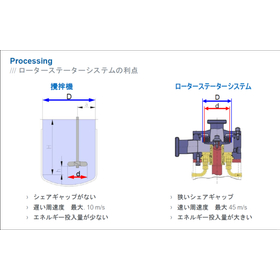
What are the reasons for changes in results from the lab to mass production? Causes and countermeasures for the deterioration of distributed quality during scale-up.
Despite obtaining good dispersion results in the lab, the challenge of unstable quality upon mass production occurs in many settings. The main cause of this is that the dispersion conditions are not replicated due to differences in scale. In lab equipment, the smaller size leads to higher energy density, making shear and flow more uniform, while in mass production equipment, the larger scale often results in insufficient dispersion energy at the same rotational speed and processing time. Additionally, differences in equipment structure and flow patterns can cause variations in the shear history and residence time experienced by particles, leading to differences in the dispersion state. Furthermore, simple scale-up does not ensure that critical parameters such as flow rate, residence time, and shear intensity match, making it difficult to reproduce the same results as in the lab. To address these challenges, it is essential to focus on process design based on dispersion energy density and flow conditions rather than merely increasing equipment size. By designing the system so that particles pass through the processing area under consistent conditions, it is possible to achieve reproducible dispersion quality even when the scale changes, as seen in inline continuous processing.
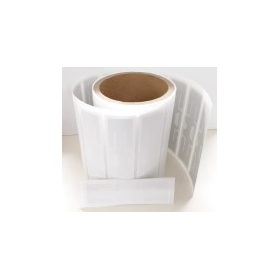

Multi-purpose! RFID tags that can also be used for managing moisture, liquids, and metal items.
- RFID/IC tags

With "Defense Coat," you can achieve strong protection even in harsh environments plagued by wear and corrosion. It allows for quick repairs on-site, safeguarding both operations and costs.
- Repair Agent
- Filtration Equipment
- Wastewater treatment equipment, technology and maintenance