361~405 item / All 1771 items
Displayed results
Filter by category

Added to bookmarks
Bookmarks listBookmark has been removed
Bookmarks listYou can't add any more bookmarks
By registering as a member, you can increase the number of bookmarks you can save and organize them with labels.
Free membership registration
Contact this company
Inquiry FormBefore making an inquiry
Download Profile361~405 item / All 1771 items
Filter by category

In the aviation industry, aircraft maintenance requires strict adherence to accurate work procedures and judgment criteria to maintain high safety and reliability. In particular, the judgments based on the experience and intuition of skilled mechanics are essential for the early detection of anomalies and appropriate responses. However, when this tacit knowledge becomes personalized, passing on skills to younger technicians becomes a challenge. Our service not only records maintenance work through video but also extracts and formalizes the reasoning and tips of experienced professionals, reflecting them in standard manuals and checklists to support the creation of an environment where younger technicians can make independent judgments and practice. 【Usage Scenarios】 - Visualization of aircraft inspection work by skilled mechanics - Checklist creation for anomaly response and exceptional judgment criteria - Practical education for younger mechanics and verification of their learning progress 【Benefits of Implementation】 - Standardization of judgment criteria in maintenance work and elimination of personalization - Early empowerment of younger mechanics and efficiency in skill acquisition - Stabilization of maintenance quality and establishment of a continuous education system
Added to bookmarks
Bookmarks listBookmark has been removed
Bookmarks listYou can't add any more bookmarks
By registering as a member, you can increase the number of bookmarks you can save and organize them with labels.
Free membership registration
In the field of civil engineering, particularly in design standardization, judgments based on the experience of skilled practitioners are highly valued. Responding to unexpected situations and detecting potential risks are influenced by tacit knowledge that cannot be fully covered by manuals alone. If the reasoning behind the judgments developed by veteran employees over many years, as well as the "tips" to avoid design delays, are not shared, it may lead to variations in design quality and difficulties in passing on technical knowledge to younger employees and successors. Our service carefully extracts this tacit knowledge from veterans and transforms it into explicit knowledge that other employees can understand, utilize, and replicate, thereby supporting the stabilization of design quality and the sustainable inheritance of know-how. [Utilization Scenarios] - Clarification of design judgment criteria - Analysis of past design mistakes and trouble cases, and deriving lessons - Education for young and new designers - Anomaly detection and initial response on-site - Support for design judgments during disasters [Effects of Implementation] - Stabilization of design quality through clarification of judgment criteria - Reduction of design mistake risks and prevention of recurrence - Smooth transfer of technology to younger employees and successors - Improvement of design responsiveness
Added to bookmarks
Bookmarks listBookmark has been removed
Bookmarks listYou can't add any more bookmarks
By registering as a member, you can increase the number of bookmarks you can save and organize them with labels.
Free membership registration
In the geological survey industry, judgments based on the experience of skilled professionals are highly valued in risk assessment. In particular, responding to unexpected ground conditions and detecting potential hazards are significantly influenced by tacit knowledge that cannot be fully covered by manuals alone. If the reasons behind the judgments made by veteran employees, developed over years of experience, and the "tips" for improving survey accuracy are not shared, the risk of accidents increases, and it becomes difficult to pass on skills to younger or successor employees. Our service carefully extracts this tacit knowledge from veterans through interviews and converts it into explicit knowledge that other employees can understand, utilize, and replicate, thereby supporting the overall improvement of the organization's risk assessment level and the sustainable transfer of know-how. 【Utilization Scenarios】 - Clarification of judgment criteria in hazard prediction activities (KY activities) - Investigation of causes during accidents and formulation of measures to prevent recurrence - Safety education for young and new workers - Anomaly detection and initial response on-site - Evacuation guidance and first aid during disasters 【Effects of Implementation】 - Stabilization of risk assessment through clarification of judgment criteria - Reduction of accident risks and prevention of recurrence - Smooth transfer of skills to younger and successor employees - Improvement of on-site response capabilities
Added to bookmarks
Bookmarks listBookmark has been removed
Bookmarks listYou can't add any more bookmarks
By registering as a member, you can increase the number of bookmarks you can save and organize them with labels.
Free membership registration
In heavy machinery operations, judgments based on the experience of skilled operators are emphasized for safe operation. In particular, responding to unexpected situations and detecting potential hazards are significantly influenced by tacit knowledge that cannot be fully covered by manuals. If the reasons behind the judgments of veteran operators, developed through years of experience, such as "why this operation is performed," and the "tips" for avoiding accidents are not shared, the risk of accidents increases, and it becomes difficult to pass on skills to younger or successor operators. Our service carefully extracts this tacit knowledge from veterans through interviews and transforms it into explicit knowledge that other employees can understand, utilize, and replicate, thereby supporting the overall improvement of safety management levels in the organization and the sustainable transfer of know-how. 【Usage Scenarios】 - Clarification of judgment criteria in hazard prediction activities (KY activities) - Investigation of causes during accidents and formulation of measures to prevent recurrence - Safety education for younger and new operators - Abnormal detection and initial response on-site - Evacuation guidance and first aid during disasters 【Effects of Implementation】 - Stabilization of safe operations through clarification of judgment criteria - Reduction of accident risks and prevention of recurrence - Smooth transfer of skills to younger and successor operators - Improvement of on-site response capabilities
Added to bookmarks
Bookmarks listBookmark has been removed
Bookmarks listYou can't add any more bookmarks
By registering as a member, you can increase the number of bookmarks you can save and organize them with labels.
Free membership registration
In the surveying industry, judgments based on the experience of skilled professionals are considered crucial for improving accuracy. In particular, responding to unexpected situations and detecting potential dangers are significantly influenced by tacit knowledge that cannot be fully covered by manuals. If the reasons behind the judgments made by veteran employees, cultivated over many years of experience, and the "tips" for maintaining and improving surveying accuracy are not shared, the risk of judgment errors increases, making it difficult to pass on skills to younger employees and successors. Our service carefully draws out this tacit knowledge from veterans through interviews and converts it into explicit knowledge that other employees can understand, utilize, and reproduce, thereby supporting the overall improvement of surveying accuracy in the organization and the sustainable transfer of know-how. 【Usage Scenarios】 - Clarification of judgment criteria in surveying - Anomaly detection and initial response on-site - Technical education for younger and new workers - Analysis of past surveying cases and deriving lessons 【Effects of Implementation】 - Stabilization of surveying accuracy through clarification of judgment criteria - Reduction of risks due to judgment errors - Smooth transfer of skills to younger employees and successors - Improvement of on-site response capabilities
Added to bookmarks
Bookmarks listBookmark has been removed
Bookmarks listYou can't add any more bookmarks
By registering as a member, you can increase the number of bookmarks you can save and organize them with labels.
Free membership registration
In the concrete pouring industry, decision-making based on the experience of skilled workers is highly valued in quality management. In particular, responding to unexpected situations and detecting potential dangers are significantly influenced by tacit knowledge that cannot be fully covered by manuals. If the reasons behind the decisions made by veteran employees, cultivated through years of experience, and the "tips" to avoid quality deterioration are not shared, the risk of accidents increases, and it becomes difficult to pass on skills to younger employees and successors. Our service carefully extracts this tacit knowledge from veterans through interviews and converts it into explicit knowledge that other employees can understand, utilize, and reproduce, thereby supporting the overall improvement of quality management levels within the organization and the sustainable inheritance of know-how. 【Utilization Scenarios】 - Clarification of decision-making criteria in hazard prediction activities (KY activities) - Investigation of causes during accidents and formulation of measures to prevent recurrence - Safety education for younger and new workers - Anomaly detection and initial response on-site - Evacuation guidance and first aid during disasters 【Effects of Implementation】 - Stabilization of quality through clarification of decision-making criteria - Reduction of accident risks and prevention of recurrence - Smooth transfer of skills to younger employees and successors - Improvement of on-site response capabilities
Added to bookmarks
Bookmarks listBookmark has been removed
Bookmarks listYou can't add any more bookmarks
By registering as a member, you can increase the number of bookmarks you can save and organize them with labels.
Free membership registration
In the field of formwork construction, the judgments based on the experience of skilled workers affect work efficiency and quality. In particular, implicit knowledge that cannot be fully conveyed through manuals is crucial for responding to unexpected situations and establishing efficient work procedures. If the reasons behind the steps taken, cultivated by veteran workers through years of experience, and the "tips" for shortening construction periods are not shared, variations in work will occur, making it difficult to pass on skills to younger and successor workers. Our service carefully extracts this implicit knowledge from veterans and transforms it into explicit knowledge that other workers can understand, utilize, and reproduce, thereby supporting overall work efficiency improvement on-site and the sustainable transfer of know-how. 【Usage Scenarios】 - Clarification of criteria for work procedures - Sharing lessons learned from past trouble cases - Work guidance for younger and new workers - Improvement of on-site arrangements - Sharing know-how for shortening construction periods 【Effects of Implementation】 - Increased efficiency through clarification of work procedures - Stabilization of work quality - Smooth transfer of skills to younger and successor workers - Enhanced on-site responsiveness
Added to bookmarks
Bookmarks listBookmark has been removed
Bookmarks listYou can't add any more bookmarks
By registering as a member, you can increase the number of bookmarks you can save and organize them with labels.
Free membership registration
On construction sites for rebar workers, judgments based on the experience of skilled workers are emphasized for safe and efficient operations. In particular, responding to unexpected situations and detecting potential hazards are significantly influenced by tacit knowledge that cannot be fully covered by manuals. If the reasons behind the judgments made by veteran employees, cultivated over many years of experience, and the "tips" for avoiding delays in processes are not shared, the risk of accidents increases, and the transmission of skills to younger and successor workers becomes difficult. Our service carefully extracts this tacit knowledge from veterans through interviews and converts it into explicit knowledge that other employees can understand, utilize, and replicate, thereby supporting the overall improvement of process management levels in the organization and contributing to sustainable knowledge transfer and labor-saving. 【Usage Scenarios】 - Clarification of judgment criteria in hazard prediction activities (KY activities) - Investigation of causes and formulation of recurrence prevention measures in the event of an accident - Safety education for young and new workers - Anomaly detection and initial response on-site - Evacuation guidance and first aid during disasters 【Effects of Implementation】 - Stabilization of processes through clarification of judgment criteria - Reduction of accident risks and prevention of recurrence - Smooth transmission of skills to younger and successor workers - Improvement of on-site response capabilities
Added to bookmarks
Bookmarks listBookmark has been removed
Bookmarks listYou can't add any more bookmarks
By registering as a member, you can increase the number of bookmarks you can save and organize them with labels.
Free membership registration
In material procurement, responding to unexpected situations and early detection of potential risks impact cost management. In particular, decisions based on the experience of skilled workers often rely on tacit knowledge that cannot be fully covered by manuals, and if this knowledge is not shared, unnecessary costs may arise or delays in the procurement process may occur. If the reasons behind the decisions made by veteran employees, cultivated through years of experience, and the "tips" for cost reduction are not formalized, it becomes difficult to pass on technical knowledge to younger employees and successors, hindering the overall optimization of procurement costs within the organization. Our service supports the stabilization of the procurement process and cost reduction through sustainable knowledge transfer by carefully eliciting the tacit knowledge of these veterans and converting it into explicit knowledge that other employees can understand, utilize, and replicate. 【Utilization Scenarios】 - Reducing waste by clarifying procurement decision criteria - Analyzing past procurement trouble cases and formulating recurrence prevention measures - Educating young and new employees on procurement know-how - Risk avoidance through abnormal detection and initial response on-site - Developing and executing procurement plans during disasters
Added to bookmarks
Bookmarks listBookmark has been removed
Bookmarks listYou can't add any more bookmarks
By registering as a member, you can increase the number of bookmarks you can save and organize them with labels.
Free membership registration
In quality management, judgments based on the experience of skilled practitioners are highly valued. In particular, responding to unexpected situations and detecting potential defects are greatly influenced by tacit knowledge that cannot be fully covered by manuals. If the reasons behind the judgments made by veteran employees, developed over years of experience, and the "tips" for avoiding defects are not shared, the risk of defects increases, and it becomes difficult to pass on skills to younger employees and successors. Our service carefully extracts this tacit knowledge from veterans through interviews and converts it into explicit knowledge that other employees can understand, utilize, and replicate, thereby supporting the overall improvement of the organization's quality management level and the sustainable transfer of know-how. 【Usage Scenarios】 - Investigating the causes of defects and formulating measures to prevent recurrence - Quality education for younger and new workers - Anomaly detection and initial response on-site 【Effects of Implementation】 - Reduction of defects through clarification of judgment criteria - Decreased accident risk and prevention of recurrence - Smooth transfer of skills to younger employees and successors
Added to bookmarks
Bookmarks listBookmark has been removed
Bookmarks listYou can't add any more bookmarks
By registering as a member, you can increase the number of bookmarks you can save and organize them with labels.
Free membership registration
In the field of environmental assessment, particularly in impact prediction, judgments based on the experience of skilled professionals are highly valued. Responding to unexpected situations and detecting potential risks involves tacit knowledge that cannot be fully covered by manuals alone. If the reasoning behind the judgments made by veteran employees, cultivated over years of experience, and the "tips" for improving predictive accuracy are not shared, variations in predictions will occur, making it difficult to pass on skills to younger or successor employees. Our service carefully extracts this tacit knowledge from veterans through interviews and transforms it into explicit knowledge that other employees can understand, utilize, and reproduce, thereby supporting the overall improvement of predictive accuracy within the organization and the sustainable transfer of know-how. 【Usage Scenarios】 - Clarification of judgment criteria in impact prediction - Analysis of past prediction cases and lessons learned - Education on prediction methods for younger and new employees - Anomaly detection and initial response in the field - Impact prediction and evacuation planning during disasters 【Effects of Implementation】 - Stabilization of accuracy through clarification of prediction criteria - Reduction of risks associated with prediction errors and prevention of recurrence - Smooth transfer of skills to younger and successor employees - Improvement of on-site response capabilities
Added to bookmarks
Bookmarks listBookmark has been removed
Bookmarks listYou can't add any more bookmarks
By registering as a member, you can increase the number of bookmarks you can save and organize them with labels.
Free membership registration
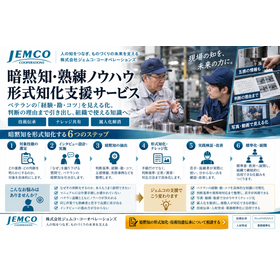
In the medical and healthcare industry, judgments based on advanced expertise and years of experience are essential for accurate diagnostic support. In particular, the "tacit knowledge" possessed by experienced doctors and specialists is based on subtle sensations that are difficult to articulate and judgment criteria that vary according to the situation. When this know-how is not formalized, it can lead to difficulties in training newcomers and transferring knowledge, resulting in variability in the quality of diagnoses. Our service delves into the reasons behind the judgments made by veterans, organizes sensory information and past cases, and transforms this into explicit knowledge that younger staff and successors can understand, utilize, and replicate, thereby supporting the improvement and standardization of diagnostic support quality. 【Usage Scenarios】 - Verbalizing the judgment criteria in the diagnostic processes of experienced doctors - Formalizing the tips of experts in operating and analyzing highly specialized medical equipment - Sharing diagnostic approaches for rare diseases and complex cases - Utilizing for the early empowerment of new doctors and technicians in training programs 【Effects of Implementation】 - Improvement and standardization of judgment accuracy in diagnostic support - Increased efficiency in the training of medical personnel through the inheritance of veteran know-how - Reduction of medical error risks and enhancement of patient safety - Elevation of the overall diagnostic capabilities of the organization and stabilization of service quality
Added to bookmarks
Bookmarks listBookmark has been removed
Bookmarks listYou can't add any more bookmarks
By registering as a member, you can increase the number of bookmarks you can save and organize them with labels.
Free membership registration
In the real estate sales industry, accurate advice based on the experience of veteran sales representatives is emphasized to meet the diverse needs of customers and gain their trust. In particular, detecting customers' potential desires and effectively conveying the appeal of properties involves tacit knowledge that cannot be fully covered by manuals. Without sharing the reasoning behind why a particular property is recommended, cultivated through years of experience, as well as the tips for effective communication that resonate with customers, it becomes difficult to improve the closing rate and mentor younger staff. Our service carefully extracts this tacit knowledge from veterans through interviews and transforms it into explicit knowledge that other employees can understand, utilize, and replicate, thereby supporting the overall enhancement of sales capabilities within the organization and the sustainable transfer of know-how. 【Usage Scenarios】 - Key points for questions that draw out customer needs - Effective communication techniques for conveying property appeal - How to address customer anxieties and questions - Tips for closing deals - Differentiation points from competing properties 【Benefits of Implementation】 - Standardization of skills among sales representatives - Improvement in closing rates - Rapid development of new sales representatives into effective team members - Increased customer satisfaction - Accumulation of sales know-how across the organization
Added to bookmarks
Bookmarks listBookmark has been removed
Bookmarks listYou can't add any more bookmarks
By registering as a member, you can increase the number of bookmarks you can save and organize them with labels.
Free membership registration
In the general construction industry, decision-making based on the experience of skilled workers is highly valued in site safety management. In particular, responding to unexpected situations and detecting potential hazards are significantly influenced by tacit knowledge that cannot be fully covered by manuals. If the reasons behind the judgments made by veteran employees, cultivated through years of experience, and the "tips" for avoiding dangers are not shared, the risk of accidents increases, and it becomes difficult to pass on skills to younger employees and successors. Our service carefully extracts this tacit knowledge from veterans through interviews and transforms it into explicit knowledge that other employees can understand, utilize, and replicate, thereby supporting the overall improvement of safety management levels within the organization and the sustainable transfer of know-how. 【Usage Scenarios】 - Clarification of decision-making criteria in hazard prediction activities (KY activities) - Investigation of causes during accidents and formulation of measures to prevent recurrence - Safety education for young and new workers - Anomaly detection and initial response on-site - Evacuation guidance and first aid during disasters 【Effects of Implementation】 - Improvement of the overall safety management level within the organization - Reduction of accident risks - Smooth transfer of know-how to younger employees and successors - Improved work efficiency through clarified decision-making criteria
Added to bookmarks
Bookmarks listBookmark has been removed
Bookmarks listYou can't add any more bookmarks
By registering as a member, you can increase the number of bookmarks you can save and organize them with labels.
Free membership registration
In the transportation and logistics industry, there is a demand for improved dispatch efficiency and accurate decision-making based on drivers' experiences. Particularly when responding to complex traffic situations or sudden changes in requests, the "experience, intuition, and tips" possessed by veteran drivers become crucial. However, these know-how are often difficult for the individuals to explain and are not formalized, making it challenging to pass them on to younger drivers. Additionally, differences in judgment and response between seasoned and younger drivers can affect dispatch efficiency and service quality. Our service addresses these challenges by extracting the tacit knowledge of veterans through interviews and converting it into explicit knowledge that can be utilized within the organization, thereby supporting improvements in dispatch efficiency and personnel development. 【Usage Scenarios】 - Formalizing the judgment criteria of veteran drivers - Effective transmission of skills to younger drivers - Standardizing responses to sudden changes in requests or irregular situations - Improving the accuracy of dispatch planning - Sharing lessons learned from accidents and trouble cases 【Benefits of Implementation】 - Faster and more accurate dispatch decision-making - Early development of younger drivers into valuable assets - Organizational sharing of personalized know-how - Standardization of service quality - Reduction of the risk of losing know-how due to veteran retirements
Added to bookmarks
Bookmarks listBookmark has been removed
Bookmarks listYou can't add any more bookmarks
By registering as a member, you can increase the number of bookmarks you can save and organize them with labels.
Free membership registration
In the residential construction industry, the standardization and uniformity of quality are emphasized to improve customer satisfaction and ensure reliability. In particular, the subtle judgments made on-site and responses to unexpected situations are greatly influenced by the tacit knowledge of skilled workers, which cannot be fully covered by manuals alone. If the reasons behind the judgments made by veteran employees, developed through years of experience, and the "tips" for maintaining quality are not shared, variations in quality will occur, making it difficult to pass on skills to younger and successor workers. Our service carefully extracts this tacit knowledge from veterans through interviews and converts it into explicit knowledge that other employees can understand, utilize, and replicate, thereby supporting the overall improvement of quality levels within the organization and the sustainable transfer of know-how. 【Usage Scenarios】 - Clarification of judgment criteria regarding quality standards - Investigation of causes and formulation of recurrence prevention measures when quality issues arise - Quality education for young and new workers - Anomaly detection and initial response on-site - Sharing of judgment criteria for design changes and special construction 【Effects of Implementation】 - Reduction of quality variations - Early empowerment of new and young workers - Promotion of the transfer of veteran know-how - Increased reliability from customers - Reduction of rework tasks
Added to bookmarks
Bookmarks listBookmark has been removed
Bookmarks listYou can't add any more bookmarks
By registering as a member, you can increase the number of bookmarks you can save and organize them with labels.
Free membership registration
In the subcontractor industry, decision-making based on the experience of skilled workers is emphasized in on-site safety management. In particular, responding to unexpected situations and detecting potential hazards are significantly influenced by tacit knowledge that cannot be fully covered by manuals. If the reasons behind the judgments made by veteran employees, developed through years of experience, and the "tips" for avoiding dangers are not shared, the risk of accidents increases, and it becomes difficult to pass on skills to younger employees and successors. Our service carefully extracts this tacit knowledge from veterans through interviews and converts it into explicit knowledge that other employees can understand, utilize, and replicate, thereby supporting the overall improvement of the organization's safety management level and the sustainable transfer of know-how. [Usage Scenarios] - Clarification of decision-making criteria in hazard prediction activities (KY activities) - Investigation of causes and formulation of measures to prevent recurrence in the event of an accident - Safety education for young and new workers - Anomaly detection and initial response on-site - Evacuation guidance and first aid during disasters [Effects of Implementation] - Improvement of the overall safety management level of the organization - Realization of sustainable know-how transfer - Reduction of accident risks - Promotion of the development of young employees and successors
Added to bookmarks
Bookmarks listBookmark has been removed
Bookmarks listYou can't add any more bookmarks
By registering as a member, you can increase the number of bookmarks you can save and organize them with labels.
Free membership registration
In the maintenance and inspection of equipment construction, the judgment based on the experience of skilled workers is emphasized in the safety management of the site. In particular, responding to unexpected situations and detecting potential dangers are significantly influenced by tacit knowledge that cannot be fully covered by manuals. If the reasons behind the judgments made by veteran employees, cultivated through years of experience, and the "tips" for avoiding dangers are not shared, the risk of accidents increases, and the transmission of skills to younger or successor employees becomes difficult. Our service carefully extracts this tacit knowledge from veterans through interviews and transforms it into explicit knowledge that other employees can understand, utilize, and reproduce, thereby supporting the overall improvement of safety management levels within the organization and the sustainable inheritance of know-how. 【Usage Scenarios】 - Clarification of judgment criteria in hazard prediction activities (KY activities) - Investigation of causes and formulation of measures to prevent recurrence in the event of an accident - Safety education for young and new workers - Abnormal detection and initial response on-site - Evacuation guidance and first aid during disasters 【Effects of Implementation】 - Improvement of safety management levels through clarification of judgment criteria - Reduction of accident risks and prevention of recurrence - Efficient inheritance of technology and know-how - Enhancement of on-site response capabilities
Added to bookmarks
Bookmarks listBookmark has been removed
Bookmarks listYou can't add any more bookmarks
By registering as a member, you can increase the number of bookmarks you can save and organize them with labels.
Free membership registration
In a design office, innovative idea generation based on design thinking and accurate judgment in complex projects are required. In particular, the intuitive ideas of veteran designers with many years of experience, the criteria for judgment derived from past similar cases that explain "why this design is good," and the "tips" for realizing it are often not formalized, making it challenging to share across the organization and pass on to younger members. If this tacit knowledge is not shared, it can lead to variations in design quality and missed opportunities for new ideas. Our service carefully extracts the tacit knowledge of veteran designers and transforms it into explicit knowledge that other members can understand, utilize, and reproduce, thereby supporting the improvement of the organization's design capabilities and the sustainable transfer of know-how. 【Usage Scenarios】 - Clarification of the criteria for judgment that underpin the design concept - Extraction of lessons learned from past project successes and failures - Practical guidance for young designers - Hints for generating innovative ideas - Improvement of persuasiveness in proposals to clients
Added to bookmarks
Bookmarks listBookmark has been removed
Bookmarks listYou can't add any more bookmarks
By registering as a member, you can increase the number of bookmarks you can save and organize them with labels.
Free membership registration
In the surveying and geological investigation industry, judgments based on the experience of skilled professionals are highly valued when assessing field conditions and interpreting data. In particular, responding to unexpected ground conditions and detecting potential risks are significantly influenced by tacit knowledge that cannot be fully covered by manuals. If the reasoning behind the judgments, such as "why this judgment is made from this data," and the "tips" for avoiding risks, cultivated by veteran employees over many years, are not shared, it can lead to a decrease in the accuracy of investigations and an increased risk of accidents, making it difficult to pass on skills to younger employees and successors. Our service carefully extracts this tacit knowledge from veterans through interviews and transforms it into explicit knowledge that other employees can understand, utilize, and replicate, thereby supporting the overall improvement of data interpretation levels within the organization and the sustainable inheritance of know-how. [Utilization Scenarios] - Clarification of judgment criteria for abnormal values in ground investigations - Sharing the rationale for identifying risks from investigation data - Education on data interpretation for young and new operators - Decision-making for unexpected situations on-site - Formalizing lessons learned from past investigation cases
Added to bookmarks
Bookmarks listBookmark has been removed
Bookmarks listYou can't add any more bookmarks
By registering as a member, you can increase the number of bookmarks you can save and organize them with labels.
Free membership registration
In civil engineering ground analysis, judgments based on the experience of skilled professionals are highly valued. In particular, responding to unexpected ground conditions and detecting potential risks are significantly influenced by tacit knowledge that cannot be fully covered by manuals alone. If the reasons behind the judgments made by veteran employees, cultivated through years of experience, and the "tips" for improving analysis accuracy are not shared, the risk of accidents due to analysis errors increases, making it difficult to pass on technical knowledge to younger employees and successors. Our service carefully extracts this tacit knowledge from veterans through interviews and transforms it into explicit knowledge that other employees can understand, utilize, and replicate, thereby supporting the overall improvement of the organization's ground analysis level and the sustainable inheritance of know-how. 【Usage Scenarios】 - Detection of anomalies in ground conditions and initial response - Investigation of causes when analysis errors occur and formulation of recurrence prevention measures - Education for young and new analysis personnel - Response to changes in ground conditions on-site - Ground risk assessment during disasters 【Effects of Implementation】 - Stabilization of analysis accuracy through clarification of judgment criteria - Reduction of accident risks due to analysis errors and prevention of recurrence - Smooth transfer of technology to younger employees and successors - Improvement of on-site response capabilities
Added to bookmarks
Bookmarks listBookmark has been removed
Bookmarks listYou can't add any more bookmarks
By registering as a member, you can increase the number of bookmarks you can save and organize them with labels.
Free membership registration
In architectural design for construction projects, judgments based on the experience of skilled professionals are highly valued. In particular, responding to unexpected situations and detecting potential dangers are greatly influenced by tacit knowledge that cannot be fully covered by manuals. If the reasons behind the judgments made by veteran employees, cultivated over years of experience, and the "tips" for avoiding delays in processes are not shared, the risk of accidents increases, and the transmission of skills to younger employees and successors becomes difficult. Our service carefully extracts this tacit knowledge from veterans through interviews and converts it into explicit knowledge that other employees can understand, utilize, and replicate, thereby supporting the overall improvement of process management levels within the organization and the sustainable inheritance of know-how. 【Usage Scenarios】 - Clarification of judgment criteria in hazard prediction activities (KY activities) - Investigation of causes and formulation of measures to prevent recurrence in the event of an accident - Safety education for young and new workers - Anomaly detection and initial response on-site - Evacuation guidance and first aid during disasters 【Effects of Implementation】 - Stabilization of processes through clarification of judgment criteria - Reduction of accident risks and prevention of recurrence - Smooth transmission of skills to younger employees and successors - Improvement of on-site response capabilities
Added to bookmarks
Bookmarks listBookmark has been removed
Bookmarks listYou can't add any more bookmarks
By registering as a member, you can increase the number of bookmarks you can save and organize them with labels.
Free membership registration
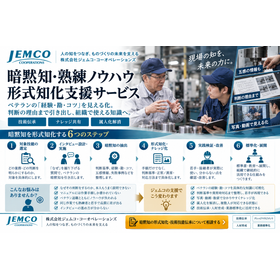
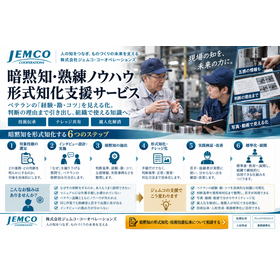
In the oil and gas extraction industry, the advanced judgment and experience of skilled workers are crucial for improving the efficiency of drilling operations and ensuring safety. Particularly in complex geological and drilling conditions, there are many situations where manuals alone cannot address the issues, and reliance on the "experience, intuition, and tips" of veteran operators becomes necessary. However, this tacit knowledge is often difficult for the individuals to articulate, and there is a risk of losing it due to the retirement or transfer of veteran employees. Our service addresses these challenges by carefully eliciting the tacit knowledge of veteran employees through interviews and converting it into explicit knowledge that other employees can understand, utilize, and replicate. 【Application Scenarios】 - Standardization of optimal operational judgment criteria based on drilling conditions - Rapid identification of causes and sharing of countermeasures during unexpected geological changes - Efficient transmission of drilling techniques to younger employees and successors - Prevention of knowledge leakage due to the retirement or transfer of veteran employees 【Benefits of Implementation】 - Improvement and stabilization of drilling operation quality - Reduction of response time and acceleration of recovery during trouble occurrences - Efficiency in the transmission of technology and overall skill enhancement of the organization - Systematic utilization and inheritance of the insights of veteran employees
Added to bookmarks
Bookmarks listBookmark has been removed
Bookmarks listYou can't add any more bookmarks
By registering as a member, you can increase the number of bookmarks you can save and organize them with labels.
Free membership registration
At demolition sites, judgments based on the experience of skilled workers are emphasized in safety management. In particular, responding to unexpected situations and detecting potential dangers are significantly influenced by tacit knowledge that cannot be fully covered by manuals. If the reasons behind the judgments made by veteran employees, developed over years of experience, and the "tips" for avoiding accidents are not shared, the risk of accidents increases, and it becomes difficult to pass on skills to younger or successor employees. Our service carefully extracts this tacit knowledge from veterans through interviews and converts it into explicit knowledge that other employees can understand, utilize, and reproduce, thereby supporting the overall improvement of safety management levels within the organization and the sustainable transfer of know-how. 【Usage Scenarios】 - Clarification of judgment criteria in hazard prediction activities (KY activities) - Investigation of causes and formulation of recurrence prevention measures in the event of an accident - Safety education for younger and new workers - Anomaly detection and initial response on-site - Evacuation guidance and first aid during disasters 【Effects of Implementation】 - Stabilization of safety management through clarification of judgment criteria - Reduction of accident risks and prevention of recurrence - Smooth transfer of skills to younger and successor employees - Improvement of on-site response capabilities
Added to bookmarks
Bookmarks listBookmark has been removed
Bookmarks listYou can't add any more bookmarks
By registering as a member, you can increase the number of bookmarks you can save and organize them with labels.
Free membership registration
In the dam construction industry, decision-making based on the experience of skilled professionals is highly valued in hydraulic calculations. In particular, responding to unexpected situations and detecting potential dangers are significantly influenced by tacit knowledge that cannot be fully covered by manuals. If the reasons behind the judgments made by veteran employees, cultivated over many years of experience, and the "tips" for avoiding delays in processes are not shared, the risk of accidents increases, and it becomes difficult to pass on technical knowledge to younger employees and successors. Our service carefully extracts this tacit knowledge from veterans through interviews and converts it into explicit knowledge that other employees can understand, utilize, and reproduce, thereby supporting the overall improvement of process management levels within the organization and the sustainable transfer of know-how. [Usage Scenarios] - Clarification of decision-making criteria in hazard prediction activities (KY activities) - Investigation of causes and formulation of measures to prevent recurrence in the event of an accident - Safety education for young and new workers - Anomaly detection and initial response on-site - Evacuation guidance and first aid during disasters [Effects of Implementation] - Stabilization of processes through clarification of decision-making criteria - Reduction of accident risks and prevention of recurrence - Smooth transfer of technology to younger employees and successors - Improvement of on-site response capabilities
Added to bookmarks
Bookmarks listBookmark has been removed
Bookmarks listYou can't add any more bookmarks
By registering as a member, you can increase the number of bookmarks you can save and organize them with labels.
Free membership registration
In tunnel construction excavation management, decisions based on the experience of skilled workers are highly valued. In particular, responding to unexpected ground changes and detecting potential collapse risks are significantly influenced by tacit knowledge that cannot be fully covered by manuals. If the reasons behind the judgments made by veteran employees, developed over years of experience, and the "tips" to avoid excavation delays are not shared, the risk of accidents increases, and the transfer of skills to younger or successor workers becomes difficult. Our service carefully extracts this tacit knowledge from veterans through interviews and converts it into explicit knowledge that other employees can understand, utilize, and replicate, thereby supporting the overall improvement of excavation management levels within the organization and the sustainable transfer of know-how. 【Utilization Scenarios】 - Clarification of judgment criteria in hazard prediction activities (KY activities) - Investigation of causes during accidents and formulation of recurrence prevention measures - Safety education for younger and new workers - Abnormal detection and initial response on-site - Evacuation guidance and first aid during disasters 【Effects of Implementation】 - Stabilization of processes through clarification of judgment criteria - Reduction of accident risks and prevention of recurrence - Smooth transfer of skills to younger and successor workers - Improvement of on-site response capabilities
Added to bookmarks
Bookmarks listBookmark has been removed
Bookmarks listYou can't add any more bookmarks
By registering as a member, you can increase the number of bookmarks you can save and organize them with labels.
Free membership registration
In thermal power plants, advanced judgment and experience possessed by skilled workers are essential for stable operation and safety. Particularly in optimizing combustion efficiency and maintaining complex equipment, there are many situations where manuals alone cannot address the issues, necessitating reliance on the "experience, intuition, and tips" of veteran employees. However, this tacit knowledge is often difficult for the individuals to articulate, and there is a risk of losing it due to the retirement or transfer of veteran employees. Our service addresses these challenges by carefully extracting the tacit knowledge held by veteran employees through interviews and converting it into explicit knowledge that other employees can understand, utilize, and replicate. 【Usage Scenarios】 - Standardization of criteria for assessing combustion efficiency - Rapid identification of causes and sharing of countermeasures during unexpected equipment troubles - Efficient transmission of equipment maintenance techniques to younger employees and successors - Prevention of knowledge leakage due to the retirement or transfer of veteran employees 【Benefits of Implementation】 - Improvement and stabilization of equipment maintenance quality - Reduction in response time and acceleration of recovery during trouble occurrences - Efficiency in technology transfer and overall skill enhancement of the organization - Organizational utilization and inheritance of the insights of veteran employees
Added to bookmarks
Bookmarks listBookmark has been removed
Bookmarks listYou can't add any more bookmarks
By registering as a member, you can increase the number of bookmarks you can save and organize them with labels.
Free membership registration
In the energy management industry, advanced judgment and experience possessed by skilled workers are essential for the stable operation and safety of plants. Particularly during unexpected trouble or complex equipment maintenance, there are many situations where manuals alone cannot address the issues, necessitating reliance on the "experience, intuition, and tips" of veteran employees. This tacit knowledge is often difficult for the individuals to articulate, and there is a risk of losing it due to the retirement or transfer of veteran employees. Our service addresses these challenges by carefully eliciting the tacit knowledge of veteran employees through interviews and converting it into explicit knowledge that other employees can understand, utilize, and replicate. This enables the standardization of judgment criteria for energy-saving proposals and facilitates rapid identification of causes and sharing of countermeasures during trouble occurrences. [Usage Scenarios] - Standardization of judgment criteria in regular plant maintenance - Rapid identification of causes and sharing of countermeasures during unexpected equipment troubles - Efficient transmission of equipment maintenance techniques to younger employees and successors - Prevention of knowledge leakage due to the retirement or transfer of veteran employees
Added to bookmarks
Bookmarks listBookmark has been removed
Bookmarks listYou can't add any more bookmarks
By registering as a member, you can increase the number of bookmarks you can save and organize them with labels.
Free membership registration
In urban development, particularly in zoning, decisions based on the experience of skilled practitioners are highly valued. Responding to unexpected situations and detecting potential risks are influenced by tacit knowledge that cannot be fully covered by manuals. If the reasons behind decisions, such as "why that judgment is made," and the "tips" to avoid project delays, cultivated by veteran employees over many years, are not shared, the risks of the project increase, and it becomes difficult to pass on skills to younger employees and successors. Our service carefully extracts this tacit knowledge from veterans through interviews and transforms it into explicit knowledge that other employees can understand, utilize, and replicate, thereby supporting the overall improvement of process management levels within the organization and the sustainable inheritance of know-how. 【Utilization Scenarios】 - Clarification of decision-making criteria in zoning - Investigation of causes and formulation of recurrence prevention measures during planning changes - Education for younger and new staff - Anomaly detection and initial response on-site - Evacuation guidance and first aid during disasters 【Effects of Implementation】 - Stabilization of plans through clarification of decision-making criteria - Reduction of project risks and prevention of recurrence - Smooth transfer of skills to younger employees and successors - Improvement of on-site response capabilities
Added to bookmarks
Bookmarks listBookmark has been removed
Bookmarks listYou can't add any more bookmarks
By registering as a member, you can increase the number of bookmarks you can save and organize them with labels.
Free membership registration
In airport construction, particularly in runway design, decisions based on the experience of skilled professionals are highly valued. Responding to unexpected ground changes and detecting potential safety risks greatly rely on tacit knowledge that cannot be fully covered by manuals. If the reasons behind the judgments made by veteran employees, developed through years of experience, and the "tips" to avoid design delays are not shared, the design risks increase, making it difficult to pass on technical knowledge to younger and successor employees. Our service carefully extracts this tacit knowledge from veterans through interviews and transforms it into explicit knowledge that other employees can understand, utilize, and replicate, thereby supporting the overall improvement of runway design levels within the organization and the sustainable transfer of know-how. 【Application Scenarios】 - Clarification of design judgment criteria - Investigation of causes and formulation of recurrence prevention measures during design-related troubles - Technical education for young and new designers - Anomaly detection and initial response on-site - Design changes and emergency measures during disasters 【Benefits of Implementation】 - Stabilization of design through clarification of judgment criteria - Reduction of design risks and prevention of recurrence - Smooth transfer of technical knowledge to younger and successor employees - Improvement of on-site response capabilities
Added to bookmarks
Bookmarks listBookmark has been removed
Bookmarks listYou can't add any more bookmarks
By registering as a member, you can increase the number of bookmarks you can save and organize them with labels.
Free membership registration
The stable operation and safety assurance of oil refining plants require the advanced judgment and experience of skilled workers. Particularly during unexpected trouble or complex equipment maintenance, there are many situations where manuals alone cannot address the issues, and reliance on the "experience, intuition, and tips" of veteran employees becomes necessary. However, this tacit knowledge is often difficult for the individuals to articulate, and there is a risk of losing it due to the retirement or transfer of veteran employees. Our service addresses these challenges by carefully eliciting the tacit knowledge held by veteran employees through interviews and converting it into explicit knowledge that other employees can understand, utilize, and replicate. 【Application Scenarios】 - Standardization of judgment criteria in regular plant maintenance - Rapid identification of causes and sharing of countermeasures during unexpected equipment troubles - Efficient transmission of equipment maintenance techniques to younger employees and successors - Prevention of knowledge leakage due to the retirement or transfer of veteran employees 【Benefits of Implementation】 - Improvement and stabilization of equipment maintenance quality - Reduction of response time and acceleration of recovery during trouble occurrences - Efficiency in technology transfer and overall skill enhancement of the organization - Organizational utilization and inheritance of the insights of veteran employees
Added to bookmarks
Bookmarks listBookmark has been removed
Bookmarks listYou can't add any more bookmarks
By registering as a member, you can increase the number of bookmarks you can save and organize them with labels.
Free membership registration
In the real estate development industry, judgments based on the experience of seasoned professionals are highly valued in market analysis. In particular, responding to unexpected market fluctuations and detecting potential risks are significantly influenced by tacit knowledge that cannot be fully covered by manuals alone. If the reasons behind the judgments made by veteran employees, cultivated through years of experience, and the "tips" for capturing market trends are not shared, the accuracy of the analysis will decline, making it difficult to pass on insights to younger employees and successors. Our service carefully extracts this tacit knowledge from veterans through interviews and converts it into explicit knowledge that other employees can understand, utilize, and replicate, thereby supporting the overall improvement of the organization's market analysis capabilities and the sustainable transfer of know-how. 【Utilization Scenarios】 - Clarification of judgment criteria for market trends - Extraction of lessons from past market analysis cases - Analysis training for younger and new employees - Detection of market anomalies and initial response - Market risk assessment in new business development 【Effects of Implementation】 - Objective judgments based on analytical foundations - Organizational sharing of previously individualized know-how - Improved analysis accuracy and expedited decision-making - Enhanced efficiency in successor development
Added to bookmarks
Bookmarks listBookmark has been removed
Bookmarks listYou can't add any more bookmarks
By registering as a member, you can increase the number of bookmarks you can save and organize them with labels.
Free membership registration
In the energy industry, the advanced expertise and know-how of experienced engineers are crucial for maintaining and improving safe operations. In particular, criteria for maintenance and inspection, past cases of anomaly detection and their countermeasures, and troubleshooting heuristics can be shared and utilized across the organization, leading to the prevention of accidents and improvements in operational efficiency. However, this knowledge often relies on individual experience and is not formalized, making organizational utilization challenging. Our service supports the creation of a system that visualizes such individual expertise and transforms it into knowledge that can be shared and utilized throughout the organization. 【Usage Scenarios】 - Extraction of tacit knowledge from veteran engineers - Sharing of past anomaly detection cases and their countermeasures - Technical transfer to new personnel - Standardization of maintenance and inspection criteria 【Benefits of Implementation】 - Improvement of safety management levels - Reduction of incident occurrence risks - Facilitation of technical succession - Enhancement of the organization's overall safety management capabilities
Added to bookmarks
Bookmarks listBookmark has been removed
Bookmarks listYou can't add any more bookmarks
By registering as a member, you can increase the number of bookmarks you can save and organize them with labels.
Free membership registration
In the remodeling and renovation industry, it is essential to respond to the diverse needs of customers and make accurate judgments on-site based on the experience of skilled professionals. In particular, understanding customers' latent needs and flexibly responding to unexpected situations are influenced by tacit knowledge that cannot be fully covered by manuals. If the reasons behind the judgments made by veteran employees, developed through years of experience, and the "tips" for enhancing customer satisfaction are not shared, it may lead to a decline in customer satisfaction and difficulties in passing on skills to younger employees and successors. Our service carefully extracts this tacit knowledge from veterans through interviews and converts it into explicit knowledge that other employees can understand, utilize, and replicate, thereby supporting the overall improvement of customer response levels within the organization and the sustainable transfer of know-how. 【Usage Scenarios】 - Clarification of accurate proposal standards for customer requests - Investigation of causes and formulation of recurrence prevention measures during complaints - Customer response training for younger and new staff - Initial response to unexpected situations on-site - Sharing the rationale behind judgments during explanations and proposals to customers
Added to bookmarks
Bookmarks listBookmark has been removed
Bookmarks listYou can't add any more bookmarks
By registering as a member, you can increase the number of bookmarks you can save and organize them with labels.
Free membership registration
In the real estate management industry, the judgment based on the experience of seasoned professionals is highly valued for its quick and accurate response during trouble occurrences. Particularly, in dealing with unexpected situations and detecting potential dangers, tacit knowledge that cannot be fully covered by manuals has a significant impact. If the reasons behind the judgments made by veteran employees, cultivated through years of experience, and the "tips" for avoiding troubles are not shared, the risks of delayed responses and incorrect judgments increase, making it difficult to pass on skills to younger employees and successors. Our service carefully draws out this tacit knowledge from veterans through interviews and transforms it into explicit knowledge that other employees can understand, utilize, and replicate, thereby supporting the overall improvement of the organization's trouble response level and the sustainable inheritance of know-how. 【Usage Scenarios】 - Investigating the causes of accidents and formulating measures to prevent recurrence - Detecting abnormalities on-site and initial responses - Guiding evacuation and providing first aid during disasters 【Effects of Implementation】 - Clarification of response standards during trouble occurrences - Reduction of response time and improvement of quality - Effective training for younger and new employees - Strengthening the organization's overall response capability
Added to bookmarks
Bookmarks listBookmark has been removed
Bookmarks listYou can't add any more bookmarks
By registering as a member, you can increase the number of bookmarks you can save and organize them with labels.
Free membership registration
In the new energy development industry, the advanced judgment and experience of skilled workers are essential for the stable operation and safety of plants. Particularly during unexpected trouble or complex equipment maintenance, there are many situations where manuals alone cannot address the issues, necessitating reliance on the "experience, intuition, and tips" of veteran employees. However, this tacit knowledge is often difficult for the individuals to articulate, and there is a risk of losing it due to the retirement or transfer of veteran employees. Our service addresses these challenges by carefully eliciting the tacit knowledge held by veteran employees through interviews and converting it into explicit knowledge that other employees can understand, utilize, and replicate. 【Usage Scenarios】 - Standardization of decision-making criteria in regular plant maintenance - Rapid identification of causes and sharing of countermeasures during unexpected equipment troubles - Efficient transmission of equipment maintenance techniques to younger employees and successors - Prevention of knowledge leakage due to the retirement or transfer of veteran employees 【Benefits of Implementation】 - Improvement and stabilization of equipment maintenance quality - Reduction of response time and acceleration of recovery during trouble occurrences - Efficiency in knowledge transfer and overall skill enhancement of the organization - Organizational utilization and inheritance of the insights of veteran employees
Added to bookmarks
Bookmarks listBookmark has been removed
Bookmarks listYou can't add any more bookmarks
By registering as a member, you can increase the number of bookmarks you can save and organize them with labels.
Free membership registration
In harbor construction, particularly in wharf design, the judgment based on the experience of skilled professionals is highly valued. Responding to unexpected situations and detecting potential dangers significantly relies on tacit knowledge that cannot be fully covered by manuals. If the reasons behind the judgments made by veteran employees, cultivated through years of experience, and the "tips" for avoiding design challenges are not shared, the risk of design errors and accidents increases, making it difficult to pass on technical skills to younger employees and successors. Our service carefully extracts this tacit knowledge from veterans through interviews and transforms it into explicit knowledge that other employees can understand, utilize, and replicate, thereby supporting the overall improvement of the organization's design level and the sustainable inheritance of know-how. 【Usage Scenarios】 - Clarification of design judgment criteria - Analysis of past design mistakes and trouble cases, and deriving lessons - Technical guidance for young and new designers - Sharing know-how related to abnormal detection and initial response on-site - Support for design judgment during disasters 【Effects of Implementation】 - Improved design accuracy through clarification of judgment criteria - Reduced risk of design errors and accidents - Smooth transfer of technology to younger employees and successors - Enhanced on-site response capabilities
Added to bookmarks
Bookmarks listBookmark has been removed
Bookmarks listYou can't add any more bookmarks
By registering as a member, you can increase the number of bookmarks you can save and organize them with labels.
Free membership registration
In infrastructure development, particularly in bridge inspections, judgments based on the experience of skilled workers are highly valued. Especially in responding to unexpected situations and detecting potential dangers, tacit knowledge that cannot be fully covered by manuals has a significant impact. If the reasons behind the judgments made by veteran employees, cultivated over many years of experience, and the "tips" for improving inspection accuracy are not shared, the risk of accidents increases, and it becomes difficult to pass on skills to younger employees and successors. Our service carefully extracts this tacit knowledge from veterans through interviews and transforms it into explicit knowledge that other employees can understand, utilize, and replicate, thereby supporting the overall improvement of inspection levels within the organization and the sustainable inheritance of know-how. 【Usage Scenarios】 - Clarification of inspection standards - Investigation of causes during accidents and formulation of measures to prevent recurrence - Safety education for young and new workers - Anomaly detection and initial response on-site - Evacuation guidance and first aid during disasters 【Effects of Implementation】 - Stabilization of inspections through clarification of judgment criteria - Reduction of accident risks and prevention of recurrence - Smooth transfer of skills to younger employees and successors - Improvement of on-site response capabilities
Added to bookmarks
Bookmarks listBookmark has been removed
Bookmarks listYou can't add any more bookmarks
By registering as a member, you can increase the number of bookmarks you can save and organize them with labels.
Free membership registration
In the planning of renewable energy facility installations, judgments based on the experience of skilled professionals are highly valued. In particular, responding to unexpected situations and detecting potential dangers are significantly influenced by tacit knowledge that cannot be fully covered by manuals. If the reasons behind the judgments made by veteran employees, cultivated through years of experience, and the "tips" to avoid delays in installation plans are not shared, the risk of accidents increases, and the transmission of skills to younger employees and successors becomes difficult. Our service carefully extracts this tacit knowledge from veterans through interviews and converts it into explicit knowledge that other employees can understand, utilize, and replicate, thereby supporting the overall improvement of installation planning levels within the organization and the sustainable transmission of know-how. 【Utilization Scenarios】 - Clarification of judgment criteria in hazard prediction activities (KY activities) - Investigation of causes during accidents and formulation of measures to prevent recurrence - Safety education for young and new workers - Anomaly detection and initial response on-site - Evacuation guidance and first aid during disasters 【Effects of Implementation】 - Stabilization of installation plans through clarification of judgment criteria - Reduction of accident risks and prevention of recurrence - Smooth transmission of skills to younger employees and successors - Improvement of on-site response capabilities
Added to bookmarks
Bookmarks listBookmark has been removed
Bookmarks listYou can't add any more bookmarks
By registering as a member, you can increase the number of bookmarks you can save and organize them with labels.
Free membership registration
In the gas retail industry, advanced judgment and experience possessed by skilled workers are essential for ensuring stable operation and safety of equipment. Particularly during unexpected trouble or complex equipment maintenance, there are many situations where manuals alone cannot address the issues, necessitating reliance on the "experience, intuition, and tips" of veteran employees. However, this tacit knowledge is often difficult for the individuals to articulate, and there is a risk of losing it due to the retirement or transfer of veteran employees. Our service addresses these challenges by carefully eliciting the tacit knowledge of veteran employees through interviews and converting it into explicit knowledge that other employees can understand, utilize, and replicate. 【Usage Scenarios】 - Standardization of judgment criteria in regular plant maintenance - Rapid identification of causes and sharing of countermeasures during unexpected equipment troubles - Efficient transmission of equipment maintenance techniques to younger employees and successors - Prevention of knowledge leakage due to the retirement or transfer of veteran employees 【Benefits of Implementation】 - Improvement and stabilization of equipment maintenance quality - Reduction of response time and acceleration of recovery during trouble occurrences - Efficiency in knowledge transfer and overall skill enhancement of the organization - Organizational utilization and inheritance of the insights of veteran employees
Added to bookmarks
Bookmarks listBookmark has been removed
Bookmarks listYou can't add any more bookmarks
By registering as a member, you can increase the number of bookmarks you can save and organize them with labels.
Free membership registration
In the electricity retail industry, the advanced judgment and experience of skilled operators are crucial for improving customer satisfaction and maintaining service quality. Particularly in handling complex inquiries and addressing irregular situations, there are many instances where manuals alone cannot suffice, necessitating reliance on the "experience, intuition, and tips" of veteran employees. However, this tacit knowledge is often difficult for the individuals to articulate, and there is a risk of losing it due to the retirement or transfer of veteran employees. Our service addresses these challenges by carefully extracting the tacit knowledge held by veteran employees through interviews and converting it into explicit knowledge that other employees can understand, utilize, and replicate. [Utilization Scenarios] - Standardizing judgment criteria for complex inquiries from customers - Rapid identification of causes and sharing of countermeasures during irregular situations - Efficient transmission of customer service skills to younger employees and successors - Prevention of knowledge leakage due to the retirement or transfer of veteran employees [Effects of Implementation] - Improvement and stabilization of customer service quality - Reduction in inquiry response time and acceleration of problem-solving - Efficiency in skill transmission and overall skill enhancement of the organization - Organizational utilization and inheritance of the insights of veteran employees
Added to bookmarks
Bookmarks listBookmark has been removed
Bookmarks listYou can't add any more bookmarks
By registering as a member, you can increase the number of bookmarks you can save and organize them with labels.
Free membership registration
In the transportation and logistics industry, improving dispatch efficiency and making accurate judgments based on drivers' experiences are essential. Particularly when responding to complex traffic situations or sudden changes in requests, the "experience, intuition, and skills" possessed by veteran drivers become crucial. However, these know-how are often difficult for the individuals to explain and are not codified, making it challenging to pass on to younger drivers. Additionally, differences in judgment and response between experienced and younger drivers can affect dispatch efficiency and service quality. Our service addresses these challenges by extracting the tacit knowledge of veterans through interviews and converting it into explicit knowledge that can be utilized within the organization, thereby supporting improvements in dispatch efficiency and personnel development. 【Utilization Scenarios】 - Codifying the judgment criteria of veteran drivers - Effective transmission of skills to younger drivers - Standardizing responses to sudden changes in requests or irregular situations - Improving the accuracy of dispatch planning - Sharing lessons learned from accidents and trouble cases 【Benefits of Implementation】 - Faster and more accurate dispatch decisions - Early development of younger drivers into valuable assets - Organizational sharing of personalized know-how - Standardization of service quality - Reducing the risk of losing know-how due to veteran retirements
Added to bookmarks
Bookmarks listBookmark has been removed
Bookmarks listYou can't add any more bookmarks
By registering as a member, you can increase the number of bookmarks you can save and organize them with labels.
Free membership registration
In renewable energy power plants, the advanced judgment and experience of skilled workers are crucial for stabilizing power generation and efficient operation. Particularly in responding to weather fluctuations and adjusting operations based on equipment conditions, there are many situations that cannot be covered by manuals alone, necessitating reliance on the "experience, intuition, and tips" of veteran employees. However, this tacit knowledge is often difficult for the individuals to articulate, and there is a risk of losing it due to the retirement or transfer of veteran employees. Our service addresses these challenges by carefully eliciting the tacit knowledge held by veteran employees through interviews and converting it into explicit knowledge that other employees can understand, utilize, and replicate. 【Usage Scenarios】 - Standardization of judgment criteria in power generation forecasting - Rapid identification of causes and sharing of countermeasures during unexpected equipment troubles - Efficient transmission of equipment maintenance techniques to younger employees and successors - Prevention of knowledge leakage due to the retirement or transfer of veteran employees 【Benefits of Implementation】 - Improved accuracy and stabilization of power generation forecasts - Reduced response time and expedited recovery during trouble occurrences - Increased efficiency in knowledge transfer and overall skill enhancement within the organization - Systematic utilization and inheritance of insights from veteran employees
Added to bookmarks
Bookmarks listBookmark has been removed
Bookmarks listYou can't add any more bookmarks
By registering as a member, you can increase the number of bookmarks you can save and organize them with labels.
Free membership registration
In the maintenance of power distribution networks, advanced judgment and experience possessed by skilled workers are essential for ensuring stable power supply and safety. Particularly during unexpected trouble incidents or the maintenance of complex equipment, there are many situations where manuals alone cannot address the issues, necessitating reliance on the "experience, intuition, and tips" of veteran employees. However, this tacit knowledge is often difficult for the individuals to articulate, and there is a risk of losing it due to the retirement or transfer of veteran employees. Our service addresses these challenges by carefully eliciting the tacit knowledge of veteran employees through interviews and converting it into explicit knowledge that other employees can understand, utilize, and replicate. 【Application Scenarios】 - Standardization of judgment criteria in regular maintenance of power distribution equipment - Rapid identification of causes and sharing of countermeasures during unexpected equipment troubles - Efficient transmission of maintenance technology to younger employees and successors - Prevention of knowledge loss due to the retirement or transfer of veteran employees 【Benefits of Implementation】 - Improvement and stabilization of maintenance quality - Reduction in response time and acceleration of recovery during trouble incidents - Efficiency in technology transfer and overall skill enhancement of the organization - Organizational utilization and inheritance of the insights of veteran employees
Added to bookmarks
Bookmarks listBookmark has been removed
Bookmarks listYou can't add any more bookmarks
By registering as a member, you can increase the number of bookmarks you can save and organize them with labels.
Free membership registration
In chemical plant reaction control, the advanced judgment and experience of skilled workers are essential for maintaining product quality and stable production. Particularly in complex reaction processes or operations under unexpected circumstances, there are many situations where manuals alone cannot address the issues, and reliance on the "experience, intuition, and tips" of veteran operators becomes necessary. However, this tacit knowledge is often difficult for the individuals to articulate, and there is a risk of losing it due to the retirement or transfer of veteran employees. Our service addresses these challenges by carefully eliciting the tacit knowledge held by veteran employees through interviews and converting it into explicit knowledge that other employees can understand, utilize, and replicate. 【Utilization Scenarios】 - Standardization of judgment criteria in setting reaction conditions - Rapid identification of causes and sharing of countermeasures during unexpected process abnormalities - Efficient transmission of reaction control techniques to younger employees and successors - Prevention of knowledge leakage due to the retirement or transfer of veteran employees 【Effects of Implementation】 - Improvement and stabilization of reaction control quality - Reduction of response time and acceleration of recovery during process abnormalities - Efficiency in knowledge transfer and overall skill enhancement of the organization - Organizational utilization and inheritance of the insights of veteran employees
Added to bookmarks
Bookmarks listBookmark has been removed
Bookmarks listYou can't add any more bookmarks
By registering as a member, you can increase the number of bookmarks you can save and organize them with labels.
Free membership registration