iPROS Manufacturing
  • Search for products by classification category

    • Electronic Components and Modules
      Electronic Components and Modules
      60454items
    • Machinery Parts
      Machinery Parts
      75252items
    • Manufacturing and processing machinery
      Manufacturing and processing machinery
      101270items
    • Scientific and Physics Equipment
      Scientific and Physics Equipment
      35870items
    • Materials
      Materials
      37395items
    • Measurement and Analysis
      Measurement and Analysis
      55124items
    • Image Processing
      Image Processing
      15243items
    • Control and Electrical Equipment
      Control and Electrical Equipment
      53798items
    • Tools, consumables, and supplies
      Tools, consumables, and supplies
      65028items
    • Design and production support
      Design and production support
      12527items
    • IT/Network
      IT/Network
      44559items
    • Office
      Office
      14008items
    • Business support services
      Business support services
      24925items
    • Seminars and Skill Development
      Seminars and Skill Development
      6462items
    • Pharmaceutical and food related
      Pharmaceutical and food related
      32339items
    • others
      74266items
  • Search for companies by industry

    • Manufacturing and processing contract
      7333
    • others
      4990
    • Industrial Machinery
      4415
    • Machine elements and parts
      3298
    • Other manufacturing
      2881
    • IT/Telecommunications
      2552
    • Trading company/Wholesale
      2512
    • Industrial Electrical Equipment
      2305
    • Building materials, supplies and fixtures
      1815
    • software
      1641
    • Electronic Components and Semiconductors
      1564
    • Resin/Plastic
      1496
    • Service Industry
      1457
    • Testing, Analysis and Measurement
      1125
    • Ferrous/Non-ferrous metals
      983
    • environment
      698
    • Chemical
      631
    • Automobiles and Transportation Equipment
      565
    • Printing Industry
      510
    • Information and Communications
      459
    • Consumer Electronics
      412
    • Energy
      327
    • Rubber products
      314
    • Food Machinery
      307
    • Optical Instruments
      277
    • robot
      274
    • fiber
      250
    • Paper and pulp
      227
    • Pharmaceuticals and Biotechnology
      168
    • Electricity, Gas and Water Industry
      166
    • Warehousing and transport related industries
      147
    • Glass and clay products
      140
    • Food and Beverage
      129
    • CAD/CAM
      123
    • retail
      108
    • Medical Devices
      103
    • Educational and Research Institutions
      102
    • Ceramics
      98
    • wood
      88
    • Transportation
      82
    • Petroleum and coal products
      63
    • Medical and Welfare
      62
    • Shipbuilding and heavy machinery
      51
    • Aviation & Aerospace
      47
    • Fisheries, Agriculture and Forestry
      41
    • equipment
      34
    • Public interest/special/independent administrative agency
      31
    • Research and development equipment and devices
      28
    • Materials
      27
    • self-employed
      24
    • Government
      23
    • Mining
      17
    • Finance, securities and insurance
      13
    • cosmetics
      13
    • Individual
      10
    • Restaurants and accommodations
      9
    • Police, Fire Department, Self-Defense Forces
      7
    • Laboratory Equipment and Consumables
      4
    • Raw materials for reagents and chemicals
      3
    • Contracted research
      3
  • Special Features
  • Ranking

    • Overall Products Ranking
    • Overall Company Ranking
Search for Products
  • Search for products by classification category

  • Electronic Components and Modules
  • Machinery Parts
  • Manufacturing and processing machinery
  • Scientific and Physics Equipment
  • Materials
  • Measurement and Analysis
  • Image Processing
  • Control and Electrical Equipment
  • Tools, consumables, and supplies
  • Design and production support
  • IT/Network
  • Office
  • Business support services
  • Seminars and Skill Development
  • Pharmaceutical and food related
  • others
Search for Companies
  • Search for companies by industry

  • Manufacturing and processing contract
  • others
  • Industrial Machinery
  • Machine elements and parts
  • Other manufacturing
  • IT/Telecommunications
  • Trading company/Wholesale
  • Industrial Electrical Equipment
  • Building materials, supplies and fixtures
  • software
  • Electronic Components and Semiconductors
  • Resin/Plastic
  • Service Industry
  • Testing, Analysis and Measurement
  • Ferrous/Non-ferrous metals
  • environment
  • Chemical
  • Automobiles and Transportation Equipment
  • Printing Industry
  • Information and Communications
  • Consumer Electronics
  • Energy
  • Rubber products
  • Food Machinery
  • Optical Instruments
  • robot
  • fiber
  • Paper and pulp
  • Pharmaceuticals and Biotechnology
  • Electricity, Gas and Water Industry
  • Warehousing and transport related industries
  • Glass and clay products
  • Food and Beverage
  • CAD/CAM
  • retail
  • Medical Devices
  • Educational and Research Institutions
  • Ceramics
  • wood
  • Transportation
  • Petroleum and coal products
  • Medical and Welfare
  • Shipbuilding and heavy machinery
  • Aviation & Aerospace
  • Fisheries, Agriculture and Forestry
  • equipment
  • Public interest/special/independent administrative agency
  • Research and development equipment and devices
  • Materials
  • self-employed
  • Government
  • Mining
  • Finance, securities and insurance
  • cosmetics
  • Individual
  • Restaurants and accommodations
  • Police, Fire Department, Self-Defense Forces
  • Laboratory Equipment and Consumables
  • Raw materials for reagents and chemicals
  • Contracted research
Special Features
Ranking
  • Overall Products Ranking
  • Overall Company Ranking
  • privacy policy
  • terms of service
  • About Us
  • Careers
  • Advertising
  1. Home
  2. Other manufacturing
  3. サーモニックENG
  4. Product/Service List
Other manufacturing
  • Added to bookmarks

    Bookmarks list

    Bookmark has been removed

    Bookmarks list

    You can't add any more bookmarks

    By registering as a member, you can increase the number of bookmarks you can save and organize them with labels.

    Free membership registration

サーモニックENG

Establishment21th March 2025
capital300Ten thousand
addressChiba/Narashino-shi/8-31-16 Higashisharaku, Chiba
phone070-6596-0321
  • Special site
  • Official site
last updated:Dec 25, 2025
  • Contact this company

    Inquiry Form
  • Company information
  • Products/Services(75)
  • catalog(56)
  • news(0)

サーモニックENG Product Lineup

  • category

1~24 item / All 24 items

Displayed results

Filter by category
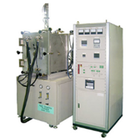
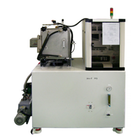
Compact Carbon furnace Compact Carbon furnace
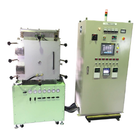
Metal furnace Metal furnace
Multi-atmosphere furnace Multi-atmosphere furnace
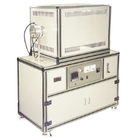
Tube furnace Tube furnace
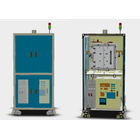
Compact chlorination furnace Compact chlorination furnace
Tube

Tube furnace

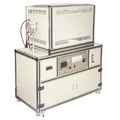
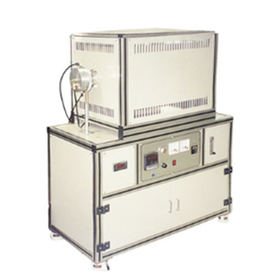
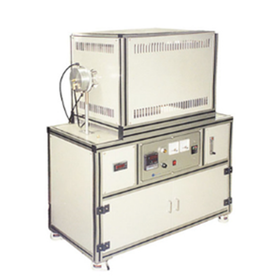
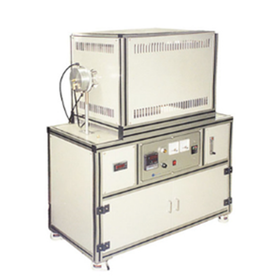
The tube furnace is an electric furnace that uses tube materials such as quartz, alumina, or metal to support vacuum, inert, reducing, and reactive gas atmospheres, and can be flexibly applied to material synthesis, heat treatment, and reaction evaluation by taking advantage of continuous gas flow and easy sample exchange.

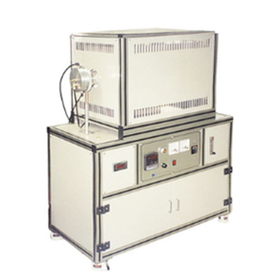
Tube furnace | Test furnace for visualizing reaction behavior

Synchronize and record flow rate, pressure, material temperature, and exhaust to visualize the start to end of the reaction.

We handle "tubular furnaces" that are suitable for visualizing reaction behavior. In general-purpose tubular furnaces, it is often difficult to grasp the timing of reaction start and end, as well as the behavior of gas generation, changes in pressure, and flow rate, as only pre- and post-firing analyses can be performed. This equipment can be configured to synchronize logging of data during the reaction by combining flow meters, pressure gauges, temperature measurements, sampling ports, and exhaust analysis lines according to the customer's objectives. 【Features】 ■ Simultaneous recording of flow, pressure, temperature, and exhaust data ■ Understanding of the timing of reaction start, end, and gas generation ■ Design of sampling ports, bypass lines, etc. ■ Compatible with various atmospheres such as vacuum, inert gas, and H2 ■ Suitable for small-scale tests for exhaust evaluation and condition examination *For more details, please download the materials or contact us.

Added to bookmarks

Bookmarks list

Bookmark has been removed

Bookmarks list

You can't add any more bookmarks

By registering as a member, you can increase the number of bookmarks you can save and organize them with labels.

Free membership registration

Tube furnace | Supports catalyst activation and reaction behavior evaluation

Synchronously record temperature, flow rate, pressure, and exhaust to visualize catalyst activation conditions.

We offer a "tubular furnace" suitable for catalyst activation and reaction behavior evaluation. In catalyst processing, slight differences in temperature, pressure, gas flow rate, and atmosphere switching can affect activity and reproducibility. General-purpose tubular furnaces may only analyze before and after firing, making it difficult to grasp the timing of reaction start and end, as well as gas generation behavior. This equipment incorporates MFCs, pressure gauges, thermocouples, sampling lines, and more according to the application, allowing for synchronized logging of temperature, flow rate, pressure, and exhaust data. 【Features】 ■ Simultaneous recording of temperature, flow rate, pressure, and exhaust data ■ Understanding the timing of reaction start, end, and gas generation ■ Implementation of MFCs, pressure gauges, and thermocouples according to application ■ Design of sampling ports and exhaust analysis lines ■ Ideal for comparing catalyst activation conditions and confirming reproducibility *For more details, please download the materials or contact us.

Added to bookmarks

Bookmarks list

Bookmark has been removed

Bookmarks list

You can't add any more bookmarks

By registering as a member, you can increase the number of bookmarks you can save and organize them with labels.

Free membership registration

Tube furnace | Visualizing temperature, flow rate, and pressure during ceramics sintering

Synchronize the recording of temperature, flow rate, and pressure during firing to streamline the condition setting.

We handle a "tubular furnace" suitable for examining the conditions of the ceramics firing process. In ceramics firing, temperature, pressure, atmosphere gas, and flow conditions significantly affect the firing results. General-purpose tubular furnaces may only evaluate before and after firing, making it difficult to grasp temperature changes, pressure fluctuations, and gas flow during firing. This equipment incorporates MFCs, pressure gauges, thermocouples, sampling lines, and other components according to the application, allowing for the recording of temperature, flow, and pressure during firing with the same timestamp. 【Features】 ■ Synchronized logging of temperature, flow, and pressure ■ Implementation of MFCs, pressure gauges, and thermocouples according to application ■ Design of sampling ports and exhaust lines ■ Compatible with various atmospheres such as vacuum, inert gas, and H2 ■ Ideal for comparing ceramics firing conditions and verifying reproducibility *For more details, please download the materials or contact us.

Added to bookmarks

Bookmarks list

Bookmark has been removed

Bookmarks list

You can't add any more bookmarks

By registering as a member, you can increase the number of bookmarks you can save and organize them with labels.

Free membership registration

Tube furnace | Visualizing the sintering conditions of battery electrode materials

Synchronously record temperature, flow rate, and pressure to optimize electrode sintering conditions.

We handle a "tubular furnace" suitable for investigating firing conditions of battery electrode materials. In the firing of electrode materials, temperature, pressure, gas flow rate, and atmospheric conditions affect uniformity, property variation, and defect occurrence. General-purpose tubular furnaces often only evaluate before and after firing, making it difficult to understand the reaction behavior and condition changes during firing. This equipment incorporates MFCs, pressure gauges, thermocouples, sampling lines, and other components as needed, allowing for the recording of temperature, flow rate, and pressure during firing with the same timestamp. 【Features】 ■ Synchronized logging of temperature, flow rate, and pressure ■ Implementation of MFCs, pressure gauges, and thermocouples as needed ■ Design of sampling ports and exhaust lines ■ Compatible with various atmospheres such as vacuum, inert gas, and H2 ■ Ideal for comparing and confirming reproducibility of electrode firing conditions *For more details, please download the materials or contact us.

Added to bookmarks

Bookmarks list

Bookmark has been removed

Bookmarks list

You can't add any more bookmarks

By registering as a member, you can increase the number of bookmarks you can save and organize them with labels.

Free membership registration

Tube furnace | Visualizing heat treatment conditions for metals and alloys

Synchronously record temperature, flow rate, and pressure to optimize heat treatment conditions for metals and alloys.

We handle "tubular furnaces" suitable for examining heat treatment conditions of metal and alloy materials. In the firing and heat treatment of metals and alloys, temperature, pressure, gas flow rate, and atmospheric conditions affect alloy composition, microstructural changes, oxidation/reduction behavior, and quality variations. General-purpose tubular furnaces may only evaluate before and after firing, making it difficult to grasp temperature changes, pressure fluctuations, and gas flow during heat treatment. This equipment incorporates MFCs, pressure gauges, thermocouples, and sampling lines according to the application, allowing for the recording of temperature, flow rate, and pressure during heat treatment with the same timestamp. 【Features】 ■ Synchronized logging of temperature, flow rate, and pressure ■ Implementation of MFCs, pressure gauges, and thermocouples according to application ■ Design of sampling ports and exhaust lines ■ Compatible with various atmospheres such as vacuum, inert gas, and H2 ■ Suitable for comparing and verifying the reproducibility of heat treatment conditions for metals and alloys *For more details, please download the materials or contact us.

Added to bookmarks

Bookmarks list

Bookmark has been removed

Bookmarks list

You can't add any more bookmarks

By registering as a member, you can increase the number of bookmarks you can save and organize them with labels.

Free membership registration

Custom tubular furnace | Individual design of pipe size, heating zone, and temperature rise conditions

Custom tubular furnace designed to meet specific applications, including pipe diameter, heating zone, atmosphere, and instrumentation.

We offer "custom tubular furnaces" designed to meet the specifications tailored to your applications. In standard tubular furnaces, there may be cases where the tube size, heating zone length, heating rate, processing temperature, atmosphere gas, and instrumentation configuration do not match, making it impossible to reproduce the desired testing conditions. Our tubular furnaces are designed for stable operation at approximately 1200°C, with the heating zone, tube size, gas lines, measuring instruments, sampling ports, and other components customizable according to your needs. We can accommodate various gases such as inert gases like N2/Ar and H2. We will propose specifications based on your desired furnace dimensions, temperature conditions, and atmospheric conditions. 【Features】 ■ Design of tube size and heating zone length according to application ■ Consideration of furnace configuration based on heating rate, temperature distribution, and processing volume ■ Compatibility with various gas atmospheres such as N2/Ar/H2 ■ Selection of instrumentation such as thermocouples, MFCs, pressure gauges, and O2 meters ■ Custom solutions for sampling ports and exhaust lines *Please feel free to consult us even if the specifications do not match the standard products.

Added to bookmarks

Bookmarks list

Bookmark has been removed

Bookmarks list

You can't add any more bookmarks

By registering as a member, you can increase the number of bookmarks you can save and organize them with labels.

Free membership registration

A tubular furnace capable of measuring sample temperature, flow rate, and pressure.

Measure sample temperature, gas flow rate, and pressure to visualize reaction behavior.

The "tubular furnace" is a compact furnace that places a ceramic reaction tube in a cylindrical heating section and performs heat treatment while flowing various atmospheric gases. Despite being small and low-cost, it can measure sample temperature, gas flow rate, and pressure, making it suitable for understanding reaction conditions and material evaluation. Our tubular furnace can be used for material reaction evaluation under atmospheric gas conditions, reaction mechanism analysis, and initial evaluation of new materials. 【Features】 ■ Capable of heating while flowing various gases ■ Supports measurement of sample temperature, flow rate, and pressure ■ Effective for confirming reaction initiation, change points, and temperature dependence ■ Small and low-cost, making it easy to apply for research and development purposes ■ Customizable measurement and gas line options according to conditions *For more details, please download the materials or contact us.

Added to bookmarks

Bookmarks list

Bookmark has been removed

Bookmarks list

You can't add any more bookmarks

By registering as a member, you can increase the number of bookmarks you can save and organize them with labels.

Free membership registration

Supports various firing tests such as Cl2, H2, NH3, O2, and humidification.

Confirm the feasibility of firing in a special atmosphere such as chlorine, reduction, oxidation, NH3, and humidification before equipment installation.

When introducing an electric furnace, it can be difficult to determine the equipment specifications if conditions such as temperature, atmosphere gas, processing time, pressure, sample amount, exhaust gas, and safety measures are still uncertain. Small-scale tests under special conditions that are difficult to accommodate in general electric furnaces, such as corrosive gases like Cl2/HCl, reducing atmospheres like H2, oxidizing atmospheres like O2/Air, NH3 atmospheres, humidified atmospheres, and vacuum/N2/Ar atmospheres, are possible. 【Examples of tests that can be conducted】 ■ Dry removal of metal impurities and selective chlorination using Cl2/HCl ■ Reduction firing and deoxidation treatment using H2 ■ Oxidation firing and surface oxidation treatment using O2/Air ■ Nitriding treatment and reactivity confirmation using NH3 You can consult us even at the stage where conditions are uncertain, such as "Can firing be done under these conditions?", "Can this gas atmosphere be accommodated?", and "Can we consider the generated gases and exhaust treatment?" Even if the material name, processing temperature, atmosphere gas, and processing purpose are not determined, we will support the examination of furnace types, test conditions, and safety configurations at our company. *For examples of tests that can be conducted and the approach, please download the materials or contact us.

Added to bookmarks

Bookmarks list

Bookmark has been removed

Bookmarks list

You can't add any more bookmarks

By registering as a member, you can increase the number of bookmarks you can save and organize them with labels.

Free membership registration

How to Choose a Atmosphere Furnace | Comparison Table by Furnace Type

Aren't you just choosing based on the maximum temperature? Comparison materials for furnace type selection.

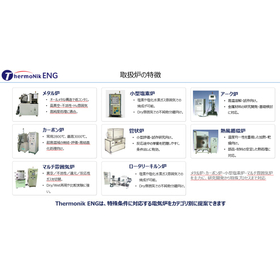
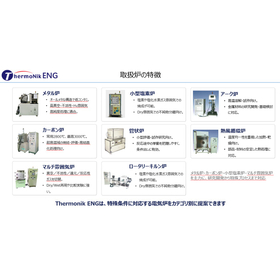
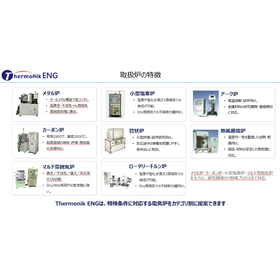
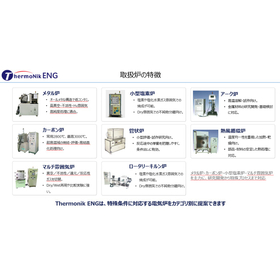
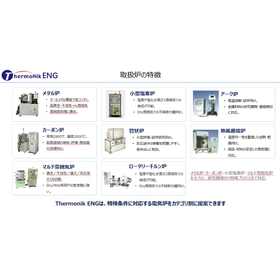
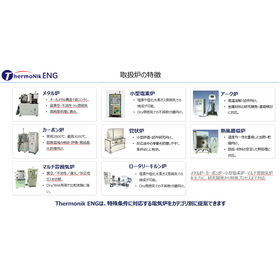
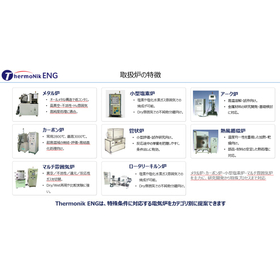
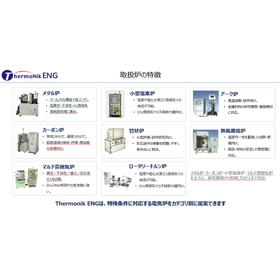
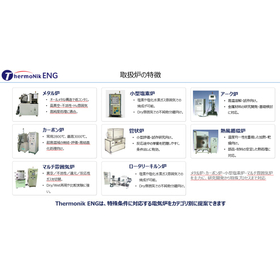
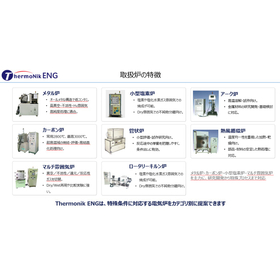
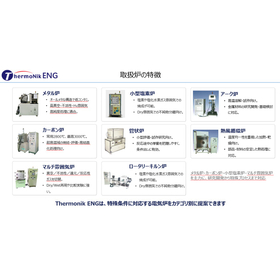
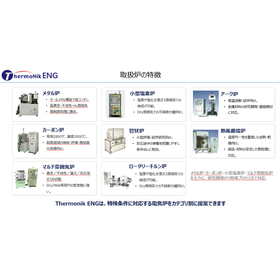
Are you having trouble selecting a furnace or electric furnace? If you choose an electric furnace based solely on maximum temperature, mismatches may occur in terms of operating atmosphere, vacuum level, gas flow, sample size, safety measures, and exhaust gas treatment. This document compares multi-atmosphere furnaces, tube furnaces, metal furnaces, carbon furnaces, and small chlorine furnaces in terms of temperature range, compatible atmospheres, preferred applications, and points to note. ■ Quickly understand the differences between furnace types ■ Useful for specification discussions before equipment installation ■ Effective for preliminary organization of firing tests and condition exploration ■ Also addresses confirmation of firing feasibility in special atmospheres

Added to bookmarks

Bookmarks list

Bookmark has been removed

Bookmarks list

You can't add any more bookmarks

By registering as a member, you can increase the number of bookmarks you can save and organize them with labels.

Free membership registration

How to conduct firing tests | Selecting kilns, jigs, and containers by sample type

Organize the firing test conditions suitable for powder, substrates, jigs, and components.

In firing tests, the type of furnace, fixtures, containers, and recovery methods vary depending on "what is being fired." The points to be checked and the items to be evaluated differ for powders, substrates and plates, fixtures and parts, and molded bodies and pellets. For example, with powders, it is important to check for dispersibility, moisture absorption, and recovery methods; for substrates, warping, distortion, and in-plane temperature differences; for fixtures and parts, gas flow and dead spots; and for molded bodies, cracks, shrinkage, and contact marks. This document organizes the items to be checked before firing tests by sample type, considerations for selecting fixtures and containers, and perspectives for selecting furnace types in a list format. ■ For consideration of firing tests before equipment introduction ■ For organizing conditions of powders, substrates, fixtures, and parts ■ For initial considerations in selecting furnace types, fixtures, and containers

Added to bookmarks

Bookmarks list

Bookmark has been removed

Bookmarks list

You can't add any more bookmarks

By registering as a member, you can increase the number of bookmarks you can save and organize them with labels.

Free membership registration

Electric Furnace Introduction Pre-Check List | 10 Items to Confirm in Specification Review

Organizing 10 items to check before introducing an electric furnace.

Before introducing an electric furnace, are there any omissions in the specification review? It is necessary to organize the specifications not only for the maximum temperature but also for the processing purpose, atmosphere gas, pressure conditions, sample conditions, containers and fixtures, exhaust gas treatment, safety measures, and installation conditions. This document organizes 10 items to check before the introduction of electric furnaces and atmosphere furnaces in a checklist format. ■ For organizing specifications before equipment introduction ■ For confirming conditions before firing tests ■ For initial considerations of special atmospheres, vacuum, reduction, and nitriding treatments ■ Can be used as internal confirmation materials before requesting estimates Please feel free to consult us even if you are at the stage of "not knowing which conditions to communicate to the manufacturer."

Added to bookmarks

Bookmarks list

Bookmark has been removed

Bookmarks list

You can't add any more bookmarks

By registering as a member, you can increase the number of bookmarks you can save and organize them with labels.

Free membership registration

Pre-introduction firing test of equipment | Confirming condition exploration, safety, and mass production deployment

Before deciding on the equipment specifications, confirm the reactivity with a small sample.

Before deciding on the specifications for electric furnaces and atmosphere furnaces, have you organized the conditions that should be confirmed through firing tests? In firing tests conducted before equipment installation, it is important to verify whether "the desired reaction occurs," "it can be processed safely," and "it can be scaled up to mass production conditions" using small sample sizes. This document organizes the planning items for confirming reactivity, safety, and reproducibility by varying temperature, atmosphere, processing time, flow rate, and pressure, focusing on processes such as firing, debinding, reduction, oxidation, nitriding, degassing, and impurity removal. ■ For exploring conditions before equipment installation ■ To prevent omissions in firing test planning ■ For consideration of furnace volume, gas systems, exhaust gas treatment, and jig specifications ■ For making scale-up decisions to mass production furnaces

Added to bookmarks

Bookmarks list

Bookmark has been removed

Bookmarks list

You can't add any more bookmarks

By registering as a member, you can increase the number of bookmarks you can save and organize them with labels.

Free membership registration

Selection of furnace for vacuum atmosphere sintering | Supports degassing, oxidation suppression, and high purity processing.

Select the appropriate electric furnace according to the vacuum level and processing purpose.

In vacuum atmosphere sintering, the required pressure and furnace configuration vary depending on the purpose. For degassing and drying, a pressure range of several Pa to several hundred Pa is sufficient, while for oxidation suppression, vacuum pumping and N₂/Ar replacement are necessary, and for high-purity processing, high vacuum levels of 10⁻³ to 10⁻⁴ Pa may be required. Therefore, it is important to consider not only the simple condition of wanting to sinter in a vacuum but also the processing purpose, temperature range, residual O₂, amount of generated gas, materials inside the furnace, heater materials, exhaust system, and safety measures. This document organizes the necessary pressure guidelines, furnace type selection, and confirmation points that affect equipment specifications based on the purposes of vacuum atmosphere sintering. - For considerations of degassing, drying, and oxidation suppression - For considerations of sintering in high vacuum and high-purity atmospheres - For differentiating between metal furnaces, multi-furnaces, carbon furnaces, and tube furnaces - For organizing specifications and considering sintering tests before equipment installation

Added to bookmarks

Bookmarks list

Bookmark has been removed

Bookmarks list

You can't add any more bookmarks

By registering as a member, you can increase the number of bookmarks you can save and organize them with labels.

Free membership registration

Differences between sintering, heat treatment, degreasing, and reduction | Selecting electric furnaces by purpose

Organize electric furnaces suitable for sintering, heat treatment, degreasing, and reduction.

Are you able to organize the differences between firing, heat treatment, degreasing, and reduction? Even with the same "heat treatment," the necessary temperature range, atmosphere, exhaust gas measures, safety measures, temperature distribution, and sample collection methods change depending on the purpose. For example, in firing, reaction completion and temperature distribution are important; in degreasing, generated gases, tar, and rapid reactions are critical; in reduction, H₂ concentration, substitution management, and explosion limits are key; and in heat treatment, uniformity, cooling conditions, and high-purity atmosphere are essential. This document organizes the representative conditions, main atmospheres, key points, suitable types of furnaces, and pre-check items for firing, heat treatment, degreasing, and reduction in a list format. ■ For selecting electric furnaces and atmosphere furnaces that match the treatment purpose ■ For organizing conditions before equipment installation ■ For preliminary consideration of firing tests and condition exploration ■ Can be used as internal confirmation materials before requesting estimates

Added to bookmarks

Bookmarks list

Bookmark has been removed

Bookmarks list

You can't add any more bookmarks

By registering as a member, you can increase the number of bookmarks you can save and organize them with labels.

Free membership registration

Firing tests of small sample sizes | Supporting condition exploration in research and development and prototype stages.

Corresponds to the exploration of firing conditions in the research and development and prototype stages.

Are you considering firing tests of small sample sizes in the research and development or prototype stage? In the early stages of material development, there are often cases where large sample sizes cannot be prepared. Even in such cases, by using small samples and varying factors such as temperature, holding time, heating rate, atmosphere, and pressure, you can identify issues related to firing feasibility, reactivity, recoverability, and equipment implementation. At Thermonik ENG, we select the appropriate type of furnace from options such as multi-atmosphere furnaces, tube furnaces, metal furnaces, carbon furnaces, and chlorine furnaces based on the sample size, shape, and processing purpose, and connect the test results to the consideration of equipment specifications. - For exploring conditions in the research and development or prototype stage - For firing evaluation of small powders, molded bodies, substrates, jigs, and components - For initial considerations of temperature, atmosphere, and processing time - For confirming firing feasibility before equipment installation

Added to bookmarks

Bookmarks list

Bookmark has been removed

Bookmarks list

You can't add any more bookmarks

By registering as a member, you can increase the number of bookmarks you can save and organize them with labels.

Free membership registration

Exploration of firing conditions for material development | Support from prototype evaluation in a small furnace to equipment design.

Support for firing tests and equipment specification from the stage of uncertain conditions.

Are you having trouble determining firing temperature, holding time, and atmospheric conditions in material development? In the early stages of material development, there are often many cases where firing temperature, holding time, atmosphere, type of furnace, sample quantity, and recovery methods are not yet determined. Additionally, there may be instances where you want to compare multiple atmospheres such as N₂, Ar, H₂, NH₃, vacuum, humidification, Cl₂, HCl, or check the furnace configuration suitable for powders, molded bodies, substrates, jigs, and components. At Thermonik ENG, we assist from the stage where conditions are not yet finalized by organizing objectives and sample conditions, and we support prototype evaluations by varying temperature, time, and atmosphere in a small furnace. The results obtained are reflected in the specifications of the equipment and furnace design, including internal dimensions, heaters, insulation, gas systems, and exhaust safety design. - For exploring firing conditions in the material development stage - For prototype evaluation and reactivity confirmation in a small furnace - For cross-examination of multiple atmospheres and furnace types - For specification and furnace design considerations before equipment installation

Added to bookmarks

Bookmarks list

Bookmark has been removed

Bookmarks list

You can't add any more bookmarks

By registering as a member, you can increase the number of bookmarks you can save and organize them with labels.

Free membership registration

How to Choose an Electric Furnace for Research and Development | Suitable for Prototyping, Condition Exploration, and Small-Scale Firing

Check the specifications of the electric furnace needed for trial production and condition exploration.

Are you selecting electric furnaces for research and development solely based on maximum temperature? In research and development, particularly in material development, there are cases where you want to compare multiple conditions of temperature, time, and atmosphere while the firing conditions are not yet established. Additionally, challenges may arise such as having a small sample size, wanting to use atmospheres like N₂, Ar, H₂, NH₃, O₂, vacuum, or humidified air, and needing to check safety aspects like powder dispersion, gas generation, corrosion, and explosion limits. This document organizes the specifications that should be confirmed when considering electric furnaces for research and development, as well as guidelines for selecting furnace types based on purpose. ■ For selecting electric furnaces in the research and development and material development stages ■ For initial considerations in prototyping, condition exploration, and small-scale firing ■ For considering firing tests in multiple atmospheres ■ For organizing specifications before requesting estimates ■ Can be used as internal discussion material before equipment introduction Even at a stage where conditions are not yet determined, we will propose ways to proceed with firing tests and equipment specifications based on sample shape, temperature range, and atmospheric conditions.

Added to bookmarks

Bookmarks list

Bookmark has been removed

Bookmarks list

You can't add any more bookmarks

By registering as a member, you can increase the number of bookmarks you can save and organize them with labels.

Free membership registration

Firing evaluation in a humid atmosphere | Corresponding to the confirmation of steam reaction and thermal decomposition behavior.

Wetter: Organizing humidification and firing conditions using a vaporizer.

Are you considering evaluating firing in a humid atmosphere as well as a dry atmosphere? Typically, firing is conducted in a dry atmosphere, but depending on the materials, water vapor can influence reaction behavior, thermal decomposition, redox reactions, gas generation, and surface conditions. Therefore, it is important to compare dry and humid conditions to confirm the effects of water vapor. This document organizes the evaluation items to be checked in a humid atmosphere, the distinction between the Wetter/bubbler and vaporizer, and the points to be confirmed in equipment specifications. - For comparing reaction behavior under dry and humid conditions - To confirm the effects of water vapor on decomposition, oxidation, and reduction reactions - For evaluating gas generation, hydrolysis, color, weight, and compositional changes - For comparing the Wetter/bubbler method and vaporizer method - For discussing specifications of humidification units, heating pipes, and exhaust/drain treatment

Added to bookmarks

Bookmarks list

Bookmark has been removed

Bookmarks list

You can't add any more bookmarks

By registering as a member, you can increase the number of bookmarks you can save and organize them with labels.

Free membership registration

Selection of O₂・Air Atmosphere Sintering Furnace | Compatible with Oxidation, Degreasing, and Pyrolysis Evaluation

Organize the types of furnaces suitable for oxidation, degreasing, and pyrolysis, along with exhaust measures.

Are you considering evaluating oxidation firing, debinding, and thermal decomposition in an O₂・Air atmosphere? For processing in an O₂・Air atmosphere, we focus on using tube furnaces for confirming the reaction behavior of small samples, while multi-atmosphere furnaces are primarily used for evaluating a variety of samples such as powders, substrates, and components with significant debinding amounts. In particular, for debinding and thermal decomposition, it is important to consider the generation of organic components, CO/CO₂, moisture, odors, and dust, and to include specifications that cover not only the furnace body but also the exhaust line, safety measures, and treatment of generated gases. This document organizes the differentiation between tube furnaces and multi-atmosphere furnaces for O₂・Air atmosphere firing, items to be confirmed in advance, and considerations for exhaust and safety measures. ■ For selecting furnace types for oxidation firing, debinding, and thermal decomposition evaluation ■ For confirming the differentiation between tube furnaces and multi-atmosphere furnaces ■ For confirming the reaction behavior of small samples ■ For evaluating the debinding of powders, substrates, and components ■ For firing tests and condition exploration before equipment installation

Added to bookmarks

Bookmarks list

Bookmark has been removed

Bookmarks list

You can't add any more bookmarks

By registering as a member, you can increase the number of bookmarks you can save and organize them with labels.

Free membership registration

Selection of furnace for NH₃・nitriding atmosphere sintering | Corresponding to nitriding treatment and generated gas evaluation

Organize the furnace configuration suitable for NH₃ supply, gas generation, and nitriding treatment.

Are you considering firing in an NH₃ and nitriding atmosphere, nitriding treatment, and evaluation of generated gases? In treatments in an NH₃ atmosphere, the appropriate furnace configuration and safety measures vary depending on whether NH₃ is supplied externally, whether gases such as NH₃ are generated during treatment, or whether you want to nitrify the material. In evaluating NH₃ supply and generated gases, it is important to consider specifications that include gas flow control, exhaust dilution, decontamination, leak management, purging, and backflow prevention. On the other hand, for nitriding treatment, multi-atmosphere furnaces or carbon furnaces are selected based on temperature range, atmosphere, sample quantity, and reactivity. This document organizes the objectives of NH₃ and nitriding atmosphere firing, furnace type selection, gas conditions, safety measures, and points for reflecting in equipment specifications. ■ For firing and reaction evaluation in an NH₃ atmosphere ■ For confirming nitriding treatment and compositional changes ■ For evaluating NH₃ generated gases and considering exhaust safety measures ■ For confirming the differentiation between multi-atmosphere furnaces and carbon furnaces ■ For firing tests and condition exploration before equipment installation

Added to bookmarks

Bookmarks list

Bookmark has been removed

Bookmarks list

You can't add any more bookmarks

By registering as a member, you can increase the number of bookmarks you can save and organize them with labels.

Free membership registration

Selection of furnace for N₂・Ar atmosphere sintering | Suitable for oxidation suppression and inert heat treatment

Organizing the gas types, substitution conditions, and furnace configuration to suppress oxidation.

Are you considering sintering and heat treatment with N₂・Ar atmosphere to suppress oxidation? Simply flowing inert gas is not sufficient to suppress oxidation. It is necessary to determine conditions that include the introduction of oxygen and moisture into the furnace, replacement procedures, gas flow rates, dew point, residual O₂, sample shape, jig material, and re-oxidation during cooling. Additionally, while N₂ is relatively low-cost and easy to use for general oxidation suppression, there is a possibility of nitriding or reactions depending on the material. Ar/He has low reactivity and is suitable for high-purity processing and high-temperature treatments, but it is important to consider gas costs, replacement amounts, and leak management. This document organizes the differentiation of gas types in N₂・Ar/He atmosphere sintering, furnace selection, and confirmation items such as dew point, residual O₂, and replacement procedures. ■ For oxidation suppression in N₂・Ar atmosphere ■ For sintering and heat treatment in inert atmosphere ■ For confirming the differentiation between N₂ and Ar/He ■ For organizing conditions of dew point, residual O₂, and replacement procedures ■ For sintering tests and furnace type selection before equipment installation

Added to bookmarks

Bookmarks list

Bookmark has been removed

Bookmarks list

You can't add any more bookmarks

By registering as a member, you can increase the number of bookmarks you can save and organize them with labels.

Free membership registration

Selection of Furnace for H₂ Reduction Atmosphere Heat Treatment | Measures for Safety and H₂ Concentration Management

Organize furnace specifications based on H₂ concentration, dilution gas, and safety measures.

Are you considering thermal treatment and firing evaluation in an H₂ reduction atmosphere? In processing under an H₂ reduction atmosphere, it is important to first clarify "what you want to reduce." Depending on the objective—such as the reduction of oxides, removal of surface oxide films, reduction of metallic impurities and residues, or treatment of powders, substrates, jigs, and components—the required temperature, H₂ concentration, holding time, and evaluation criteria will vary. Additionally, when processing with 100% H₂, high reduction power can be expected; however, it is crucial to consider specifications for replacement procedures, leak management, exhaust dilution, decontamination, and safety interlocks. When processing with diluted H₂ below the explosion limit, it is easier to lean towards safety, but there may be a risk of insufficient reducing power, necessitating verification of temperature, time, flow rate, and dilution ratio. This document organizes the reduction objectives, H₂ concentration, dilution gas, furnace configuration, safety measures, and points for reflecting on equipment specifications in H₂ reduction atmosphere thermal treatment. - For thermal treatment and firing evaluation in an H₂ reduction atmosphere - For comparative examination of 100% H₂ and diluted H₂ conditions - For oxide reduction, deoxygenation, and removal of surface oxide films - For organizing specifications of H₂ gas replacement, exhaust dilution, and safety interlocks - For firing tests and furnace type selection before equipment installation

Added to bookmarks

Bookmarks list

Bookmark has been removed

Bookmarks list

You can't add any more bookmarks

By registering as a member, you can increase the number of bookmarks you can save and organize them with labels.

Free membership registration

Recruiting trading company partners for special electric furnaces and heating equipment.

Recruiting trading company partners for a special electric furnace manufacturer to handle difficult projects that standard machines cannot manage.

Thermonic ENG Co., Ltd. is seeking trading partners for special electric furnaces and heating equipment, targeting technical trading companies and equipment trading companies. Our company handles a variety of electric furnaces, from small to pilot scale, including metal furnaces, carbon furnaces, multi-atmosphere furnaces, tubular furnaces, and small chlorine furnaces, all designed to meet special conditions. For projects that are difficult to address with standard equipment, such as high temperature, high vacuum, inert, reduction, and chlorine atmospheres, we welcome inquiries from the specification consideration stage. 【We are looking for trading companies like the following】 ■ Technical trading companies ■ Equipment trading companies ■ Companies with networks with research institutions, material manufacturers, universities, etc. 【Please consult us on projects like these】 ■ Special specification projects that cannot be handled by standard equipment from other companies ■ Heat treatment projects involving special atmospheres such as vacuum, inert, reduction, and chlorine ■ Process development projects that include high-temperature processing, special materials, and multiple steps ■ Projects that you want to advance from condition organization for research and development, prototyping, and mass production considerations For more details, please refer to the downloadable materials or feel free to contact us.

Added to bookmarks

Bookmarks list

Bookmark has been removed

Bookmarks list

You can't add any more bookmarks

By registering as a member, you can increase the number of bookmarks you can save and organize them with labels.

Free membership registration

Technical consultation service for those who are unsure about selecting electric furnaces.

Please leave the initial consultation for organizing the appropriate electric furnace based on the application, temperature, atmosphere, processing volume, and sample shape to us!

There are many types of electric furnaces, including tubular furnaces, box-type furnaces, vacuum furnaces, atmosphere furnaces, metal furnaces, carbon furnaces, and chlorine furnaces. Selecting the appropriate furnace that matches the application and conditions requires specialized organization. At our company, we can work together from the initial stages to determine which furnace type may be suitable by confirming the temperature, atmosphere gas, processing volume, sample shape, and purpose. We can consult even if the specifications are not yet finalized. You can discuss questions such as "Can it be processed at this temperature?" "Can this gas be used?" "Can it be handled with existing furnaces?" and "Can we conduct a test first?" It is also possible to conduct tests and condition setting with small samples before introducing the equipment to confirm the feasibility of the process. For treatments involving special atmospheres, high temperatures, vacuum, corrosive gases, and reactive gases, which are difficult to handle with standard furnaces, we can consider custom specifications. 【Features】 ■ You can consult from the stage where you are unsure about the type of electric furnace that suits your application, even after researching online. ■ We can respond from the initial organization stage, even if the temperature, atmosphere, processing volume, and sample shape are not yet determined. *For more details, please download the PDF or feel free to contact us.

Added to bookmarks

Bookmarks list

Bookmark has been removed

Bookmarks list

You can't add any more bookmarks

By registering as a member, you can increase the number of bookmarks you can save and organize them with labels.

Free membership registration
Prev 1 Next
  • 金属・化学・窯業 食品・医薬品などの ほぐし・解砕 ふるい分けがこれ一台 解砕機構付き佐藤式振動ふるい機 つばさ デモ実施中!
  • 排気熱風なく 気温-4.1℃の冷風を 工事不要で暑さ対策 店舗・工場の 安全対策に! 気化式スポットクーラー Pure Drive ピュアドライブ
    • Contact this company

      Inquiry Form

    Products

    • Search for Products

    Company

    • Search for Companies

    Special Features

    • Special Features

    Ranking

    • Overall Products Ranking
    • Overall Company Ranking

    support

    • site map
    IPROS
    • privacy policy Regarding external transmission of information
    • terms of service
    • About Us
    • Careers
    • Advertising
    COPYRIGHT © 2001-2026 IPROS CORPORATION ALL RIGHTS RESERVED.
    Please note that the English text on this page is automatically translated and may contain inaccuracies.