iPROS Manufacturing
  • Search for products by classification category

    • Electronic Components and Modules
      Electronic Components and Modules
      60454items
    • Machinery Parts
      Machinery Parts
      75252items
    • Manufacturing and processing machinery
      Manufacturing and processing machinery
      101270items
    • Scientific and Physics Equipment
      Scientific and Physics Equipment
      35870items
    • Materials
      Materials
      37395items
    • Measurement and Analysis
      Measurement and Analysis
      55136items
    • Image Processing
      Image Processing
      15250items
    • Control and Electrical Equipment
      Control and Electrical Equipment
      53799items
    • Tools, consumables, and supplies
      Tools, consumables, and supplies
      65029items
    • Design and production support
      Design and production support
      12527items
    • IT/Network
      IT/Network
      44560items
    • Office
      Office
      14009items
    • Business support services
      Business support services
      24925items
    • Seminars and Skill Development
      Seminars and Skill Development
      6462items
    • Pharmaceutical and food related
      Pharmaceutical and food related
      32342items
    • others
      74268items
  • Search for companies by industry

    • Manufacturing and processing contract
      7333
    • others
      4990
    • Industrial Machinery
      4415
    • Machine elements and parts
      3298
    • Other manufacturing
      2881
    • IT/Telecommunications
      2552
    • Trading company/Wholesale
      2512
    • Industrial Electrical Equipment
      2305
    • Building materials, supplies and fixtures
      1815
    • software
      1641
    • Electronic Components and Semiconductors
      1564
    • Resin/Plastic
      1496
    • Service Industry
      1458
    • Testing, Analysis and Measurement
      1125
    • Ferrous/Non-ferrous metals
      983
    • environment
      698
    • Chemical
      631
    • Automobiles and Transportation Equipment
      565
    • Printing Industry
      510
    • Information and Communications
      459
    • Consumer Electronics
      412
    • Energy
      327
    • Rubber products
      314
    • Food Machinery
      307
    • Optical Instruments
      277
    • robot
      274
    • fiber
      250
    • Paper and pulp
      227
    • Pharmaceuticals and Biotechnology
      168
    • Electricity, Gas and Water Industry
      166
    • Warehousing and transport related industries
      147
    • Glass and clay products
      140
    • Food and Beverage
      129
    • CAD/CAM
      123
    • retail
      108
    • Medical Devices
      103
    • Educational and Research Institutions
      102
    • Ceramics
      98
    • wood
      88
    • Transportation
      82
    • Petroleum and coal products
      63
    • Medical and Welfare
      62
    • Shipbuilding and heavy machinery
      51
    • Aviation & Aerospace
      47
    • Fisheries, Agriculture and Forestry
      41
    • equipment
      34
    • Public interest/special/independent administrative agency
      31
    • Research and development equipment and devices
      28
    • Materials
      27
    • self-employed
      24
    • Government
      23
    • Mining
      17
    • Finance, securities and insurance
      13
    • cosmetics
      13
    • Individual
      10
    • Restaurants and accommodations
      9
    • Police, Fire Department, Self-Defense Forces
      7
    • Laboratory Equipment and Consumables
      4
    • Raw materials for reagents and chemicals
      3
    • Contracted research
      3
  • Special Features
  • Ranking

    • Overall Products Ranking
    • Overall Company Ranking
Search for Products
  • Search for products by classification category

  • Electronic Components and Modules
  • Machinery Parts
  • Manufacturing and processing machinery
  • Scientific and Physics Equipment
  • Materials
  • Measurement and Analysis
  • Image Processing
  • Control and Electrical Equipment
  • Tools, consumables, and supplies
  • Design and production support
  • IT/Network
  • Office
  • Business support services
  • Seminars and Skill Development
  • Pharmaceutical and food related
  • others
Search for Companies
  • Search for companies by industry

  • Manufacturing and processing contract
  • others
  • Industrial Machinery
  • Machine elements and parts
  • Other manufacturing
  • IT/Telecommunications
  • Trading company/Wholesale
  • Industrial Electrical Equipment
  • Building materials, supplies and fixtures
  • software
  • Electronic Components and Semiconductors
  • Resin/Plastic
  • Service Industry
  • Testing, Analysis and Measurement
  • Ferrous/Non-ferrous metals
  • environment
  • Chemical
  • Automobiles and Transportation Equipment
  • Printing Industry
  • Information and Communications
  • Consumer Electronics
  • Energy
  • Rubber products
  • Food Machinery
  • Optical Instruments
  • robot
  • fiber
  • Paper and pulp
  • Pharmaceuticals and Biotechnology
  • Electricity, Gas and Water Industry
  • Warehousing and transport related industries
  • Glass and clay products
  • Food and Beverage
  • CAD/CAM
  • retail
  • Medical Devices
  • Educational and Research Institutions
  • Ceramics
  • wood
  • Transportation
  • Petroleum and coal products
  • Medical and Welfare
  • Shipbuilding and heavy machinery
  • Aviation & Aerospace
  • Fisheries, Agriculture and Forestry
  • equipment
  • Public interest/special/independent administrative agency
  • Research and development equipment and devices
  • Materials
  • self-employed
  • Government
  • Mining
  • Finance, securities and insurance
  • cosmetics
  • Individual
  • Restaurants and accommodations
  • Police, Fire Department, Self-Defense Forces
  • Laboratory Equipment and Consumables
  • Raw materials for reagents and chemicals
  • Contracted research
Special Features
Ranking
  • Overall Products Ranking
  • Overall Company Ranking
  • privacy policy
  • terms of service
  • About Us
  • Careers
  • Advertising
  1. Home
  2. Other manufacturing
  3. サーモニックENG
  4. Product/Service List
Other manufacturing
  • Added to bookmarks

    Bookmarks list

    Bookmark has been removed

    Bookmarks list

    You can't add any more bookmarks

    By registering as a member, you can increase the number of bookmarks you can save and organize them with labels.

    Free membership registration

サーモニックENG

Establishment21th March 2025
capital300Ten thousand
addressChiba/Narashino-shi/8-31-16 Higashisharaku, Chiba
phone070-6596-0321
  • Special site
  • Official site
last updated:Dec 25, 2025
  • Contact this company

    Inquiry Form
  • Company information
  • Products/Services(75)
  • catalog(56)
  • news(0)

サーモニックENG Product Lineup

  • category

1~26 item / All 26 items

Displayed results

Filter by category
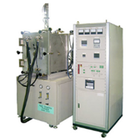
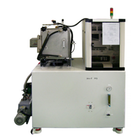
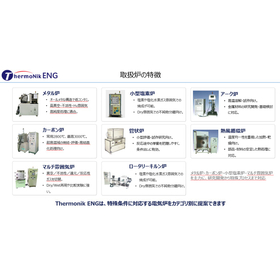
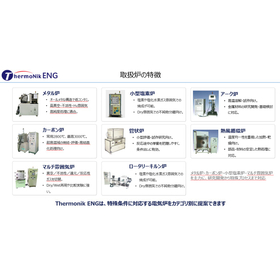
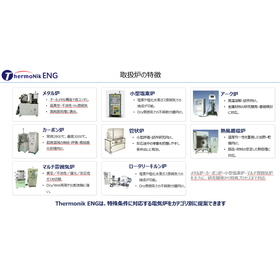
Compact Carbon furnace Compact Carbon furnace
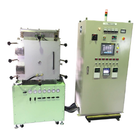
Metal furnace Metal furnace
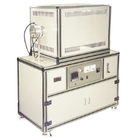
Multi-atmosphere furnace Multi-atmosphere furnace
Tube furnace Tube furnace
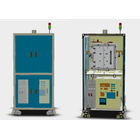
Compact chlorination furnace Compact chlorination furnace
Compact

Compact chlorination furnace

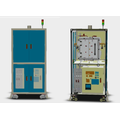
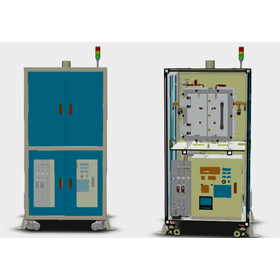
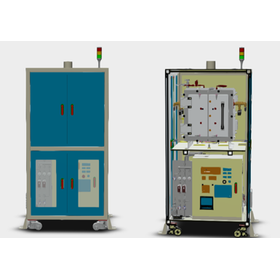
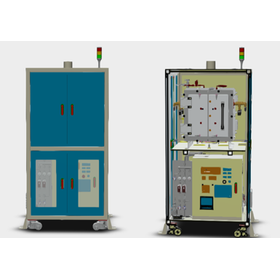
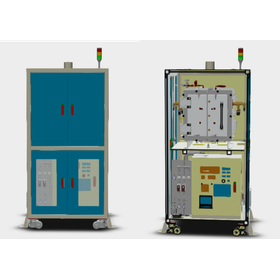
The compact chlorination furnace is an electric furnace designed for high-purity purification and reaction control, using proprietary technology compatible with halogen gases such as Cl₂ and HCl to efficiently remove metallic impurities under reduced pressure while minimizing gas leakage risk in a dry process.

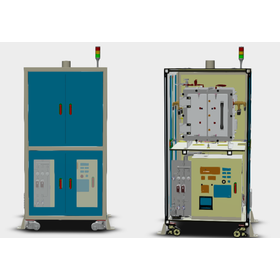
Small Chlorine Furnace | Test furnace for safely handling chlorine and hydrogen chloride gas

Safe consideration of Cl2/HCl treatment in a small furnace with negative pressure operation, corrosion-resistant design, and scrubber interlock.

In processes using corrosive gases such as Cl2 and HCl, safety design is crucial to address issues like gas leaks, corrosion of piping and furnace materials, exhaust of unreacted gases, and waste treatment. Our company offers a "small chlorine furnace" for research and development purposes. This equipment is a compact furnace that can safely and controllably handle chlorine and hydrogen chloride, and it can be used for condition testing in material testing with corrosive gases, removal of metal impurities, selective chlorination, and jig cleaning. By combining a furnace and piping structure made of corrosion-resistant materials, scrubber interlocks, corrosive gas monitors, emergency shutdowns, and interlocks, we can consider configurations that make it easier to safely conduct Cl2/HCl processing even for research applications. 【Features】 ■ Compatible with corrosive gas processing such as Cl2/HCl ■ Reduces the risk of gas leakage outside the furnace through continuous negative pressure operation ■ Furnace and piping structure made of corrosion-resistant materials ■ Possible integration with scrubbers, corrosive gas monitors, and emergency shutdowns *For more details, please download the materials or contact us.

Added to bookmarks

Bookmarks list

Bookmark has been removed

Bookmarks list

You can't add any more bookmarks

By registering as a member, you can increase the number of bookmarks you can save and organize them with labels.

Free membership registration

Small Chlorine Furnace | Dry Separation and Recovery of Valuable Metals from Urban Mines

Control the temperature, chlorine partial pressure, and pressure to selectively separate Au, Cu, Sn, Fe, Ni, etc. through chlorination volatilization.

Urban mines contain a complex mixture of valuable metals and base metals such as Au, Cu, Sn, Fe, and Ni. When separating and recovering these through wet processing, challenges may arise related to the use of reagents, waste liquid treatment, pretreatment processes, and drying processes. Our small chlorine furnace can selectively separate and recover metal components by converting them into volatile chlorides through dry chlorination using Cl2/HCl, while controlling temperature, chlorine partial pressure, and pressure. For example, in the low-temperature range, easily volatile chlorides such as FeCl3 and SnCl4 can be removed first, and in the mid-temperature range, the separation of precious metals can be considered using the vapor pressure differences of AuCl3 and others. 【Features】 ■ Supports dry chlorination and chloride volatilization using Cl2/HCl ■ Allows for selective separation of multiple metals such as Au, Cu, Sn, Fe, and Ni ■ Accommodates staged processing with controlled temperature, chlorine partial pressure, and pressure ■ Reduces waste liquid and drying processes associated with wet processing ■ Enables exploration of urban mine recycling conditions with small sample sizes *For more details, please download the materials or contact us.

Added to bookmarks

Bookmarks list

Bookmark has been removed

Bookmarks list

You can't add any more bookmarks

By registering as a member, you can increase the number of bookmarks you can save and organize them with labels.

Free membership registration

Small Chlorine Furnace | High-Temperature Corrosion Evaluation in Cl2·HCl Atmosphere

Corresponding to material selection, lifespan evaluation, and corrosion analysis in a high-temperature corrosion environment containing Cl2 and HCl.

In metals, alloys, ceramics, and coatings used in high-temperature environments, corrosive atmospheres such as Cl2, HCl, oxidizing gases, and water vapor may lead to surface reactions, oxidation, chlorination, delamination, and embrittlement. Our small chlorine furnace is a test furnace for high-temperature corrosion evaluation that can replicate corrosion behavior in chlorine and hydrochloric acid atmospheres. It can be widely used for reproducing high-temperature corrosive atmospheres, comparing corrosion-resistant materials, evaluating surface treatments and coatings, and analyzing corrosion mechanisms, from material development to equipment component selection. Additionally, by operating under constant negative pressure, it reduces the risk of corrosive gas leakage and establishes a safe testing environment combined with exhaust and detoxification equipment. 【Features】 ■ Supports high-temperature corrosion evaluation in corrosive gas atmospheres such as Cl2 and HCl ■ Allows comparison of corrosion resistance for metals, alloys, ceramics, and coatings ■ Accommodates corrosion tests with varying temperature, gas type, concentration, and treatment time ■ Reduces the risk of corrosive gas leakage through constant negative pressure operation ■ Enables consideration of testing environments that include exhaust, detoxification, and safety equipment *For more details, please download the materials or contact us.

Added to bookmarks

Bookmarks list

Bookmark has been removed

Bookmarks list

You can't add any more bookmarks

By registering as a member, you can increase the number of bookmarks you can save and organize them with labels.

Free membership registration

Small Chlorine Furnace | Supports High Purification of CNT, Graphite, and Carbon Black

Dry removal of metal impurities in CNT, graphite, and carbon black using Cl2/HCl.

In the high purification of carbon powder, metal impurities such as Fe, Ni, Al, and Cu can affect conductivity, battery characteristics, catalytic activity, and the quality after graphitization treatment. Our small chlorine furnace can explore conditions for the dry removal of metal impurities remaining in CNTs, carbon black, synthetic graphite, conductive additives, etc., as volatile chlorides through selective chlorination using Cl2/HCl. Unlike wet processing, it reduces the need for washing water, waste liquid treatment, and drying processes, making it suitable for carbon materials that dislike moisture and for powder processing where re-agglomeration and re-contamination after drying should be avoided. Additionally, by considering negative pressure operation and oxygen partial pressure in the furnace configuration, it is possible to explore impurity removal conditions while suppressing the oxidation and wear of the carbon substrate. 【Features】 ■ Compatible with selective chlorination using Cl2/HCl ■ Capable of examining the removal of Fe/Ni/Al in CNTs, graphite, and carbon black ■ Reduces waste liquid and drying processes associated with wet processing ■ Suppresses the impact on the carbon substrate through negative pressure operation and oxygen partial pressure management ■ Allows comparison of temperature, gas concentration, and processing time with small sample sizes *For more details, please download the materials or contact us.

Added to bookmarks

Bookmarks list

Bookmark has been removed

Bookmarks list

You can't add any more bookmarks

By registering as a member, you can increase the number of bookmarks you can save and organize them with labels.

Free membership registration

Small Chlorine Furnace | Dry Removal of Metal Impurities from Ceramic Powder

Selective removal of metal impurities from SiO2・Al2O3・Si3N4 powder while leaving the base material intact.

In the high purification of ceramic powders, metal impurities such as Fe, Ni, Cr, and Na can affect product characteristics, sinterability, insulation properties, and yield. Our small chlorine furnace can explore conditions for the dry removal of metal impurities mixed in ceramic powders like SiO2, Al2O3, and Si3N4 as volatile chlorides through selective chlorination using Cl2/HCl. Unlike wet processing, it reduces the need for washing water, waste liquid treatment, and drying processes, making it suitable for processing moisture-sensitive powders and high-purity materials that want to avoid recontamination. By comparing temperature, gas type, gas concentration, and treatment time with small samples, it can be utilized for the prototyping and condition exploration of high-purity ceramic powders. 【Features】 ■ Supports selective chlorination using Cl2/HCl ■ Allows for the dry removal of metal impurities such as Fe, Ni, Cr, and Na ■ Applicable to ceramic powders like SiO2, Al2O3, and Si3N4 ■ Reduces waste liquid and drying processes associated with wet processing ■ Enables comparison of temperature, gas concentration, and treatment time with small samples *For more details, please download the materials or contact us.

Added to bookmarks

Bookmarks list

Bookmark has been removed

Bookmarks list

You can't add any more bookmarks

By registering as a member, you can increase the number of bookmarks you can save and organize them with labels.

Free membership registration

Small Chlorine Furnace | Compatible with MOCVD Fixtures and Quartz Boat Contaminant Removal

Volatile chlorination of GaN, AlN, and Si-based deposits with Cl2/HCl, and dry cleaning of the fixture.

In MOCVD and CVD processes, susceptors, quartz boats, quartz tubes, and fixtures may have reaction products containing GaN, AlN, Si-based materials, and metal components adhering to them. These deposits can be difficult to remove with chemical cleaning or mechanical methods, potentially leading to dimensional changes in the base material, surface roughness, damage, and increased cleaning costs. Our small chlorine furnace can convert these deposits into volatile chlorides through selective chlorination using Cl2/HCl, allowing for dry cleaning conditions while minimizing the impact on the base material. This small test furnace is suitable for cases where you want to reuse susceptors and quartz fixtures, reduce chemical cleaning, or extend the lifespan of fixtures. 【Features】 ■ Supports dry chlorination cleaning with Cl2/HCl ■ Allows for the consideration of removing GaN, AlN, Si-based deposits, and metal components ■ Addresses deposition films and reaction products that are difficult to remove with chemical cleaning ■ Enables the examination of conditions that minimize dimensional changes and surface roughness of the base material ■ Allows for comparison of temperature, gas concentration, and processing time with small fixtures *For more details, please download the materials or contact us.

Added to bookmarks

Bookmarks list

Bookmark has been removed

Bookmarks list

You can't add any more bookmarks

By registering as a member, you can increase the number of bookmarks you can save and organize them with labels.

Free membership registration

Small Chlorine Furnace | Impurity Separation by Selective Volatilization of Metal Chlorides

Chloride metal impurities with Cl2 and HCl, leaving the base material for selective separation.

The "small-scale chlorine furnace" is a test furnace designed for a dry process that uses halogen gases such as Cl2 and HCl to convert and separate metal impurities into volatile chlorides. Impurities in materials such as Fe, Ni, Cu, Al, Na, Cr, and P may become chlorides with different vapor pressures and boiling points than the base material through chlorination. By utilizing this property, conditions can be examined to selectively volatilize and separate only the impurities while leaving the base material intact by adjusting temperature, gas type, and treatment time. It is suitable for cases where one wants to minimize waste liquid treatment and drying processes like those in wet processing, as well as for reducing impurities in powders, ceramics, and high-purity materials that are sensitive to moisture. 【Features】 ■ Compatible with selective chlorination using Cl2 and HCl ■ Examination of separation of metal impurities as volatile chlorides ■ Dry purification utilizing vapor pressure differences and reaction temperature differences ■ Applicability to high-purity powders, ceramics, SiC, Si3N4, Al2O3, etc. ■ Comparison of temperature, gas concentration, and treatment time with small sample sizes *For more details, please download the materials or contact us.

Added to bookmarks

Bookmarks list

Bookmark has been removed

Bookmarks list

You can't add any more bookmarks

By registering as a member, you can increase the number of bookmarks you can save and organize them with labels.

Free membership registration

Small Chlorine Furnace | Design and Operational Points for Safely Handling Corrosive Gases

Safety design of a small chlorine furnace to reduce the risks of Cl2 and HCl leaks, corrosion, and contamination.

When handling corrosive and toxic gases such as Cl2 and HCl at high temperatures, the primary concern is whether it can be operated safely. In a small chlorine furnace, it is essential to have a safety design that not only allows chlorine gas to flow but also includes measures for preventing external leaks, corrosion in gas contact areas, discharge of unreacted gases, emergency shutdowns, and integration with scrubbers. Our small chlorine furnace is based on vacuum and reduced pressure operation, maintaining the internal pressure lower than atmospheric pressure to reduce the risk of Cl2/HCl leaks. Additionally, we can consider a configuration that makes it easier to manage operational risks, including corrosion measures for gas contact areas, gas detection, emergency shutdowns, purging procedures, and integration with detoxification equipment. [What you can learn from this document] ■ Safety risks to consider when handling Cl2/HCl ■ Concepts for leak prevention through vacuum and reduced pressure operation ■ Corrosion prevention measures and material selection points for gas contact areas ■ Importance of operational design factors such as purging, flow rate, and residence time ■ Concepts for gas detection, emergency shutdowns, and scrubber integration *For more details, please download the document or contact us.

Added to bookmarks

Bookmarks list

Bookmark has been removed

Bookmarks list

You can't add any more bookmarks

By registering as a member, you can increase the number of bookmarks you can save and organize them with labels.

Free membership registration

Small Chlorine Furnace | Capable of Removing Metal Impurities Difficult to Eliminate with Wet and Magnetic Separation

Reduce wastewater from wet processing and drying processes, and remove metal impurities through selective chlorination.

In powder raw materials and functional materials, metal impurities such as Fe, Cu, and Ni can affect product characteristics and yield. Particularly in battery materials, ceramics, semiconductor materials, and high-purity powders, there is an increasing demand for managing metal impurities at levels ranging from ppm to ppb. Traditionally, methods such as wet processing for dissolution removal and magnetic separation for recovering magnetic particles have been common. However, wet processing poses challenges related to wastewater treatment, drying processes, and recontamination, while magnetic separation can struggle to remove non-magnetic metal compounds and fine adherents. To address these issues, we propose a "small chlorine furnace" that uses halogen gases such as Cl2 and HCl to convert metal impurities into volatile chlorides for separation. [For such challenges] ■ We want to reduce wastewater and drying processes in wet processing. ■ We want to reduce Fe/Cu/Ni impurities at ppm to ppb levels. ■ We want to remove metal impurities that cannot be captured by magnetic separation. ■ We want to process impurities within powders, porous bodies, and ceramics. ■ We want to confirm Cl2/HCl treatment conditions with small sample sizes. *For more details, please download the materials or contact us.

Added to bookmarks

Bookmarks list

Bookmark has been removed

Bookmarks list

You can't add any more bookmarks

By registering as a member, you can increase the number of bookmarks you can save and organize them with labels.

Free membership registration

Small Chlorine Furnace | On-site Issues and Safety Measures for Cl2 and HCl Treatment

I want to use Cl2 and HCl, but I'm concerned about safety—this small chlorine furnace addresses such on-site issues.

"I would like to consider treatment using Cl2 and HCl, but I have concerns about safety." "I want to reduce the waste liquid and drying processes of wet treatment and remove metal impurities in a dry manner." In response to such on-site challenges, our company proposes a compact chlorine furnace compatible with Cl2/HCl. The compact chlorine furnace can be applied to dry processes that remove trace impurities in oxides and metals as volatile chlorides, halogen cleaning, surface treatment, and material evaluation in corrosive gas atmospheres. With our unique design, we consider the use of Cl2/HCl gas in the mid-temperature range, which is prone to leaks, and can develop a furnace structure that takes into account safe operation, including corrosion-resistant construction, negative pressure operation, gas detection, emergency shutdown, and connection to a scrubbing system. 【Common Concerns】 ■ Wet treatment has heavy waste liquid processing, drying processes, and energy costs. ■ Products are water-sensitive, so I want to avoid wet treatment. ■ I want to selectively remove metal impurities in a dry atmosphere. ■ I want to use corrosive gases, but I am concerned about leaks, removal, and safety measures. ■ I want to compare Cl2/HCl treatment conditions with small samples. *For more details, please download the materials or contact us.

Added to bookmarks

Bookmarks list

Bookmark has been removed

Bookmarks list

You can't add any more bookmarks

By registering as a member, you can increase the number of bookmarks you can save and organize them with labels.

Free membership registration

Small Chlorine Furnace | Compatible with Selective Chlorination and Corrosive Gas Atmosphere Testing

Small halogen furnace compatible with selective chlorination, jig cleaning, and corrosive gas evaluation.

The "small chlorine furnace" is a compact test furnace designed to handle halogen gas atmospheres such as Cl2 and HCl. It can be applied for dry removal of metal impurities, selective chlorination, material evaluation in corrosive gas atmospheres, reaction control, and jig cleaning. With uniform heating provided by shelf heaters, it facilitates the diffusion of Cl2 gas throughout the sample, making it suitable for small-scale condition studies of powders, porous materials, ceramics, and carbon materials. Additionally, by utilizing the boiling point of the generated chlorides, it allows for the consideration of processing conditions at lower temperatures. A safety design that takes into account Cl2, HCl, and vacuum operation enables the establishment of a testing environment for handling corrosive gases. 【Features】 ■ Compatible with halogen gases such as Cl2 and HCl ■ Applicable for dry removal of metal impurities and selective chlorination ■ Uniform heating of samples using shelf heaters ■ Structure that easily diffuses gas throughout powders and porous materials ■ Capable of integration with exhaust, detoxification, gas detection, and interlock systems *For more details, please download the materials or contact us.

Added to bookmarks

Bookmarks list

Bookmark has been removed

Bookmarks list

You can't add any more bookmarks

By registering as a member, you can increase the number of bookmarks you can save and organize them with labels.

Free membership registration

Small Halogen-Compatible Furnace | High-Temperature Process Evaluation Using F-Series and Cl-Series Gases

Suppressing concerns about degradation and leaks of furnace materials due to corrosive gases, safely examining halogen atmosphere testing.

In high-temperature processes involving halogen gases (such as F and Cl series), common electric furnaces may face issues with corrosion and degradation of heaters, furnace materials, piping, and sealing materials. Particularly in surface treatment, etching, cleaning, and reaction evaluation using fluorine or chlorine gases, it is crucial to design equipment that includes corrosion resistance of furnace materials, exhaust and emission control, and gas leakage prevention. Our small halogen-compatible furnace is a test furnace designed to examine high-temperature processing using corrosive gases on a small scale. We can consider configurations tailored to applications, including corrosion-resistant materials, scrubber integration, interlocks, and safety equipment. **Features** - Compatible with halogen gas atmospheres such as F and Cl series - Consideration of furnace materials, piping, and sealing configurations for corrosive gases - Integration with scrubbers, gas detection, and emergency shutdown systems is possible - Pre-evaluation of temperature, gas concentration, and processing time in a small furnace - Support for process feasibility confirmation before mass production furnace introduction *For more details, please download the materials or contact us.*

Added to bookmarks

Bookmarks list

Bookmark has been removed

Bookmarks list

You can't add any more bookmarks

By registering as a member, you can increase the number of bookmarks you can save and organize them with labels.

Free membership registration

Supports various firing tests such as Cl2, H2, NH3, O2, and humidification.

Confirm the feasibility of firing in a special atmosphere such as chlorine, reduction, oxidation, NH3, and humidification before equipment installation.

When introducing an electric furnace, it can be difficult to determine the equipment specifications if conditions such as temperature, atmosphere gas, processing time, pressure, sample amount, exhaust gas, and safety measures are still uncertain. Small-scale tests under special conditions that are difficult to accommodate in general electric furnaces, such as corrosive gases like Cl2/HCl, reducing atmospheres like H2, oxidizing atmospheres like O2/Air, NH3 atmospheres, humidified atmospheres, and vacuum/N2/Ar atmospheres, are possible. 【Examples of tests that can be conducted】 ■ Dry removal of metal impurities and selective chlorination using Cl2/HCl ■ Reduction firing and deoxidation treatment using H2 ■ Oxidation firing and surface oxidation treatment using O2/Air ■ Nitriding treatment and reactivity confirmation using NH3 You can consult us even at the stage where conditions are uncertain, such as "Can firing be done under these conditions?", "Can this gas atmosphere be accommodated?", and "Can we consider the generated gases and exhaust treatment?" Even if the material name, processing temperature, atmosphere gas, and processing purpose are not determined, we will support the examination of furnace types, test conditions, and safety configurations at our company. *For examples of tests that can be conducted and the approach, please download the materials or contact us.

Added to bookmarks

Bookmarks list

Bookmark has been removed

Bookmarks list

You can't add any more bookmarks

By registering as a member, you can increase the number of bookmarks you can save and organize them with labels.

Free membership registration

How to Choose a Atmosphere Furnace | Comparison Table by Furnace Type

Aren't you just choosing based on the maximum temperature? Comparison materials for furnace type selection.

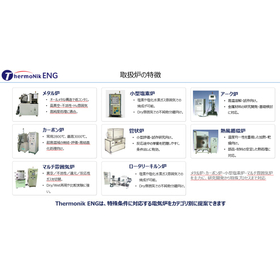
Are you having trouble selecting a furnace or electric furnace? If you choose an electric furnace based solely on maximum temperature, mismatches may occur in terms of operating atmosphere, vacuum level, gas flow, sample size, safety measures, and exhaust gas treatment. This document compares multi-atmosphere furnaces, tube furnaces, metal furnaces, carbon furnaces, and small chlorine furnaces in terms of temperature range, compatible atmospheres, preferred applications, and points to note. ■ Quickly understand the differences between furnace types ■ Useful for specification discussions before equipment installation ■ Effective for preliminary organization of firing tests and condition exploration ■ Also addresses confirmation of firing feasibility in special atmospheres

Added to bookmarks

Bookmarks list

Bookmark has been removed

Bookmarks list

You can't add any more bookmarks

By registering as a member, you can increase the number of bookmarks you can save and organize them with labels.

Free membership registration

How to conduct firing tests | Selecting kilns, jigs, and containers by sample type

Organize the firing test conditions suitable for powder, substrates, jigs, and components.

In firing tests, the type of furnace, fixtures, containers, and recovery methods vary depending on "what is being fired." The points to be checked and the items to be evaluated differ for powders, substrates and plates, fixtures and parts, and molded bodies and pellets. For example, with powders, it is important to check for dispersibility, moisture absorption, and recovery methods; for substrates, warping, distortion, and in-plane temperature differences; for fixtures and parts, gas flow and dead spots; and for molded bodies, cracks, shrinkage, and contact marks. This document organizes the items to be checked before firing tests by sample type, considerations for selecting fixtures and containers, and perspectives for selecting furnace types in a list format. ■ For consideration of firing tests before equipment introduction ■ For organizing conditions of powders, substrates, fixtures, and parts ■ For initial considerations in selecting furnace types, fixtures, and containers

Added to bookmarks

Bookmarks list

Bookmark has been removed

Bookmarks list

You can't add any more bookmarks

By registering as a member, you can increase the number of bookmarks you can save and organize them with labels.

Free membership registration

Electric Furnace Introduction Pre-Check List | 10 Items to Confirm in Specification Review

Organizing 10 items to check before introducing an electric furnace.

Before introducing an electric furnace, are there any omissions in the specification review? It is necessary to organize the specifications not only for the maximum temperature but also for the processing purpose, atmosphere gas, pressure conditions, sample conditions, containers and fixtures, exhaust gas treatment, safety measures, and installation conditions. This document organizes 10 items to check before the introduction of electric furnaces and atmosphere furnaces in a checklist format. ■ For organizing specifications before equipment introduction ■ For confirming conditions before firing tests ■ For initial considerations of special atmospheres, vacuum, reduction, and nitriding treatments ■ Can be used as internal confirmation materials before requesting estimates Please feel free to consult us even if you are at the stage of "not knowing which conditions to communicate to the manufacturer."

Added to bookmarks

Bookmarks list

Bookmark has been removed

Bookmarks list

You can't add any more bookmarks

By registering as a member, you can increase the number of bookmarks you can save and organize them with labels.

Free membership registration

Pre-introduction firing test of equipment | Confirming condition exploration, safety, and mass production deployment

Before deciding on the equipment specifications, confirm the reactivity with a small sample.

Before deciding on the specifications for electric furnaces and atmosphere furnaces, have you organized the conditions that should be confirmed through firing tests? In firing tests conducted before equipment installation, it is important to verify whether "the desired reaction occurs," "it can be processed safely," and "it can be scaled up to mass production conditions" using small sample sizes. This document organizes the planning items for confirming reactivity, safety, and reproducibility by varying temperature, atmosphere, processing time, flow rate, and pressure, focusing on processes such as firing, debinding, reduction, oxidation, nitriding, degassing, and impurity removal. ■ For exploring conditions before equipment installation ■ To prevent omissions in firing test planning ■ For consideration of furnace volume, gas systems, exhaust gas treatment, and jig specifications ■ For making scale-up decisions to mass production furnaces

Added to bookmarks

Bookmarks list

Bookmark has been removed

Bookmarks list

You can't add any more bookmarks

By registering as a member, you can increase the number of bookmarks you can save and organize them with labels.

Free membership registration

Selection of furnace for vacuum atmosphere sintering | Supports degassing, oxidation suppression, and high purity processing.

Select the appropriate electric furnace according to the vacuum level and processing purpose.

In vacuum atmosphere sintering, the required pressure and furnace configuration vary depending on the purpose. For degassing and drying, a pressure range of several Pa to several hundred Pa is sufficient, while for oxidation suppression, vacuum pumping and N₂/Ar replacement are necessary, and for high-purity processing, high vacuum levels of 10⁻³ to 10⁻⁴ Pa may be required. Therefore, it is important to consider not only the simple condition of wanting to sinter in a vacuum but also the processing purpose, temperature range, residual O₂, amount of generated gas, materials inside the furnace, heater materials, exhaust system, and safety measures. This document organizes the necessary pressure guidelines, furnace type selection, and confirmation points that affect equipment specifications based on the purposes of vacuum atmosphere sintering. - For considerations of degassing, drying, and oxidation suppression - For considerations of sintering in high vacuum and high-purity atmospheres - For differentiating between metal furnaces, multi-furnaces, carbon furnaces, and tube furnaces - For organizing specifications and considering sintering tests before equipment installation

Added to bookmarks

Bookmarks list

Bookmark has been removed

Bookmarks list

You can't add any more bookmarks

By registering as a member, you can increase the number of bookmarks you can save and organize them with labels.

Free membership registration

Differences between sintering, heat treatment, degreasing, and reduction | Selecting electric furnaces by purpose

Organize electric furnaces suitable for sintering, heat treatment, degreasing, and reduction.

Are you able to organize the differences between firing, heat treatment, degreasing, and reduction? Even with the same "heat treatment," the necessary temperature range, atmosphere, exhaust gas measures, safety measures, temperature distribution, and sample collection methods change depending on the purpose. For example, in firing, reaction completion and temperature distribution are important; in degreasing, generated gases, tar, and rapid reactions are critical; in reduction, H₂ concentration, substitution management, and explosion limits are key; and in heat treatment, uniformity, cooling conditions, and high-purity atmosphere are essential. This document organizes the representative conditions, main atmospheres, key points, suitable types of furnaces, and pre-check items for firing, heat treatment, degreasing, and reduction in a list format. ■ For selecting electric furnaces and atmosphere furnaces that match the treatment purpose ■ For organizing conditions before equipment installation ■ For preliminary consideration of firing tests and condition exploration ■ Can be used as internal confirmation materials before requesting estimates

Added to bookmarks

Bookmarks list

Bookmark has been removed

Bookmarks list

You can't add any more bookmarks

By registering as a member, you can increase the number of bookmarks you can save and organize them with labels.

Free membership registration

Firing tests of small sample sizes | Supporting condition exploration in research and development and prototype stages.

Corresponds to the exploration of firing conditions in the research and development and prototype stages.

Are you considering firing tests of small sample sizes in the research and development or prototype stage? In the early stages of material development, there are often cases where large sample sizes cannot be prepared. Even in such cases, by using small samples and varying factors such as temperature, holding time, heating rate, atmosphere, and pressure, you can identify issues related to firing feasibility, reactivity, recoverability, and equipment implementation. At Thermonik ENG, we select the appropriate type of furnace from options such as multi-atmosphere furnaces, tube furnaces, metal furnaces, carbon furnaces, and chlorine furnaces based on the sample size, shape, and processing purpose, and connect the test results to the consideration of equipment specifications. - For exploring conditions in the research and development or prototype stage - For firing evaluation of small powders, molded bodies, substrates, jigs, and components - For initial considerations of temperature, atmosphere, and processing time - For confirming firing feasibility before equipment installation

Added to bookmarks

Bookmarks list

Bookmark has been removed

Bookmarks list

You can't add any more bookmarks

By registering as a member, you can increase the number of bookmarks you can save and organize them with labels.

Free membership registration

Exploration of firing conditions for material development | Support from prototype evaluation in a small furnace to equipment design.

Support for firing tests and equipment specification from the stage of uncertain conditions.

Are you having trouble determining firing temperature, holding time, and atmospheric conditions in material development? In the early stages of material development, there are often many cases where firing temperature, holding time, atmosphere, type of furnace, sample quantity, and recovery methods are not yet determined. Additionally, there may be instances where you want to compare multiple atmospheres such as N₂, Ar, H₂, NH₃, vacuum, humidification, Cl₂, HCl, or check the furnace configuration suitable for powders, molded bodies, substrates, jigs, and components. At Thermonik ENG, we assist from the stage where conditions are not yet finalized by organizing objectives and sample conditions, and we support prototype evaluations by varying temperature, time, and atmosphere in a small furnace. The results obtained are reflected in the specifications of the equipment and furnace design, including internal dimensions, heaters, insulation, gas systems, and exhaust safety design. - For exploring firing conditions in the material development stage - For prototype evaluation and reactivity confirmation in a small furnace - For cross-examination of multiple atmospheres and furnace types - For specification and furnace design considerations before equipment installation

Added to bookmarks

Bookmarks list

Bookmark has been removed

Bookmarks list

You can't add any more bookmarks

By registering as a member, you can increase the number of bookmarks you can save and organize them with labels.

Free membership registration

How to Choose an Electric Furnace for Research and Development | Suitable for Prototyping, Condition Exploration, and Small-Scale Firing

Check the specifications of the electric furnace needed for trial production and condition exploration.

Are you selecting electric furnaces for research and development solely based on maximum temperature? In research and development, particularly in material development, there are cases where you want to compare multiple conditions of temperature, time, and atmosphere while the firing conditions are not yet established. Additionally, challenges may arise such as having a small sample size, wanting to use atmospheres like N₂, Ar, H₂, NH₃, O₂, vacuum, or humidified air, and needing to check safety aspects like powder dispersion, gas generation, corrosion, and explosion limits. This document organizes the specifications that should be confirmed when considering electric furnaces for research and development, as well as guidelines for selecting furnace types based on purpose. ■ For selecting electric furnaces in the research and development and material development stages ■ For initial considerations in prototyping, condition exploration, and small-scale firing ■ For considering firing tests in multiple atmospheres ■ For organizing specifications before requesting estimates ■ Can be used as internal discussion material before equipment introduction Even at a stage where conditions are not yet determined, we will propose ways to proceed with firing tests and equipment specifications based on sample shape, temperature range, and atmospheric conditions.

Added to bookmarks

Bookmarks list

Bookmark has been removed

Bookmarks list

You can't add any more bookmarks

By registering as a member, you can increase the number of bookmarks you can save and organize them with labels.

Free membership registration

Selection of Furnace for H₂ Reduction Atmosphere Heat Treatment | Measures for Safety and H₂ Concentration Management

Organize furnace specifications based on H₂ concentration, dilution gas, and safety measures.

Are you considering thermal treatment and firing evaluation in an H₂ reduction atmosphere? In processing under an H₂ reduction atmosphere, it is important to first clarify "what you want to reduce." Depending on the objective—such as the reduction of oxides, removal of surface oxide films, reduction of metallic impurities and residues, or treatment of powders, substrates, jigs, and components—the required temperature, H₂ concentration, holding time, and evaluation criteria will vary. Additionally, when processing with 100% H₂, high reduction power can be expected; however, it is crucial to consider specifications for replacement procedures, leak management, exhaust dilution, decontamination, and safety interlocks. When processing with diluted H₂ below the explosion limit, it is easier to lean towards safety, but there may be a risk of insufficient reducing power, necessitating verification of temperature, time, flow rate, and dilution ratio. This document organizes the reduction objectives, H₂ concentration, dilution gas, furnace configuration, safety measures, and points for reflecting on equipment specifications in H₂ reduction atmosphere thermal treatment. - For thermal treatment and firing evaluation in an H₂ reduction atmosphere - For comparative examination of 100% H₂ and diluted H₂ conditions - For oxide reduction, deoxygenation, and removal of surface oxide films - For organizing specifications of H₂ gas replacement, exhaust dilution, and safety interlocks - For firing tests and furnace type selection before equipment installation

Added to bookmarks

Bookmarks list

Bookmark has been removed

Bookmarks list

You can't add any more bookmarks

By registering as a member, you can increase the number of bookmarks you can save and organize them with labels.

Free membership registration

Selection of furnace for Cl₂・HCl special atmosphere sintering | Corresponding to chlorination reaction and corrosion evaluation

Organize the firing conditions and safety specifications using corrosive gases.

Are you considering sintering, chlorination reactions, and corrosion evaluation in a special atmosphere such as Cl₂ and HCl? In sintering using corrosive and reactive gases like Cl₂ and HCl, it is necessary to consider specifications not only for temperature and gas concentration but also for materials inside the furnace, jig materials, sealing materials, piping, valves, exhaust piping, pollution control devices, and safety interlocks. In particular, for chlorination reactions and volatile separation, the volatility of the generated chlorides, condensation location, recovery methods, insulation of exhaust piping, and pollution control capabilities are important. Additionally, since corrosive gases are handled, leak prevention measures, gas detection, exhaust routes, and safety shutdown conditions significantly impact equipment specifications. This document organizes the treatment objectives, gas conditions, furnace type selection, and key points for confirming jigs, piping, exhaust, pollution control, and safety measures in Cl₂ and HCl special atmosphere sintering. - For sintering and reaction evaluation in Cl₂ and HCl atmospheres - For consideration of chlorination reactions, volatile separation, and impurity removal - For removal of deposits from jigs and components, and evaluation of corrosion and durability - For insulation of exhaust, condensation measures, and specification review of pollution control devices - For sintering tests and condition exploration before equipment installation

Added to bookmarks

Bookmarks list

Bookmark has been removed

Bookmarks list

You can't add any more bookmarks

By registering as a member, you can increase the number of bookmarks you can save and organize them with labels.

Free membership registration

Recruiting trading company partners for special electric furnaces and heating equipment.

Recruiting trading company partners for a special electric furnace manufacturer to handle difficult projects that standard machines cannot manage.

Thermonic ENG Co., Ltd. is seeking trading partners for special electric furnaces and heating equipment, targeting technical trading companies and equipment trading companies. Our company handles a variety of electric furnaces, from small to pilot scale, including metal furnaces, carbon furnaces, multi-atmosphere furnaces, tubular furnaces, and small chlorine furnaces, all designed to meet special conditions. For projects that are difficult to address with standard equipment, such as high temperature, high vacuum, inert, reduction, and chlorine atmospheres, we welcome inquiries from the specification consideration stage. 【We are looking for trading companies like the following】 ■ Technical trading companies ■ Equipment trading companies ■ Companies with networks with research institutions, material manufacturers, universities, etc. 【Please consult us on projects like these】 ■ Special specification projects that cannot be handled by standard equipment from other companies ■ Heat treatment projects involving special atmospheres such as vacuum, inert, reduction, and chlorine ■ Process development projects that include high-temperature processing, special materials, and multiple steps ■ Projects that you want to advance from condition organization for research and development, prototyping, and mass production considerations For more details, please refer to the downloadable materials or feel free to contact us.

Added to bookmarks

Bookmarks list

Bookmark has been removed

Bookmarks list

You can't add any more bookmarks

By registering as a member, you can increase the number of bookmarks you can save and organize them with labels.

Free membership registration

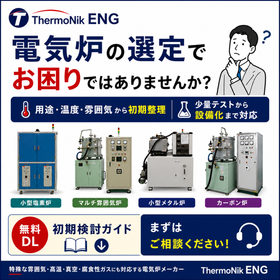
Technical consultation service for those who are unsure about selecting electric furnaces.

Please leave the initial consultation for organizing the appropriate electric furnace based on the application, temperature, atmosphere, processing volume, and sample shape to us!

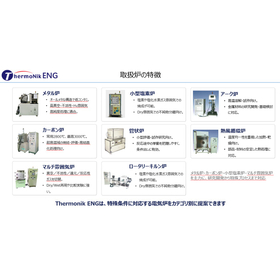
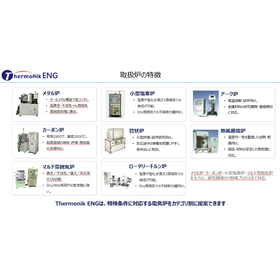
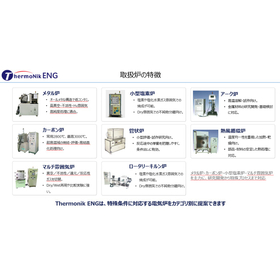
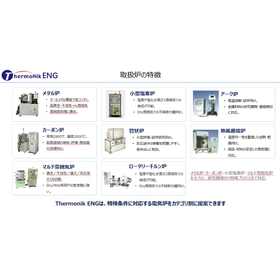
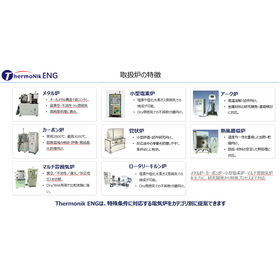
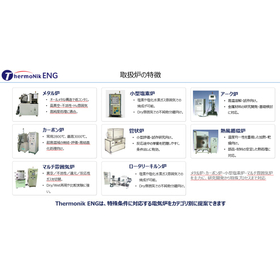
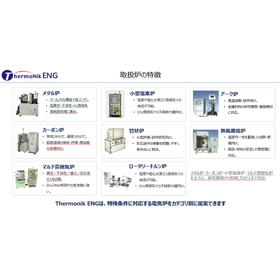
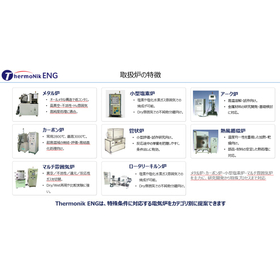
There are many types of electric furnaces, including tubular furnaces, box-type furnaces, vacuum furnaces, atmosphere furnaces, metal furnaces, carbon furnaces, and chlorine furnaces. Selecting the appropriate furnace that matches the application and conditions requires specialized organization. At our company, we can work together from the initial stages to determine which furnace type may be suitable by confirming the temperature, atmosphere gas, processing volume, sample shape, and purpose. We can consult even if the specifications are not yet finalized. You can discuss questions such as "Can it be processed at this temperature?" "Can this gas be used?" "Can it be handled with existing furnaces?" and "Can we conduct a test first?" It is also possible to conduct tests and condition setting with small samples before introducing the equipment to confirm the feasibility of the process. For treatments involving special atmospheres, high temperatures, vacuum, corrosive gases, and reactive gases, which are difficult to handle with standard furnaces, we can consider custom specifications. 【Features】 ■ You can consult from the stage where you are unsure about the type of electric furnace that suits your application, even after researching online. ■ We can respond from the initial organization stage, even if the temperature, atmosphere, processing volume, and sample shape are not yet determined. *For more details, please download the PDF or feel free to contact us.

Added to bookmarks

Bookmarks list

Bookmark has been removed

Bookmarks list

You can't add any more bookmarks

By registering as a member, you can increase the number of bookmarks you can save and organize them with labels.

Free membership registration
Prev 1 Next
  • 排気熱風なく 気温-4.1℃の冷風を 工事不要で暑さ対策 店舗・工場の 安全対策に! 気化式スポットクーラー Pure Drive ピュアドライブ
  • 金属・化学・窯業 食品・医薬品などの ほぐし・解砕 ふるい分けがこれ一台 解砕機構付き佐藤式振動ふるい機 つばさ デモ実施中!
    • Contact this company

      Inquiry Form

    Products

    • Search for Products

    Company

    • Search for Companies

    Special Features

    • Special Features

    Ranking

    • Overall Products Ranking
    • Overall Company Ranking

    support

    • site map
    IPROS
    • privacy policy Regarding external transmission of information
    • terms of service
    • About Us
    • Careers
    • Advertising
    COPYRIGHT © 2001-2026 IPROS CORPORATION ALL RIGHTS RESERVED.
    Please note that the English text on this page is automatically translated and may contain inaccuracies.