iPROS Manufacturing
  • Search for products by classification category

    • Electronic Components and Modules
      Electronic Components and Modules
      61676items
    • Machinery Parts
      Machinery Parts
      75932items
    • Manufacturing and processing machinery
      Manufacturing and processing machinery
      102034items
    • Scientific and Physics Equipment
      Scientific and Physics Equipment
      36331items
    • Materials
      Materials
      37776items
    • Measurement and Analysis
      Measurement and Analysis
      55161items
    • Image Processing
      Image Processing
      15377items
    • Control and Electrical Equipment
      Control and Electrical Equipment
      54564items
    • Tools, consumables, and supplies
      Tools, consumables, and supplies
      65605items
    • Design and production support
      Design and production support
      12663items
    • IT/Network
      IT/Network
      45652items
    • Office
      Office
      14181items
    • Business support services
      Business support services
      25412items
    • Seminars and Skill Development
      Seminars and Skill Development
      6559items
    • Pharmaceutical and food related
      Pharmaceutical and food related
      34177items
    • others
      75348items
  • Search for companies by industry

    • Manufacturing and processing contract
      7338
    • others
      4986
    • Industrial Machinery
      4445
    • Machine elements and parts
      3330
    • Other manufacturing
      2883
    • Trading company/Wholesale
      2650
    • IT/Telecommunications
      2571
    • Industrial Electrical Equipment
      2319
    • Building materials, supplies and fixtures
      1816
    • software
      1666
    • Electronic Components and Semiconductors
      1587
    • Resin/Plastic
      1500
    • Service Industry
      1478
    • Testing, Analysis and Measurement
      1130
    • Ferrous/Non-ferrous metals
      986
    • environment
      699
    • Chemical
      640
    • Automobiles and Transportation Equipment
      581
    • Printing Industry
      513
    • Information and Communications
      465
    • Consumer Electronics
      412
    • Energy
      333
    • Rubber products
      317
    • Food Machinery
      308
    • Optical Instruments
      279
    • robot
      273
    • fiber
      254
    • Paper and pulp
      230
    • Pharmaceuticals and Biotechnology
      173
    • Electricity, Gas and Water Industry
      167
    • Warehousing and transport related industries
      149
    • Glass and clay products
      139
    • Food and Beverage
      130
    • CAD/CAM
      124
    • retail
      108
    • Medical Devices
      107
    • Educational and Research Institutions
      107
    • Ceramics
      98
    • wood
      87
    • Transportation
      84
    • Petroleum and coal products
      63
    • Medical and Welfare
      62
    • Shipbuilding and heavy machinery
      51
    • Aviation & Aerospace
      48
    • Fisheries, Agriculture and Forestry
      41
    • equipment
      40
    • Materials
      33
    • Public interest/special/independent administrative agency
      31
    • Research and development equipment and devices
      29
    • Government
      24
    • self-employed
      24
    • Mining
      17
    • cosmetics
      15
    • Finance, securities and insurance
      14
    • Restaurants and accommodations
      10
    • Individual
      10
    • Police, Fire Department, Self-Defense Forces
      7
    • Laboratory Equipment and Consumables
      5
    • Raw materials for reagents and chemicals
      4
    • Contracted research
      3
  • Special Features
  • Ranking

    • Overall Products Ranking
    • Overall Company Ranking
Search for Products
  • Search for products by classification category

  • Electronic Components and Modules
  • Machinery Parts
  • Manufacturing and processing machinery
  • Scientific and Physics Equipment
  • Materials
  • Measurement and Analysis
  • Image Processing
  • Control and Electrical Equipment
  • Tools, consumables, and supplies
  • Design and production support
  • IT/Network
  • Office
  • Business support services
  • Seminars and Skill Development
  • Pharmaceutical and food related
  • others
Search for Companies
  • Search for companies by industry

  • Manufacturing and processing contract
  • others
  • Industrial Machinery
  • Machine elements and parts
  • Other manufacturing
  • Trading company/Wholesale
  • IT/Telecommunications
  • Industrial Electrical Equipment
  • Building materials, supplies and fixtures
  • software
  • Electronic Components and Semiconductors
  • Resin/Plastic
  • Service Industry
  • Testing, Analysis and Measurement
  • Ferrous/Non-ferrous metals
  • environment
  • Chemical
  • Automobiles and Transportation Equipment
  • Printing Industry
  • Information and Communications
  • Consumer Electronics
  • Energy
  • Rubber products
  • Food Machinery
  • Optical Instruments
  • robot
  • fiber
  • Paper and pulp
  • Pharmaceuticals and Biotechnology
  • Electricity, Gas and Water Industry
  • Warehousing and transport related industries
  • Glass and clay products
  • Food and Beverage
  • CAD/CAM
  • retail
  • Medical Devices
  • Educational and Research Institutions
  • Ceramics
  • wood
  • Transportation
  • Petroleum and coal products
  • Medical and Welfare
  • Shipbuilding and heavy machinery
  • Aviation & Aerospace
  • Fisheries, Agriculture and Forestry
  • equipment
  • Materials
  • Public interest/special/independent administrative agency
  • Research and development equipment and devices
  • Government
  • self-employed
  • Mining
  • cosmetics
  • Finance, securities and insurance
  • Restaurants and accommodations
  • Individual
  • Police, Fire Department, Self-Defense Forces
  • Laboratory Equipment and Consumables
  • Raw materials for reagents and chemicals
  • Contracted research
Special Features
Ranking
  • Overall Products Ranking
  • Overall Company Ranking
  • privacy policy
  • terms of service
  • About Us
  • Careers
  • Advertising
  1. Home
  2. environment
  3. トリイ
  4. Product/Service List
environment
  • Added to bookmarks

    Bookmarks list

    Bookmark has been removed

    Bookmarks list

    You can't add any more bookmarks

    By registering as a member, you can increase the number of bookmarks you can save and organize them with labels.

    Free membership registration

トリイ

addressAichi/Nishio-shi/36 Emukae, Ajihama, Isshikimachi
phone0563-72-8220
  • Special site
  • Official site
last updated:Sep 04, 2026
トリイlogo
  • Contact this company

    Inquiry Form
  • Before making an inquiry

    Download Profile
  • Company information
  • Products/Services(213)
  • catalog(61)
  • news(0)

トリイ Product Lineup

  • category

1~11 item / All 11 items

Displayed results

Filter by category

凝集剤・フロックの基礎知識 凝集剤・フロックの基礎知識
食品・薬品の基礎知識 食品・薬品の基礎知識
食品表示・添加物の基礎知識 食品表示・添加物の基礎知識
甘味料・うま味の基礎知識 甘味料・うま味の基礎知識
設備部品の基礎知識 設備部品の基礎知識
水道水・井戸水・水質基準 水道水・井戸水・水質基準
水質測定(pH・電気伝導率) 水質測定(pH・電気伝導率)
純水・超純水・工業用水 純水・超純水・工業用水
軟水・硬水の基礎知識 軟水・硬水の基礎知識
純水器・軟水器の提案 純水器・軟水器の提案
排水処理の基礎知識 排水処理の基礎知識
排水処理場の点検・保全サービス 排水処理場の点検・保全サービス
排水処理のトラブル事例 排水処理のトラブル事例
冷却塔の基礎知識とメンテナンス 冷却塔の基礎知識とメンテナンス
ボイラーの構造・運転・法規制 ボイラーの構造・運転・法規制
ボイラーの整備・点検・メンテナンス ボイラーの整備・点検・メンテナンス
ボイラーの更新・省エネ・コスト削減 ボイラーの更新・省エネ・コスト削減
ボイラーの薬品・スケール対策 ボイラーの薬品・スケール対策
冷却塔の基礎知識とメンテナンス

冷却塔の基礎知識とメンテナンス

冷却塔の仕組みからスケール・スライム障害、レジオネラ菌対策、凍結対策、点検・清掃まで、冷却塔の維持管理に関するページをまとめました。

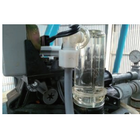
Why is cleaning the cooling tower necessary? 【Basic Knowledge】

The essential reasons for reducing electricity costs, addressing Legionella, and cleaning cooling towers.

■What changes with cooling tower cleaning? The purpose of cleaning a cooling tower is to remove dirt, but it ultimately contributes to maintaining the cooling tower's capacity. When scale and slime accumulate, the heat exchange efficiency decreases, and the load on fans and pumps increases. Therefore, if cleaning improves the performance of the equipment, it can reduce power consumption and lead to lower electricity costs. ■Why are legal measures necessary? If air conditioning equipment is installed, measures must be taken to prevent indoor air from being contaminated by pathogens. This is to address the "Legionella" bacteria that can cause Legionnaires' disease. According to the Building Sanitation Law, regular inspections and cleaning of cooling towers and cooling water are required for applicable buildings. ■How often should cleaning be done? Generally, cleaning and water replacement should be done at least once a year. If dirt in the cooling tower is left unattended, it can lead to inadequate hygiene management, making regular cleaning essential not only for maintaining capacity but also for infection control. Please feel free to consult us first.

Added to bookmarks

Bookmarks list

Bookmark has been removed

Bookmarks list

You can't add any more bookmarks

By registering as a member, you can increase the number of bookmarks you can save and organize them with labels.

Free membership registration

What are cooling towers and Legionella bacteria? [Basic Knowledge]

Why do they parasitize and multiply in amoebas? An explanation of the risks and symptoms of Legionella bacteria.

■Why do Legionella bacteria increase in cooling towers? The water temperature in air conditioning cooling water systems generally ranges from 10°C to 40°C. The optimal temperature for the growth of Legionella bacteria is around 36°C (the temperature range for proliferation is 25°C to 43°C), and from May to September, the water temperature in cooling systems approaches the optimal temperature for the proliferation of Legionella bacteria. ■How do Legionella bacteria proliferate? Legionella bacteria are known to proliferate by parasitizing amoebas. Environments where slime develops on the cooling tower itself or on the walls of pipes are believed to promote the growth of Legionella bacteria. ■What is Legionnaires' disease? The main forms of Legionnaires' disease are severe Legionella pneumonia and mild Pontiac fever. Legionella pneumonia begins with symptoms such as general fatigue, headache, loss of appetite, and muscle pain, and can progress to coughing, high fever above 38°C, chills, chest pain, and difficulty breathing. Rarely, symptoms outside the lungs, such as myocarditis, may also occur. ■How can risks be prevented? Regular water quality management, such as controlling the water temperature and preventing slime formation, is key to preventing the proliferation of Legionella bacteria. Please feel free to consult us for more information.

Added to bookmarks

Bookmarks list

Bookmark has been removed

Bookmarks list

You can't add any more bookmarks

By registering as a member, you can increase the number of bookmarks you can save and organize them with labels.

Free membership registration

How to inspect a cooling tower? 【Basic Knowledge】

Once a month and once a year, a gentle explanation of the legal inspection items for cooling towers.

■What inspection obligations are there for cooling towers? Inspections of cooling towers are required to be conducted once at the start of use and once within one month after starting use, regularly checking the condition of dirt and performing cleaning or water replacement as necessary. However, periods of non-use exceeding one month are excluded from this requirement. Additionally, cleaning of the cooling tower, water pipes, and humidifying devices must be done regularly once within a year. ■What should be checked during inspections? The operational condition of the drive mechanism, adjustment of the V-belt, gear oil level of the reduction gear, and the presence of vibrations or abnormal sounds should be checked. For the upper water tank, in square cooling towers, the clogging of the spray holes should be inspected, and in round cooling towers, the adjustment of rotation should be checked. ■How is water quality checked? In addition to checking for carryover, the water quality of circulating water and make-up water is tested by measuring conductivity. ■What happens if inspections are neglected? Neglecting inspections can lead to various risks being overlooked, such as the accumulation of scale and slime, and the proliferation of Legionella bacteria. Please feel free to consult us first.

Added to bookmarks

Bookmarks list

Bookmark has been removed

Bookmarks list

You can't add any more bookmarks

By registering as a member, you can increase the number of bookmarks you can save and organize them with labels.

Free membership registration

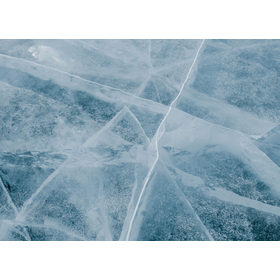
What are the measures to prevent freezing in cooling towers? [Basic Knowledge]

Does water expand by about 9% when it freezes? Key points to prevent freezing damage in cooling towers.

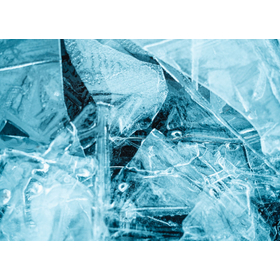
■Why are cooling towers prone to freezing? Water freezes when it drops below 0 degrees Celsius (freezing point). Cooling towers are designed to spray water into the air and cool it through evaporation, making circulating water, spray water, and makeup water easily exposed to outside air and wind. This creates a risk of freezing, especially during winter. It is generally said that it is too late to address freezing issues once they occur. ■Why do devices break when freezing occurs? When water freezes and turns into ice, it is said to expand in volume by about 9 percent. If this expansion occurs within pipes, it can cause a rapid increase in internal pressure, leading to damage to the pipes and fittings. The reason freezing damage is considered "too late once it happens" lies in this physical phenomenon of volume expansion. ■What happens if freezing is left unattended? If the circulating water, spray water, and makeup water in the cooling tower freeze, it can render the cooling tower inoperable, prolong recovery time, and result in significant costs. What actions to take to prevent freezing becomes a crucial key point. ■What preparations can be made regularly? In addition to managing the water quality of the cooling water system, during periods when freezing is a concern, it is important to maintain operations without stopping the circulating water and to insulate the pipes. Regular preparations are key to preventing damage. Please feel free to consult with us first.

Added to bookmarks

Bookmarks list

Bookmark has been removed

Bookmarks list

You can't add any more bookmarks

By registering as a member, you can increase the number of bookmarks you can save and organize them with labels.

Free membership registration

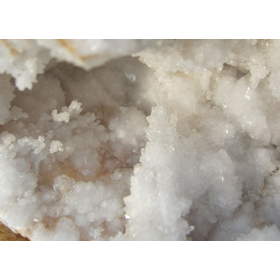
What is cooling tower scale? 【Basic Knowledge】

Does it become concentrated enough to evaporate water? An explanation of the nature of cooling tower scale.

■What is scale? Cooling towers can develop scale over long periods of use. Scale is the accumulation of "minerals" such as calcium and magnesium. Specifically, it includes calcium, magnesium, silica, and iron. ■Why does scale form? Cooling towers operate by evaporating a portion of the water, using the heat of vaporization to cool the remaining water. Only water molecules evaporate, leaving the minerals behind, which increases the concentration of minerals in the water as the cycle repeats. This "evaporation concentration" causes the minerals to become insoluble, resulting in the crystallization that forms scale. ■Where and what kind of damage occurs? Scale can attach not only inside the cooling tower but also to heat exchangers, copper pipes, and plumbing. If not detected early, the damage could become significant. Scale issues can severely reduce the cooling tower's efficiency and corrode metals. ■What are the key points for countermeasures? As long as cooling towers are in use, scale removal is essential. Regular water quality management and periodic inspections and cleaning are crucial to prevent efficiency loss and corrosion. Please feel free to consult us first.

Added to bookmarks

Bookmarks list

Bookmark has been removed

Bookmarks list

You can't add any more bookmarks

By registering as a member, you can increase the number of bookmarks you can save and organize them with labels.

Free membership registration

What are the measures for freezing in cooling towers by location? 【Basic Knowledge】

Piping, valves, flow meters... An explanation of freeze prevention measures around cooling towers by location.

■Why are measures different depending on the location? The freezing prevention measures for cooling towers change depending on whether the water is moving or stagnant. Generally, water is less likely to freeze as long as it continues to circulate, while stagnant water has a higher risk of freezing. The measures can be divided into three patterns: continue circulating, drain the water, or insulate. ■What are the specific measures for each location? Insulation material is wrapped around the piping on the supply water side. For closed cooling towers, either keep the circulation pump running or drain the closed side cooling water. The backup circulation pump, which is currently stopped, should either have the water drained or be wrapped in insulation material. Insulation material is also wrapped around cast iron valves and glass flow meters. For faucets where the water flow has stopped, either leave it slightly open or wrap it in insulation material. ■What is the common approach? The commonality among the six locations is the idea of either "keeping it moving," "draining," or "insulating," which prevents the conditions for water to freeze (stagnation and low temperature). Equipment that is stopped is often overlooked, so caution is necessary. ■Summary The state of water around cooling towers varies by location, and uniform measures are insufficient. Taking measures while checking the condition of each piece of equipment is key to preventing freezing damage. Please feel free to consult us first.

Added to bookmarks

Bookmarks list

Bookmark has been removed

Bookmarks list

You can't add any more bookmarks

By registering as a member, you can increase the number of bookmarks you can save and organize them with labels.

Free membership registration

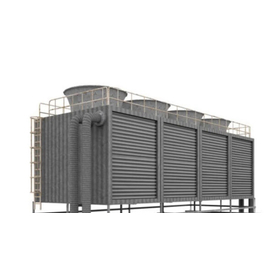
What is a cooling tower? [Basic knowledge]

Why does water cool down when it evaporates? An explanation of the mechanism of cooling towers.

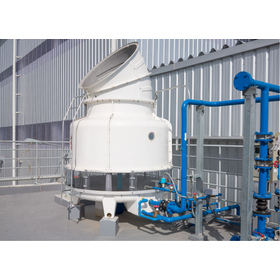
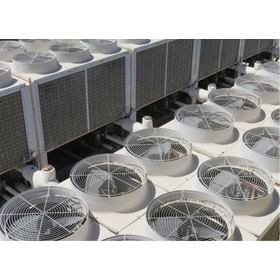
■What is a cooling tower? A cooling tower is a device that cools cooling water. It serves the purpose of releasing heat from indoors to the outdoors and is installed on the rooftops of large facilities such as buildings and shopping malls. Hot water is sprayed from the top, and air is blown from the bottom to facilitate contact with the water, causing it to evaporate. It is used for heat rejection in air conditioning chillers of buildings and for cooling water treatment in factory production equipment. ■Why does evaporation cool the water? When water evaporates, it absorbs heat (latent heat of evaporation) from the surroundings, which cools the remaining water. This is the same principle as how the body feels cooler when sweat evaporates. ■How is it different from a chiller? While a chiller also operates on a similar cooling principle, the difference is that a cooling tower allows water to come into direct contact with air under atmospheric pressure for evaporation. ■What types of cooling towers are there? Cooling towers can be broadly classified into "open" types, which directly contact water with outside air, and "closed" types, where water does not come into contact with outside air. Open types are relatively inexpensive, while closed types have the advantage of being less prone to water contamination and concentration. Please feel free to consult us first.

Added to bookmarks

Bookmarks list

Bookmark has been removed

Bookmarks list

You can't add any more bookmarks

By registering as a member, you can increase the number of bookmarks you can save and organize them with labels.

Free membership registration

What is the difference between a cooling tower and a chiller? [Basic Knowledge]

Is it just for cooling? Explaining the difference in purpose between cooling towers and chillers.

■What is the difference in purpose between a cooling tower and a chiller? The purpose of a cooling tower is to cool down the cooling water that has risen in temperature due to air conditioning systems, using the power of outside air. On the other hand, while a chiller is also used to cool liquids within machinery, its purpose is not just to "cool" but also to maintain a constant temperature of the target (temperature control). ■What does a chiller do? A chiller is a general term for a device that circulates low-temperature heat transfer media, such as water, to cool or heat a target sample or equipment, thereby controlling the temperature. It is often used for cooling, which is why it is called a chiller, derived from the English word "chill," meaning "to cool." It is widely used in equipment that performs precise processing, such as laser processing machines, injection molding machines, and machine tools. ■Why is it necessary to maintain a constant temperature? If the temperature fluctuates during processing, the material may expand or contract due to heat, leading to changes in dimensions and affecting processing accuracy. Keeping the temperature constant with a chiller is important to prevent such impacts on precision. ■Which one should you choose? If you only want to lower the temperature of the cooling water, a cooling tower is sufficient. If you want to maintain the target temperature precisely and consistently, a chiller is more suitable. Please feel free to consult us first.

Added to bookmarks

Bookmarks list

Bookmark has been removed

Bookmarks list

You can't add any more bookmarks

By registering as a member, you can increase the number of bookmarks you can save and organize them with labels.

Free membership registration

Why is water treatment for cooling towers necessary? 【Basic Knowledge】

Reasons why water treatment agents are necessary for corrosion, slime, scale, and Legionella prevention.

■What happens if cooling water is left untreated? If cooling water circulating in a cooling tower is operated without treatment, it may lead to the occurrence of what are called the "three major issues" in the cooling water system: corrosion, slime, and scale. Corrosion issues arise from the corrosion of metals, scale issues are caused by the deposition of minerals, and slime issues occur due to the attachment of algae and bacteria, which can lead to a decline in equipment performance and the risk of sudden operational shutdowns. ■What is the problem with Legionella bacteria? If cooling water is left unattended, it can lead to the growth of "Legionella bacteria," which causes Legionnaires' disease. Cooling towers are considered to be conducive to the proliferation of Legionella bacteria due to water temperature and quality conditions, and the Ministry of Health, Labour and Welfare continuously calls for proper management of cooling towers. ■Why are water treatment agents necessary? To prevent these issues and health risks, it is necessary to not only perform rust prevention, scale prevention, and slime control but also to manage water quality with an awareness of Legionella bacteria. For this purpose, water treatment agents are used. Please feel free to consult with us.

Added to bookmarks

Bookmarks list

Bookmark has been removed

Bookmarks list

You can't add any more bookmarks

By registering as a member, you can increase the number of bookmarks you can save and organize them with labels.

Free membership registration

What is the slime issue in cooling towers? 【Basic Knowledge】

What is the problem of slime accumulating in the cooling water?

Cooling water contains sufficient nutrients at an optimal temperature for the proliferation of microorganisms. As a result, bacteria, germs, and algae thrive in many cooling water systems, moving and adhering throughout the system along with the water. The accumulation of microorganisms or substances secreted by them is referred to as slime. ■What problems can occur? 1. Decreased cooling capacity If slime accumulates on the fill media of cooling towers, piping, or tubes of chillers, the efficiency of the cooling tower will decrease. A reduction in the efficiency of the cooling water leads to a decline in the overall performance of the heat source system. 2. Corrosion of pipes Not only does the water quality of the cooling water passing through pipes with slime adhere deteriorate, but the pipes themselves also suffer damage. This increases the risk of corrosion leading to water leaks, as well as the hassle and costs associated with repairs or replacements. 3. Clogging of pipes Slime is adhesive, and as it accumulates in large quantities, it can hinder the flow of cooling water, leading to the risk of clogs that render the system unusable.

Added to bookmarks

Bookmarks list

Bookmark has been removed

Bookmarks list

You can't add any more bookmarks

By registering as a member, you can increase the number of bookmarks you can save and organize them with labels.

Free membership registration

Cooling tower equipment maintenance total support

By implementing proper management and inspections, various troubles can be prevented in advance!

Our company is working to extend the lifespan of cooling towers and reduce costs through energy-efficient operations. We support water treatment plans to prevent pipe corrosion, efficiency diagnostics for cooling towers, inspections and cleaning within the cooling towers, and the removal of harmful bacteria. By implementing proper management and inspections, we can prevent various troubles before they occur. 【For concerns like these】 ■ Noticeable dirt on the cooling tower ■ Increased power consumption ■ Water temperature not decreasing ■ Unusual noises, etc. *For more details, please download the PDF or feel free to contact us.

Added to bookmarks

Bookmarks list

Bookmark has been removed

Bookmarks list

You can't add any more bookmarks

By registering as a member, you can increase the number of bookmarks you can save and organize them with labels.

Free membership registration
Prev 1 Next
  • 技術・製品展示会 新技術創出交流会2026 入場無料 来場登録受付中 開催日時10月22日木・23日金 会場東京たま未来メッセ
  • 竹中直人と対談しませんか? 出演企業募集中!
    • Contact this company

      Inquiry Form
    • Before making an inquiry

      Download Profile

    Products

    • Search for Products

    Company

    • Search for Companies

    Special Features

    • Special Features

    Ranking

    • Overall Products Ranking
    • Overall Company Ranking

    support

    • site map
    IPROS
    • privacy policy Regarding external transmission of information
    • terms of service
    • About Us
    • Careers
    • Advertising
    IPROS Services
    • >IPROS GMS | Search site for the manufacturing industry
    • >IPROS | Search site for the B2B industry
    COPYRIGHT © 2001-2026 IPROS CORPORATION ALL RIGHTS RESERVED.
    Please note that the English text on this page is automatically translated and may contain inaccuracies.