iPROS Manufacturing
  • Search for products by classification category

    • Electronic Components and Modules
      Electronic Components and Modules
      63019items
    • Machinery Parts
      Machinery Parts
      76249items
    • Manufacturing and processing machinery
      Manufacturing and processing machinery
      103115items
    • Scientific and Physics Equipment
      Scientific and Physics Equipment
      36988items
    • Materials
      Materials
      38214items
    • Measurement and Analysis
      Measurement and Analysis
      55122items
    • Image Processing
      Image Processing
      15526items
    • Control and Electrical Equipment
      Control and Electrical Equipment
      55211items
    • Tools, consumables, and supplies
      Tools, consumables, and supplies
      66169items
    • Design and production support
      Design and production support
      12763items
    • IT/Network
      IT/Network
      46677items
    • Office
      Office
      14237items
    • Business support services
      Business support services
      28466items
    • Seminars and Skill Development
      Seminars and Skill Development
      6647items
    • Pharmaceutical and food related
      Pharmaceutical and food related
      35565items
    • others
      68347items
  • Search for companies by industry

    • Manufacturing and processing contract
      7367
    • others
      5046
    • Industrial Machinery
      4502
    • Machine elements and parts
      3402
    • Other manufacturing
      2909
    • Trading company/Wholesale
      2809
    • IT/Telecommunications
      2582
    • Industrial Electrical Equipment
      2338
    • Building materials, supplies and fixtures
      1816
    • software
      1703
    • Electronic Components and Semiconductors
      1618
    • Resin/Plastic
      1505
    • Service Industry
      1501
    • Testing, Analysis and Measurement
      1141
    • Ferrous/Non-ferrous metals
      1006
    • environment
      697
    • Chemical
      654
    • Automobiles and Transportation Equipment
      622
    • Printing Industry
      517
    • Information and Communications
      485
    • Consumer Electronics
      414
    • Energy
      341
    • Rubber products
      322
    • Food Machinery
      309
    • Optical Instruments
      285
    • robot
      284
    • fiber
      264
    • Paper and pulp
      233
    • Pharmaceuticals and Biotechnology
      178
    • Electricity, Gas and Water Industry
      169
    • Warehousing and transport related industries
      151
    • Food and Beverage
      140
    • Glass and clay products
      140
    • CAD/CAM
      126
    • Educational and Research Institutions
      119
    • Medical Devices
      116
    • retail
      111
    • Ceramics
      98
    • wood
      86
    • Transportation
      84
    • Petroleum and coal products
      67
    • Medical and Welfare
      62
    • Shipbuilding and heavy machinery
      52
    • Aviation & Aerospace
      50
    • equipment
      46
    • Fisheries, Agriculture and Forestry
      43
    • Materials
      41
    • Research and development equipment and devices
      37
    • Public interest/special/independent administrative agency
      32
    • Government
      23
    • self-employed
      23
    • Finance, securities and insurance
      17
    • Mining
      17
    • cosmetics
      16
    • Restaurants and accommodations
      10
    • Individual
      10
    • Police, Fire Department, Self-Defense Forces
      7
    • Raw materials for reagents and chemicals
      5
    • Laboratory Equipment and Consumables
      5
    • Contracted research
      5
  • Special Features
  • Ranking

    • Overall Products Ranking
    • Overall Company Ranking
Search for Products
  • Search for products by classification category

  • Electronic Components and Modules
  • Machinery Parts
  • Manufacturing and processing machinery
  • Scientific and Physics Equipment
  • Materials
  • Measurement and Analysis
  • Image Processing
  • Control and Electrical Equipment
  • Tools, consumables, and supplies
  • Design and production support
  • IT/Network
  • Office
  • Business support services
  • Seminars and Skill Development
  • Pharmaceutical and food related
  • others
Search for Companies
  • Search for companies by industry

  • Manufacturing and processing contract
  • others
  • Industrial Machinery
  • Machine elements and parts
  • Other manufacturing
  • Trading company/Wholesale
  • IT/Telecommunications
  • Industrial Electrical Equipment
  • Building materials, supplies and fixtures
  • software
  • Electronic Components and Semiconductors
  • Resin/Plastic
  • Service Industry
  • Testing, Analysis and Measurement
  • Ferrous/Non-ferrous metals
  • environment
  • Chemical
  • Automobiles and Transportation Equipment
  • Printing Industry
  • Information and Communications
  • Consumer Electronics
  • Energy
  • Rubber products
  • Food Machinery
  • Optical Instruments
  • robot
  • fiber
  • Paper and pulp
  • Pharmaceuticals and Biotechnology
  • Electricity, Gas and Water Industry
  • Warehousing and transport related industries
  • Food and Beverage
  • Glass and clay products
  • CAD/CAM
  • Educational and Research Institutions
  • Medical Devices
  • retail
  • Ceramics
  • wood
  • Transportation
  • Petroleum and coal products
  • Medical and Welfare
  • Shipbuilding and heavy machinery
  • Aviation & Aerospace
  • equipment
  • Fisheries, Agriculture and Forestry
  • Materials
  • Research and development equipment and devices
  • Public interest/special/independent administrative agency
  • Government
  • self-employed
  • Finance, securities and insurance
  • Mining
  • cosmetics
  • Restaurants and accommodations
  • Individual
  • Police, Fire Department, Self-Defense Forces
  • Raw materials for reagents and chemicals
  • Laboratory Equipment and Consumables
  • Contracted research
Special Features
Ranking
  • Overall Products Ranking
  • Overall Company Ranking
  • privacy policy
  • terms of service
  • About Us
  • Careers
  • Advertising
  1. Home
  2. environment
  3. トリイ
  4. Product/Service List
environment
  • Added to bookmarks

    Bookmarks list

    Bookmark has been removed

    Bookmarks list

    You can't add any more bookmarks

    By registering as a member, you can increase the number of bookmarks you can save and organize them with labels.

    Free membership registration

トリイ

addressAichi/Nishio-shi/36 Emukae, Ajihama, Isshikimachi
phone0563-72-8220
  • Special site
  • Official site
last updated:Sep 04, 2026
トリイlogo
  • Contact this company

    Inquiry Form
  • Before making an inquiry

    Download Profile
  • Company information
  • Products/Services(356)
  • catalog(62)
  • news(0)

トリイ Product Lineup

  • category

1~15 item / All 15 items

Displayed results

Filter by category

純水・超純水・工業用水 純水・超純水・工業用水
工場の困りごと解決事例 工場の困りごと解決事例
活性汚泥・汚泥処理 活性汚泥・汚泥処理
水質検査の項目・依頼先 水質検査の項目・依頼先
食品・薬品の基礎知識 食品・薬品の基礎知識
食品表示・添加物の基礎知識 食品表示・添加物の基礎知識
甘味料・うま味の基礎知識 甘味料・うま味の基礎知識
設備部品の基礎知識 設備部品の基礎知識
水道水・井戸水・水質基準 水道水・井戸水・水質基準
水質測定(pH・電気伝導率) 水質測定(pH・電気伝導率)
ボイラーの薬品・スケール対策 ボイラーの薬品・スケール対策
軟水・硬水の基礎知識 軟水・硬水の基礎知識
凝集剤・フロックの基礎知識 凝集剤・フロックの基礎知識
排水処理の基礎知識 排水処理の基礎知識
排水処理場の点検・保全サービス 排水処理場の点検・保全サービス
排水処理のトラブル事例 排水処理のトラブル事例
冷却塔の基礎知識とメンテナンス 冷却塔の基礎知識とメンテナンス
ボイラーの構造・運転・法規制 ボイラーの構造・運転・法規制
ボイラーの整備・点検・メンテナンス ボイラーの整備・点検・メンテナンス
ボイラーの更新・省エネ・コスト削減 ボイラーの更新・省エネ・コスト削減
甘味料・うま味の基礎知識

甘味料・うま味の基礎知識

人工甘味料と天然甘味料の違いや、昆布やかつお節などうま味成分を含む食品に関する基礎知識をまとめました。

Is there a "sweetness curve" in sweeteners? What are the differences in taste? 【Basic Knowledge】

How do sucralose and acesulfame K differ in terms of sweetness perception?

■What is the "sweetness curve"? It is said that the timing of when sweetness is perceived and the duration of that sweetness vary depending on the type of sweetener. The changes in sweetness over time are represented by the sweetness curve. ■How do sucralose and acesulfame K differ? Sucralose has sweetness characteristics that are very similar to sugar, while acesulfame K is characterized by a quicker onset of sweetness compared to sugar and a sharp sweetness that lasts longer. Both of these sweeteners are used in Coca-Cola Zero. ■I see, the balance of sweeteners determines the taste! Coca-Cola Zero is thought to achieve a taste that starts with a strong sweetness but has a refreshing aftertaste by blending these sweeteners in the best proportions. The specific ratios are likely kept as trade secrets and are not disclosed. Please feel free to consult us first.

Added to bookmarks

Bookmarks list

Bookmark has been removed

Bookmarks list

You can't add any more bookmarks

By registering as a member, you can increase the number of bookmarks you can save and organize them with labels.

Free membership registration

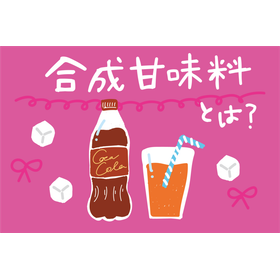
Why is zero sugar sweet? What is the true nature of artificial sweeteners? 【Basic Knowledge】

Why is it sweet even though it has zero sugar? A simple explanation of the secrets behind the sweetness of artificial sweeteners!

■Why does it taste sweet even though it's zero sugar? Foods that do not use sugar can taste sweet because synthetic sweeteners and other alternatives are used instead of sugar. Sweeteners can be broadly categorized into "sugar-based sweeteners," which include sugars derived from sugar and starch, and "non-sugar-based sweeteners," which combine natural sweeteners (like stevia) and synthetic sweeteners (like sucralose and acesulfame K). ■How sweet are synthetic sweeteners? Looking at the ingredient list of Coca-Cola Zero, it shows that sweeteners (sucralose, acesulfame K) are used, and there is no sugar. The sweetness of these synthetic sweeteners is said to be hundreds of times sweeter than sugar, allowing for a strong sweetness to be replicated with just a small amount, which is the mechanism behind zero sugar. ■I see, it's a system that keeps calories low with a small amount! Because they are so sweet, only a small amount is needed, which significantly reduces calories and may help in preventing lifestyle-related diseases and obesity. On the other hand, there are concerns about the health effects of synthetic sweeteners, and there is no scientifically clear conclusion yet. Please feel free to consult with us first.

Added to bookmarks

Bookmarks list

Bookmark has been removed

Bookmarks list

You can't add any more bookmarks

By registering as a member, you can increase the number of bookmarks you can save and organize them with labels.

Free membership registration

Are natural sweeteners really good for your health? How to choose them? 【Basic Knowledge】

The key to choosing natural sweeteners like stevia and erythritol is to select them based on your purpose!

■What exactly are natural sweeteners? Natural sweeteners are those that are extracted from sweet components found in plants, such as leaves and fruits, and common "sugar" is one of the natural sweeteners. There are various types, including plant-derived stevia, monk fruit, and licorice, sugar alcohols like erythritol and xylitol, as well as honey and maple syrup. ■Do different sweeteners have completely different characteristics? Stevia and monk fruit are 200 to 300 times sweeter than sugar, licorice is 30 to 40 times sweeter, erythritol is about 70% as sweet as sugar and provides a cooling sensation with a gradual increase in blood sugar levels. Xylitol has cavity-preventing effects, and agave syrup is sweeter than sugar and contains the dietary fiber inulin. ■I see, just because they are natural doesn't mean I can consume them freely! Even natural sweeteners can cause a rapid increase in blood sugar levels depending on the type, so it’s important to choose them according to your goals and health condition. If you want to reduce calories, stevia is a good choice; if you want to avoid a rapid spike in blood sugar, agave syrup is preferable. It’s important to use them appropriately. Please feel free to consult with us first.

Added to bookmarks

Bookmarks list

Bookmark has been removed

Bookmarks list

You can't add any more bookmarks

By registering as a member, you can increase the number of bookmarks you can save and organize them with labels.

Free membership registration

What is the real reason sugar is needed for bread making? 【Basic Knowledge】

Did it fail when you replaced sugar with a sweetener? An explanation of the unexpected role in bread making!

■Why doesn't the bread rise when replaced with sweeteners? The basic ingredients for bread making are flour, water, yeast, and salt, but for fluffy bread, ingredients with moisture-retaining properties, such as eggs and sugar, are important. When I tried replacing sugar with a sweetener that contains no sugars (a mix of erythritol and sucralose), the fermentation weakened, and the bread only rose to about half the usual height, resulting in a lack of browning. ■Does sugar have five roles in bread making? Sugar has five roles: 1. It serves as food for yeast, 2. It enhances the flavor of the bread, 3. It contributes to browning, 4. It makes the dough soft and moist, and 5. It helps regulate gluten formation. ■I see, sweeteners that contain no sugars do not serve as food for yeast! Sweeteners that do not contain sugars do not provide nutrition for yeast, which weakens fermentation and results in bread that does not rise well. When replacing sugar with the aim of reducing carbohydrates, it is important to choose sweeteners that consider these five roles. Please feel free to consult with us first.

Added to bookmarks

Bookmarks list

Bookmark has been removed

Bookmarks list

You can't add any more bookmarks

By registering as a member, you can increase the number of bookmarks you can save and organize them with labels.

Free membership registration

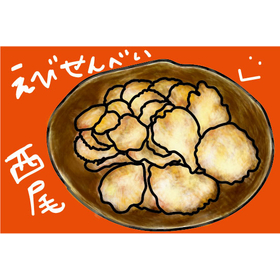
Sweeteners in shrimp crackers? What are the roles of stevia and licorice? 【Basic Knowledge】

What are the three reasons why sweeteners are used in shrimp crackers, as indicated by the ingredient label?

■Is it true that sweeteners are used in shrimp crackers? Shrimp crackers are often thought to be made only from shrimp, wheat flour, salt, and sugar, but when looking at the ingredient list of certain products, various materials are used, including starch and coloring agents, as well as natural sweeteners like stevia and licorice. ■Why add sweeteners to shrimp crackers? Sweeteners serve three purposes: enhancing umami, enriching texture and flavor, improving preservation, and reducing calories. They are used not just to add sweetness but also as components that affect texture and shelf life. ■I see, this product also contains natural sweeteners! It has been revealed that natural sweeteners like stevia and licorice are used as ingredients in familiar shrimp crackers. Torii also handles stevia and licorice. Please feel free to consult with us.

Added to bookmarks

Bookmarks list

Bookmark has been removed

Bookmarks list

You can't add any more bookmarks

By registering as a member, you can increase the number of bookmarks you can save and organize them with labels.

Free membership registration

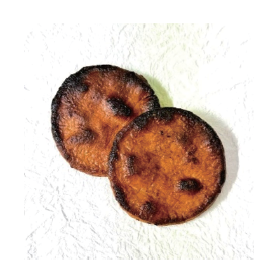
Why does Aichi Prefecture have a 95% share of the national market for shrimp crackers? 【Basic Knowledge】

What is the relationship between Aichi Prefecture's Isshiki Town, which has a 95% domestic share and is the number one in production, and shrimp crackers?

■Is Aichi Prefecture really the top producer of shrimp crackers? Aichi Prefecture ranks first in both production and consumption, accounting for about 95% of the domestic market share. Approximately 70% of this production comes from two cities, Hekinan and Nishio, which face Chita Bay, and it is deeply rooted as a representative industry of the region. ■Where is the birthplace of shrimp crackers? Ichinomiya Town in Nishio City is known as the birthplace of shrimp crackers. It is said that shrimp crackers made primarily from Akashi shrimp, caught in Mikawa Bay, were born in the mid-Meiji era, and currently, about 60% of the shrimp crackers in Japan are produced in this town. ■I see, the flavor changes between hand-baked and machine-baked! There are two methods for producing shrimp crackers: hand-baking, which uses plenty of fresh shrimp, and machine-baking, which is done automatically by machines. Hand-baked crackers are said to have a rich shrimp flavor, and their irregular sizes and shapes are also part of their appeal. Our company is based in this Ichinomiya Town and works with many local shrimp cracker manufacturers. Please feel free to consult with us.

Added to bookmarks

Bookmarks list

Bookmark has been removed

Bookmarks list

You can't add any more bookmarks

By registering as a member, you can increase the number of bookmarks you can save and organize them with labels.

Free membership registration

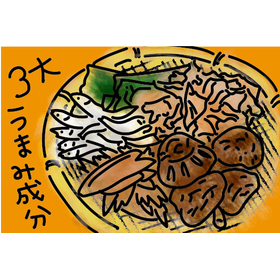
What are the differences in umami components between kombu, katsuobushi, and dried shiitake mushrooms? 【Basic Knowledge】

Is the fat content of bonito flakes 3 to 11.8%? What is the other side of one of the three major umami foods?

■What are the three major umami components? The three major umami components refer to glutamic acid, inosinic acid, and guanylic acid. The representative foods for each are kombu, katsuobushi, and dried shiitake mushrooms. ■Are there any other characteristics besides umami components? Kombu contains a high amount of aspartic acid in addition to glutamic acid. Aspartic acid is an amino acid named after asparagus and is believed to be related to nitrogen and energy metabolism in the body. On the other hand, katsuobushi contains fat in addition to inosinic acid. ■What differences are there in the fat content of katsuobushi? In general, when examining about seven pieces of katsuobushi referred to as "arabon," the fat content varied from as low as 3% to as high as 11.8%. The guideline for a delicious fat content is considered to be around 3-10%. By the way, it was found that the umami component in dried shiitake mushrooms is mostly guanylic acid. Please feel free to consult with us first.

Added to bookmarks

Bookmarks list

Bookmark has been removed

Bookmarks list

You can't add any more bookmarks

By registering as a member, you can increase the number of bookmarks you can save and organize them with labels.

Free membership registration

Does kelp not release dashi in the sea? What is the reason for that? 【Basic Knowledge】

Does the cell membrane break down to release umami? What is the mechanism behind the extraction of umami from kombu?

■Does kombu not release dashi in the sea? If umami components are being released from kombu, it wouldn't be surprising if there were a dashi aroma coming from the sea, but in reality, dashi does not come out in the ocean. The reason is that kombu is alive. Amino acids like glutamic acid, which are umami components, are trapped inside the cells. ■Why does dried kombu release dashi? To protect the essential amino acids for survival, kombu keeps them trapped in the cells while it is alive, but when it dies and dries, the cell membranes break down and the barrier is lost. Therefore, when soaked in hot water, glutamic acid dissolves and creates dashi. ■What role does kombu play in the sea? When kombu is present, plankton gathers around it, and small fish that eat the plankton also gather, enriching the ecosystem in the ocean. Additionally, through photosynthesis, it absorbs a large amount of CO2 and releases oxygen, contributing to the reduction of CO2 in the atmosphere and the purification of the sea. Please feel free to consult with us first.

Added to bookmarks

Bookmarks list

Bookmark has been removed

Bookmarks list

You can't add any more bookmarks

By registering as a member, you can increase the number of bookmarks you can save and organize them with labels.

Free membership registration

Why is umami seasoning delicious? The secret of the golden ratio [Basic Knowledge]

Ajinomoto, Haimi, and Inobiban: What is the golden ratio that creates the difference in flavor?

Did you know that there are three representative types of umami components? The three major umami components are monosodium glutamate, which is the umami of kombu, disodium inosinate, which is the umami of bonito, and monosodium guanylate, which is the umami of shiitake mushrooms. The latter two are also referred to as sodium ribonucleotides. Why do umami seasonings taste so good? The representative umami seasonings, such as Ajinomoto, Haimee, and I-no-Ichi-Ban, are based on monosodium glutamate and contain a few percent of disodium inosinate and monosodium guanylate. By combining multiple umami components, they create a synergistic effect that enhances the perception of umami, achieving a golden ratio. I see, the taste changes with the blending ratio! Haimee and I-no-Ichi-Ban have a higher ratio of disodium inosinate and monosodium guanylate compared to Ajinomoto, resulting in a more refined flavor. We also handle umami seasonings at Torii. Please feel free to consult with us.

Added to bookmarks

Bookmarks list

Bookmark has been removed

Bookmarks list

You can't add any more bookmarks

By registering as a member, you can increase the number of bookmarks you can save and organize them with labels.

Free membership registration

Why is umami special? What is its relationship with the five basic tastes? 【Basic Knowledge】

Are umami components the same as the components that make up the human body? What is the secret of the five basic tastes?

■What are the five basic tastes? The basic elements that humans perceive as taste are the five: salty, sweet, bitter, sour, and umami, collectively referred to as the five basic tastes. This time, we will focus on umami. ■What is the essence of umami? Umami is the taste we experience when we consume amino acids such as glutamic acid, as well as nucleotides like guanylic acid and inosine. These three are collectively known as the three major umami components. ■I see, umami is the very components that build our bodies! Amino acids are the building blocks of proteins and are the components that make up our muscles and hair. On the other hand, nucleic acids are the components of our genetic material. In other words, the foods that provide umami contain the very components that make up the human body. Please feel free to consult with us.

Added to bookmarks

Bookmarks list

Bookmark has been removed

Bookmarks list

You can't add any more bookmarks

By registering as a member, you can increase the number of bookmarks you can save and organize them with labels.

Free membership registration

What are artificial sweeteners? What are the benefits and precautions? 【Basic Knowledge】

Sweeter than sugar but zero calories? The mechanism and precautions of synthetic sweeteners.

■What are synthetic sweeteners? Synthetic sweeteners are artificially blended sweet components that do not exist in nature. Unlike natural sweeteners like sugar, they are characterized by being chemically produced. Aspartame, acesulfame potassium, sucralose, saccharin, and neotame are known as the main types. ■What foods are they used in? They are used in a wide range of foods, including soft drinks, candies, and processed foods, and are found in many items we consume daily. By checking the ingredient list on food packaging, you may find these component names. ■Are there both benefits and precautions? They are used in low-calorie and zero-calorie products, and since they are sweeter than sugar, a small amount can provide sweetness. They are also said to help suppress post-meal blood sugar spikes and prevent cavities. While this may seem entirely positive, excessive intake can lead to constipation, diarrhea, and abdominal pain, so it is important to be cautious about the amount consumed. Please feel free to consult with us first.

Added to bookmarks

Bookmarks list

Bookmark has been removed

Bookmarks list

You can't add any more bookmarks

By registering as a member, you can increase the number of bookmarks you can save and organize them with labels.

Free membership registration

Can replacing sugar prevent burning? A case study of confectionery manufacturers.

Leave it to us for a natural and unique blend of sweetness! (Natural sweeteners, synthetic sweeteners)

We received an inquiry from a customer at a confectionery manufacturer stating, "Using sugar as an ingredient makes the dough prone to burning during baking, which worsens the manufacturing yield." ◼️ Issues - We want to add sweetness without burning the dough. - We want to get as close as possible to the sweetness of sugar. Sugar is prone to undergoing the Maillard reaction during heating, which creates color and aroma, but in some products, it can also cause "burning." Therefore, a replacement with a sweetener that is less likely to burn was required. ◼️ Proposal We proposed a blend that utilizes the characteristics of natural and synthetic sweeteners to replicate a natural sweetness close to sugar by controlling the onset of sweetness (the speed at which it is perceived) and the aftertaste. For more details on our proposal, please refer to the downloadable materials.

Added to bookmarks

Bookmarks list

Bookmark has been removed

Bookmarks list

You can't add any more bookmarks

By registering as a member, you can increase the number of bookmarks you can save and organize them with labels.

Free membership registration

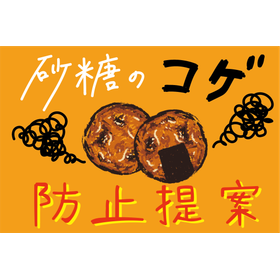
Sugar substitution | Preventing dough from burning during baking [with examples]

For those troubled by burnt dough! We propose a sweetener that replicates a natural sweetness close to sugar.

Do you have any concerns about using sugar as a raw material? - I want to add sweetness to prevent the dough from burning. - I want to get as close as possible to the sweetness of sugar. By utilizing the characteristics of natural and synthetic sweeteners, we propose a blend that reproduces a natural sweetness similar to sugar by controlling the onset of sweetness and aftertaste. ◇ Significantly reduces burning during baking, stabilizing the product's appearance. ◇ The texture of sweetness is close to that of sugar, resulting in minimal taste discrepancies. ◇ Contributes to improved yield and reduced manufacturing costs. We are currently offering free examples of suitable sweetener blends tailored to manufacturing challenges.

Added to bookmarks

Bookmarks list

Bookmark has been removed

Bookmarks list

You can't add any more bookmarks

By registering as a member, you can increase the number of bookmarks you can save and organize them with labels.

Free membership registration

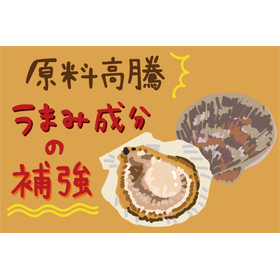
Rising raw material costs squeezing profits? Ways to enhance flavor components! A case study in seafood processing.

Leave the formulation and proposal of cost-conscious food additives and umami components to us!

We received an inquiry from a customer who is a seafood processing manufacturer, stating that "the price of scallop raw materials has been rising year by year, leading to increased costs." ■ Challenges • We want to maintain the same flavor while reducing the amount of scallop raw materials used. • We aim to keep costs down without compromising the balance of flavor and umami in the product. ■ Proposal By using disodium succinate, a unique umami component of scallops, as a supplementary ingredient, we have successfully reduced the amount of raw scallops used while recreating the same level of umami and satisfaction! Please refer to the downloadable materials for more details on our proposal.

Added to bookmarks

Bookmarks list

Bookmark has been removed

Bookmarks list

You can't add any more bookmarks

By registering as a member, you can increase the number of bookmarks you can save and organize them with labels.

Free membership registration

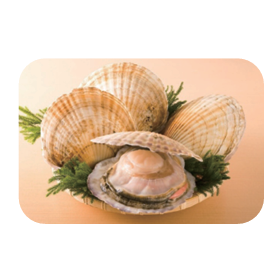
Umami component enhancement | Maintaining the existing flavor while keeping costs down [with examples]

For those struggling with rising food ingredient prices! Successfully reduced the amount of raw materials used by utilizing umami components.

Are you facing these concerns regarding the rising prices of raw materials and increasing costs? - You want to reduce the amount of scallop raw material used while maintaining the same flavor. - You want to keep costs down without compromising the balance of flavor and umami in your products. By using disodium succinate, a unique umami component of scallops, as a supplementary ingredient, we have successfully reduced the amount of raw scallops used while recreating the same level of umami and satisfaction. ◇ Successfully reduced the amount of scallop raw material used ◇ Maintained product quality without compromising flavor depth and aftertaste ◇ Improved profitability by controlling raw material costs We are currently offering a free case study on achieving cost reduction while preserving the natural flavors derived from ingredients.

Added to bookmarks

Bookmarks list

Bookmark has been removed

Bookmarks list

You can't add any more bookmarks

By registering as a member, you can increase the number of bookmarks you can save and organize them with labels.

Free membership registration
Prev 1 Next
  • 製造業・工事業の現場改善 重くてつらいコンクリート作業… 東栄産業のマンホール蓋なら、軽量・楽々 軽い 強い 錆びない GRP コンポジットマンホールカバー
  • CADを持っていない他部門や取引先に! 専用アプリ不要! いつでもどこでも3Dデータをサクサク閲覧! iCAD 3D Browser
    • Contact this company

      Inquiry Form
    • Before making an inquiry

      Download Profile

    Products

    • Search for Products

    Company

    • Search for Companies

    Special Features

    • Special Features

    Ranking

    • Overall Products Ranking
    • Overall Company Ranking

    support

    • site map
    IPROS
    • privacy policy Regarding external transmission of information
    • terms of service
    • About Us
    • Careers
    • Advertising
    IPROS Services
    • >IPROS GMS | Search site for the manufacturing industry
    • >IPROS | Search site for the B2B industry
    COPYRIGHT © 2001-2026 IPROS CORPORATION ALL RIGHTS RESERVED.
    Please note that the English text on this page is automatically translated and may contain inaccuracies.