iPROS Manufacturing
  • Search for products by classification category

    • Electronic Components and Modules
      Electronic Components and Modules
      63019items
    • Machinery Parts
      Machinery Parts
      76249items
    • Manufacturing and processing machinery
      Manufacturing and processing machinery
      103115items
    • Scientific and Physics Equipment
      Scientific and Physics Equipment
      36988items
    • Materials
      Materials
      38214items
    • Measurement and Analysis
      Measurement and Analysis
      55122items
    • Image Processing
      Image Processing
      15526items
    • Control and Electrical Equipment
      Control and Electrical Equipment
      55211items
    • Tools, consumables, and supplies
      Tools, consumables, and supplies
      66169items
    • Design and production support
      Design and production support
      12763items
    • IT/Network
      IT/Network
      46677items
    • Office
      Office
      14237items
    • Business support services
      Business support services
      28466items
    • Seminars and Skill Development
      Seminars and Skill Development
      6647items
    • Pharmaceutical and food related
      Pharmaceutical and food related
      35565items
    • others
      68347items
  • Search for companies by industry

    • Manufacturing and processing contract
      7367
    • others
      5046
    • Industrial Machinery
      4502
    • Machine elements and parts
      3402
    • Other manufacturing
      2909
    • Trading company/Wholesale
      2809
    • IT/Telecommunications
      2582
    • Industrial Electrical Equipment
      2338
    • Building materials, supplies and fixtures
      1816
    • software
      1703
    • Electronic Components and Semiconductors
      1618
    • Resin/Plastic
      1505
    • Service Industry
      1501
    • Testing, Analysis and Measurement
      1141
    • Ferrous/Non-ferrous metals
      1006
    • environment
      697
    • Chemical
      654
    • Automobiles and Transportation Equipment
      622
    • Printing Industry
      517
    • Information and Communications
      485
    • Consumer Electronics
      414
    • Energy
      341
    • Rubber products
      322
    • Food Machinery
      309
    • Optical Instruments
      285
    • robot
      284
    • fiber
      264
    • Paper and pulp
      233
    • Pharmaceuticals and Biotechnology
      178
    • Electricity, Gas and Water Industry
      169
    • Warehousing and transport related industries
      151
    • Food and Beverage
      140
    • Glass and clay products
      140
    • CAD/CAM
      126
    • Educational and Research Institutions
      119
    • Medical Devices
      116
    • retail
      111
    • Ceramics
      98
    • wood
      86
    • Transportation
      84
    • Petroleum and coal products
      67
    • Medical and Welfare
      62
    • Shipbuilding and heavy machinery
      52
    • Aviation & Aerospace
      50
    • equipment
      46
    • Fisheries, Agriculture and Forestry
      43
    • Materials
      41
    • Research and development equipment and devices
      37
    • Public interest/special/independent administrative agency
      32
    • Government
      23
    • self-employed
      23
    • Finance, securities and insurance
      17
    • Mining
      17
    • cosmetics
      16
    • Restaurants and accommodations
      10
    • Individual
      10
    • Police, Fire Department, Self-Defense Forces
      7
    • Raw materials for reagents and chemicals
      5
    • Laboratory Equipment and Consumables
      5
    • Contracted research
      5
  • Special Features
  • Ranking

    • Overall Products Ranking
    • Overall Company Ranking
Search for Products
  • Search for products by classification category

  • Electronic Components and Modules
  • Machinery Parts
  • Manufacturing and processing machinery
  • Scientific and Physics Equipment
  • Materials
  • Measurement and Analysis
  • Image Processing
  • Control and Electrical Equipment
  • Tools, consumables, and supplies
  • Design and production support
  • IT/Network
  • Office
  • Business support services
  • Seminars and Skill Development
  • Pharmaceutical and food related
  • others
Search for Companies
  • Search for companies by industry

  • Manufacturing and processing contract
  • others
  • Industrial Machinery
  • Machine elements and parts
  • Other manufacturing
  • Trading company/Wholesale
  • IT/Telecommunications
  • Industrial Electrical Equipment
  • Building materials, supplies and fixtures
  • software
  • Electronic Components and Semiconductors
  • Resin/Plastic
  • Service Industry
  • Testing, Analysis and Measurement
  • Ferrous/Non-ferrous metals
  • environment
  • Chemical
  • Automobiles and Transportation Equipment
  • Printing Industry
  • Information and Communications
  • Consumer Electronics
  • Energy
  • Rubber products
  • Food Machinery
  • Optical Instruments
  • robot
  • fiber
  • Paper and pulp
  • Pharmaceuticals and Biotechnology
  • Electricity, Gas and Water Industry
  • Warehousing and transport related industries
  • Food and Beverage
  • Glass and clay products
  • CAD/CAM
  • Educational and Research Institutions
  • Medical Devices
  • retail
  • Ceramics
  • wood
  • Transportation
  • Petroleum and coal products
  • Medical and Welfare
  • Shipbuilding and heavy machinery
  • Aviation & Aerospace
  • equipment
  • Fisheries, Agriculture and Forestry
  • Materials
  • Research and development equipment and devices
  • Public interest/special/independent administrative agency
  • Government
  • self-employed
  • Finance, securities and insurance
  • Mining
  • cosmetics
  • Restaurants and accommodations
  • Individual
  • Police, Fire Department, Self-Defense Forces
  • Raw materials for reagents and chemicals
  • Laboratory Equipment and Consumables
  • Contracted research
Special Features
Ranking
  • Overall Products Ranking
  • Overall Company Ranking
  • privacy policy
  • terms of service
  • About Us
  • Careers
  • Advertising
  1. Home
  2. environment
  3. トリイ
  4. Product/Service List
environment
  • Added to bookmarks

    Bookmarks list

    Bookmark has been removed

    Bookmarks list

    You can't add any more bookmarks

    By registering as a member, you can increase the number of bookmarks you can save and organize them with labels.

    Free membership registration

トリイ

addressAichi/Nishio-shi/36 Emukae, Ajihama, Isshikimachi
phone0563-72-8220
  • Special site
  • Official site
last updated:Sep 04, 2026
トリイlogo
  • Contact this company

    Inquiry Form
  • Before making an inquiry

    Download Profile
  • Company information
  • Products/Services(356)
  • catalog(62)
  • news(0)

トリイ Product Lineup

  • category

1~21 item / All 21 items

Displayed results

Filter by category

純水・超純水・工業用水 純水・超純水・工業用水
工場の困りごと解決事例 工場の困りごと解決事例
活性汚泥・汚泥処理 活性汚泥・汚泥処理
水質検査の項目・依頼先 水質検査の項目・依頼先
食品・薬品の基礎知識 食品・薬品の基礎知識
食品表示・添加物の基礎知識 食品表示・添加物の基礎知識
甘味料・うま味の基礎知識 甘味料・うま味の基礎知識
設備部品の基礎知識 設備部品の基礎知識
水道水・井戸水・水質基準 水道水・井戸水・水質基準
水質測定(pH・電気伝導率) 水質測定(pH・電気伝導率)
ボイラーの薬品・スケール対策 ボイラーの薬品・スケール対策
軟水・硬水の基礎知識 軟水・硬水の基礎知識
凝集剤・フロックの基礎知識 凝集剤・フロックの基礎知識
排水処理の基礎知識 排水処理の基礎知識
排水処理場の点検・保全サービス 排水処理場の点検・保全サービス
排水処理のトラブル事例 排水処理のトラブル事例
冷却塔の基礎知識とメンテナンス 冷却塔の基礎知識とメンテナンス
ボイラーの構造・運転・法規制 ボイラーの構造・運転・法規制
ボイラーの整備・点検・メンテナンス ボイラーの整備・点検・メンテナンス
ボイラーの更新・省エネ・コスト削減 ボイラーの更新・省エネ・コスト削減
活性汚泥・汚泥処理

活性汚泥・汚泥処理

活性汚泥法のしくみや運転管理、バルキング対策、汚泥の濃縮・脱水・処分までをまとめました。
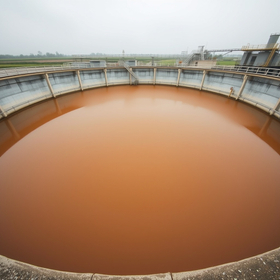
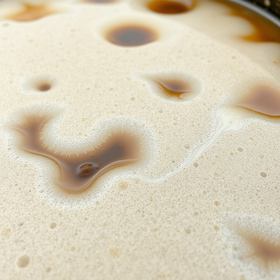
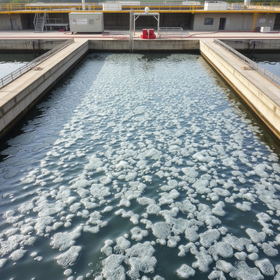
What is bulking? Causes of sludge not settling [Basic knowledge]

In the sedimentation tank, the sludge does not settle and overflows along with the supernatant... Its true nature might be filamentous bacteria that have proliferated excessively within the sludge?

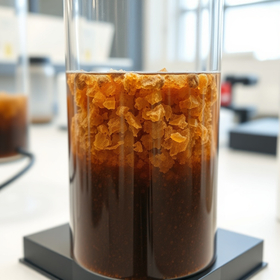
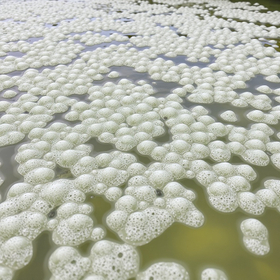
The phenomenon where activated sludge becomes difficult to settle in the sedimentation tank and overflows along with the supernatant is called "bulking." It is a problem in the activated sludge process where sludge and water cannot be separated. ■ Why doesn't it settle properly?! One of the main causes is the excessive growth of filamentous bacteria. When filamentous bacteria proliferate both inside and outside the floc, it forms a loose mass with many gaps, holding a lot of water. When the filaments extend outward, they entangle with each other during the settling process, hindering the compaction at the bottom. Even if the cohesive forces remain, it does not settle completely. ■ Why do filamentous bacteria increase? They are said to thrive under conditions with low oxygen and nutrients, triggered by changes such as: 1. Lack of dissolved oxygen (DO) 2. Insufficient nutrients like nitrogen and phosphorus 3. Operation with loads that are too low or too high 4. Inflow of wastewater rich in sugars or containing sulfides ■ Tracking settleability with numbers It is important to record and organize operational data and establish management benchmarks. SV30 and SVI are indicators that numerically represent the settleability of sludge. Please feel free to consult us first.

Added to bookmarks

Bookmarks list

Bookmark has been removed

Bookmarks list

You can't add any more bookmarks

By registering as a member, you can increase the number of bookmarks you can save and organize them with labels.

Free membership registration

What is sticky bulking? Causes and countermeasures for slimy sludge.

Why doesn't the sludge settle despite the low presence of filamentous fungi? This explains how to identify "viscous bulking," which is characterized by stickiness and lack of compaction, and discusses the drainage issues that can easily arise.

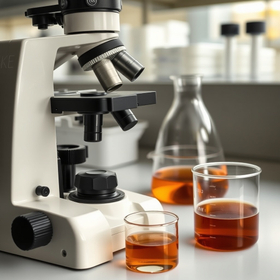
Viscous bulking is a phenomenon where activated sludge becomes sticky and difficult to settle. Bulking caused by filamentous bacteria has different causes and identification methods. ■ Few filaments, yet it won't settle! Even under a microscope, the filaments extending from the flocs are not very noticeable. Instead, undigested polysaccharides and EPS (extracellular polymeric substances) accumulate, increasing the stickiness of the sludge and causing it to become dispersed. As a result, it becomes difficult to settle in the sedimentation tank, and even when it does settle, it does not compact tightly. ■ What type of wastewater is it likely to occur with? It is believed to occur when treating wastewater that contains a lot of sugars with activated sludge. If nutrients like nitrogen are insufficient, the decomposition of polysaccharides may be delayed, or excessive EPS may be produced due to nutrient deficiency, leading to increased stickiness. In wastewater treatment at sake breweries, bulking with sticky foam has been reported, even though filamentous bacteria are few. ■ How to identify it? When it does not settle, first check the abundance of filaments under a microscope. If there are few filaments but it still does not settle, there is a possibility of viscous bulking. Also, check if the incoming water has sufficient nitrogen and phosphorus. Please feel free to consult us first.

Added to bookmarks

Bookmarks list

Bookmark has been removed

Bookmarks list

You can't add any more bookmarks

By registering as a member, you can increase the number of bookmarks you can save and organize them with labels.

Free membership registration

What is biological treatment? The difference between aerobic treatment and anaerobic treatment.

Biological treatment that decomposes organic matter in wastewater using the power of microorganisms. This explains the differences between aerobic treatment, which uses oxygen, and anaerobic treatment, which does not, as well as how they can be combined.

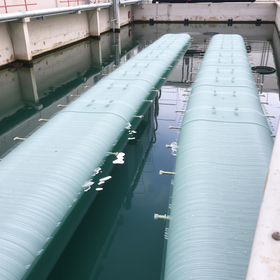
Biological treatment is a method of breaking down organic matter in wastewater through the action of microorganisms. It is widely used, from household septic tanks to industrial wastewater treatment. Biological treatment is also central to the wastewater treatment in food factories. ■ Microorganisms "eat" and clean Microorganisms take in organic matter from wastewater. Some of it is broken down into carbon dioxide and water, while the rest becomes new microbial cells or sludge. The increased microorganisms are then separated from the water as excess sludge. ■ There are aerobic and anaerobic treatments! Microorganisms can either live using oxygen or work in environments without oxygen. Depending on which one is used, the treatment is broadly divided into two types: 1. Aerobic treatment: Air is supplied, and microorganisms that use oxygen break down the organic matter. 2. Anaerobic treatment: Air is cut off, and microorganisms that do not use oxygen break down the organic matter. ■ How can we compare it to a campfire and fermentation? Aerobic treatment is similar to a campfire that uses oxygen to convert organic matter into carbon dioxide and water, but the increased microorganisms remain as a larger amount of sludge. Anaerobic treatment is closer to fermentation occurring in a tank without oxygen, producing biogas that contains methane, with less sludge. Please feel free to consult us first.

Added to bookmarks

Bookmarks list

Bookmark has been removed

Bookmarks list

You can't add any more bookmarks

By registering as a member, you can increase the number of bookmarks you can save and organize them with labels.

Free membership registration

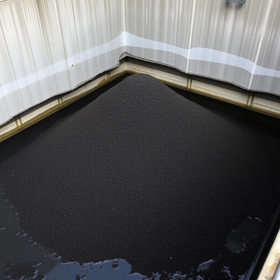
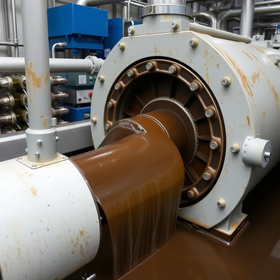
What is sludge? Types and treatment as industrial waste [Basic Knowledge]

Sludge generated from wastewater treatment in business is considered industrial waste, regardless of the industry. This explains how to determine hazardous substances and how to verify subcontractors.

Sludge refers to the muddy substances that come from wastewater treatment and manufacturing processes. Specifically, it includes the muddy substances after wastewater treatment, those generated during manufacturing processes, as well as excess sludge, coagulated sediment sludge, and building pit sludge, among others. Different origins and characteristics fall under the single category of "sludge." The quantity and moisture content of sludge can also vary depending on the condition of the coagulants and dewatering machines. ■ Industrial Waste Regardless of Industry?! According to Article 2, Paragraph 4 of the Waste Management and Public Cleansing Law, sludge generated from business activities is classified as industrial waste. While paper scraps and wood chips are limited to specific industries by government ordinance, there are no such limitations for sludge. Whether from a factory or an office building, sludge produced from business activities is treated as industrial waste. ■ The Largest Quantity by Type! In the fiscal year 2023, sludge accounted for the largest quantity of industrial waste by type, making up 42.1% of the total. On the other hand, the recycling rate is only 7.6%. Sludge is particularly low in recycling rates among industrial waste types. Given its large quantity, it is significant to understand how to handle it. Please feel free to consult with us first.

Added to bookmarks

Bookmarks list

Bookmark has been removed

Bookmarks list

You can't add any more bookmarks

By registering as a member, you can increase the number of bookmarks you can save and organize them with labels.

Free membership registration

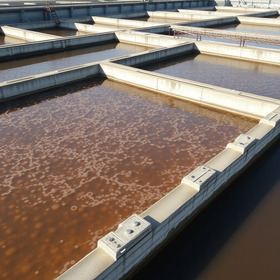
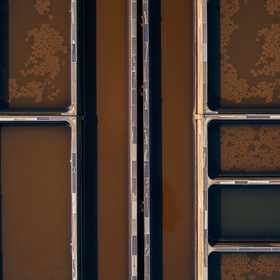
What is the activated sludge method? Basics of its mechanism and operation [Fundamental Knowledge]

The activated sludge method cultivates a mass of microorganisms to decompose organic matter in wastewater. This explains the roles of the aeration tank and the sedimentation tank, the reasons for recycling sludge, and the key points for daily management.

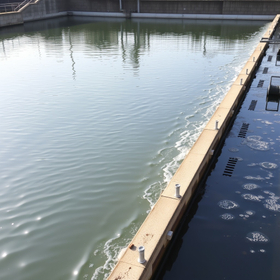
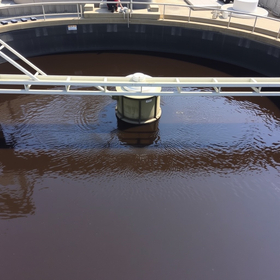
The activated sludge method is a treatment process that uses a collection of microorganisms (activated sludge) that utilize oxygen to break down organic matter in wastewater. It is a widely used representative biological treatment method, from sewage treatment plants to industrial wastewater treatment. The effectiveness of the treatment is greatly influenced by how well the activity of these microorganisms is maintained. ■ Dividing roles in two tanks 1. Aeration tank: Air is supplied to allow microorganisms to break down organic matter. 2. Sedimentation tank: The clumps of microorganisms (flocs) are settled to separate the clean supernatant. The supernatant is discharged as treated water, while the settled sludge is redirected for further processing. Whether the separation in the sedimentation tank is successful significantly affects the quality of the treated water. ■ Why circulate the sludge? The sludge that settles in the sedimentation tank is returned to the aeration tank (return activated sludge). This is to maintain a sufficient quantity of the microorganisms, which are the main agents of decomposition, within the tank. At the same time, as microorganisms multiply while breaking down organic matter, the excess is removed as surplus sludge to maintain the sludge volume in the tank. ■ Is it like adding to a bread starter? The concept of the activated sludge method is to continue operating while leaving behind active microorganisms, similar to how a portion of the previous dough is retained for the next batch of bread. Please feel free to consult with us first.

Added to bookmarks

Bookmarks list

Bookmark has been removed

Bookmarks list

You can't add any more bookmarks

By registering as a member, you can increase the number of bookmarks you can save and organize them with labels.

Free membership registration

What are nitrification and denitrification? The mechanism of nitrogen removal [Basic knowledge]

Convert ammonia into nitric acid and release it as nitrogen gas from water. Why is the denitrification tank placed before the nitrification tank? Explain the conditions and combinations of the two reactions.

Nitrogen in wastewater exists in forms such as organic nitrogen, ammonia, nitrite, and nitrate. When removing nitrogen through biological treatment, a combination of "nitrification," which oxidizes ammonia in the presence of oxygen, and "denitrification," which converts the resulting nitrite and nitrate into nitrogen gas, is used. ■ Is nitrification a relay of two types of bacteria? Nitrification proceeds through the following two reactions: 1. Nitrosomonas: NH4+ + 3/2O2 → NO2- + 2H+ + H2O 2. Nitrobacter: NO2- + 1/2O2 → NO3- These two types of bacteria are collectively referred to as nitrifying bacteria, each using ammonium ions and nitrite ions as energy sources. ■ Where does the nitrogen go? Denitrifying bacteria, when lacking the necessary oxygen to oxidize organic matter, instead use the oxygen from nitrite or nitrate. As a result, substances like nitrate are reduced to nitrogen gas, which then escapes into the atmosphere. In the case of nitrate, it is represented as "2NO3- + 5H2 → N2 + 2OH- + 4H2O," where the H2 is provided from organic matter by the metabolism of denitrifying bacteria. Please feel free to consult with us first.

Added to bookmarks

Bookmarks list

Bookmark has been removed

Bookmarks list

You can't add any more bookmarks

By registering as a member, you can increase the number of bookmarks you can save and organize them with labels.

Free membership registration

What are MLSS and MLVSS? Concentration management of activated sludge [Basic knowledge]

How many kg of sludge is contained in 1 cubic meter of the aeration tank? I will explain the meanings of MLSS and MLVSS, as well as concentration management using SV30 and SVI.

In the activated sludge method, clusters of microorganisms break down the pollutants in wastewater in a tank where air is supplied. The indicators for quantifying the amount of these microorganisms are MLSS and MLVSS. ■ What is MLSS? MLSS stands for Mixed Liquor Suspended Solids, which indicates the concentration of suspended solids in the mixed liquor of the aeration tank, expressed in mg/L. It serves as a guideline for the amount of activated sludge present and is a fundamental indicator for managing the aeration tank. ■ Difference from MLVSS MLVSS refers to the portion of MLSS that consists of organic matter that volatilizes upon strong heating. MLSS includes both organic and inorganic matter. MLVSS isolates only the organic portion from this. Even with the same sludge, the numbers differ depending on which value is used. ■ How many kg in 1 cubic meter? mg/L is equivalent to g/cubic meter. In standard activated sludge methods for wastewater, the design MLSS is 1,500 to 2,000 mg/L, which calculates to 1.5 to 2 kg of solid matter in 1 cubic meter of the aeration tank. Please feel free to consult with us first.

Added to bookmarks

Bookmarks list

Bookmark has been removed

Bookmarks list

You can't add any more bookmarks

By registering as a member, you can increase the number of bookmarks you can save and organize them with labels.

Free membership registration

What are the microorganisms in activated sludge? Protozoa and filamentous bacteria [Basic Knowledge]

When viewed under a microscope, something is moving in the sludge?! This explains the types of microorganisms in activated sludge and the organisms that indicate the treatment conditions.

Activated sludge is not just mud. It is a collection primarily composed of various microorganisms that take in and decompose organic matter in wastewater. It mainly consists of the following organisms: 1. Bacteria 2. Protozoa 3. Metazoans (multicellular animals such as rotifers and nematodes) It forms a small ecosystem where bacteria are consumed by protozoa and others. ■ The main players are bacteria Among them, the main players in purification are bacteria. Aggregative bacteria release a viscous substance (EPS) outside their cells to stick together, forming small clumps called "flocs." A well-known bacterium for this function is Zoogloea. When left undisturbed, flocs settle down, leaving clear water on top. ■ Protozoa eat bacteria! Vorticella, a type of ciliate, has fine hairs (cilia) arranged in a ring around its mouth and consumes bacteria from the water. Its size is about several tens of micrometers. Some amoebas can reach several hundred micrometers. Organisms like protozoa and rotifers that feed on suspended bacteria in the water also play a role in clarifying treated water. Please feel free to consult us first.

Added to bookmarks

Bookmarks list

Bookmark has been removed

Bookmarks list

You can't add any more bookmarks

By registering as a member, you can increase the number of bookmarks you can save and organize them with labels.

Free membership registration

What is Membrane Bioreactor (MBR)? Mechanism and Operational Precautions [Basic Knowledge]

MBR, which separates sludge and water using a membrane instead of a settling tank. This explains the role of the membrane and the perspective on membrane fouling that cannot be avoided during operation, as well as the considerations for cleaning.

Membrane Bioreactor (MBR) is a method that performs solid-liquid separation, which has traditionally been carried out by gravity sedimentation in the activated sludge process, using a separation membrane. The decomposition of organic matter and nitrification are still carried out by activated sludge as before. ■ Is the membrane only responsible for separation? While the separation membrane can almost completely separate bacteria, it allows dissolved low-molecular substances to pass through. This means that low-molecular substances that remain dissolved and cannot be fully decomposed during biological treatment will pass through the membrane. The water quality of the permeated water is influenced by the activity of the microorganisms in the reaction tank. ■ Can even difficult-to-settle sludge be separated? Since there is no need for gravity sedimentation, even difficult-to-settle sludge can be separated, increasing the sludge concentration in the reaction tank and allowing for treatment in a shorter time. The final sedimentation tank becomes unnecessary, and there is no need for the management of returned sludge. ■ What kind of membrane is used? In the treatment of food wastewater, for example, precision filtration membranes (MF membranes) with a pore size of 0.4 μm are used, with methods that either immerse the membrane in an aeration tank or place it outside the tank and pump the water to it. The applicable BOD concentration of the wastewater is approximately 3,000 mg/L or lower. Please feel free to consult us first.

Added to bookmarks

Bookmarks list

Bookmark has been removed

Bookmarks list

You can't add any more bookmarks

By registering as a member, you can increase the number of bookmarks you can save and organize them with labels.

Free membership registration

What is the standard activated sludge method? Differences from the long-term aeration method [Basic Knowledge]

The starting point of various methods of the activated sludge process, the standard activated sludge method. We will compare what the modified methods have changed and the differences in retention time and load.

The standard activated sludge method is a basic activated sludge process consisting of an initial sedimentation tank, a reaction tank (aeration tank), and a final sedimentation tank. It is sometimes referred to simply as the "standard method." ■ Does "standard" mean a specification? There are indications that the flow of treatment alone does not fully define the standard method. In this context, some interpret "standard" as referring to the original method from which many variations have emerged. ■ The English name is CAS In English, it is commonly translated as conventional activated sludge (abbreviated as CAS), which has a connotation close to "traditional." ■ How widely is it used in wastewater treatment plants? There are over 600 installations of this method in domestic wastewater treatment plants, making it the second most common method after the oxidation ditch method. When limited to treatment plants with a capacity exceeding 10,000 cubic meters per day, the share rises to about 70%, indicating that larger treatment plants tend to choose the standard method. Additionally, creating anaerobic conditions upstream of the reaction tank is widely implemented as a measure against filamentous bulking. Please feel free to consult with us.

Added to bookmarks

Bookmarks list

Bookmark has been removed

Bookmarks list

You can't add any more bookmarks

By registering as a member, you can increase the number of bookmarks you can save and organize them with labels.

Free membership registration

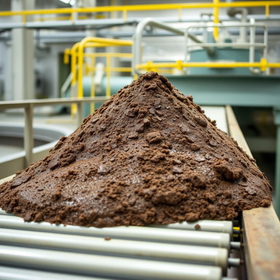
What is sludge dewatering? Moisture content of dewatered sludge and types of dewatering machines [Basic Knowledge]

When the moisture content decreases by 1 point, how much does the amount of dewatered sludge change? This will explain the calculation method, the type of dewatering machine, and what happens to the dewatered sludge afterward.

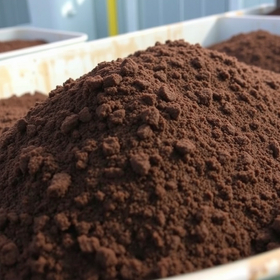
Dewatering of sludge refers to the process of further separating water from sludge that has already had some water removed through concentration, using machinery to produce solid dewatered sludge. Dewatered sludge is also referred to as dewatering cake. According to the Sewerage Act, public sewer managers are required to strive to reduce generated sludge through methods such as dewatering and incineration. ■ Moisture content is the ratio to the total weight Moisture content is a value that indicates what percentage of the total weight of the sludge is made up of water. The remainder is the proportion of solids; for example, if the moisture content is 78%, then the solids make up 22%. For instance, if we estimate the solid concentration of concentrated sludge to be 3.5% and the moisture content of directly dewatered sludge to be 78%, then if the amount of solids is the same, the weight after dewatering would be 3.5 divided by 22, which is about one-sixth of the concentrated sludge. ■ Does a 1-point difference matter?! When the moisture content of dewatered sludge decreases from 80% to 79%, the proportion of solids increases from 20% to 21%. Since the amount of solids does not decrease, the weight calculation is 20 divided by 21, resulting in about 95%, which means a reduction of approximately 5%. The higher the moisture content, the more significant the impact of the same 1-point difference on the quantity. Please feel free to consult with us first.

Added to bookmarks

Bookmarks list

Bookmark has been removed

Bookmarks list

You can't add any more bookmarks

By registering as a member, you can increase the number of bookmarks you can save and organize them with labels.

Free membership registration

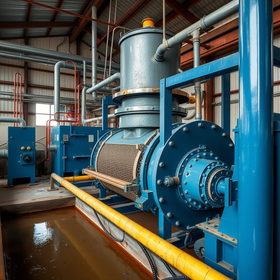
What is a sludge dewatering machine? Types and how to choose, chemicals before dewatering [Basic Knowledge]

The results of the dehydrator vary not only by model but also by the coagulant used in the previous stage. This explains the main characteristics of different models and the items to consider when making a selection.

A sludge dewatering machine is a device that squeezes water from sludge generated during wastewater treatment, turning it into cake-like dewatered sludge (dewatering cake). ■ Reasons for Choosing Mechanical Dewatering Natural dewatering methods, such as drying beds, require a large area and can produce odors, which is why mechanical dewatering is widely used to reduce the volume of sludge in a smaller space. ■ Cost Implications In wastewater treatment for food factories, the costs for handling and disposing of excess sludge account for about 70% of the total operating costs. Reducing water content is therefore also significant in terms of costs. ■ Does a Slight Decrease in Moisture Content Lead to a Huge Reduction in Volume? The proportion of water contained in sludge is referred to as moisture content, while the proportion of solids is the value obtained by subtracting the moisture content from 100%. For example, if sludge with a moisture content of 98% is dewatered to 80%, the proportion of solids increases from 2% to 20%. Since the amount of solids remains unchanged, the overall volume is calculated to be approximately one-tenth. ■ Dewatering Cake Still Contains a Lot of Water! Dewatered sludge still contains 75-90% moisture, and if left unattended, it can rot and produce unpleasant odors. It is also important to consider the arrangements for storage and transportation after dewatering. Please feel free to consult us first.

Added to bookmarks

Bookmarks list

Bookmark has been removed

Bookmarks list

You can't add any more bookmarks

By registering as a member, you can increase the number of bookmarks you can save and organize them with labels.

Free membership registration

What is sewage sludge? Generation amount and effective utilization [Basic knowledge]

The recycling rate is about 76%. What about the utilization of organic matter? This explains the current status of effective utilization as seen from the differences in the amount of sewage sludge generated and the indicators.

Sewage sludge refers to the sludge generated during the process of treating sewage at wastewater treatment plants. The amount of sludge generated is counted as the total of raw sludge and excess sludge. Article 21-2, Paragraph 2 of the Sewerage Act requires public sewer managers to not only reduce sludge but also to strive for its recycling as fuel or fertilizer. The obligation to make efforts for recycling was added in the 2015 amendment to the law. ■ How much is generated annually? The annual generation of sewage sludge for the fiscal year 2024 is approximately 2.34 million tons. Of this, about 344,000 tons were utilized as fertilizer. ■ Half is incinerated Half of the generated sewage sludge is incinerated and is not used as fertilizer due to variations in composition. ■ About 80% of solids are organic matter! About 80% of the solids in sewage sludge consist of organic matter. Therefore, there is potential for it to be used as energy in the form of biogas or solid fuel. Additionally, of the annual demand for phosphorus, which is about 300,000 tons, approximately 20%, or about 50,000 tons, is contained in sewage sludge. Please feel free to consult with us first.

Added to bookmarks

Bookmarks list

Bookmark has been removed

Bookmarks list

You can't add any more bookmarks

By registering as a member, you can increase the number of bookmarks you can save and organize them with labels.

Free membership registration

What is construction sludge? Concepts of dewatering and reuse [Basic Knowledge]

If the cone index is less than 200 kN/m², is it construction sludge? This explains the distinction from construction generated soil and the concept of reuse through dewatering and improvement.

Construction sludge refers to the muddy excavated materials or mud water generated from excavation work related to construction projects, which are treated as industrial waste under the Waste Management Law. Construction sludge falls under the category of inorganic sludge among industrial waste. On the other hand, excavated materials or dredged soil resulting from the excavation of natural ground are considered earth and similar to earth materials, and are not subject to the Waste Management Law. Additionally, excavated materials that contain more than 95% of particles with a diameter exceeding 74 micrometers are no longer in a muddy state due to processes like gravel separation, and can be treated as earth materials as long as there are no environmental preservation issues. ■ What is the criterion for determining if it is muddy? A muddy state is defined as one where it cannot be piled up in a standard specification dump truck and where a person cannot walk on top of it. In terms of soil strength, the cone index is generally 200 kN/m² or less, or the unconfined compressive strength is generally 50 kN/m² or less. Whether the material is earth or sludge is determined at the time it is discharged during excavation work. Even if it is not muddy when loaded, materials that become muddy during transport due to mixing must be treated as sludge. Transport should be done using covered box-type dump trucks, among others. Please feel free to consult us first.

Added to bookmarks

Bookmarks list

Bookmark has been removed

Bookmarks list

You can't add any more bookmarks

By registering as a member, you can increase the number of bookmarks you can save and organize them with labels.

Free membership registration

What is sludge concentration? Differences between gravity and mechanical methods [Basic Knowledge]

The amount of sludge is halved with just a slight decrease of 2 points from a moisture content of 98% to 96%. This explains the mechanism of sludge concentration and the differences between gravity and mechanical methods.

The sludge generated from wastewater treatment is mostly water by weight. In the case of sewage sludge, even after concentration, the water content is about 95-98%. Therefore, the process of separating water from the sludge before dewatering, in order to increase the concentration and reduce the volume, is called sludge concentration. Reducing the amount of sludge through concentration makes subsequent digestion and dewatering processes more effective. ■ Does it become half with just 2 points?! The water content is the proportion of water in the weight of the sludge. Let's consider the case where the water content is reduced from 98% to 96% without changing the amount of solids. 1. Water content 98%: Solids make up 2% of the total 2. Water content 96%: Solids make up 4% of the total Since the proportion of solids doubles, the total amount of sludge is halved. For 100 cubic meters of sludge, it becomes about 50 cubic meters. The amount handled in subsequent processes will also be reduced accordingly. ■ There are two main methods of concentration 1. Gravity concentration: Concentrating sludge by allowing it to settle under gravity in a tank 2. Mechanical concentration: Separating solids and water using mechanical force Which method is suitable depends on the type of sludge to be concentrated. Please feel free to consult us first.

Added to bookmarks

Bookmarks list

Bookmark has been removed

Bookmarks list

You can't add any more bookmarks

By registering as a member, you can increase the number of bookmarks you can save and organize them with labels.

Free membership registration

What are biological membrane methods and carriers? Differences from activated sludge [Basic Knowledge]

Whether to float microorganisms in water to work or to attach them to a surface to work. I will explain the differences between the biofilm method and the carrier system, and the activated sludge method.

Biological treatment that removes wastewater pollutants using the power of microorganisms can be mainly divided into the following methods based on how the microorganisms are maintained: 1. Suspended: Activated sludge method 2. Attached to a surface: Biofilm method The activated sludge method involves returning a portion of the microorganisms that have settled in the sedimentation tank back to the reaction tank to maintain their quantity. In Japan, the suspended method is the mainstream for sewage treatment. On the other hand, the biofilm method is also used in wastewater treatment for food factories and similar industries. ■ What is a biofilm? When microorganisms are cultivated on the surface of a solid carrier, a layer resembling a film is formed. The biofilm method involves bringing wastewater into contact with this layer, allowing the attached microorganisms to decompose organic matter. In other words, it is a method of treatment using microorganisms that are attached to the surface of a solid. ■ The carrier is the "attachment site" for microorganisms! The material used for attaching microorganisms is called a carrier. Efforts are made to increase the surface area so that many microorganisms can attach to it. Some resin-based floating carriers have a surface area of 500 square meters per cubic meter. This is equivalent to the area of a square with each side measuring about 22 meters fitting into one cubic meter. Please feel free to consult us first.

Added to bookmarks

Bookmarks list

Bookmark has been removed

Bookmarks list

You can't add any more bookmarks

By registering as a member, you can increase the number of bookmarks you can save and organize them with labels.

Free membership registration

What is the sprinkling bed method? Biological treatment without using a blower [Basic knowledge]

A method of sprinkling wastewater onto a substrate and decomposing organic matter with a biological film on the surface, known as the sprinkler biofilter method. It explains the reasons why a blower is not needed, as well as the weaknesses such as winter water temperature and biofilter flies.

■Mechanism of the Sprinkler Filter Method The sprinkler filter method is one of the biological membrane methods. Wastewater is sprayed over a tank filled with filter media (support), and organic matter is removed by the microbial film (biofilm) attached to the surface of the filter media, allowing treated water to be collected from below. The filter media remains stationary, while the wastewater flows from top to bottom. This differs from the activated sludge method, where microorganisms are suspended in water. ■Why is a blower unnecessary? In the activated sludge method, a blower is used to supply oxygen to the microorganisms by blowing air into the system. The electricity consumed by this blower can contribute to increased energy usage. In the sprinkler filter method, as the wastewater flows over the surface of the filter media, it comes into contact with the surrounding air, allowing oxygen to dissolve into the water. This mechanism introduces oxygen through "gas-liquid contact," where water and air interact under natural atmospheric conditions. ■How much lower is the power consumption?! When comparing the energy consumption per volume of treated water for different wastewater treatment methods, the high-speed sprinkler filter method has the lowest consumption. There are design examples where the sprinkler device operates automatically without power, driven by water pressure. Please feel free to consult us first.

Added to bookmarks

Bookmarks list

Bookmark has been removed

Bookmarks list

You can't add any more bookmarks

By registering as a member, you can increase the number of bookmarks you can save and organize them with labels.

Free membership registration

What is aeration? Types of aeration devices and how oxygen dissolves【Basic Knowledge】

Aeration involves sending air into the drainage to deliver oxygen and mix the contents of the tank. This introduces the types of diffusers and explains how the dissolution of oxygen varies with the size of the bubbles and the water depth.

Aeration refers to the process of introducing air or other gases into wastewater to supply oxygen to the water. In aerobic biological treatment methods like the activated sludge process, aerobic microorganisms that decompose organic matter require oxygen, which is supplied through aeration tanks (reaction tanks). ■ Is the role of aeration only to provide oxygen? The basic functions of aeration equipment are as follows: 1. Oxygen supply: Blowing air to dissolve oxygen in the water. 2. Mixing: Stirring the tank to prevent activated sludge from settling. If there is insufficient oxygen, the activity of microorganisms decreases, and if mixing is inadequate, activated sludge accumulates at the bottom of the tank. Using underwater mixers in aerobic tanks requires additional power for mixing, in addition to the power for the blowers. ■ There is more than one way to aerate There are several methods of aeration, including: 1. Diffused aeration (fine bubble type, coarse bubble type, etc.) 2. Mechanical surface aerators (fixed type, floating type) 3. Submerged aerators 4. Ejector devices The choice of method depends on factors such as mixing method, cost-effectiveness, ease of maintenance, and site conditions. Please feel free to consult with us first.

Added to bookmarks

Bookmarks list

Bookmark has been removed

Bookmarks list

You can't add any more bookmarks

By registering as a member, you can increase the number of bookmarks you can save and organize them with labels.

Free membership registration

What is sewage treatment plant sludge? The process of extraction and treatment [Basic Knowledge]

Sludge from drainage treatment is classified as industrial waste, while sludge from septic tanks is classified as general waste. This explains the differences in classification and the flow from extraction to treatment.

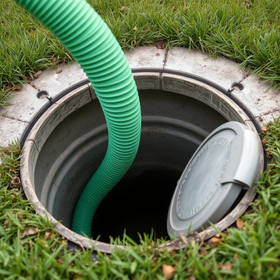
Septic tank sludge refers to the sludge and scum extracted from the tank during the cleaning of the septic tank. The Septic Tank Law defines a septic tank as a facility that processes wastewater in conjunction with toilets, handling both human waste and general wastewater. Special discharges such as industrial wastewater and rainwater are excluded from this general wastewater. ■ Is it different from sludge in wastewater treatment? Under the Waste Management Law, sludge generated from business activities is classified as industrial waste, which includes sludge from factory wastewater treatment facilities. On the other hand, septic tank sludge is treated as general waste, similar to human waste. To collect, transport, and dispose of sludge extracted during cleaning as a business, a permit for general waste management is required. The enforcement order of the Waste Management Law also includes provisions regarding the landfill disposal of sludge related to septic tanks within the standards for general waste treatment. ■ How much is generated? The planned processing amount of septic tank sludge for fiscal year 2023 is 14.38 million kL. The septic tank population for the same year is 22.92 million, accounting for 18.3% of the total population. This roughly translates to about 1 in 5 to 6 people. Please feel free to consult with us.

Added to bookmarks

Bookmarks list

Bookmark has been removed

Bookmarks list

You can't add any more bookmarks

By registering as a member, you can increase the number of bookmarks you can save and organize them with labels.

Free membership registration

What is the difference between organic sludge and inorganic sludge? Treatment and disposal [Basic knowledge]

Is our company's sludge organic or inorganic? We will explain whether it reduces when burned, the standards for landfill, and the differences in reuse as fertilizer or raw material for cement.

The contents of sludge include a high amount of organic matter such as microbial cells, as well as a high amount of inorganic matter such as metal hydroxides and soil, and there are also mixtures of both. In estimates of the amount of industrial waste treatment and recycling, sludge is treated by separating it into organic and inorganic types. ■Both fall under the same category of "sludge" In the classification of industrial waste types under the Waste Management and Public Cleansing Law, both organic and inorganic types are included in the same category of "sludge." However, the enforcement order of the law has disposal standards that apply only to organic sludge, and the destination for recycling varies based on its characteristics. ■Which industries produce which type? The main industries producing organic sludge in manufacturing are food, beverages and feed, textiles, pulp and paper, and organic chemicals. Sewage sludge is also classified as organic. On the other hand, drinking water sludge, construction sludge, and mining sludge are treated as inorganic sludge. ■Why is plating sludge considered inorganic? In plating wastewater, the basic treatment involves using alkaline agents to convert heavy metals into hydroxides that are less soluble in water, which are then precipitated and dewatered to be extracted as sludge. Therefore, it results in sludge that contains a high amount of metal hydroxides. Please feel free to consult with us.

Added to bookmarks

Bookmarks list

Bookmark has been removed

Bookmarks list

You can't add any more bookmarks

By registering as a member, you can increase the number of bookmarks you can save and organize them with labels.

Free membership registration

What is sludge treatment? The process from concentration to disposal [Basic Knowledge]

To "reduce" sludge, there are two methods: removing water and decomposing solid materials. This explains the roles of concentration, digestion, dewatering, and incineration, as well as the concept of minimizing generation.

Sludge treatment refers to a series of processes aimed at reducing the amount of sludge separated from wastewater treatment, making it easier to handle, and then sending it off for disposal or recycling. In food factories, most of the sludge generated from wastewater treatment is disposed of as industrial waste after being reduced in volume through methods such as dewatering, drying, and incineration. ■ Sequence of Sludge Treatment Processes At sewage treatment plants, sludge is processed in the following order: 1. Concentration: Increasing the concentration of solids by settling or using machinery. 2. Digestion: In an oxygen-free tank, anaerobic microorganisms break down some of the organic matter into gas. 3. Dewatering: Adding coagulants and squeezing out water with machinery. 4. Drying/Incineration: Further reducing moisture and organic matter. 5. Disposal/Recycling: In addition to landfilling, it can be used for construction materials or fertilizers. The specific processes involved may vary by facility. ■ Is the Weight of Sludge the Same? Sludge from settling tanks is categorized based on its characteristics. Light sludge, such as organic sludge or aluminum hydroxide, has an apparent specific gravity close to that of water and a lower concentration when extracted from the settling tank. Heavy sludge, such as sand or iron oxide, tends to have a higher concentration. Please feel free to consult with us first.

Added to bookmarks

Bookmarks list

Bookmark has been removed

Bookmarks list

You can't add any more bookmarks

By registering as a member, you can increase the number of bookmarks you can save and organize them with labels.

Free membership registration
Prev 1 Next
  • 部品の残数管理、トレーサビリティを効率化! 検証キット(プリンター×周辺機器)無料貸出中 手作業の裁断・記入から脱却!システム改修なしでスマートに
  • UL Solutions セミナー 全15講座 データセンター・AI 自動車・サステナビリティ 他 最新規制対応 解説
    • Contact this company

      Inquiry Form
    • Before making an inquiry

      Download Profile

    Products

    • Search for Products

    Company

    • Search for Companies

    Special Features

    • Special Features

    Ranking

    • Overall Products Ranking
    • Overall Company Ranking

    support

    • site map
    IPROS
    • privacy policy Regarding external transmission of information
    • terms of service
    • About Us
    • Careers
    • Advertising
    IPROS Services
    • >IPROS GMS | Search site for the manufacturing industry
    • >IPROS | Search site for the B2B industry
    COPYRIGHT © 2001-2026 IPROS CORPORATION ALL RIGHTS RESERVED.
    Please note that the English text on this page is automatically translated and may contain inaccuracies.