iPROS Manufacturing
  • Search for products by classification category

    • Electronic Components and Modules
      Electronic Components and Modules
      63019items
    • Machinery Parts
      Machinery Parts
      76249items
    • Manufacturing and processing machinery
      Manufacturing and processing machinery
      103115items
    • Scientific and Physics Equipment
      Scientific and Physics Equipment
      36988items
    • Materials
      Materials
      38214items
    • Measurement and Analysis
      Measurement and Analysis
      55122items
    • Image Processing
      Image Processing
      15526items
    • Control and Electrical Equipment
      Control and Electrical Equipment
      55211items
    • Tools, consumables, and supplies
      Tools, consumables, and supplies
      66169items
    • Design and production support
      Design and production support
      12763items
    • IT/Network
      IT/Network
      46677items
    • Office
      Office
      14237items
    • Business support services
      Business support services
      28466items
    • Seminars and Skill Development
      Seminars and Skill Development
      6647items
    • Pharmaceutical and food related
      Pharmaceutical and food related
      35565items
    • others
      68347items
  • Search for companies by industry

    • Manufacturing and processing contract
      7367
    • others
      5046
    • Industrial Machinery
      4502
    • Machine elements and parts
      3402
    • Other manufacturing
      2909
    • Trading company/Wholesale
      2809
    • IT/Telecommunications
      2582
    • Industrial Electrical Equipment
      2338
    • Building materials, supplies and fixtures
      1816
    • software
      1703
    • Electronic Components and Semiconductors
      1618
    • Resin/Plastic
      1505
    • Service Industry
      1501
    • Testing, Analysis and Measurement
      1141
    • Ferrous/Non-ferrous metals
      1006
    • environment
      697
    • Chemical
      654
    • Automobiles and Transportation Equipment
      622
    • Printing Industry
      517
    • Information and Communications
      485
    • Consumer Electronics
      414
    • Energy
      341
    • Rubber products
      322
    • Food Machinery
      309
    • Optical Instruments
      285
    • robot
      284
    • fiber
      264
    • Paper and pulp
      233
    • Pharmaceuticals and Biotechnology
      178
    • Electricity, Gas and Water Industry
      169
    • Warehousing and transport related industries
      151
    • Food and Beverage
      140
    • Glass and clay products
      140
    • CAD/CAM
      126
    • Educational and Research Institutions
      119
    • Medical Devices
      116
    • retail
      111
    • Ceramics
      98
    • wood
      86
    • Transportation
      84
    • Petroleum and coal products
      67
    • Medical and Welfare
      62
    • Shipbuilding and heavy machinery
      52
    • Aviation & Aerospace
      50
    • equipment
      46
    • Fisheries, Agriculture and Forestry
      43
    • Materials
      41
    • Research and development equipment and devices
      37
    • Public interest/special/independent administrative agency
      32
    • Government
      23
    • self-employed
      23
    • Finance, securities and insurance
      17
    • Mining
      17
    • cosmetics
      16
    • Restaurants and accommodations
      10
    • Individual
      10
    • Police, Fire Department, Self-Defense Forces
      7
    • Raw materials for reagents and chemicals
      5
    • Laboratory Equipment and Consumables
      5
    • Contracted research
      5
  • Special Features
  • Ranking

    • Overall Products Ranking
    • Overall Company Ranking
Search for Products
  • Search for products by classification category

  • Electronic Components and Modules
  • Machinery Parts
  • Manufacturing and processing machinery
  • Scientific and Physics Equipment
  • Materials
  • Measurement and Analysis
  • Image Processing
  • Control and Electrical Equipment
  • Tools, consumables, and supplies
  • Design and production support
  • IT/Network
  • Office
  • Business support services
  • Seminars and Skill Development
  • Pharmaceutical and food related
  • others
Search for Companies
  • Search for companies by industry

  • Manufacturing and processing contract
  • others
  • Industrial Machinery
  • Machine elements and parts
  • Other manufacturing
  • Trading company/Wholesale
  • IT/Telecommunications
  • Industrial Electrical Equipment
  • Building materials, supplies and fixtures
  • software
  • Electronic Components and Semiconductors
  • Resin/Plastic
  • Service Industry
  • Testing, Analysis and Measurement
  • Ferrous/Non-ferrous metals
  • environment
  • Chemical
  • Automobiles and Transportation Equipment
  • Printing Industry
  • Information and Communications
  • Consumer Electronics
  • Energy
  • Rubber products
  • Food Machinery
  • Optical Instruments
  • robot
  • fiber
  • Paper and pulp
  • Pharmaceuticals and Biotechnology
  • Electricity, Gas and Water Industry
  • Warehousing and transport related industries
  • Food and Beverage
  • Glass and clay products
  • CAD/CAM
  • Educational and Research Institutions
  • Medical Devices
  • retail
  • Ceramics
  • wood
  • Transportation
  • Petroleum and coal products
  • Medical and Welfare
  • Shipbuilding and heavy machinery
  • Aviation & Aerospace
  • equipment
  • Fisheries, Agriculture and Forestry
  • Materials
  • Research and development equipment and devices
  • Public interest/special/independent administrative agency
  • Government
  • self-employed
  • Finance, securities and insurance
  • Mining
  • cosmetics
  • Restaurants and accommodations
  • Individual
  • Police, Fire Department, Self-Defense Forces
  • Raw materials for reagents and chemicals
  • Laboratory Equipment and Consumables
  • Contracted research
Special Features
Ranking
  • Overall Products Ranking
  • Overall Company Ranking
  • privacy policy
  • terms of service
  • About Us
  • Careers
  • Advertising
  1. Home
  2. environment
  3. トリイ
  4. Product/Service List
environment
  • Added to bookmarks

    Bookmarks list

    Bookmark has been removed

    Bookmarks list

    You can't add any more bookmarks

    By registering as a member, you can increase the number of bookmarks you can save and organize them with labels.

    Free membership registration

トリイ

addressAichi/Nishio-shi/36 Emukae, Ajihama, Isshikimachi
phone0563-72-8220
  • Special site
  • Official site
last updated:Sep 04, 2026
トリイlogo
  • Contact this company

    Inquiry Form
  • Before making an inquiry

    Download Profile
  • Company information
  • Products/Services(356)
  • catalog(62)
  • news(0)

トリイ Product Lineup

  • category

1~13 item / All 13 items

Displayed results

Filter by category

純水・超純水・工業用水 純水・超純水・工業用水
工場の困りごと解決事例 工場の困りごと解決事例
活性汚泥・汚泥処理 活性汚泥・汚泥処理
水質検査の項目・依頼先 水質検査の項目・依頼先
食品・薬品の基礎知識 食品・薬品の基礎知識
食品表示・添加物の基礎知識 食品表示・添加物の基礎知識
甘味料・うま味の基礎知識 甘味料・うま味の基礎知識
設備部品の基礎知識 設備部品の基礎知識
水道水・井戸水・水質基準 水道水・井戸水・水質基準
水質測定(pH・電気伝導率) 水質測定(pH・電気伝導率)
ボイラーの薬品・スケール対策 ボイラーの薬品・スケール対策
軟水・硬水の基礎知識 軟水・硬水の基礎知識
凝集剤・フロックの基礎知識 凝集剤・フロックの基礎知識
排水処理の基礎知識 排水処理の基礎知識
排水処理場の点検・保全サービス 排水処理場の点検・保全サービス
排水処理のトラブル事例 排水処理のトラブル事例
冷却塔の基礎知識とメンテナンス 冷却塔の基礎知識とメンテナンス
ボイラーの構造・運転・法規制 ボイラーの構造・運転・法規制
ボイラーの整備・点検・メンテナンス ボイラーの整備・点検・メンテナンス
ボイラーの更新・省エネ・コスト削減 ボイラーの更新・省エネ・コスト削減
ボイラーの構造・運転・法規制

ボイラーの構造・運転・法規制

ボイラーの仕組みや運転の基礎知識、取扱いに必要な資格、排水のpH規制など、ボイラーを扱う上で知っておきたい基本情報をまとめました。
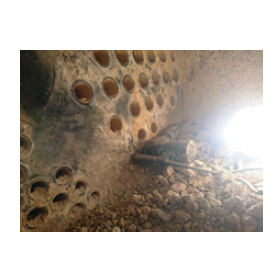
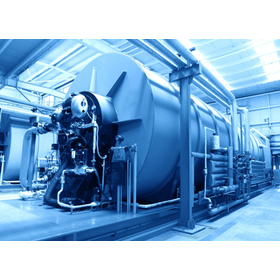
Boiler refractory materials | Relatively inexpensive with construction equivalent to that of manufacturers [with case studies]

To the equipment management personnel using boilers! How about we stop saying "It's too expensive, so let's postpone"?

To those in charge of using boilers in fiber manufacturing, dyeing processing, heat treatment, etc., are you struggling with the dilemma of cost and safety? - The refractory materials of the boiler that has been in use for many years are deteriorating, and it's about time for an update. - The estimate provided by the manufacturer I approached for the update is high. - Honestly, the budget is tight. It's not urgent, but leaving it as is is also concerning. Our company will check the structure and use of the boiler and propose a refractory material update plan that can be handled by manufacturers other than the original one. ◇ Achieve significant cost reductions compared to requesting the manufacturer. ◇ Restore the operational efficiency of the boiler and maintain stable heating performance. ◇ Avoid the risk of unexpected failures by addressing aging components early. ◇ Clarify future update timing, making it easier to establish medium- to long-term plans. We are currently offering free case studies on cost reduction through refractory material updates.

Added to bookmarks

Bookmarks list

Bookmark has been removed

Bookmarks list

You can't add any more bookmarks

By registering as a member, you can increase the number of bookmarks you can save and organize them with labels.

Free membership registration

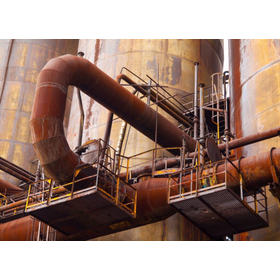
Boiler Trouble | Visualizing the Situation and Preventive Maintenance [With Case Studies]

For those troubled by decreased boiler efficiency! Improved fuel efficiency through the removal of iron from the heat transfer surface.

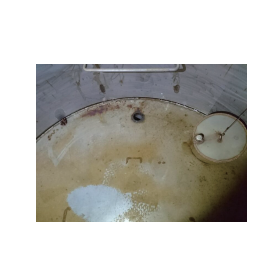
Are you facing any of these concerns regarding your boiler's efficiency? - I feel like the boiler's efficiency is decreasing. - The fuel consumption is increasing, yet the steam startup is poor. - Could it be related to iron content? By using a fiberscope to assess the current situation and performing internal cleaning of the water tank, we can resolve these issues. ◇ Reduced boiler startup time ◇ Improved fuel efficiency through the removal of iron from the heat transfer surfaces ◇ Prevention of future re-deposition by removing iron from inside the tank ◇ Visualization of the situation also contributes to preventive maintenance We are currently offering free examples of our one-stop service that includes investigation, cleaning, and chemical treatment.

Added to bookmarks

Bookmarks list

Bookmark has been removed

Bookmarks list

You can't add any more bookmarks

By registering as a member, you can increase the number of bookmarks you can save and organize them with labels.

Free membership registration

What is the pH regulation of boiler blowdown? [Basic Knowledge]

Why is neutralization necessary for alkaline corrosion-resistant water? An explanation of the standards of the Sewerage Act and the Water Pollution Control Act.

■ What regulations exist for boiler wastewater? There are additional regulations regarding the water quality standards for boiler wastewater under the Sewerage Act, the Water Pollution Control Act, and municipal ordinances. The Sewerage Act and the Water Pollution Control Act stipulate that the pH must be discharged between 5.8 and 8.6. ■ Why is the standard set around neutral? It is generally said that strongly acidic or alkaline wastewater can corrode sewer pipes and weaken the activity of microorganisms that clean wastewater at treatment plants. By establishing standards close to neutral, it is believed that such impacts are prevented. ■ Why is neutralization necessary? As mentioned previously, it is desirable to maintain the pH of boiler water between 11.0 and 11.8 for corrosion prevention inside the boiler. Therefore, high pH blowdown water must be neutralized before discharge, as discharging it directly would exceed the standards. ■ How is neutralization done? Typically, the pH of alkaline wastewater is lowered by adding an acid to adjust it within the standard values. Please feel free to consult us for more information.

Added to bookmarks

Bookmarks list

Bookmark has been removed

Bookmarks list

You can't add any more bookmarks

By registering as a member, you can increase the number of bookmarks you can save and organize them with labels.

Free membership registration

Why do once-through boilers become unstable? [Basic Knowledge]

Is the rapid steam generation and instability caused by the same factor? An explanation of the structure of a once-through boiler.

■What is the structure of a once-through boiler? It is a type of boiler composed of pipes, where water is fed in from one side and steam is extracted from the other. It has a small water capacity, allowing for quick steam generation. Additionally, it is compact, requiring less installation space for the boiler. ■Why can it produce steam quickly? Having a small water capacity means there is less water to heat. The less water there is to warm, the quicker it can reach boiling and vaporization. Therefore, both water tube boilers and once-through boilers have the advantage of being able to produce steam relatively quickly compared to cylindrical boilers. ■Does this also make it unstable for the same reason? On the other hand, having a small water capacity means there is also less water reserve to maintain pressure and water level when the steam usage suddenly changes. As a result, pressure and water levels can fluctuate easily due to load variations, making operation more unstable, which requires quick control measures such as adjusting the feed water flow. ■Summary The same characteristic of having a "small water capacity" creates both the advantage of quick steam production and the disadvantage of potential operational instability. Please feel free to consult with us first.

Added to bookmarks

Bookmarks list

Bookmark has been removed

Bookmarks list

You can't add any more bookmarks

By registering as a member, you can increase the number of bookmarks you can save and organize them with labels.

Free membership registration

What is boiler blowdown? 【Basic Knowledge】

Why is canned water concentrated? An explanation of the roles of continuous blow and bottom blow.

■What is blowdown? Blowdown is the process of discharging a portion of the boiler water from the bottom of the boiler to keep the concentration of hardness within permissible limits. If the blowdown amount is excessive, it results in significant heat loss and unnecessarily wastes water (leading to extra make-up water). ■Why does boiler water become concentrated? A boiler heats water to produce steam, but impurities such as hardness that were dissolved in the water do not transfer to the steam and remain in the boiler water. As evaporation continues, the ratio of impurities in the remaining water increases, so blowdown is the measure taken to discharge this water and dilute the concentration. ■What are the differences between the two types of blowdown? In addition to continuous blowdown, there is also bottom blowdown in boilers. Continuous blowdown: This is the constant discharge during operation. Bottom blowdown: This is used to remove scale and sludge that accumulate at the bottom of the boiler during shutdown. They are differentiated by their roles: continuous blowdown serves to continuously dilute from areas prone to water quality deterioration, while bottom blowdown is used to remove settled solids all at once. ■How is the blowdown amount determined? Generally, a method is employed where the electrical conductivity is measured, and if it exceeds a pre-set standard value, the blowdown amount is automatically adjusted. Please feel free to consult with us.

Added to bookmarks

Bookmarks list

Bookmark has been removed

Bookmarks list

You can't add any more bookmarks

By registering as a member, you can increase the number of bookmarks you can save and organize them with labels.

Free membership registration

Why is boiler condensate prone to corrosion? [Basic Knowledge]

Is higher purity more prone to corrosion? Reasons for managing boiler water at around pH 11.

■Why is steam and condensate prone to corrosion? Boiler steam has a low level of impurities, making it easy for iron ions and copper ions to dissolve. Generally, high-purity water with few impurities has a poor buffering capacity to neutralize acids, and even a small amount of acidic components can significantly lower the pH, thereby increasing its corrosive nature that can dissolve metals. ■Why does the pH of condensate decrease? Condensate that has been heat exchanged and condensed tends to dissolve oxygen and carbon dioxide (CO2) easily. When CO2 dissolves in water, it forms carbonic acid, which lowers the pH. This decrease in pH is a cause of corrosion in piping. ■Why does maintaining alkalinity help prevent corrosion? Maintaining the pH of boiler water between 11.0 and 11.8 is considered desirable for corrosion prevention. In the alkaline range, a dense oxide film (magnetite) forms on the surface of iron, which is thought to protect the metal and suppress corrosion. ■What are some often-overlooked points of caution? Since the steam line is not included in the annual boiler performance inspection items, it requires attention from the management side. Please feel free to consult us first.

Added to bookmarks

Bookmarks list

Bookmark has been removed

Bookmarks list

You can't add any more bookmarks

By registering as a member, you can increase the number of bookmarks you can save and organize them with labels.

Free membership registration

What qualifications are necessary for handling boilers? 【Basic Knowledge】

Is a qualification required to handle that boiler? Explanation of the categories!

■There are various types of boilers! Boilers can be broadly classified as follows: Round boilers (vertical boilers, smoke tube boilers, fire tube boilers, fire tube boilers) Water tube boilers (natural circulation type, forced circulation type, once-through boilers) Cast iron boilers Specialty boilers (waste heat, special fuels, heat transfer fluids, electric boilers, etc.) To handle these various types of boilers, qualifications corresponding to the heat transfer area are required. ■The qualifications are divided into three categories: 1. Second-class boiler technician Can handle boilers with a heat transfer area of less than 25 square meters. 2. First-class boiler technician Can handle boilers with a heat transfer area of 25 square meters or more and less than 500 square meters. 3. Special-class boiler technician Can handle all boilers, including those with a heat transfer area of 500 square meters or more. ■Please consult us first. Feel free to consult us regarding the installation, inspection, or repair of boilers.

Added to bookmarks

Bookmarks list

Bookmark has been removed

Bookmarks list

You can't add any more bookmarks

By registering as a member, you can increase the number of bookmarks you can save and organize them with labels.

Free membership registration

What are the basics of boilers and corrosion? 【Basic Knowledge】

What are the methods to suppress boiler corrosion?

When it comes to boiler failures, people tend to imagine a large explosion, but the gradual progression of "corrosion" is also a significant factor that affects the lifespan of the equipment. ⬛︎ Types of Corrosion Corrosion in low-pressure boilers can be broadly classified into general corrosion, where the metal surface uniformly diminishes, and localized corrosion, where only specific areas are intensely affected. Localized corrosion includes pitting, which progresses deeply in spots, and crevice corrosion, which occurs at overlapping parts of components. From the perspective of maintaining healthy operation, localized corrosion is particularly concerning. Even if the overall structure appears sound, localized areas can progress deeply, leading to holes or leaks. ⬛︎ Key Points for Countermeasures To mitigate corrosion, managing water quality is fundamental. Specifically, it involves maintaining an appropriate pH (between 11.0 and 11.8), keeping harmful corrosive components below standard levels, removing dissolved oxygen (oxygen dissolved in water) that promotes corrosion, and ensuring that water is always flowing to prevent stagnation. Continuous maintenance of these factors requires regular water quality testing and chemical adjustments. Measures against corrosion through water treatment and guidelines for inspecting boiler equipment are explained in this document. Please download the document!

Added to bookmarks

Bookmarks list

Bookmark has been removed

Bookmarks list

You can't add any more bookmarks

By registering as a member, you can increase the number of bookmarks you can save and organize them with labels.

Free membership registration

What are boilers and steam traps? [Basic Knowledge]

If the boiler is malfunctioning, let's check the steam trap!

◼️ What is a steam trap? While steam is flashy, the real troublemaker in a factory's steam piping is the "water" that forms when steam cools. A steam trap is a device that automatically discharges condensate (drain) that accumulates in equipment and piping handling steam, such as boilers. It holds back the steam and allows only the condensate that has turned into water to escape. It can be understood as a "checkpoint that lets water through but not steam." ◼️ Purpose of installation When condensate accumulates in the piping, high-speed steam pushes the water out, causing water hammer (hydraulic shock) that impacts the piping and fittings. It is installed to prevent damage to equipment and leaks. ◼️ Points to be aware of There are multiple types of traps, such as bucket-type, each with different structures, so it is essential to understand the type when repairing or replacing them. Additionally, failures have two faces. If it breaks while closed, the condensate will not be discharged, leading to issues; if it breaks while open, steam will continue to leak, quietly wasting fuel. The latter is harder to notice, making regular inspections important. The structure of traps and how to conduct inspections and energy-saving diagnostics are explained in this document. Please download the material!

Added to bookmarks

Bookmarks list

Bookmark has been removed

Bookmarks list

You can't add any more bookmarks

By registering as a member, you can increase the number of bookmarks you can save and organize them with labels.

Free membership registration

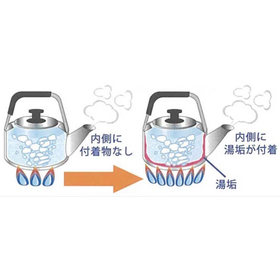
The efficiency of the boiler has decreased... What should I do to improve its efficiency?

Introducing the specific details of the fuel loss that occurs at a scale of 1mm and how the problem was solved!

We received a message from the boiler manager of a certain chemical manufacturer’s factory. "Recently, the efficiency of the boiler has been declining. Is there any way to improve the efficiency?" The first thing our employee suspected was the deterioration of thermal efficiency due to scale buildup. Scale, in the first place, is a deposit of minerals such as magnesium, calcium, and silica that are contained in water. A common example of scale is the limescale that accumulates in kettles and electric pots. *For more details on the column, you can view it through the related link. For more information, please download the PDF or feel free to contact us.*

Added to bookmarks

Bookmarks list

Bookmark has been removed

Bookmarks list

You can't add any more bookmarks

By registering as a member, you can increase the number of bookmarks you can save and organize them with labels.

Free membership registration

Boiler system renewal, boiler replacement

Based on the diagnostic results, we propose the optimal energy-saving renovation plan! We can accommodate any model or manufacturer.

We offer boiler system upgrades and boiler replacements. As a main support case, when the softener for the boiler used in a tourist facility's experience train broke down, we proposed a refurbished used softener. We conducted a reinstallation tailored to the on-site environment, restoring soft water supply in a short period and at a low cost (about one-third of the price of a new unit). We were able to continue safe operations without stopping steam supply, quickly avoiding any impact on facility operations. [Proposal Details] ■ Selection of a well-maintained used machine in good condition ■ Proposal of a reinstallation plan tailored to the on-site piping and wiring environment ■ Balancing implementation within budget and short-term construction *For more details, please download the PDF or feel free to contact us.

Added to bookmarks

Bookmarks list

Bookmark has been removed

Bookmarks list

You can't add any more bookmarks

By registering as a member, you can increase the number of bookmarks you can save and organize them with labels.

Free membership registration

What is a carryover? 【Basic Knowledge】

What is boiler carryover? A simple explanation of causes, countermeasures, and how to identify its occurrence.

■What happens during carryover? When carryover occurs, droplets of boiler water mix with steam, resulting in a decrease in steam purity. In applications where steam comes into direct contact with products, this can lead to a decline in quality. Additionally, in superheaters and steam turbines, scaling and corrosion due to salt concentration can progress, potentially leading to ruptures or damage incidents. ■Why does carryover occur? The main causes include excessively high salt concentrations in the boiler water (due to over-injection of chemicals or excessive concentration of water), contamination of feedwater with oils and fats, malfunctioning steam-water separators, and improper settings of operating water levels. The higher the salt concentration, the more likely carryover is to occur. ■How to prevent carryover? 1. Optimize the amount of chemical injection and blowdown to maintain appropriate salt concentration (managed by electrical conductivity). 2. Prevent contamination of feedwater with oils and fats. 3. Inspect steam-water separators (mist separators). 4. Optimize fluctuations in operating water levels and steam loads. ■How to confirm if it is occurring? You can confirm the occurrence of carryover by measuring the electrical conductivity and pH of the condensate from steam immediately after it exits the boiler. Small once-through boilers tend to have a higher incidence of carryover compared to cylindrical boilers and water-tube boilers, so extra caution is needed.

Added to bookmarks

Bookmarks list

Bookmark has been removed

Bookmarks list

You can't add any more bookmarks

By registering as a member, you can increase the number of bookmarks you can save and organize them with labels.

Free membership registration

Why does carryover occur? [Basic Knowledge]

What are the chain failures that occur when neglecting to blow down? From alkaline corrosion to scaling.

■What is carryover? Carryover occurs when dissolved salts and suspended solids in boiler water become concentrated. Carryover is the phenomenon where water droplets and impurities in the boiler water are carried out with the steam to the outside of the boiler (steam system side). ■Why does low water level occur frequently? The occurrence of carryover can lead to frequent low water levels. This is thought to happen because the water droplets that are carried out mix with the water level detection sensors, causing them to mistakenly recognize the water level as higher than it actually is, which restricts the water supply and results in a lower actual water level. ■What issues arise during chemical injection and scale formation? When chemicals are injected, the pH can rise too high, leading to alkaline corrosion. If hardness is leaking, scale adhesion can increase rapidly. Scale adhesion can potentially cause localized overheating. ■What happens if left unattended? Sludge and detached scale can lead to blockages in water pipes and valves. Neglecting to blow down can cause these issues to occur in a chain reaction. Please feel free to consult us first.

Added to bookmarks

Bookmarks list

Bookmark has been removed

Bookmarks list

You can't add any more bookmarks

By registering as a member, you can increase the number of bookmarks you can save and organize them with labels.

Free membership registration
Prev 1 Next
  • 製造業・工事業の現場改善 重くてつらいコンクリート作業… 東栄産業のマンホール蓋なら、軽量・楽々 軽い 強い 錆びない GRP コンポジットマンホールカバー
  • CADを持っていない他部門や取引先に! 専用アプリ不要! いつでもどこでも3Dデータをサクサク閲覧! iCAD 3D Browser
    • Contact this company

      Inquiry Form
    • Before making an inquiry

      Download Profile

    Products

    • Search for Products

    Company

    • Search for Companies

    Special Features

    • Special Features

    Ranking

    • Overall Products Ranking
    • Overall Company Ranking

    support

    • site map
    IPROS
    • privacy policy Regarding external transmission of information
    • terms of service
    • About Us
    • Careers
    • Advertising
    IPROS Services
    • >IPROS GMS | Search site for the manufacturing industry
    • >IPROS | Search site for the B2B industry
    COPYRIGHT © 2001-2026 IPROS CORPORATION ALL RIGHTS RESERVED.
    Please note that the English text on this page is automatically translated and may contain inaccuracies.