iPROS Manufacturing
  • Search for products by classification category

    • Electronic Components and Modules
      Electronic Components and Modules
      63019items
    • Machinery Parts
      Machinery Parts
      76249items
    • Manufacturing and processing machinery
      Manufacturing and processing machinery
      103115items
    • Scientific and Physics Equipment
      Scientific and Physics Equipment
      36988items
    • Materials
      Materials
      38214items
    • Measurement and Analysis
      Measurement and Analysis
      55122items
    • Image Processing
      Image Processing
      15526items
    • Control and Electrical Equipment
      Control and Electrical Equipment
      55211items
    • Tools, consumables, and supplies
      Tools, consumables, and supplies
      66169items
    • Design and production support
      Design and production support
      12763items
    • IT/Network
      IT/Network
      46677items
    • Office
      Office
      14237items
    • Business support services
      Business support services
      28466items
    • Seminars and Skill Development
      Seminars and Skill Development
      6647items
    • Pharmaceutical and food related
      Pharmaceutical and food related
      35565items
    • others
      68347items
  • Search for companies by industry

    • Manufacturing and processing contract
      7367
    • others
      5046
    • Industrial Machinery
      4502
    • Machine elements and parts
      3402
    • Other manufacturing
      2909
    • Trading company/Wholesale
      2809
    • IT/Telecommunications
      2582
    • Industrial Electrical Equipment
      2338
    • Building materials, supplies and fixtures
      1816
    • software
      1703
    • Electronic Components and Semiconductors
      1618
    • Resin/Plastic
      1505
    • Service Industry
      1501
    • Testing, Analysis and Measurement
      1141
    • Ferrous/Non-ferrous metals
      1006
    • environment
      697
    • Chemical
      654
    • Automobiles and Transportation Equipment
      622
    • Printing Industry
      517
    • Information and Communications
      485
    • Consumer Electronics
      414
    • Energy
      341
    • Rubber products
      322
    • Food Machinery
      309
    • Optical Instruments
      285
    • robot
      284
    • fiber
      264
    • Paper and pulp
      233
    • Pharmaceuticals and Biotechnology
      178
    • Electricity, Gas and Water Industry
      169
    • Warehousing and transport related industries
      151
    • Food and Beverage
      140
    • Glass and clay products
      140
    • CAD/CAM
      126
    • Educational and Research Institutions
      119
    • Medical Devices
      116
    • retail
      111
    • Ceramics
      98
    • wood
      86
    • Transportation
      84
    • Petroleum and coal products
      67
    • Medical and Welfare
      62
    • Shipbuilding and heavy machinery
      52
    • Aviation & Aerospace
      50
    • equipment
      46
    • Fisheries, Agriculture and Forestry
      43
    • Materials
      41
    • Research and development equipment and devices
      37
    • Public interest/special/independent administrative agency
      32
    • Government
      23
    • self-employed
      23
    • Finance, securities and insurance
      17
    • Mining
      17
    • cosmetics
      16
    • Restaurants and accommodations
      10
    • Individual
      10
    • Police, Fire Department, Self-Defense Forces
      7
    • Raw materials for reagents and chemicals
      5
    • Laboratory Equipment and Consumables
      5
    • Contracted research
      5
  • Special Features
  • Ranking

    • Overall Products Ranking
    • Overall Company Ranking
Search for Products
  • Search for products by classification category

  • Electronic Components and Modules
  • Machinery Parts
  • Manufacturing and processing machinery
  • Scientific and Physics Equipment
  • Materials
  • Measurement and Analysis
  • Image Processing
  • Control and Electrical Equipment
  • Tools, consumables, and supplies
  • Design and production support
  • IT/Network
  • Office
  • Business support services
  • Seminars and Skill Development
  • Pharmaceutical and food related
  • others
Search for Companies
  • Search for companies by industry

  • Manufacturing and processing contract
  • others
  • Industrial Machinery
  • Machine elements and parts
  • Other manufacturing
  • Trading company/Wholesale
  • IT/Telecommunications
  • Industrial Electrical Equipment
  • Building materials, supplies and fixtures
  • software
  • Electronic Components and Semiconductors
  • Resin/Plastic
  • Service Industry
  • Testing, Analysis and Measurement
  • Ferrous/Non-ferrous metals
  • environment
  • Chemical
  • Automobiles and Transportation Equipment
  • Printing Industry
  • Information and Communications
  • Consumer Electronics
  • Energy
  • Rubber products
  • Food Machinery
  • Optical Instruments
  • robot
  • fiber
  • Paper and pulp
  • Pharmaceuticals and Biotechnology
  • Electricity, Gas and Water Industry
  • Warehousing and transport related industries
  • Food and Beverage
  • Glass and clay products
  • CAD/CAM
  • Educational and Research Institutions
  • Medical Devices
  • retail
  • Ceramics
  • wood
  • Transportation
  • Petroleum and coal products
  • Medical and Welfare
  • Shipbuilding and heavy machinery
  • Aviation & Aerospace
  • equipment
  • Fisheries, Agriculture and Forestry
  • Materials
  • Research and development equipment and devices
  • Public interest/special/independent administrative agency
  • Government
  • self-employed
  • Finance, securities and insurance
  • Mining
  • cosmetics
  • Restaurants and accommodations
  • Individual
  • Police, Fire Department, Self-Defense Forces
  • Raw materials for reagents and chemicals
  • Laboratory Equipment and Consumables
  • Contracted research
Special Features
Ranking
  • Overall Products Ranking
  • Overall Company Ranking
  • privacy policy
  • terms of service
  • About Us
  • Careers
  • Advertising
  1. Home
  2. environment
  3. トリイ
  4. Product/Service List
environment
  • Added to bookmarks

    Bookmarks list

    Bookmark has been removed

    Bookmarks list

    You can't add any more bookmarks

    By registering as a member, you can increase the number of bookmarks you can save and organize them with labels.

    Free membership registration

トリイ

addressAichi/Nishio-shi/36 Emukae, Ajihama, Isshikimachi
phone0563-72-8220
  • Special site
  • Official site
last updated:Sep 04, 2026
トリイlogo
  • Contact this company

    Inquiry Form
  • Before making an inquiry

    Download Profile
  • Company information
  • Products/Services(356)
  • catalog(62)
  • news(0)

トリイ Product Lineup

  • category

1~22 item / All 22 items

Displayed results

Filter by category

純水・超純水・工業用水 純水・超純水・工業用水
工場の困りごと解決事例 工場の困りごと解決事例
活性汚泥・汚泥処理 活性汚泥・汚泥処理
水質検査の項目・依頼先 水質検査の項目・依頼先
食品・薬品の基礎知識 食品・薬品の基礎知識
食品表示・添加物の基礎知識 食品表示・添加物の基礎知識
甘味料・うま味の基礎知識 甘味料・うま味の基礎知識
設備部品の基礎知識 設備部品の基礎知識
水道水・井戸水・水質基準 水道水・井戸水・水質基準
水質測定(pH・電気伝導率) 水質測定(pH・電気伝導率)
ボイラーの薬品・スケール対策 ボイラーの薬品・スケール対策
軟水・硬水の基礎知識 軟水・硬水の基礎知識
凝集剤・フロックの基礎知識 凝集剤・フロックの基礎知識
排水処理の基礎知識 排水処理の基礎知識
排水処理場の点検・保全サービス 排水処理場の点検・保全サービス
排水処理のトラブル事例 排水処理のトラブル事例
冷却塔の基礎知識とメンテナンス 冷却塔の基礎知識とメンテナンス
ボイラーの構造・運転・法規制 ボイラーの構造・運転・法規制
ボイラーの整備・点検・メンテナンス ボイラーの整備・点検・メンテナンス
ボイラーの更新・省エネ・コスト削減 ボイラーの更新・省エネ・コスト削減
水質検査の項目・依頼先

水質検査の項目・依頼先

飲料水・井戸水・プール・排水など、用途ごとの水質検査の項目・頻度・費用・依頼先をまとめました。
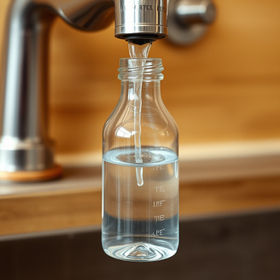
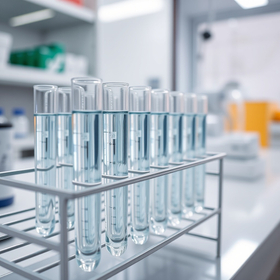
What is water quality testing? What are the differences between drinking water, wastewater, and process water? 【Basic Knowledge】

In drinking water, wastewater, and utility water, the regulations that serve as the basis for water quality testing and the items measured differ. Let's organize the three differences.

Water quality testing involves collecting water samples to measure components and bacteria, comparing them against standards and management guidelines. In factories and facilities, drinking water, wastewater, and utility water may be located on the same premises. First, by considering the purpose of each type of measurement separately, it becomes easier to organize the necessary tests. ■ Who tests drinking water? According to the ministerial ordinance regarding water quality standards under the Water Supply Act, there are currently 52 established standards. If you are simply using tap water, the water supply operator conducts tests to ensure compliance with water quality standards. Testing becomes necessary for the facility mainly in the following cases: 1. Dedicated water supply: Supplies water to more than 100 residents or has a maximum daily supply exceeding 20 cubic meters. 2. Specific buildings: As stipulated by the Building Health Act, designated items must be tested at least once every six months. 3. Commercial drinking wells: Must be tested at least once a year according to national guidelines. ■ Testing and recording for dedicated water supply The regulations for testing under the Water Supply Act apply to dedicated water supplies, and records must be kept for five years. It is also required to check color, turbidity, and residual disinfection effects at least once a day. The frequency and items of testing vary depending on the category. Please feel free to consult us first.

Added to bookmarks

Bookmarks list

Bookmark has been removed

Bookmarks list

You can't add any more bookmarks

By registering as a member, you can increase the number of bookmarks you can save and organize them with labels.

Free membership registration

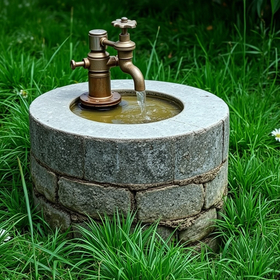
What is a water quality test for well water? Items, frequency, and where to request it [Basic Knowledge]

If you use well water for drinking at your business, the regulations that apply will change the content of the inspection. This will explain the items, frequency, the requesting party, and how to interpret the results.

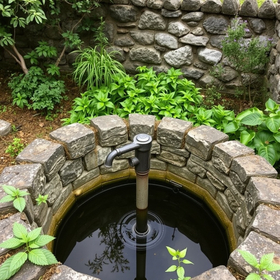
When using well water for drinking purposes at factories or business sites, there is not just one regulation that serves as the basis for inspection. The starting point is to confirm which category your company's well falls under. ■ Which regulation applies? 1. Dedicated water supply: If supplying water to more than 100 residents or if the maximum daily water supply exceeds 20 cubic meters, it falls under the Water Supply Act. 2. Specific buildings: Buildings subject to the Building Hygiene Act. 3. Business-use drinking wells: Wells that do not fall under the above two categories and supply drinking water to business sites such as factories and stores. If well water is used in employee dormitories or company housing, it may fall under category 1 depending on the number of residents. ■ Business-use drinking wells are governed by national guidelines Category 3 is addressed in the national guidelines for sanitation measures for drinking wells, etc. The guidelines state that if prefectures have established ordinances or regulations, those should be followed. ■ Is a full inspection required before use? The same guidelines stipulate that before starting water supply, a water quality inspection in accordance with the Water Supply Act must be conducted. The Building Hygiene Act also requires that if groundwater is used as a source, all items of the water quality standards must be inspected before starting water supply, with regular inspections continuing thereafter. Please feel free to consult us first.

Added to bookmarks

Bookmarks list

Bookmark has been removed

Bookmarks list

You can't add any more bookmarks

By registering as a member, you can increase the number of bookmarks you can save and organize them with labels.

Free membership registration

What is the method for water quality testing? Differences between simple tests and official methods [Basic Knowledge]

A quick method to observe using the color of the reagent and a method to measure according to the procedures set by the government. I will explain the differences between the two uses beyond just convenience.

The methods for water quality testing can be broadly divided into "official methods," which are measured according to standards set by the government, and "simple tests," which are quick ways to obtain values on-site. Rather than one being superior to the other, the choice depends on the purpose of the measurement. In this article, we will refer to quick measurement methods other than official methods as simple tests. ■ What are official methods? The values compared to the legal standards are determined by specific measurement methods. In the regulations that establish discharge standards, it is stipulated that the discharge standards are based on detection values obtained using methods specified by the Minister of the Environment. These notifications specify methods according to various standards, such as the Japanese Industrial Standard K0102. For drinking water, the regulations that set water quality standards also require that tests be conducted using methods established by the Minister of the Environment to ensure compliance with the standards. ■ What is the mechanism of simple tests? A commonly used method involves adding reagents to produce a color and comparing it with a color chart, known as colorimetry. For example, in the DPD method for residual chlorine, 10 mL of water sample is added to a colorimetric tube containing reagents, and the concentration is read by comparing it with a color chart. There is also a method to read the color development using a portable spectrophotometer. Please feel free to consult us for more information.

Added to bookmarks

Bookmarks list

Bookmark has been removed

Bookmarks list

You can't add any more bookmarks

By registering as a member, you can increase the number of bookmarks you can save and organize them with labels.

Free membership registration

How is the cost of water quality testing determined? Number of items and where to request it [Basic Knowledge]

Even for the same water quality test, the fee for a single sample can range from several thousand yen to several hundred thousand yen. This explains the number and types of factors that influence the cost, as well as the differences between service providers.

The cost of water quality testing is mainly determined by "which items and how many are measured for a single sample." In public health centers and municipal research institutes, testing fees are set by ordinances and regulations, and there are cases where they are published on their websites. Understanding what affects the costs before obtaining a quote makes it easier to choose the necessary tests. ■ There are 52 items, not 51! As of April 2023, the water quality standards for tap water have added PFOS and PFOA, bringing the total to 52 items. Some municipal guides still state "51 items," so it is reassuring to check whether this item is included in the complete set of all items. ■ How much does it change based on the number of items? Some municipalities have set the following fees starting from April 2023: 1. Essential 11 items for well water, etc.: 9,730 yen 2. All items of the water quality standards under the Water Supply Act (52 items): 308,060 yen Some public health centers charge 16,900 yen for the usual 12 items and 231,200 yen for the 52 items of purified water. Even when testing the same water, there can be more than a tenfold difference in fees depending on how many items are measured. Please feel free to consult with us first.

Added to bookmarks

Bookmarks list

Bookmark has been removed

Bookmarks list

You can't add any more bookmarks

By registering as a member, you can increase the number of bookmarks you can save and organize them with labels.

Free membership registration

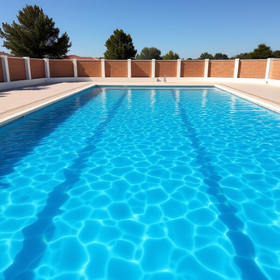
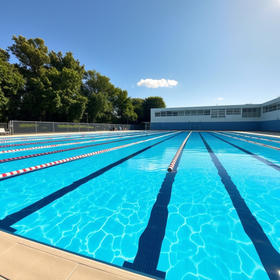
What is pool water quality testing? Sampling methods and test items [Basic knowledge]

The standards and the frequency of inspections differ between school pools and public pools. I will explain the locations for water sampling, the preparation of bottles, and the inspection items.

The water in pools is disinfected with chlorine to accommodate many people entering at the same time, and specific items are regularly tested. However, the standards followed differ depending on the type of pool. ■ Are the standards the same for school and public pools? School swimming pools are managed according to the "School Environmental Health Standards" set by the Ministry of Education, Culture, Sports, Science and Technology based on the School Health and Safety Act. For other swimming pools, the Ministry of Health, Labour and Welfare has provided "Hygiene Standards for Swimming Pools" for local governments, which they use as a reference to establish their own regulations. These hygiene standards for swimming pools do not apply to school pools. ■ What are the main testing items and standard values? The main water quality values are common to both standards. 1. Free residual chlorine: 0.4 mg/L or more (1.0 mg/L or less is desirable) 2. pH value: 5.8 or more and 8.6 or less 3. E. coli: Not detectable 4. General bacteria: 200 colonies or fewer per 1 mL 5. Potassium permanganate consumption: 12 mg/L or less 6. Turbidity: 2 degrees or less 7. Total trihalomethanes: 0.2 mg/L or less is desirable Please feel free to consult with us first.

Added to bookmarks

Bookmarks list

Bookmark has been removed

Bookmarks list

You can't add any more bookmarks

By registering as a member, you can increase the number of bookmarks you can save and organize them with labels.

Free membership registration

What is a water quality inspection for dedicated water supply and simple dedicated water supply? 【Basic Knowledge】

Dedicated water supply with its own water supply system and a simple dedicated water supply that receives tap water in a water storage tank. Although the names are similar, the content of the inspections required by the Water Supply Act is significantly different.

Under the Waterworks Act, not only water service providers but also the operators of facilities with their own water supply are required to undergo inspections. The typical examples are dedicated water supply systems and simple dedicated water supply systems. First, the type determines the inspections that need to be conducted. ■ What are the differences between the two types of water supply? 1. Dedicated water supply: This refers to water supplies for private use, such as those in dormitories or company housing, that provide water necessary for the residence of more than 100 people, or where the amount of water used for living purposes exceeds 20 cubic meters per day. 2. Simple dedicated water supply: This is a system that only uses water sourced from a water service provider, and where the total effective capacity of the receiving tank exceeds 10 cubic meters. ■ Is the water volume from factory wells counted in full? The water volume used for the determination of 20 cubic meters is defined in the enforcement regulations as the amount of water used for drinking, cooking, bathing, and other living purposes. Even if a large amount of well water is used in the manufacturing process, it does not automatically qualify as a dedicated water supply. Conversely, if a facility only receives tap water, it will qualify as a dedicated water supply if the total length of pipes with a diameter of 25 mm or more exceeds 1,500 meters, or if the total effective capacity of the tanks exceeds 100 cubic meters, depending on the above conditions. Please feel free to consult with us first.

Added to bookmarks

Bookmarks list

Bookmark has been removed

Bookmarks list

You can't add any more bookmarks

By registering as a member, you can increase the number of bookmarks you can save and organize them with labels.

Free membership registration

What is measurement certification? Meaning of water quality inspection certificate [Basic knowledge]

A measurement certificate attached to the water quality analysis results. This explains the registration system under the Measurement Act, the items written on the certificate, and how it is used in wastewater measurement records.

In the Measurement Act, "certification" is defined as publicly or in business expressing that certain facts are true. Measurement certification is the act of providing this certification for the measured quantity. The measurement certificate received from water quality testing is a document based on this system. ■ Can anyone start this business? Those who conduct measurement certification business regarding the concentration of substances in water, soil, etc., must be registered with the governor of the prefecture that has jurisdiction over their business location for each business site. Those who are registered are referred to as "measurement certification businesses." ■ What is required for registration? The application must indicate the analytical instruments and devices used, as well as the personnel responsible for measurement management. In the case of water and soil concentration categories, it is stipulated that one must have analytical instruments, standard substances, pure water production equipment or pure water, glass electrode-type hydrogen ion concentration detectors, and indicators. As for measurement professionals, environmental measurement professionals (related to concentration) are designated. ■ Exceptions for national agencies, etc. National and local public entities, as well as independent administrative agencies specified by government ordinance, are exempt from this registration requirement. Please feel free to consult with us first.

Added to bookmarks

Bookmarks list

Bookmark has been removed

Bookmarks list

You can't add any more bookmarks

By registering as a member, you can increase the number of bookmarks you can save and organize them with labels.

Free membership registration

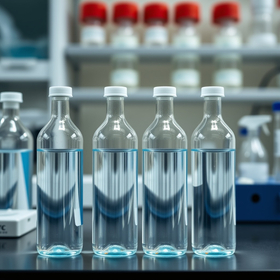
What are the analysis methods for PFAS? Points to consider when requesting testing [Basic Knowledge]

The analysis of PFAS is conducted by determining the target to be measured. This explains the mechanism for measuring ng/L and points to be careful about regarding sampling containers and request details.

In the analysis of PFAS, we first decide which substances to measure from those contained in water. This is because there is no method to measure all PFAS at once. ■ Can all PFAS be measured? There are over 10,000 types of PFAS, although the number varies depending on how they are classified. On the other hand, according to WHO's draft materials, the PFAS that can currently be measured with existing methods include about 30 types, including PFOS and PFOA. ■ Why is concentration necessary? The standard for drinking water is that the total of PFOS and PFOA must be below 50 ng/L. Since 1 ng is one billionth of a gram, this means measuring very low concentrations. The method indicated for testing drinking water involves concentrating a 500 mL water sample to 0.5 mL through a process called solid-phase extraction, making it 1000 times more concentrated before measurement. ■ Separate and distinguish by mass The concentrated liquid is first separated by components using liquid chromatography, and then measured with a mass spectrometer. The combination of the mass of the original molecule's ions and the ions created by breaking it down allows for the identification and quantification of substances. Because there are many similar substances, separating them beforehand helps prevent mix-ups. Please feel free to consult with us first.

Added to bookmarks

Bookmarks list

Bookmark has been removed

Bookmarks list

You can't add any more bookmarks

By registering as a member, you can increase the number of bookmarks you can save and organize them with labels.

Free membership registration

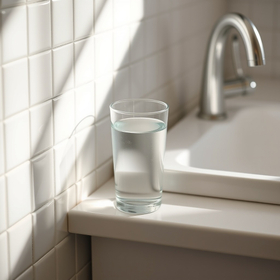
What is the water quality testing of tap water? Inspection under Article 20 of the Water Supply Act [Basic Knowledge]

Who tests tap water, where, and how often? This explains the inspections under Article 20 of the Water Supply Act and how to check the water from the faucet.

Water quality testing of tap water refers to the inspections conducted by water service providers based on Article 20 of the Water Supply Act. Regular and emergency tests are mandated to determine whether tap water meets water quality standards. Regular tests are conducted to continuously monitor water quality and check for any abnormalities. Emergency tests are carried out when there are anomalies in the water source, indicating a potential failure to meet standards. ■ Is water only taken from water purification plants? The water used for testing is generally taken from the water supply faucet (tap). This approach checks the water that has reached the end point after passing through distribution pipes. For certain items where it is clear that concentrations do not increase during transmission or distribution, sampling at the outlet of the purification facility is also permitted. ■ What is checked in daily tests? Color, turbidity, and the residual effect of disinfection are tested more than once a day. These are items that verify daily whether there are abnormalities in color or turbidity and whether the disinfection effect is maintained until the end point. Additionally, the regulations require that free residual chlorine be maintained at 0.1 mg/L (or 0.4 mg/L for combined residual chlorine) in tap water through chlorination. Please feel free to consult us first.

Added to bookmarks

Bookmarks list

Bookmark has been removed

Bookmarks list

You can't add any more bookmarks

By registering as a member, you can increase the number of bookmarks you can save and organize them with labels.

Free membership registration

What happens when you ask the health department to test well water? Costs and process [Basic knowledge]

Can I request a water quality test for well water from the health department? This will explain how to check if they accept requests, how to receive the container, how to bring it in, and how to find out the costs.

Whether you can request a water quality test for well water from the health department varies by region. The "Guidelines for Sanitary Measures for Drinking Wells" indicated by the government stipulates that sanitary measures for drinking wells are to be conducted by prefectures, cities, and special wards, with the health department being responsible. The health department is one of the accessible points of contact. Additionally, there are regions where the testing is not conducted by the health department but rather by municipal research institutes or testing laboratories. ■ Can any health department conduct tests? While there are regions where health departments accept well water testing, some health departments do not conduct the tests themselves. In such cases, they may provide information on registered water quality testing organizations based on the Water Supply Act or on drinking water quality testing businesses based on the Building Sanitation Act. Even within the same prefecture, the reception days may differ from one health department to another. ■ Can I consult with health departments that do not conduct tests? Even in regions where testing is not conducted, there are instances where consultations regarding the sanitation of drinking wells are accepted at health departments. Furthermore, these guidelines state that prefectures should establish and disseminate desirable items for regular testing based on local test results. Please feel free to consult with us first.

Added to bookmarks

Bookmarks list

Bookmark has been removed

Bookmarks list

You can't add any more bookmarks

By registering as a member, you can increase the number of bookmarks you can save and organize them with labels.

Free membership registration

What is a water quality test for drinking water? Required tests by water source [Basic Knowledge]

Whether it is directly connected to the water supply, a water storage tank, or a well. The inspection of drinking water at the business location varies in frequency and regulations depending on the water source and the building.

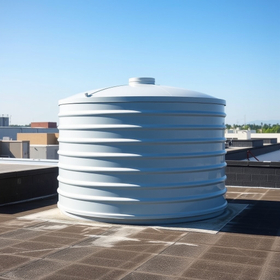
When inspecting drinking water at a business facility, the first thing to confirm is "where the water comes from and what equipment it passes through to reach the faucet." Even for the same tap water, the inspection rules set by the installer vary depending on the size of the water tank and the purpose of the building. ■ Who inspects if it's directly connected to the water supply? In cases where the water supply is directly connected from the water pipe to the faucet without passing through a water tank, the water supply operator conducts regular inspections to comply with water quality standards based on the Water Supply Act. ■ Is there a capacity threshold for water tanks? 1. If the effective capacity of the tank exceeds a total of 10 cubic meters: classified as a simple dedicated water supply, requiring inspections at least once a year by a registered organization. 2. If it's 10 cubic meters or less: referred to as a small-scale water storage supply and is not subject to the Water Supply Act. ■ Regulations for 10 cubic meters or less are set by local governments. Even if it is not subject to the Water Supply Act, there are cases where local governments have established their own regulations. Some municipalities require annual inspections of the tank cleaning and the water's color, odor, taste, turbidity, and residual chlorine. There are also municipalities that mandate sanitary measures for tanks exceeding an effective capacity of 5 cubic meters through local ordinances. Please feel free to consult us first.

Added to bookmarks

Bookmarks list

Bookmark has been removed

Bookmarks list

You can't add any more bookmarks

By registering as a member, you can increase the number of bookmarks you can save and organize them with labels.

Free membership registration

What are general bacteria? Causes of exceeding standards in water quality testing [Basic Knowledge]

What should you suspect if the general bacteria exceed the standard? This will explain the composition and meaning of the numbers, the causes from the perspective of chlorine and well management, and the flow of re-testing and disinfection.

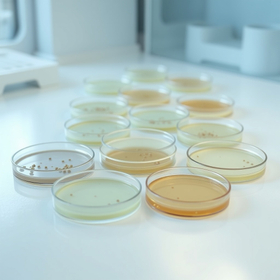
General bacteria are one of the items defined in the water quality standards for tap water. It refers to the number of bacteria that form colonies when cultured using a specified method. The standard is "the number of colonies formed in 1 mL of the sample should be 100 or less." This is not the name of a specific bacterium, but rather a value that counts the bacteria that have grown under the specified conditions. ■ How is it counted? 1 mL of the sample is mixed with standard agar medium and solidified, then cultured in an incubator maintained at 35-37°C for 22-26 hours. After that, the number of colonies formed is counted. This procedure is the testing method defined by national regulations. ■ Are all bacteria in the water counted? Not all of them. General bacteria, due to these culturing conditions, only detect a portion of heterotrophic bacteria that grow by utilizing organic matter. Heterotrophic bacteria are diverse bacteria that require organic matter for growth. ■ Why are they cultured at a temperature close to body temperature? Bacteria found in feces and sewage grow rapidly around 36°C, while many environmental bacteria have a tendency to grow poorly. Therefore, in areas contaminated with feces, the number of general bacteria increases. Please feel free to consult us first.

Added to bookmarks

Bookmarks list

Bookmark has been removed

Bookmarks list

You can't add any more bookmarks

By registering as a member, you can increase the number of bookmarks you can save and organize them with labels.

Free membership registration

What is the water quality inspection under the Food Sanitation Act? Business permits and items [Basic knowledge]

Water quality testing for facilities that produce food using well water and other sources. It organizes the differences between "water suitable for drinking" and "water for food production," along with 26 items and regular inspections.

The water quality inspection under the Food Sanitation Act is a test conducted by businesses that use water other than tap water for food production or cooking to verify the quality of that water. ■ Basis is Appendix Table 17 of the Enforcement Regulations The basis is Appendix Table 17 of the Food Sanitation Act Enforcement Regulations, which includes "management of water used, etc." as part of the general hygiene management standards that businesses must adhere to. Restaurants and food factories that use well water or spring water are the main targets. ■ Is it exempt if using tap water? According to Appendix Table 17, the water that can be used is that supplied from water supply businesses, dedicated water supply systems, or simple dedicated water supply systems, as well as other "water suitable for drinking." Inspections are required at least once a year when using the latter. If only tap water is used, this inspection is not required. ■ The two types of water do not mean the same thing! The national "standards for food, additives, etc." also includes the term "water for food manufacturing," which refers to either tap water or water that meets 26 specified criteria. This water for food manufacturing is different from the "water suitable for drinking" in Appendix Table 17. Furthermore, the inspection items and frequency for water suitable for drinking are determined by prefectures based on local water quality conditions. Please feel free to consult with us first.

Added to bookmarks

Bookmarks list

Bookmark has been removed

Bookmarks list

You can't add any more bookmarks

By registering as a member, you can increase the number of bookmarks you can save and organize them with labels.

Free membership registration

What is a water quality test for a water storage tank? Items to check after cleaning [Basic Knowledge]

After cleaning the water tank and refilling it, we check for residual chlorine, color, turbidity, odor, and taste. We will explain the standard values and the handling of small-scale water storage tanks.

Water quality testing of storage tanks includes regular inspections and tests conducted after refilling the tank following cleaning. Here, we will focus on the latter. This is a confirmation performed as part of the cleaning process and is separate from the annual statutory inspection of dedicated water supply systems. For specific buildings (subject to the Building Sanitation Act), regulations stipulate that cleaning of storage tanks must be conducted at least once every year. ■Flow from Cleaning to Inspection The process from cleaning to inspection proceeds in the following order: 1. Cleaning: As a general rule, elevated water tanks should be cleaned on the same day as the receiving tank. 2. Disinfection: Use a sodium hypochlorite solution with effective chlorine levels of 50-100 mg/L for at least two applications, followed by a wait of more than 30 minutes, and completely remove any chlorine agents used. 3. Refilling: This should be done after draining the cleaning water, ensuring that stagnant water from the inlet pipe and rust is not introduced. 4. Inspection: Conduct water quality testing and residual chlorine measurement using water from both the supply faucet and the storage tank. ■Which Water to Sample? As a standard for cleaning operations, it is stipulated that both the water from the supply faucet and the water inside the storage tank should be tested after refilling. This approach ensures that water not only from within the tank but also from the piping is verified. Please feel free to consult with us first.

Added to bookmarks

Bookmarks list

Bookmark has been removed

Bookmarks list

You can't add any more bookmarks

By registering as a member, you can increase the number of bookmarks you can save and organize them with labels.

Free membership registration

What is building drinking water testing? Management and records under the Building Sanitation Act [Basic Knowledge]

Is it not just the end after the inspection? The drinking water for specified buildings involves a continuous process that includes notification, appointment of a manager, and record-keeping.

The Building Sanitation Act (Law on Ensuring Sanitary Environments in Buildings) designates certain buildings used by many people as "specified buildings" and establishes standards for the maintenance and management of air quality, water supply and drainage, cleaning, and more. The inspection of drinking water in buildings is part of this management system. ■ Does bath water count as drinking water? The enforcement regulations define drinking water as water used for living purposes, such as drinking, cooking, and bathing (excluding bathing in inns). Water used for cooking and bathing, in addition to drinking water, is subject to the same management standards. ■ Are condominiums included? The government ordinance lists uses considered as specified buildings, including theaters, department stores, shops, offices, schools, and inns, but does not include residential buildings. If a condominium's water tank receives only tap water and has a usable capacity exceeding 10 cubic meters, it will be managed as a simple dedicated water supply under the Water Supply Act. ■ If it's not included, is no action required? The law requires that even buildings not classified as specified buildings, if used by many people, should be maintained and managed according to the same standards by those who have the authority to manage them, such as owners. Please feel free to consult with us first.

Added to bookmarks

Bookmarks list

Bookmark has been removed

Bookmarks list

You can't add any more bookmarks

By registering as a member, you can increase the number of bookmarks you can save and organize them with labels.

Free membership registration

What is water quality management for school pools? Daily procedures [Basic knowledge]

What should be checked before use, when to retest during class, and what to leave behind after it's finished? We will follow the water quality management of the school pool for one day according to the standards.

The water in the school's swimming pool is managed in accordance with the school environmental health standards established by the government based on the School Health and Safety Act. In addition to regular water quality tests, daily inspections for the days of use are also specified by the standards. Here, we will organize the checks according to the daily flow of the person in charge. ■ Four items to check before use 1. In the water: Ensure there are no hazardous substances or abnormalities. 2. Free residual chlorine: At least 0.4 mg/L in any part. 3. pH value: Maintained at the standard level. 4. Clarity: The wall should be clearly visible from a distance of 3 meters underwater. Before swimming, also check that the covers of the drainage and circulation water intake are secured with screws or bolts. This is an important check related to the safety of swimmers. ■ What if there is not enough chlorine? If it is below the standard, stop swimming and increase the amount of chlorine agent injected. Allow swimming only after confirming it has returned to above 0.4 mg/L. ■ What if the wall is hard to see? If the wall 3 meters ahead is not clearly visible underwater, operate the circulation filtration system sufficiently until it becomes visible, or replace the water. Please feel free to consult us first.

Added to bookmarks

Bookmarks list

Bookmark has been removed

Bookmarks list

You can't add any more bookmarks

By registering as a member, you can increase the number of bookmarks you can save and organize them with labels.

Free membership registration

What is daily inspection? How to check color, turbidity, and residual chlorine [Basic Knowledge]

Daily inspections are mandated by the Water Supply Act to be conducted at least once a day. This explains who measures, at which faucet, using what method, and how to respond if the standards are exceeded.

Daily inspection refers to the inspections specified in Article 15 of the Water Supply Act Enforcement Regulations, which are required to be conducted "at least once a day." The focus is on the color and turbidity of the water, as well as the residual effect of disinfection (residual chlorine). ■ Can inspections be skipped on weekends and holidays? Since the frequency is set to "at least once a day," inspections are conducted every day, including holidays. In fact, inspections are carried out daily, including on weekends and holidays. Additionally, some municipalities conduct sensory tests to check taste and odor, which are performed daily alongside the legally mandated items. ■ Who conducts the measurements? It is not limited to the staff of water supply operators. Some municipalities conduct daily inspections at various water supply points throughout the city with the cooperation of citizens or by outsourcing the inspections. ■ Is it acceptable to use automatic equipment for measurements? Using continuous automatic measuring devices is one of the methods specified by national notifications. These devices must have a performance capability of measuring below a quantifiable lower limit of 0.05 mg/L, and regular cleaning, maintenance, and calibration are required to maintain accuracy within ±0.05 mg/L during operation. Please feel free to consult us first.

Added to bookmarks

Bookmarks list

Bookmark has been removed

Bookmarks list

You can't add any more bookmarks

By registering as a member, you can increase the number of bookmarks you can save and organize them with labels.

Free membership registration

What is water quality testing for bathtubs? Standards and frequency for public baths [Basic Knowledge]

How many times a year for the four items: turbidity, organic matter, E. coli, and Legionella bacteria? We will explain the frequency of tests that varies depending on how the bathtub is used, as well as guidelines for daily chlorine management.

Bathwater refers to the water in the bathtub. Public baths and ryokans conduct water quality tests on their bathwater a specified number of times each year and keep the results on record. ■ Standards are set by prefectures According to the Public Bathhouse Law, operators must take necessary measures for the hygiene of bathers, and these standards are established by prefectural ordinances. The national government provides guidelines on water quality standards and testing methods for public baths, urging local governments to use them as a reference for their guidance. ■ What are the four items and standard values for bathwater? 1. Turbidity: 5 degrees or less 2. Organic matter: Total Organic Carbon (TOC) 8 mg/L or less, or potassium permanganate consumption of 25 mg/L or less 3. E. coli: 1 colony-forming unit/mL or less 4. Legionella bacteria: Not detectable (less than 10 cfu/100 mL) ■ Are the standards the same for the water before entering the bathtub? The water poured into the bathtub, such as the source water or shower water, has different standards, including six items that cover color and pH values. Turbidity must be 2 degrees or less, and E. coli must not be detectable, which are stricter than the standards for bathwater. Please feel free to consult us first.

Added to bookmarks

Bookmarks list

Bookmark has been removed

Bookmarks list

You can't add any more bookmarks

By registering as a member, you can increase the number of bookmarks you can save and organize them with labels.

Free membership registration

What is a water quality survey? Differences from water quality testing and how to proceed [Basic Knowledge]

Just taking a sample once and measuring it won't give you a grasp of the water's condition? This explains how to conduct water quality surveys by assembling data from locations, times, frequencies, and on-site records.

When you want to know the condition of the river flowing near the site, or the water in the ponds and waterways on the premises, taking a single water sample for analysis will only provide you with the values at that moment. In this article, we will refer to each instance of taking and analyzing water as "inspection," while the overall effort to determine the condition by deciding when, where, and how many times to sample will be called "survey." ■ What does the "principle method" indicated by the government mean? The Environmental Agency (now the Ministry of the Environment) provided a notification in 1971 titled "Water Quality Survey Methods," which outlines the fundamental methods that prefectures should adhere to for the continuous monitoring of public water areas and the investigation of wastewater from factories and businesses. It is stipulated that while this method serves as a principle, effective surveys should be conducted considering the specific conditions of the water area in question. The targets include rivers, lakes, coastal areas, and wastewater from factories and businesses, with guidelines for timing and sampling locations specified for each. ■ Surveys are categorized by purpose This notification categorizes surveys into monitoring measurement surveys to grasp the status of environmental standards, standard-setting surveys to obtain data for establishing criteria, and sediment surveys to examine the mud at the bottom. If the purposes differ, the items to be measured will also change. Please feel free to consult with us first.

Added to bookmarks

Bookmarks list

Bookmark has been removed

Bookmarks list

You can't add any more bookmarks

By registering as a member, you can increase the number of bookmarks you can save and organize them with labels.

Free membership registration

What is groundwater quality testing? Environmental standards and monitoring research [Basic Knowledge]

Is the measurement the same as that for drinking water? We will summarize the 28 environmental standards for groundwater, the monitoring surveys conducted by the national and local governments, and the key points to consider in factories and businesses.

The purpose of investigating groundwater can be broadly divided into two categories: testing whether well water can be used as drinking water, and examining whether the groundwater itself is contaminated from an environmental perspective. The former is assessed based on water quality standards for tap water, while the latter is judged according to environmental standards for groundwater. The drinking water tests will be covered in a separate article, and this article will focus on the latter. ■ What are the environmental standards for groundwater? Based on the Basic Environmental Law, the government has established desirable standards for protecting human health through official notifications. There are 28 criteria values set for all groundwater. Measurements are conducted at locations that accurately capture the contamination situation, taking into account factors such as groundwater flow. ■ Main contents of the 28 items 1. Metals, etc.: Cadmium, lead, hexavalent chromium, arsenic, total mercury, etc. 2. Volatile organic compounds: Trichloroethylene, tetrachloroethylene, benzene, etc. 3. Others: Nitrate nitrogen and nitrite nitrogen, fluoride, boron, 1,4-dioxane, thiuram, etc. Please feel free to consult us first.

Added to bookmarks

Bookmarks list

Bookmark has been removed

Bookmarks list

You can't add any more bookmarks

By registering as a member, you can increase the number of bookmarks you can save and organize them with labels.

Free membership registration

What is school water quality testing? Daily inspections and regular tests [Basic Knowledge]

Inspection of drinking water as determined by school environmental health standards. This explains who checks, at which faucet, and what is verified during inspections on every school day and regular inspections each academic year.

The management of drinking water in schools is established by the school environmental health standards announced by the Ministry of Education, Culture, Sports, Science and Technology based on the School Health and Safety Act. Water testing consists of two types: daily inspections conducted on every school day and periodic inspections carried out a set number of times each academic year. ■ What is the difference between daily inspections and periodic inspections? Daily inspections primarily use sensory methods, meaning they check for abnormalities using human sight, smell, and taste, and the results are utilized for periodic inspections and emergency checks. Periodic inspections are conducted to objectively and scientifically grasp the actual conditions of each item and to take follow-up measures based on the results. ■ Who conducts the daily inspections? It is necessary to clearly define the roles of faculty and staff through school duties and ensure that inspections are carried out reliably. ■ Who conducts the periodic inspections? Periodic inspections can be conducted by the school pharmacist themselves, by faculty and staff under the guidance and advice of the school pharmacist, or by consulting with the school pharmacist to request an external testing agency. Even when relying on a testing agency, it is important not to delegate everything; the school community should take the lead in planning the inspections, collecting samples, and evaluating the results. Please feel free to consult with us first.

Added to bookmarks

Bookmarks list

Bookmark has been removed

Bookmarks list

You can't add any more bookmarks

By registering as a member, you can increase the number of bookmarks you can save and organize them with labels.

Free membership registration

What is wastewater quality testing? Frequency and items to measure [Basic Knowledge]

Self-monitoring by measuring and recording wastewater within the company. We will organize the number of measurements, the time and location of sampling, and the duration of record retention, which vary depending on whether the water is discharged into a river or a sewer.

In the water quality testing of factory effluent, there are requirements set by law for businesses to measure and record the data themselves. According to materials from the Ministry of the Environment, this is referred to as self-monitoring. The specific law governing the measurements depends on whether the effluent is discharged into public water bodies such as rivers or seas, or into public sewage systems. The former falls under the Water Pollution Prevention Act, while the latter is governed by the Sewage Act. ■ How are the measurement items determined? Under the Water Pollution Prevention Act, measurements are taken for the items listed in the notification form (Appendix 4 of Form 1) regarding the establishment of specific facilities among the effluent standards. Items not reported may be measured as necessary. If there are any discrepancies in the reported items, a change notification must be submitted. The items measured are linked to the content of the notification. ■ Which factories discharge into sewage systems? The Sewage Act requires businesses that continuously discharge effluent into sewage systems after establishing specific facilities to measure and record water quality. The measurement methods are determined according to the ministerial ordinance concerning the testing methods for sewage water quality. ■ Is there a significant difference in frequency even for the same factory? When the discharge destination changes, the required frequency of measurements can vary greatly. We will compare them side by side in the next section. Please feel free to consult us first.

Added to bookmarks

Bookmarks list

Bookmark has been removed

Bookmarks list

You can't add any more bookmarks

By registering as a member, you can increase the number of bookmarks you can save and organize them with labels.

Free membership registration
Prev 1 Next
  • CADを持っていない他部門や取引先に! 専用アプリ不要! いつでもどこでも3Dデータをサクサク閲覧! iCAD 3D Browser
  • 部品の残数管理、トレーサビリティを効率化! 検証キット(プリンター×周辺機器)無料貸出中 手作業の裁断・記入から脱却!システム改修なしでスマートに
    • Contact this company

      Inquiry Form
    • Before making an inquiry

      Download Profile

    Products

    • Search for Products

    Company

    • Search for Companies

    Special Features

    • Special Features

    Ranking

    • Overall Products Ranking
    • Overall Company Ranking

    support

    • site map
    IPROS
    • privacy policy Regarding external transmission of information
    • terms of service
    • About Us
    • Careers
    • Advertising
    IPROS Services
    • >IPROS GMS | Search site for the manufacturing industry
    • >IPROS | Search site for the B2B industry
    COPYRIGHT © 2001-2026 IPROS CORPORATION ALL RIGHTS RESERVED.
    Please note that the English text on this page is automatically translated and may contain inaccuracies.