iPROS Manufacturing
  • Search for products by classification category

    • Electronic Components and Modules
      Electronic Components and Modules
      63019items
    • Machinery Parts
      Machinery Parts
      76249items
    • Manufacturing and processing machinery
      Manufacturing and processing machinery
      103115items
    • Scientific and Physics Equipment
      Scientific and Physics Equipment
      36988items
    • Materials
      Materials
      38214items
    • Measurement and Analysis
      Measurement and Analysis
      55122items
    • Image Processing
      Image Processing
      15526items
    • Control and Electrical Equipment
      Control and Electrical Equipment
      55211items
    • Tools, consumables, and supplies
      Tools, consumables, and supplies
      66169items
    • Design and production support
      Design and production support
      12763items
    • IT/Network
      IT/Network
      46677items
    • Office
      Office
      14237items
    • Business support services
      Business support services
      28466items
    • Seminars and Skill Development
      Seminars and Skill Development
      6647items
    • Pharmaceutical and food related
      Pharmaceutical and food related
      35565items
    • others
      68347items
  • Search for companies by industry

    • Manufacturing and processing contract
      7367
    • others
      5046
    • Industrial Machinery
      4502
    • Machine elements and parts
      3402
    • Other manufacturing
      2909
    • Trading company/Wholesale
      2809
    • IT/Telecommunications
      2582
    • Industrial Electrical Equipment
      2338
    • Building materials, supplies and fixtures
      1816
    • software
      1703
    • Electronic Components and Semiconductors
      1618
    • Resin/Plastic
      1505
    • Service Industry
      1501
    • Testing, Analysis and Measurement
      1141
    • Ferrous/Non-ferrous metals
      1006
    • environment
      697
    • Chemical
      654
    • Automobiles and Transportation Equipment
      622
    • Printing Industry
      517
    • Information and Communications
      485
    • Consumer Electronics
      414
    • Energy
      341
    • Rubber products
      322
    • Food Machinery
      309
    • Optical Instruments
      285
    • robot
      284
    • fiber
      264
    • Paper and pulp
      233
    • Pharmaceuticals and Biotechnology
      178
    • Electricity, Gas and Water Industry
      169
    • Warehousing and transport related industries
      151
    • Food and Beverage
      140
    • Glass and clay products
      140
    • CAD/CAM
      126
    • Educational and Research Institutions
      119
    • Medical Devices
      116
    • retail
      111
    • Ceramics
      98
    • wood
      86
    • Transportation
      84
    • Petroleum and coal products
      67
    • Medical and Welfare
      62
    • Shipbuilding and heavy machinery
      52
    • Aviation & Aerospace
      50
    • equipment
      46
    • Fisheries, Agriculture and Forestry
      43
    • Materials
      41
    • Research and development equipment and devices
      37
    • Public interest/special/independent administrative agency
      32
    • Government
      23
    • self-employed
      23
    • Finance, securities and insurance
      17
    • Mining
      17
    • cosmetics
      16
    • Restaurants and accommodations
      10
    • Individual
      10
    • Police, Fire Department, Self-Defense Forces
      7
    • Raw materials for reagents and chemicals
      5
    • Laboratory Equipment and Consumables
      5
    • Contracted research
      5
  • Special Features
  • Ranking

    • Overall Products Ranking
    • Overall Company Ranking
Search for Products
  • Search for products by classification category

  • Electronic Components and Modules
  • Machinery Parts
  • Manufacturing and processing machinery
  • Scientific and Physics Equipment
  • Materials
  • Measurement and Analysis
  • Image Processing
  • Control and Electrical Equipment
  • Tools, consumables, and supplies
  • Design and production support
  • IT/Network
  • Office
  • Business support services
  • Seminars and Skill Development
  • Pharmaceutical and food related
  • others
Search for Companies
  • Search for companies by industry

  • Manufacturing and processing contract
  • others
  • Industrial Machinery
  • Machine elements and parts
  • Other manufacturing
  • Trading company/Wholesale
  • IT/Telecommunications
  • Industrial Electrical Equipment
  • Building materials, supplies and fixtures
  • software
  • Electronic Components and Semiconductors
  • Resin/Plastic
  • Service Industry
  • Testing, Analysis and Measurement
  • Ferrous/Non-ferrous metals
  • environment
  • Chemical
  • Automobiles and Transportation Equipment
  • Printing Industry
  • Information and Communications
  • Consumer Electronics
  • Energy
  • Rubber products
  • Food Machinery
  • Optical Instruments
  • robot
  • fiber
  • Paper and pulp
  • Pharmaceuticals and Biotechnology
  • Electricity, Gas and Water Industry
  • Warehousing and transport related industries
  • Food and Beverage
  • Glass and clay products
  • CAD/CAM
  • Educational and Research Institutions
  • Medical Devices
  • retail
  • Ceramics
  • wood
  • Transportation
  • Petroleum and coal products
  • Medical and Welfare
  • Shipbuilding and heavy machinery
  • Aviation & Aerospace
  • equipment
  • Fisheries, Agriculture and Forestry
  • Materials
  • Research and development equipment and devices
  • Public interest/special/independent administrative agency
  • Government
  • self-employed
  • Finance, securities and insurance
  • Mining
  • cosmetics
  • Restaurants and accommodations
  • Individual
  • Police, Fire Department, Self-Defense Forces
  • Raw materials for reagents and chemicals
  • Laboratory Equipment and Consumables
  • Contracted research
Special Features
Ranking
  • Overall Products Ranking
  • Overall Company Ranking
  • privacy policy
  • terms of service
  • About Us
  • Careers
  • Advertising
  1. Home
  2. environment
  3. トリイ
  4. Product/Service List
environment
  • Added to bookmarks

    Bookmarks list

    Bookmark has been removed

    Bookmarks list

    You can't add any more bookmarks

    By registering as a member, you can increase the number of bookmarks you can save and organize them with labels.

    Free membership registration

トリイ

addressAichi/Nishio-shi/36 Emukae, Ajihama, Isshikimachi
phone0563-72-8220
  • Special site
  • Official site
last updated:Sep 04, 2026
トリイlogo
  • Contact this company

    Inquiry Form
  • Before making an inquiry

    Download Profile
  • Company information
  • Products/Services(356)
  • catalog(62)
  • news(0)

トリイ Product Lineup

  • category

1~13 item / All 13 items

Displayed results

Filter by category

純水・超純水・工業用水 純水・超純水・工業用水
工場の困りごと解決事例 工場の困りごと解決事例
活性汚泥・汚泥処理 活性汚泥・汚泥処理
水質検査の項目・依頼先 水質検査の項目・依頼先
食品・薬品の基礎知識 食品・薬品の基礎知識
食品表示・添加物の基礎知識 食品表示・添加物の基礎知識
甘味料・うま味の基礎知識 甘味料・うま味の基礎知識
設備部品の基礎知識 設備部品の基礎知識
水道水・井戸水・水質基準 水道水・井戸水・水質基準
水質測定(pH・電気伝導率) 水質測定(pH・電気伝導率)
ボイラーの薬品・スケール対策 ボイラーの薬品・スケール対策
軟水・硬水の基礎知識 軟水・硬水の基礎知識
凝集剤・フロックの基礎知識 凝集剤・フロックの基礎知識
排水処理の基礎知識 排水処理の基礎知識
排水処理場の点検・保全サービス 排水処理場の点検・保全サービス
排水処理のトラブル事例 排水処理のトラブル事例
冷却塔の基礎知識とメンテナンス 冷却塔の基礎知識とメンテナンス
ボイラーの構造・運転・法規制 ボイラーの構造・運転・法規制
ボイラーの整備・点検・メンテナンス ボイラーの整備・点検・メンテナンス
ボイラーの更新・省エネ・コスト削減 ボイラーの更新・省エネ・コスト削減
軟水・硬水の基礎知識

軟水・硬水の基礎知識

軟水と硬水の違いやそれぞれのメリット、軟水装置の仕組みや硬度漏れの原因など、水の硬度に関する基礎知識をまとめました。
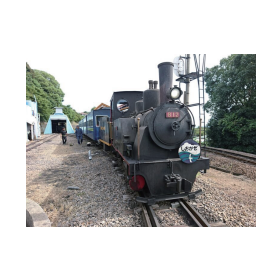
Proposal for Used Water Softener | Reduce Installation Costs by 70% [With Case Studies]

For those struggling with water softeners! We restore soft water supply in a short period and at a low cost (about 1/3 of a new one), balancing implementation within budget and short construction time.

Do you have any concerns such as a malfunctioning water softener for steam locomotives used in tourist facilities? - The water softener for the steam locomotive has broken down, leading to the risk of scale buildup and service interruptions. - As a public facility, securing a budget for new equipment is difficult. We propose a refurbished used water softener for boilers. It has been reinstalled to match the site environment, restoring soft water supply in a short period and at a low cost (about one-third of the price of new equipment). ◇ Soft water supply was restored in just a few days, allowing for continued operation of the train. ◇ Introduced at about one-third the cost compared to new machines. ◇ Stable steam supply ensures safe operation of the boiler. We are currently offering a free case study on the selection, maintenance, and installation of used machines handled as a package.

Added to bookmarks

Bookmarks list

Bookmark has been removed

Bookmarks list

You can't add any more bookmarks

By registering as a member, you can increase the number of bookmarks you can save and organize them with labels.

Free membership registration

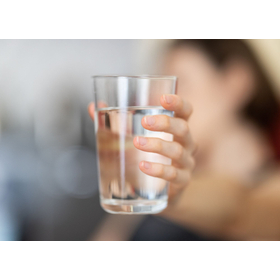
What are the benefits and precautions of hard water? 【Basic Knowledge】

Hard water, which is supposed to be good for beauty, why does it taste "bad" and cause "loose stomach"? Here's an explanation of the reasons!

■Why is hard water said to be good for beauty and health? The calcium abundant in hard water is believed to promote fat burning, making it appealing as it can simultaneously replenish the fluids and minerals that are often lacking during a diet. Additionally, calcium is expected to bind with fatty acids in the intestines, creating a soap-like substance that is difficult to dissolve, which may help reduce fat absorption. ■Why do some people find hard water "tastes bad"? The mouth has bitter taste sensors (receptors) that react to metal ions, and it has been found that calcium and magnesium ions directly stimulate these sensors. Water that contains higher levels of sodium and calcium tends to be perceived as more bitter. ■What happens if you consume too much magnesium? Magnesium is not absorbed much in the intestines, and the portion that remains in the intestines has the property of drawing in water (osmotic pressure), which can lead to a loose stomach. If consumed in excess, this effect can be pronounced, resulting in diarrhea, which may lead to dehydration, so caution is necessary.

Added to bookmarks

Bookmarks list

Bookmark has been removed

Bookmarks list

You can't add any more bookmarks

By registering as a member, you can increase the number of bookmarks you can save and organize them with labels.

Free membership registration

What are the reasons soft water is gentle on the body and hair? 【Basic Knowledge】

Why is soft water gentle on the stomach and hair? There is also a reason for its compatibility with soap!

■Why is soft water said to be gentle on the organs? Soft water is characterized by its low magnesium content. Magnesium is not absorbed much in the intestines, and the portion that remains in the intestines has the ability to draw in water (osmotic effect), which is why soft water, with its low content, is considered to be less burdensome even for infants with weak digestive systems. ■Why does soft water produce better soap lather? Calcium and magnesium have the property of binding with soap components to create insoluble "soap scum." Since soft water has lower levels of these components, it allows for better lathering of soap and reduces the likelihood of residue on hair and skin. ■What happens if soap scum remains on the skin or hair? Skin experts point out that deposits like soap scum can irritate the skin and worsen problems. It is also believed that the tendency for calcium to remain in the hair when washed with hard water is related to the same mechanism.

Added to bookmarks

Bookmarks list

Bookmark has been removed

Bookmarks list

You can't add any more bookmarks

By registering as a member, you can increase the number of bookmarks you can save and organize them with labels.

Free membership registration

What is the difference between hard water and soft water? 【Basic Knowledge】

Does the name change for the same water between "hard water" and "soft water"? Explaining the secrets of hardness and scale prevention!

■What is the difference between hard water and soft water? "Hardness" is an indicator that represents the total amount of calcium and magnesium contained in water. These two elements react with soap in water and tend to create insoluble soap scum, making them components that have historically been used as a standard for hardness due to their potential to cause equipment troubles. ■Are the standards for hardness different by country? In Japan, water with a hardness of less than 100 mg/L is called "soft water," while water with 100 mg/L or more is called "hard water." On the other hand, the WHO guidelines classify water more finely: less than 60 mg/L is "soft water," 60 to less than 120 mg/L is "moderately soft water," 120 to less than 180 mg/L is "hard water," and 180 mg/L or more is "very hard water." ■Why are boilers troubled by "scale"? Calcium carbonate has properties that are opposite to many substances. While most substances dissolve more easily in water as the temperature rises, calcium carbonate becomes less soluble as the temperature increases. Therefore, when water is heated and concentrated in a boiler, the calcium that cannot dissolve adheres to pipes and heat transfer surfaces as scale. Facilities that use hard water require diligent water quality management.

Added to bookmarks

Bookmarks list

Bookmark has been removed

Bookmarks list

You can't add any more bookmarks

By registering as a member, you can increase the number of bookmarks you can save and organize them with labels.

Free membership registration

What is the difference between softening water and purifying water? 【Basic Knowledge】

Does water made with a softener contain sodium? The difference between the mechanisms of softening and purifying water.

■What is a softener? A softener is a device that converts hard water into soft water by passing it through an ion exchange resin, which removes hardness components such as calcium and magnesium. These hardness components can crystallize and form scale, leading to reduced heat transfer efficiency in boilers and clogging in pipes. ■What is the mechanism of ion exchange resin? Ion exchange resin is a type of resin that performs ion exchange by capturing ions present in water and releasing the ions it originally holds in exchange. ■Are soft water and pure water the same? Generally, softening using only cation exchange resin replaces calcium and magnesium with sodium, so sodium itself remains in the water. In contrast, by combining cation exchange resin with anion exchange resin, it is possible to produce purer water by removing both cations like calcium and magnesium and anions like chlorine and carbonate found in tap water. ■Summary While softening and purification are similar, their mechanisms are different. It is important to select the right device according to your needs. Please feel free to consult us first.

Added to bookmarks

Bookmarks list

Bookmark has been removed

Bookmarks list

You can't add any more bookmarks

By registering as a member, you can increase the number of bookmarks you can save and organize them with labels.

Free membership registration

What is ion exchange in soft water systems? [Basic Knowledge]

Why is hard water the source of scale? An explanation of WHO standards and the mechanism of ion exchange.

■What is the role of a soft water system? To prevent scale buildup, it is necessary to remove the hardness components from the water supplied to the boiler. When hard water (water containing hardness components) passes through a soft water system, the hardness components are removed, resulting in soft water (water without hardness components). ■What is water hardness? In simple terms, water that contains relatively high levels of calcium and magnesium is considered hard water. According to the WHO (World Health Organization) standards, it is defined as follows: - Less than 60 mg/l: "soft water" - Between 60 and 120 mg/l: "moderately soft water" - Between 120 and 180 mg/l: "hard water" - 180 mg/l or more: "very hard water" ■How is hardness removed? A typical soft water system works by using ion exchange resin to replace calcium and magnesium ions in the water with sodium ions. Since sodium is less likely to cause scale, the water that passes through becomes soft water. When the resin's exchange capacity decreases, it is regenerated by passing brine through it for repeated use. ■Summary Hardness components are often overlooked because they are not visible, but they are an important factor in the foundation of scale prevention for boilers. Please feel free to consult with us first.

Added to bookmarks

Bookmarks list

Bookmark has been removed

Bookmarks list

You can't add any more bookmarks

By registering as a member, you can increase the number of bookmarks you can save and organize them with labels.

Free membership registration

What is hardness leakage in water softeners? [Basic Knowledge]

Hardness leakage occurs when the resin becomes saturated and stops functioning! Is salt effective in avoiding this?

Even though a water softener is installed, hard water continues to come out. This phenomenon has a clear mechanism and prevention method. ■ What is hardness leakage? A water softener uses a material called ion exchange resin to remove hardness components (calcium and magnesium) contained in tap water to produce soft water. However, there is a limit to the amount of hardness components that this resin can absorb. Once the removal continues to a certain extent, the resin becomes saturated and stops functioning, allowing hard water to pass through unchanged. This is called hardness leakage. ■ "Regeneration" is essential to avoid it The key to prevention is the process of "regeneration," which involves regularly cleaning the resin to restore its function. Salt (sodium chloride) is used for this. Rinsing the resin with a saltwater solution of about 10 percent separates the hardness components that were attached to the resin, returning it to its original clean state. If this regeneration is not performed regularly, the benefits of soft water will not be achieved even if a water softener is installed. Ignoring hardness leakage can also lead to scale (deposits similar to limescale) in boilers and piping. The methods for regenerating a water softener and managing water quality are explained in this document. Please download the document!

Added to bookmarks

Bookmarks list

Bookmark has been removed

Bookmarks list

You can't add any more bookmarks

By registering as a member, you can increase the number of bookmarks you can save and organize them with labels.

Free membership registration

What causes a water softener to experience hardness leakage? 【Basic Knowledge】

The causes of hardness leakage can be divided into four categories! (Water softener)

The water coming out of the softener is unexpectedly hard. This "hardness leakage" can be addressed more quickly if the cause is identified. ■ What is hardness leakage? A water softener uses ion exchange resin to remove calcium and magnesium (hardness components) from water to create soft water. This resin is regenerated with brine and reused, but if there is some malfunction, hardness components can mix with the treated water, resulting in hardness leakage. If left unaddressed, it can cause scale (deposits similar to limescale) in boilers and piping. ■ Causes can be categorized into four main patterns The cause can be identified by the symptoms.  ❶ If the hardness of the treated water is the same as that of the raw water, it may be due to forgetting to regenerate, forgetting to add salt, salt clumping in the salt tank, or clogging in the chemical injection line—indicating that "regeneration is not functioning."  ❷ If it leaks from the beginning, it may be due to water bypassing the resin layer or insufficient salt leading to poor regeneration.  ❸ If it suddenly leaks while the water intake is low, it may be due to poor regeneration, resin washout, or a sudden change in raw water hardness.  ❹ If it leaks gradually, it may be due to resin degradation or the adhesion of iron and silica, indicating "reduction in resin performance." How to identify the cause and proceed with resin replacement and water quality management is explained in this document. Please download the document!

Added to bookmarks

Bookmarks list

Bookmark has been removed

Bookmarks list

You can't add any more bookmarks

By registering as a member, you can increase the number of bookmarks you can save and organize them with labels.

Free membership registration

[Proposal for Used Soft Water Equipment] To the boiler operation managers of tourism and leisure facilities.

No budget, but can't stop; restart without halting steam supply with a used softener!

To the boiler operation managers and equipment personnel of tourism and leisure facilities, We would like to introduce a case where we proposed a used water softener. A stable supply of softened water to the boiler is essential for operating the experience train modeled after a steam locomotive. However, the water softener that had been used for many years broke down, leading to the following issues: Our company proposed a used water softener after carefully listening to the situation and budget. Even though it is used, it can perform adequately with proper maintenance and inspection. In this case, we prioritized the quick resumption of supply and provided one-stop service from installation to test operation on-site. **Issues** - Unable to treat boiler feed water with softened water, increasing the risk of scale. - Difficulties in continuing operations, raising concerns about train service interruptions. - Due to being a public facility, securing an unexpected high budget is challenging. *For more details, please download the PDF or feel free to contact us.*

Added to bookmarks

Bookmarks list

Bookmark has been removed

Bookmarks list

You can't add any more bookmarks

By registering as a member, you can increase the number of bookmarks you can save and organize them with labels.

Free membership registration

Why can ion exchange resins be regenerated? [Basic Knowledge]

Can table salt be used multiple times? The regeneration principle of ion exchange resin and exchange guidelines.

■Why does a water softener stop working? As a water softener is used, calcium and other hardness components are adsorbed by the ion exchange resin, and when it can no longer adsorb any more, it stops producing soft water. ■Why can it be used repeatedly? The ion exchange resin can be regenerated by passing saltwater through it, allowing it to be used multiple times. The only requirement for regeneration is salt, which makes it very cost-effective to produce soft water. The main feature of ion exchange resin is that it can release the ions it has captured and return them to the original ions before exchange. This process is called "regeneration," and by regenerating, the ion exchange resin that has been used once can be reused repeatedly. ■Why does it still degrade? Even with repeated use, factors such as wear from the expansion and contraction of the resin beads, contamination from iron in the water, and oxidation from chlorine work together, gradually reducing the exchange capacity. ■What is the guideline for replacement? In a typical usage environment, it can be used for over a year while performing regeneration as needed (approximately 5% degradation per year). It is recommended to perform a complete replacement every 2 to 3 years. Please feel free to consult with us first.

Added to bookmarks

Bookmarks list

Bookmark has been removed

Bookmarks list

You can't add any more bookmarks

By registering as a member, you can increase the number of bookmarks you can save and organize them with labels.

Free membership registration

Why does hard water conduct electricity more easily? 【Basic Knowledge】

Are there ions that can be counted as hardness and ions that cannot? What is the difference!

■What are electrolytes (ions)? Sodium, potassium, calcium, and magnesium, among others, have the property of conducting electricity when dissolved in water. These are called electrolytes (ions), and it is thanks to these ions that tap water conducts electricity. Pure water, which contains no impurities such as ions or organic matter, conducts very little electricity. ■What does hardness refer to among electrolytes? Among the various electrolytes, hardness specifically refers to the concentration of calcium and magnesium metal ions. Water with a high concentration of these ions is referred to as "hard water." Sodium and potassium are also electrolytes that conduct electricity, but they are not included in the calculation of hardness. ■Why are hardness and electrical conductivity correlated? The higher the hardness, the greater the total amount of dissolved ions in the water. Since electrical conductivity increases in proportion to the amount of ions, water with higher hardness also has higher electrical conductivity. If you are having trouble with water quality management, please feel free to consult us first.

Added to bookmarks

Bookmarks list

Bookmark has been removed

Bookmarks list

You can't add any more bookmarks

By registering as a member, you can increase the number of bookmarks you can save and organize them with labels.

Free membership registration

What is the difference between RO membranes and softeners? Key points for their use.

Both are devices that purify water, but they remove different substances. "Soft water = pure water" is not correct.

In the production of industrial water, RO membranes and water softeners are often compared. They are mentioned in similar contexts, but their mechanisms and the substances they remove are different. The choice between the two affects the properties of the resulting water and the daily maintenance required. ■ Water Softener is a "Replacement" Device A water softener uses sodium-loaded cation exchange resin to exchange and remove hardness components (calcium and magnesium) dissolved in water with sodium from the resin. When the resin becomes saturated with hardness components, it requires "regeneration" by flushing a solution of table salt (sodium chloride) to restore it. ■ RO Membrane is a "Non-Permitting" Device An RO membrane (reverse osmosis membrane) separates water by applying pressure to pass it through the membrane while preventing impurities such as dissolved ions from passing through. It is characterized by its ability to reduce a wide range of substances, not just hardness components. ■ Where Do the Replaced Ions Go? Since the water softener replaces hardness components with sodium, it does not mean that the dissolved ions in the water disappear. It is an important point that "soft water is not pure water." Please feel free to consult us first.

Added to bookmarks

Bookmarks list

Bookmark has been removed

Bookmarks list

You can't add any more bookmarks

By registering as a member, you can increase the number of bookmarks you can save and organize them with labels.

Free membership registration

What is ion exchange resin? Functions in water treatment [Basic knowledge]

The heart of water softeners and pure water systems, ion exchange resin. This explains the mechanism by which small particles exchange ions and the reason they can be regenerated and reused repeatedly.

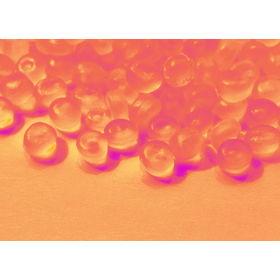
Ion exchange resin is a granular material that exchanges ions dissolved in water with different ions held by the resin. It is used as a key material in water softeners and pure water systems. ■Appearance: Just small granules The resin consists of small granules that have many sites (exchange sites) for capturing ions. When water passes through, the ions in the water are exchanged with the ions in the resin. ■There are two types: positive and negative! Dissolved ions in water can be positively charged cations or negatively charged anions. The resin also comes in two types to match these: 1. Cation exchange resin: exchanges cations such as calcium and sodium 2. Anion exchange resin: exchanges anions such as chloride ions ■What if we compare it to a spectator seat? The resin is like a row of spectator seats where ions can sit. When ions from the water arrive, the ions that were originally seated give up their seats and leave for the water. The nature of the water that comes out changes depending on what is allowed to stay seated. Please feel free to consult with us first.

Added to bookmarks

Bookmarks list

Bookmark has been removed

Bookmarks list

You can't add any more bookmarks

By registering as a member, you can increase the number of bookmarks you can save and organize them with labels.

Free membership registration
Prev 1 Next
  • UL Solutions セミナー 全15講座 データセンター・AI 自動車・サステナビリティ 他 最新規制対応 解説
  • CADを持っていない他部門や取引先に! 専用アプリ不要! いつでもどこでも3Dデータをサクサク閲覧! iCAD 3D Browser
    • Contact this company

      Inquiry Form
    • Before making an inquiry

      Download Profile

    Products

    • Search for Products

    Company

    • Search for Companies

    Special Features

    • Special Features

    Ranking

    • Overall Products Ranking
    • Overall Company Ranking

    support

    • site map
    IPROS
    • privacy policy Regarding external transmission of information
    • terms of service
    • About Us
    • Careers
    • Advertising
    IPROS Services
    • >IPROS GMS | Search site for the manufacturing industry
    • >IPROS | Search site for the B2B industry
    COPYRIGHT © 2001-2026 IPROS CORPORATION ALL RIGHTS RESERVED.
    Please note that the English text on this page is automatically translated and may contain inaccuracies.