iPROS Manufacturing
  • Search for products by classification category

    • Electronic Components and Modules
      Electronic Components and Modules
      61676items
    • Machinery Parts
      Machinery Parts
      75932items
    • Manufacturing and processing machinery
      Manufacturing and processing machinery
      102034items
    • Scientific and Physics Equipment
      Scientific and Physics Equipment
      36331items
    • Materials
      Materials
      37776items
    • Measurement and Analysis
      Measurement and Analysis
      55161items
    • Image Processing
      Image Processing
      15377items
    • Control and Electrical Equipment
      Control and Electrical Equipment
      54564items
    • Tools, consumables, and supplies
      Tools, consumables, and supplies
      65605items
    • Design and production support
      Design and production support
      12663items
    • IT/Network
      IT/Network
      45652items
    • Office
      Office
      14181items
    • Business support services
      Business support services
      25412items
    • Seminars and Skill Development
      Seminars and Skill Development
      6559items
    • Pharmaceutical and food related
      Pharmaceutical and food related
      34177items
    • others
      75348items
  • Search for companies by industry

    • Manufacturing and processing contract
      7338
    • others
      4986
    • Industrial Machinery
      4445
    • Machine elements and parts
      3330
    • Other manufacturing
      2883
    • Trading company/Wholesale
      2650
    • IT/Telecommunications
      2571
    • Industrial Electrical Equipment
      2319
    • Building materials, supplies and fixtures
      1816
    • software
      1666
    • Electronic Components and Semiconductors
      1587
    • Resin/Plastic
      1500
    • Service Industry
      1478
    • Testing, Analysis and Measurement
      1130
    • Ferrous/Non-ferrous metals
      986
    • environment
      699
    • Chemical
      640
    • Automobiles and Transportation Equipment
      581
    • Printing Industry
      513
    • Information and Communications
      465
    • Consumer Electronics
      412
    • Energy
      333
    • Rubber products
      317
    • Food Machinery
      308
    • Optical Instruments
      279
    • robot
      273
    • fiber
      254
    • Paper and pulp
      230
    • Pharmaceuticals and Biotechnology
      173
    • Electricity, Gas and Water Industry
      167
    • Warehousing and transport related industries
      149
    • Glass and clay products
      139
    • Food and Beverage
      130
    • CAD/CAM
      124
    • retail
      108
    • Medical Devices
      107
    • Educational and Research Institutions
      107
    • Ceramics
      98
    • wood
      87
    • Transportation
      84
    • Petroleum and coal products
      63
    • Medical and Welfare
      62
    • Shipbuilding and heavy machinery
      51
    • Aviation & Aerospace
      48
    • Fisheries, Agriculture and Forestry
      41
    • equipment
      40
    • Materials
      33
    • Public interest/special/independent administrative agency
      31
    • Research and development equipment and devices
      29
    • Government
      24
    • self-employed
      24
    • Mining
      17
    • cosmetics
      15
    • Finance, securities and insurance
      14
    • Restaurants and accommodations
      10
    • Individual
      10
    • Police, Fire Department, Self-Defense Forces
      7
    • Laboratory Equipment and Consumables
      5
    • Raw materials for reagents and chemicals
      4
    • Contracted research
      3
  • Special Features
  • Ranking

    • Overall Products Ranking
    • Overall Company Ranking
Search for Products
  • Search for products by classification category

  • Electronic Components and Modules
  • Machinery Parts
  • Manufacturing and processing machinery
  • Scientific and Physics Equipment
  • Materials
  • Measurement and Analysis
  • Image Processing
  • Control and Electrical Equipment
  • Tools, consumables, and supplies
  • Design and production support
  • IT/Network
  • Office
  • Business support services
  • Seminars and Skill Development
  • Pharmaceutical and food related
  • others
Search for Companies
  • Search for companies by industry

  • Manufacturing and processing contract
  • others
  • Industrial Machinery
  • Machine elements and parts
  • Other manufacturing
  • Trading company/Wholesale
  • IT/Telecommunications
  • Industrial Electrical Equipment
  • Building materials, supplies and fixtures
  • software
  • Electronic Components and Semiconductors
  • Resin/Plastic
  • Service Industry
  • Testing, Analysis and Measurement
  • Ferrous/Non-ferrous metals
  • environment
  • Chemical
  • Automobiles and Transportation Equipment
  • Printing Industry
  • Information and Communications
  • Consumer Electronics
  • Energy
  • Rubber products
  • Food Machinery
  • Optical Instruments
  • robot
  • fiber
  • Paper and pulp
  • Pharmaceuticals and Biotechnology
  • Electricity, Gas and Water Industry
  • Warehousing and transport related industries
  • Glass and clay products
  • Food and Beverage
  • CAD/CAM
  • retail
  • Medical Devices
  • Educational and Research Institutions
  • Ceramics
  • wood
  • Transportation
  • Petroleum and coal products
  • Medical and Welfare
  • Shipbuilding and heavy machinery
  • Aviation & Aerospace
  • Fisheries, Agriculture and Forestry
  • equipment
  • Materials
  • Public interest/special/independent administrative agency
  • Research and development equipment and devices
  • Government
  • self-employed
  • Mining
  • cosmetics
  • Finance, securities and insurance
  • Restaurants and accommodations
  • Individual
  • Police, Fire Department, Self-Defense Forces
  • Laboratory Equipment and Consumables
  • Raw materials for reagents and chemicals
  • Contracted research
Special Features
Ranking
  • Overall Products Ranking
  • Overall Company Ranking
  • privacy policy
  • terms of service
  • About Us
  • Careers
  • Advertising
  1. Home
  2. environment
  3. トリイ
  4. Product/Service List
environment
  • Added to bookmarks

    Bookmarks list

    Bookmark has been removed

    Bookmarks list

    You can't add any more bookmarks

    By registering as a member, you can increase the number of bookmarks you can save and organize them with labels.

    Free membership registration

トリイ

addressAichi/Nishio-shi/36 Emukae, Ajihama, Isshikimachi
phone0563-72-8220
  • Special site
  • Official site
last updated:Sep 04, 2026
トリイlogo
  • Contact this company

    Inquiry Form
  • Before making an inquiry

    Download Profile
  • Company information
  • Products/Services(213)
  • catalog(61)
  • news(0)

トリイ Product Lineup

  • category

1~8 item / All 8 items

Displayed results

Filter by category

凝集剤・フロックの基礎知識 凝集剤・フロックの基礎知識
食品・薬品の基礎知識 食品・薬品の基礎知識
食品表示・添加物の基礎知識 食品表示・添加物の基礎知識
甘味料・うま味の基礎知識 甘味料・うま味の基礎知識
設備部品の基礎知識 設備部品の基礎知識
水道水・井戸水・水質基準 水道水・井戸水・水質基準
水質測定(pH・電気伝導率) 水質測定(pH・電気伝導率)
純水・超純水・工業用水 純水・超純水・工業用水
軟水・硬水の基礎知識 軟水・硬水の基礎知識
純水器・軟水器の提案 純水器・軟水器の提案
排水処理の基礎知識 排水処理の基礎知識
排水処理場の点検・保全サービス 排水処理場の点検・保全サービス
排水処理のトラブル事例 排水処理のトラブル事例
冷却塔の基礎知識とメンテナンス 冷却塔の基礎知識とメンテナンス
ボイラーの構造・運転・法規制 ボイラーの構造・運転・法規制
ボイラーの整備・点検・メンテナンス ボイラーの整備・点検・メンテナンス
ボイラーの更新・省エネ・コスト削減 ボイラーの更新・省エネ・コスト削減
ボイラーの薬品・スケール対策 ボイラーの薬品・スケール対策
水道水・井戸水・水質基準

水道水・井戸水・水質基準

水道水の水質基準や井戸水の安全性など、身近な水の水質に関する基礎知識をまとめました。
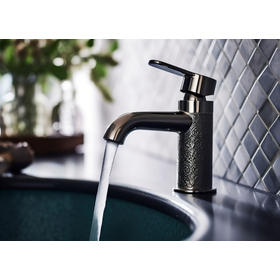
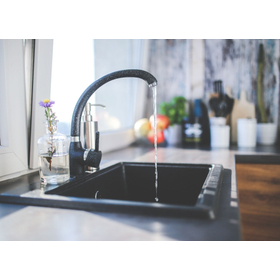
What are the three levels of water quality standards? 【Basic Knowledge】

Are the mandatory standards, effort targets, and candidates under investigation actually divided into three levels for water quality standards?

■What exactly are "water quality standard items"? The quality of tap water is strictly managed by "water quality standard items" established by ministerial ordinances based on the Water Supply Act. These have legal binding force, and water suppliers are obligated to provide water that meets these standards and to conduct inspections. ■Why are there also stages called "water quality management target setting items" and "items for consideration"? In fact, in addition to water quality standard items, there are categories such as "water quality management target setting items," which have a similar status, and "items for consideration," which are at the information gathering stage. Substances for which the reliability of toxicity assessment and the examination of detection realities are insufficient are initially placed in these two categories, and once scientific knowledge is solidified, they are upgraded to formal water quality standard items. ■Have standards been increasing recently? An example of this system in action is the organic fluorinated compounds PFOS and PFOA. For a long time, they were classified as water quality management target setting items, but following the solidification of toxicity assessments, they were upgraded to formal water quality standard items in April 2026. Standards are not fixed; they continue to be updated as new knowledge accumulates. If you are having trouble with water quality management in your facilities, please feel free to consult with us first.

Added to bookmarks

Bookmarks list

Bookmark has been removed

Bookmarks list

You can't add any more bookmarks

By registering as a member, you can increase the number of bookmarks you can save and organize them with labels.

Free membership registration

Why are there 51 items in the water quality standards? 【Basic Knowledge】

Since the enactment of the Water Supply Act in 1957, how have the standards accumulated up to the present day in the Reiwa era?

■What is the "Water Supply Act" that underpins water quality standards? The quality of tap water is supported by the "Water Supply Act," a law enacted in 1957 (Showa 32). Water quality standards are the "requirements that tap water should meet," established by ministerial ordinances based on this Water Supply Act, and they mandate water suppliers, such as prefectures and municipalities, to provide water that meets the national quality standards. ■How often are the standards reviewed? Water quality standards are not set in stone; they are revised according to the latest findings through a "sequential revision method," with reviews of standard items and values occurring almost every year. ■Why are there currently 51 standard values? As of April 2021 (Reiwa 3), there are 51 different items with established standard values in the water quality standards. This is the result of over 60 years of sequential revisions since the enactment of the Water Supply Act. The large number of standards is a testament to the detailed history of ensuring the safety of tap water. If you are having trouble with water quality management in your facilities, please feel free to consult us.

Added to bookmarks

Bookmarks list

Bookmark has been removed

Bookmarks list

You can't add any more bookmarks

By registering as a member, you can increase the number of bookmarks you can save and organize them with labels.

Free membership registration

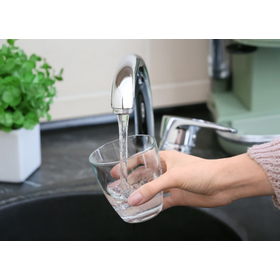
What are the water quality standards for tap water? 【Basic Knowledge】

Who is responsible for ensuring the safety of tap water, and how is it done? What is the system behind the "water quality standards" that you should know about?

■What exactly are "water quality standards"? Tap water contains various substances that are not visible to the eye, many of which can affect health, taste, and smell. Water quality standards refer to the quality regulations for tap water established by the government regarding these substances. Specific items and values are defined in the "Ministerial Ordinance on Water Quality Standards" based on Article 4 of the Water Supply Act. ■Who is obligated to comply with these standards? The obligation to comply with the standards falls on water suppliers such as prefectures and municipalities that provide tap water. It is legally mandated to deliver water that meets the standards, and the safety of the tap water we consume daily is supported by this system. ■Why are the standards not set in stone once established? Water quality standards are reviewed periodically through a system called "sequential revision." As analytical techniques and research on health impacts advance, substances that were previously overlooked may be added to the standards. By continuously updating in line with the latest findings, the safety of tap water is maintained. If you have concerns about water quality management in your facilities, please feel free to consult us first.

Added to bookmarks

Bookmarks list

Bookmark has been removed

Bookmarks list

You can't add any more bookmarks

By registering as a member, you can increase the number of bookmarks you can save and organize them with labels.

Free membership registration

Why is the electrical conductivity of tap water not zero? 【Basic Knowledge】

Pure water is almost zero, but tap water is 10-20 mS/m? What is the reason for that!

■What is the unit of electrical conductivity "S/m"? The electrical conductivity of water is a value that indicates how easily electricity can pass through it; the larger the value, the easier it is for electricity to flow. The unit is "S/m (siemens per meter)," and it can also be expressed in terms of size as "mS/m" or "μS/cm." ■What is the electrical conductivity of tap water? It varies by region, but in Japan, the electrical conductivity of tap water is generally considered to be around 10-20 mS/m. When measured with a conductivity meter, the value can sometimes be around 20 mS/m. ■Why does tap water not have an electrical conductivity of 0? Even after purification treatment, tap water retains minerals such as calcium and magnesium as ions, which are generally explained as the source of conductivity. Pure water, which contains almost no ions, does not conduct electricity well, leading to a significant difference from the values of tap water. If you have concerns about water quality management, please feel free to consult us first.

Added to bookmarks

Bookmarks list

Bookmark has been removed

Bookmarks list

You can't add any more bookmarks

By registering as a member, you can increase the number of bookmarks you can save and organize them with labels.

Free membership registration

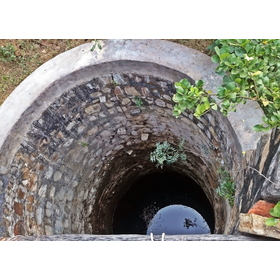
Why is well water not considered as safe as tap water? 【Basic Knowledge】

What is the difference in safety between deep wells and shallow wells? The geological layers hold the key!

■What is the difference between well water and tap water? Tap water is treated with chemicals for sterilization, enhancing its safety, while well water is simply drawn from underground without undergoing disinfection processes. ■Is not all well water safe? Generally, well water used for drinking as "mineral water" is drawn from deep wells, which are considered to be about 30 meters or more below the surface. In contrast, water from shallow wells (within about 8 meters from the surface), commonly found in households, is not considered as safe compared to deep well water. ■Why is deep well water considered safe? Deep well water passes through multiple layers of soil before reaching the depths, providing thorough filtration. It is often sandwiched between clay layers, which can offer antibacterial effects, and it accumulates rich minerals during its journey through the soil layers. On the other hand, shallow wells are more susceptible to surface contamination due to their shallow depth, often rendering the water undrinkable. If you are having trouble managing the quality of your well water, please feel free to consult us.

Added to bookmarks

Bookmarks list

Bookmark has been removed

Bookmarks list

You can't add any more bookmarks

By registering as a member, you can increase the number of bookmarks you can save and organize them with labels.

Free membership registration

Why is industrial water separate from tap water? 【Basic Knowledge】

Industrial water is cheaper than tap water, even though it can't be consumed? The reason lies in measures against land subsidence!

■What is the difference between industrial water and tap water? Tap water is strictly managed for quality to be safe for human consumption, while industrial water is defined by the quality needed for use in factories. It is not filtered or sterilized, and only the clear liquid after removing sediments is used, making it unsuitable for drinking. However, it is supplied at a lower cost through a separate water supply network from tap water. ■Why was this separate water supply network created? In fact, this system was initiated due to the serious ground subsidence that occurred in various areas when factories excessively pumped groundwater. While the government regulated the extraction of groundwater, it established a dedicated water supply network to provide alternative sources such as river water to factories. This is why it is not subject to the Water Supply Act. ■Where is industrial water actually used? It is utilized in various situations within factories, such as for cleaning machines, cooling iron, and providing water for boilers. Beyond factories, it is also used in a wide range of scenarios, including washing trucks and in thermal power plants.

Added to bookmarks

Bookmarks list

Bookmark has been removed

Bookmarks list

You can't add any more bookmarks

By registering as a member, you can increase the number of bookmarks you can save and organize them with labels.

Free membership registration

What is the difference between pure water and tap water? 【Basic Knowledge】

Why is pure water "zero impurities"? An explanation of how purity is measured using resistivity!

■What is the difference between pure water and tap water? Tap water contains minerals such as calcium and magnesium, chlorine for disinfection, and aluminum used in the purification process. On the other hand, pure water is water from which such impurities (ions and foreign substances) have been removed, and it is theoretically considered safe to drink as it does not contain harmful substances for the human body. ■How is the purity of pure water measured? The purity of water is generally measured by its "specific resistivity," which indicates how difficult it is for electricity to pass through. The fewer ions present in the water, the harder it is for electricity to pass through, so a higher specific resistivity indicates higher purity. Generally, water with a specific resistivity of 18.2 MΩ·cm or more is called "ultrapure water," while water with 0.2 MΩ·cm or more is referred to as "pure water." ■Is it really safe to drink pure water? Some experts point out that because pure water lacks impurities, it has a strong ability to dissolve surrounding substances, which could potentially leach minerals that the body retains. While this is not a medically established theory, it is good to be aware that such views exist.

Added to bookmarks

Bookmarks list

Bookmark has been removed

Bookmarks list

You can't add any more bookmarks

By registering as a member, you can increase the number of bookmarks you can save and organize them with labels.

Free membership registration

Are there few countries where tap water can be drunk as is? 【Basic Knowledge】

Why is tap water in Japan safe all the way to the faucet? An explanation of the differences with water conditions around the world!

■Why can tap water in Japan be drunk as is? In Japan's water purification plants, the processes of sedimentation and filtration are thoroughly conducted to remove turbidity and microorganisms, followed by chlorine disinfection. Some facilities combine advanced treatments to eliminate odor-causing substances, and strict process management supports safety. ■What is the mechanism that ensures safe water reaches the tap? In fact, regulations under the Water Supply Act require that a certain concentration of chlorine remains in the water that comes out of the tap. This residual chlorine prevents the growth of bacteria in the pipes after leaving the purification plant, and the presence of chlorine smell in tap water can be considered a sign of safety. ■Why can't tap water be drunk in many countries? The high costs associated with establishing water purification facilities and piping networks are considered a factor, as countries lacking sufficient funds and technology struggle to keep up with the necessary infrastructure. It is said that many people around the world still do not have access to safe drinking water.

Added to bookmarks

Bookmarks list

Bookmark has been removed

Bookmarks list

You can't add any more bookmarks

By registering as a member, you can increase the number of bookmarks you can save and organize them with labels.

Free membership registration
Prev 1 Next
  • 竹中直人と対談しませんか? 出演企業募集中!
  • 技術・製品展示会 新技術創出交流会2026 入場無料 来場登録受付中 開催日時10月22日木・23日金 会場東京たま未来メッセ
    • Contact this company

      Inquiry Form
    • Before making an inquiry

      Download Profile

    Products

    • Search for Products

    Company

    • Search for Companies

    Special Features

    • Special Features

    Ranking

    • Overall Products Ranking
    • Overall Company Ranking

    support

    • site map
    IPROS
    • privacy policy Regarding external transmission of information
    • terms of service
    • About Us
    • Careers
    • Advertising
    IPROS Services
    • >IPROS GMS | Search site for the manufacturing industry
    • >IPROS | Search site for the B2B industry
    COPYRIGHT © 2001-2026 IPROS CORPORATION ALL RIGHTS RESERVED.
    Please note that the English text on this page is automatically translated and may contain inaccuracies.