iPROS Manufacturing
  • Search for products by classification category

    • Electronic Components and Modules
      Electronic Components and Modules
      63019items
    • Machinery Parts
      Machinery Parts
      76249items
    • Manufacturing and processing machinery
      Manufacturing and processing machinery
      103115items
    • Scientific and Physics Equipment
      Scientific and Physics Equipment
      36988items
    • Materials
      Materials
      38214items
    • Measurement and Analysis
      Measurement and Analysis
      55122items
    • Image Processing
      Image Processing
      15526items
    • Control and Electrical Equipment
      Control and Electrical Equipment
      55211items
    • Tools, consumables, and supplies
      Tools, consumables, and supplies
      66169items
    • Design and production support
      Design and production support
      12763items
    • IT/Network
      IT/Network
      46677items
    • Office
      Office
      14237items
    • Business support services
      Business support services
      28466items
    • Seminars and Skill Development
      Seminars and Skill Development
      6647items
    • Pharmaceutical and food related
      Pharmaceutical and food related
      35565items
    • others
      68347items
  • Search for companies by industry

    • Manufacturing and processing contract
      7367
    • others
      5046
    • Industrial Machinery
      4502
    • Machine elements and parts
      3402
    • Other manufacturing
      2909
    • Trading company/Wholesale
      2809
    • IT/Telecommunications
      2582
    • Industrial Electrical Equipment
      2338
    • Building materials, supplies and fixtures
      1816
    • software
      1703
    • Electronic Components and Semiconductors
      1618
    • Resin/Plastic
      1505
    • Service Industry
      1501
    • Testing, Analysis and Measurement
      1141
    • Ferrous/Non-ferrous metals
      1006
    • environment
      697
    • Chemical
      654
    • Automobiles and Transportation Equipment
      622
    • Printing Industry
      517
    • Information and Communications
      485
    • Consumer Electronics
      414
    • Energy
      341
    • Rubber products
      322
    • Food Machinery
      309
    • Optical Instruments
      285
    • robot
      284
    • fiber
      264
    • Paper and pulp
      233
    • Pharmaceuticals and Biotechnology
      178
    • Electricity, Gas and Water Industry
      169
    • Warehousing and transport related industries
      151
    • Food and Beverage
      140
    • Glass and clay products
      140
    • CAD/CAM
      126
    • Educational and Research Institutions
      119
    • Medical Devices
      116
    • retail
      111
    • Ceramics
      98
    • wood
      86
    • Transportation
      84
    • Petroleum and coal products
      67
    • Medical and Welfare
      62
    • Shipbuilding and heavy machinery
      52
    • Aviation & Aerospace
      50
    • equipment
      46
    • Fisheries, Agriculture and Forestry
      43
    • Materials
      41
    • Research and development equipment and devices
      37
    • Public interest/special/independent administrative agency
      32
    • Government
      23
    • self-employed
      23
    • Finance, securities and insurance
      17
    • Mining
      17
    • cosmetics
      16
    • Restaurants and accommodations
      10
    • Individual
      10
    • Police, Fire Department, Self-Defense Forces
      7
    • Raw materials for reagents and chemicals
      5
    • Laboratory Equipment and Consumables
      5
    • Contracted research
      5
  • Special Features
  • Ranking

    • Overall Products Ranking
    • Overall Company Ranking
Search for Products
  • Search for products by classification category

  • Electronic Components and Modules
  • Machinery Parts
  • Manufacturing and processing machinery
  • Scientific and Physics Equipment
  • Materials
  • Measurement and Analysis
  • Image Processing
  • Control and Electrical Equipment
  • Tools, consumables, and supplies
  • Design and production support
  • IT/Network
  • Office
  • Business support services
  • Seminars and Skill Development
  • Pharmaceutical and food related
  • others
Search for Companies
  • Search for companies by industry

  • Manufacturing and processing contract
  • others
  • Industrial Machinery
  • Machine elements and parts
  • Other manufacturing
  • Trading company/Wholesale
  • IT/Telecommunications
  • Industrial Electrical Equipment
  • Building materials, supplies and fixtures
  • software
  • Electronic Components and Semiconductors
  • Resin/Plastic
  • Service Industry
  • Testing, Analysis and Measurement
  • Ferrous/Non-ferrous metals
  • environment
  • Chemical
  • Automobiles and Transportation Equipment
  • Printing Industry
  • Information and Communications
  • Consumer Electronics
  • Energy
  • Rubber products
  • Food Machinery
  • Optical Instruments
  • robot
  • fiber
  • Paper and pulp
  • Pharmaceuticals and Biotechnology
  • Electricity, Gas and Water Industry
  • Warehousing and transport related industries
  • Food and Beverage
  • Glass and clay products
  • CAD/CAM
  • Educational and Research Institutions
  • Medical Devices
  • retail
  • Ceramics
  • wood
  • Transportation
  • Petroleum and coal products
  • Medical and Welfare
  • Shipbuilding and heavy machinery
  • Aviation & Aerospace
  • equipment
  • Fisheries, Agriculture and Forestry
  • Materials
  • Research and development equipment and devices
  • Public interest/special/independent administrative agency
  • Government
  • self-employed
  • Finance, securities and insurance
  • Mining
  • cosmetics
  • Restaurants and accommodations
  • Individual
  • Police, Fire Department, Self-Defense Forces
  • Raw materials for reagents and chemicals
  • Laboratory Equipment and Consumables
  • Contracted research
Special Features
Ranking
  • Overall Products Ranking
  • Overall Company Ranking
  • privacy policy
  • terms of service
  • About Us
  • Careers
  • Advertising
  1. Home
  2. environment
  3. トリイ
  4. Product/Service List
environment
  • Added to bookmarks

    Bookmarks list

    Bookmark has been removed

    Bookmarks list

    You can't add any more bookmarks

    By registering as a member, you can increase the number of bookmarks you can save and organize them with labels.

    Free membership registration

トリイ

addressAichi/Nishio-shi/36 Emukae, Ajihama, Isshikimachi
phone0563-72-8220
  • Special site
  • Official site
last updated:Sep 04, 2026
トリイlogo
  • Contact this company

    Inquiry Form
  • Before making an inquiry

    Download Profile
  • Company information
  • Products/Services(356)
  • catalog(62)
  • news(0)

トリイ Product Lineup

  • category

1~15 item / All 15 items

Displayed results

Filter by category

純水・超純水・工業用水 純水・超純水・工業用水
工場の困りごと解決事例 工場の困りごと解決事例
活性汚泥・汚泥処理 活性汚泥・汚泥処理
水質検査の項目・依頼先 水質検査の項目・依頼先
食品・薬品の基礎知識 食品・薬品の基礎知識
食品表示・添加物の基礎知識 食品表示・添加物の基礎知識
甘味料・うま味の基礎知識 甘味料・うま味の基礎知識
設備部品の基礎知識 設備部品の基礎知識
水道水・井戸水・水質基準 水道水・井戸水・水質基準
水質測定(pH・電気伝導率) 水質測定(pH・電気伝導率)
ボイラーの薬品・スケール対策 ボイラーの薬品・スケール対策
軟水・硬水の基礎知識 軟水・硬水の基礎知識
凝集剤・フロックの基礎知識 凝集剤・フロックの基礎知識
排水処理の基礎知識 排水処理の基礎知識
排水処理場の点検・保全サービス 排水処理場の点検・保全サービス
排水処理のトラブル事例 排水処理のトラブル事例
冷却塔の基礎知識とメンテナンス 冷却塔の基礎知識とメンテナンス
ボイラーの構造・運転・法規制 ボイラーの構造・運転・法規制
ボイラーの整備・点検・メンテナンス ボイラーの整備・点検・メンテナンス
ボイラーの更新・省エネ・コスト削減 ボイラーの更新・省エネ・コスト削減
設備部品の基礎知識

設備部品の基礎知識

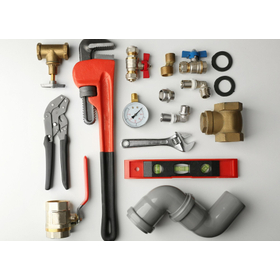
配管の呼び径やバルブの種類、圧力容器、エコノマイザーなど、水処理設備を構成する部品に関する基礎知識をまとめました。
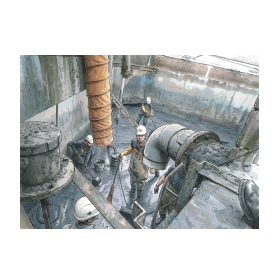
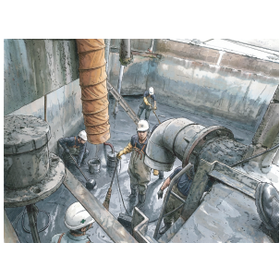
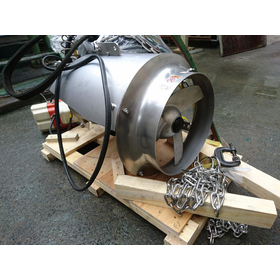
Raw Water Tank | Review of Stirring Method and Complete Resolution of Air Pipe Clogging [With Case Study]

For those struggling with the stirring and circulation of water in the raw water tank! Improvements in stirring efficiency, energy saving, and conservation.

Do you have any concerns such as clogging in the air piping of the raw water tank? - You have to stop production and clean every time there is a clog, resulting in additional cleaning time and effort. - The power consumption due to air usage is also significant. We propose switching from air agitation to an electric agitation mixer system. This will completely eliminate air piping clogs and reduce power consumption. ◇ Regular cleaning tasks will no longer be necessary, reducing maintenance labor. ◇ The uniformity of agitation will improve, preventing the sedimentation of suspended substances and ensuring stability. ◇ Power consumption will be significantly reduced, providing cost benefits as well. ◇ Equipment troubles will decrease, contributing to stable production operations. We are currently offering free case studies on reviewing the agitation method of the raw water tank.

Added to bookmarks

Bookmarks list

Bookmark has been removed

Bookmarks list

You can't add any more bookmarks

By registering as a member, you can increase the number of bookmarks you can save and organize them with labels.

Free membership registration

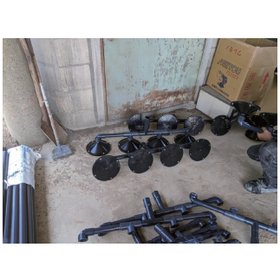
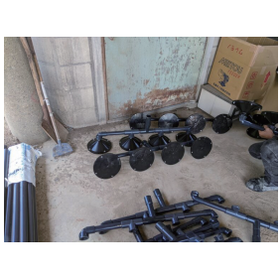
Update of aeration tank diffuser | Restoration of normal aeration and DO levels [with case study]

Abnormalities in drainage treatment may have causes in areas that are not visible. Please feel free to consult us about the inspection and maintenance of aeration tanks.

Do you have any of these concerns regarding the inspection and maintenance of aeration tanks? - The water that used to be brown has become darker. - The DO (dissolved oxygen concentration) is not increasing at all. - There is a strong odor, and it feels like the biological treatment is not working. By updating the diffusers in the aeration tank, we will achieve normal aeration and restore DO levels. ◇ The DO in the aeration tank has returned to normal range. ◇ The activity of microorganisms has returned, stabilizing the color of the treated water. ◇ The odor has been reduced, making wastewater management easier. ◇ We also inspected other aeration piping to prevent recurrence. We are currently offering free case studies on wastewater treatment facilities and aeration tanks.

Added to bookmarks

Bookmarks list

Bookmark has been removed

Bookmarks list

You can't add any more bookmarks

By registering as a member, you can increase the number of bookmarks you can save and organize them with labels.

Free membership registration

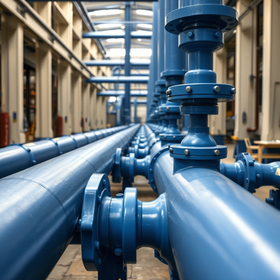
What is the difference between pipe diameter designation A and designation B? 【Basic Knowledge】

What is the reason for the different names "A designation" and "B designation" for the same piping? An explanation of the origins of the colloquial terms used on site!

■What does "nominal diameter" in piping mean? The thickness of piping is managed by a value called "nominal diameter." The nominal diameter is not the actual outer diameter of the pipe itself, but a designation defined by JIS standards. If the nominal diameter is the same, the outer diameter will be the same even if the notation differs. ■What is the difference between A designation and B designation? There are "A designation" and "B designation" for nominal diameters. A designation is based on millimeters, such as "10A" and "20A," while B designation is based on inches, represented as "3/8" and "1." Both refer to pipes with the same outer diameter. ■Why are there two different designations? It is said that this is due to Japanese piping standards being influenced by American standards (inch-based), leading to the parallel use of both millimeter and inch standards. ■What should you be careful about regarding the "common names" you hear on-site? In addition to these two designations, a "common name" that fixes the denominator of the B designation to 8 is also used on-site. "1/8" is referred to as "one-bun," and "1/4" as "two-bun," with the "bun" unit said to originate from the shakkanhō measurement system. It is reassuring to confirm the official nominal diameter when placing orders. Please feel free to consult with us first.

Added to bookmarks

Bookmarks list

Bookmark has been removed

Bookmarks list

You can't add any more bookmarks

By registering as a member, you can increase the number of bookmarks you can save and organize them with labels.

Free membership registration

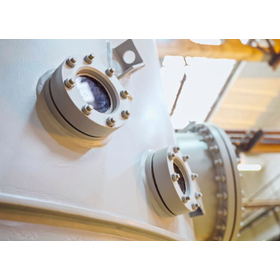
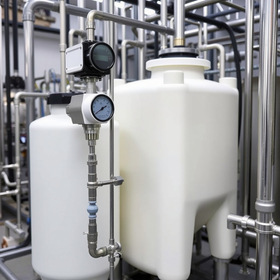
What is a liquid level gauge? How to choose the type? 【Basic Knowledge】

Why can we tell what's inside the tank from the outside? An explanation of the mechanism and types of liquid level gauges!

■What is a level gauge used for? A level gauge is a general term for devices that allow the liquid level inside a tank or container to be visually observed from the outside. The boundary between gases and liquids, or between different liquids, is called a "level," and a level gauge is an instrument that measures this level. ■Why is it necessary to check from outside the tank? Many tanks and boilers in petroleum and chemical plants are equipment that cannot be directly looked into. Therefore, level gauges that can safely provide information from the outside are essential, and various types exist depending on the application. ■How do the mechanisms differ by type? 1. Float type: Judged by the position of a float that floats on the liquid surface. 2. Glass tube type: Direct visual observation of the liquid level based on the principle of communicating vessels. 3. Differential pressure type: Detects the pressure difference caused by the height of the liquid level. 4. Capacitance type, ultrasonic type, radar type: Non-contact methods that do not touch the liquid. ■Is the choice of method dependent on conditions? While the differential pressure type has a proven track record, its weakness is that it is prone to errors when the density of the liquid changes. On the other hand, the capacitance type can handle harsh environments of high temperature and pressure, as well as high-viscosity liquids. Selecting the appropriate type based on the tank's pressure, size, temperature, and contents is important. Please feel free to consult us first.

Added to bookmarks

Bookmarks list

Bookmark has been removed

Bookmarks list

You can't add any more bookmarks

By registering as a member, you can increase the number of bookmarks you can save and organize them with labels.

Free membership registration

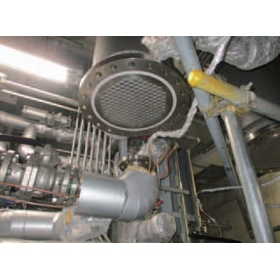
What is an economizer? 【Basic Knowledge】

Reducing boiler fuel with discarded waste heat? What is the mechanism of an economizer?

■What is an "Economizer" in the first place? An economizer is a device also referred to as a "coal-saving device" due to its historical use of coal as the main fuel. It is installed in the middle of the exhaust gas piping of a boiler. ■How does it reduce fuel consumption? It works by preheating the water supply to the boiler using the thermal energy from the exhaust gas. If the temperature of the water supply is already high from the start, less heat is required to raise it to the target temperature in the boiler itself, thereby reducing the amount of fuel used. ■Can the reuse of exhaust heat be applied beyond boilers? For example, exhaust gas generated at around 40°C in processes like compressors can also be used as a heat source for another process, leading to a reduction in fuel consumption. The economizer is a prime example of the concept of recovering waste heat by "using heat that was previously discarded." If you are facing issues with energy-saving in your equipment, please feel free to consult us first.

Added to bookmarks

Bookmarks list

Bookmark has been removed

Bookmarks list

You can't add any more bookmarks

By registering as a member, you can increase the number of bookmarks you can save and organize them with labels.

Free membership registration

Stirring method for the raw water tank | Elimination of labor for cleaning air piping [with examples]

For those troubled by the daily workload and energy loss from cleaning air pipes! Achieve complete resolution of air pipe blockages.

Do you have any concerns about the air piping used for stirring and circulating water in the drainage treatment facility? - Every time there is a blockage, production must be stopped for cleaning, resulting in labor and time for maintenance. - The power consumption due to air usage is also significant. We propose switching from air stirring to an electric stirring mixer method, which allows for direct stirring from inside the tank without using piping, completely eliminating air pipe blockages. ◇ Regular cleaning operations are no longer necessary, reducing maintenance labor. ◇ The uniformity of stirring has improved, with no sedimentation of suspended substances, ensuring stability. ◇ Power consumption has been significantly reduced, providing cost benefits. ◇ Equipment troubles have decreased, contributing to stable production operations. We are currently offering free examples of cases that have improved stirring efficiency, energy savings, and maintenance.

Added to bookmarks

Bookmarks list

Bookmark has been removed

Bookmarks list

You can't add any more bookmarks

By registering as a member, you can increase the number of bookmarks you can save and organize them with labels.

Free membership registration

Update of the diffuser in the aeration tank | Resolution of abnormalities in wastewater treatment [with case study]

For those who are struggling with issues such as ineffective drainage treatment! By updating the diffusers in the aeration tank, we have confirmed the restoration of normal aeration and DO levels.

Are you facing issues like changes in the water quality of your wastewater treatment tank, making the treatment ineffective? - The water that used to be brown has become darker. - The DO (dissolved oxygen concentration) is not rising at all. - There is a strong odor, and it feels like the biological treatment is not working. By updating the diffusers in the aeration tank, we can fundamentally solve these problems. ◇ The DO in the aeration tank will recover to normal levels. ◇ The activity of microorganisms will return, stabilizing the color of the treated water. ◇ The odor will be reduced, making wastewater management easier. ◇ We will also inspect other aeration piping to prevent recurrence. Please feel free to consult us for the inspection and maintenance of the aeration tank. We are currently offering free case studies.

Added to bookmarks

Bookmarks list

Bookmark has been removed

Bookmarks list

You can't add any more bookmarks

By registering as a member, you can increase the number of bookmarks you can save and organize them with labels.

Free membership registration

What are the three types of pressure vessels? 【Basic Knowledge】

Pressure vessels have different management requirements depending on their type! (Type I, Small, Type II)

Even though they are called pressure vessels, they can be divided into several types depending on their contents and pressure. Understanding the classification reveals the differences in the necessary management. ■ Two main categories based on contents Pressure vessels are broadly divided into two categories based on the nature of their contents. One category contains liquids that generate steam due to temperature rise or reactions. The other category contains gases other than steam, such as regular compressed air. The former corresponds to first-class pressure vessels and small pressure vessels, while the latter corresponds to second-class pressure vessels. ■ Differences between first-class, small, and second-class Both first-class pressure vessels and small pressure vessels are containers that hold liquids (steam) at temperatures exceeding the boiling point at atmospheric pressure. The difference between the two lies in their scale; those with a larger product of maximum allowable pressure and volume are classified as first-class, while smaller ones are classified as small. On the other hand, second-class pressure vessels refer to containers that hold gases with a gauge pressure of 0.2 megapascals or more, regardless of the presence of liquid. Since the inspections and management required differ by type, understanding which category your company's equipment falls into is the first step. For confirmation of your company's pressure vessel classification and guidance on inspection and performance testing, this document provides an explanation. Please download the document!

Added to bookmarks

Bookmarks list

Bookmark has been removed

Bookmarks list

You can't add any more bookmarks

By registering as a member, you can increase the number of bookmarks you can save and organize them with labels.

Free membership registration

What are the basics and dangers of pressure vessels? 【Basic Knowledge】

A pressure vessel is a container designed to efficiently store gases or liquids!

Among the familiar equipment around us, there are those that work quietly while harboring great power within. Pressure vessels are one such example. ■ What is a pressure vessel? A pressure vessel is a container designed to store gases or liquids at a constant pressure different from atmospheric pressure. In simpler terms, it refers to a container that can maintain a state of pressure higher or lower than atmospheric pressure. They are widely used in various applications, including boilers and manufacturing processes in factories. ■ The dangers behind high convenience The most important thing to be cautious about when handling pressure vessels is their potential danger. Boilers and pressure vessels contain high-temperature, high-pressure contents or flammable materials, which pose risks of explosion or rupture. If a rupture occurs due to aging or other factors, parts of the container or debris can scatter over hundreds of meters. This could lead to a major disaster that affects not only those working nearby but also local residents. Therefore, regular inspections and statutory checks are essential to maintain a healthy state. The procedures for inspecting and testing the performance of pressure vessels are explained in this document. Please download the document!

Added to bookmarks

Bookmarks list

Bookmark has been removed

Bookmarks list

You can't add any more bookmarks

By registering as a member, you can increase the number of bookmarks you can save and organize them with labels.

Free membership registration

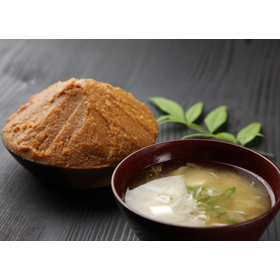
What is water concentration? 【Basic Knowledge】

The cause of water-related troubles in the factory is that "something dissolved in the water remains"?!

⬛️ What is water concentration? Water concentration refers to the phenomenon where the concentration of impurities, such as mineral components dissolved in water, becomes higher as moisture evaporates. A familiar example is miso soup. When it is heated and reduced, it becomes thicker and saltier because only the moisture evaporates, leaving the components of the miso intact. Even if the water itself decreases, the dissolved components do not escape and become concentrated. ⬛️ If concentration is left unattended, pipes can clog and iron can rust. The same thing happens in boilers and cooling towers. As operation continues, moisture evaporates and the components in the water become concentrated. If it becomes too concentrated, the components can solidify and adhere to pipes and heat transfer surfaces, causing scale (similar to deposits) and corrosion, which directly leads to decreased thermal efficiency and equipment troubles. Measures such as "blowing down," which involves discharging a portion of the concentrated water and replenishing it with fresh water, and regular water quality management are essential. The approach to water quality management and scale prevention for boilers and cooling towers is explained in this document. Please download the document!

Added to bookmarks

Bookmarks list

Bookmark has been removed

Bookmarks list

You can't add any more bookmarks

By registering as a member, you can increase the number of bookmarks you can save and organize them with labels.

Free membership registration

"Review of the stirring method for the original water tank" Paper Company

Revising the stirring method of the raw water tank, achieving zero pipe cleaning and reducing electricity costs by approximately 30%!

To the maintenance personnel of mold manufacturing companies in the Tokai region, we would like to introduce a case study regarding the review of the stirring method for the raw water tank. The raw materials used for forming paper mold products need to be uniformly stirred and circulated in the raw water tank. Traditionally, an air stirring method was employed; however, the air piping regularly became clogged, necessitating ongoing cleaning efforts. To resolve this issue, we propose switching from air stirring to an electric stirring mixer method. After the switch, we achieved complete elimination of air pipe clogging by stirring directly from inside the tank without using piping. [On-site Challenges] ■ Stopping production for cleaning each time there is a clog ■ Additional labor and time required for cleaning ■ Significant power consumption due to air usage *For more details, please download the PDF or feel free to contact us.

Added to bookmarks

Bookmarks list

Bookmark has been removed

Bookmarks list

You can't add any more bookmarks

By registering as a member, you can increase the number of bookmarks you can save and organize them with labels.

Free membership registration

Type I Pressure Vessel Maintenance and Performance Testing

Inspections by the Prefectural Labor Bureau and others are mandatory at each stage, including manufacturing, importing, and installation!

We provide maintenance and performance testing for Class 1 pressure vessels. In maintenance, we carry out open maintenance of boiler flue tubes, open maintenance of safety valves, and pressure settings. Additionally, performance testing is generally conducted with the Class 1 pressure vessels opened, so prior to the performance test, we will perform internal cleaning and disassembly of accessories as part of the open maintenance. Please feel free to contact us when you need our services. 【Maintenance Contents (Partial)】 1. Removal of accessories 2. Internal cleaning of the vessel 3. Cleaning of cover plates, etc. 4. Disassembly and maintenance of safety valves 5. Pressure setting of safety valves *For more details, please download the PDF or feel free to contact us.

Added to bookmarks

Bookmarks list

Bookmark has been removed

Bookmarks list

You can't add any more bookmarks

By registering as a member, you can increase the number of bookmarks you can save and organize them with labels.

Free membership registration

What is a metering pump? Differences from a dosing pump [Basic Knowledge]

A dosing pump that delivers "a fixed amount" of medication. This explains how the discharge amount is determined, the characteristics of diaphragm type pumps, and how to prevent injection troubles.

A metering pump is a pump designed to deliver a specific amount of liquid at a time. In water treatment facilities, it is used in processes that involve gradually injecting chemicals for disinfection. ■ What is the relationship with dosing pumps? "Dosing" is a shortened term for chemical injection. Even when looking at guidelines for wastewater treatment by municipalities, there are various terms such as "dosing pump," "chemical injection pump," and "injection pump." In other words, a dosing pump is named for its role in delivering chemicals. The type of metering pump commonly used for this purpose is the dosing metering pump. ■ Why is "metering" important? If there is not enough chemical, the treatment will not proceed adequately. Conversely, if too much is added, it can hinder the treatment process. The ability to consistently deliver the targeted amount supports the results of water treatment. ■ What about thinking of a syringe? If you push the piston the same distance each time, you will get almost the same amount each time. Increasing the number of pushes will increase the total amount delivered. A metering pump also determines the amount delivered based on the combination of the amount pushed out in one stroke and the number of strokes. Please feel free to consult us.

Added to bookmarks

Bookmarks list

Bookmark has been removed

Bookmarks list

You can't add any more bookmarks

By registering as a member, you can increase the number of bookmarks you can save and organize them with labels.

Free membership registration

What are the types of flow meters? How to choose in water treatment [Basic Knowledge]

Principles and strengths and weaknesses of flow meters such as electromagnetic, ultrasonic, vortex, and positive displacement types will be explained. We will also discuss important points to consider when measuring in drainage channels and chemical injection.

A flow meter is an instrument used to measure the amount of liquid flowing through pipes or channels. In industrial water treatment, it is used to monitor the volume of wastewater and the amount of chemical injection. The principles vary by type, and the liquids that can be measured and the installation conditions also change. ■ What are the methods for measuring inside a pipe? 1. Electromagnetic: Determines flow velocity from the electromotive force generated when a conductive liquid crosses a magnetic field. 2. Ultrasonic: Determines flow velocity from the time difference of ultrasonic waves or the frequency shift due to the Doppler effect. 3. Vortex: Determines flow velocity from the frequency of the Kármán vortex formed behind a vortex generator. 4. Differential pressure: Determines flow rate from the differential pressure generated before and after a constriction. 5. Area: Reads flow rate from the position of a float that rises within a tapered pipe. 6. Turbine: Determines flow rate from the rotation of a turbine. All of these methods are used as flow meters for wastewater, and there are installation considerations based on each principle. ■ Volumetric method using a measuring bucket The volumetric method uses the space between a rotor and a case like a measuring bucket, counting the volume based on the number of times liquid is dispensed. It is suitable for high-viscosity liquids and does not require straight pipe sections before and after. Please feel free to consult us first.

Added to bookmarks

Bookmarks list

Bookmark has been removed

Bookmarks list

You can't add any more bookmarks

By registering as a member, you can increase the number of bookmarks you can save and organize them with labels.

Free membership registration

What is the timing for replacing cartridge filters? How to read differential pressure [Basic Knowledge]

The clue to knowing when to replace the filter is the pressure difference between the inlet and outlet, known as "differential pressure." I will explain how to interpret this and the points that cannot be judged by differential pressure alone.

A cartridge filter is a type of filter that consists of a cylindrical filtering material (cartridge) placed inside a container known as a housing, which removes foreign substances from liquids. When foreign substances accumulate and cause clogging in the filtering material, it is replaced with a new cartridge. There are two types: surface filtration, which captures foreign substances on the surface of the filtering material, and depth filtration (depth type), which captures them within the material itself. There are also two types of filtration accuracy indicators: nominal and absolute, and it is important to check the type of indicator when selecting a replacement. ■ What determines the replacement timing? The lifespan of a liquid cartridge filter is determined by "differential pressure lifespan," which is based on clogging, and "time-dependent degradation lifespan," which is based on the deterioration of the filtering material itself. The shorter of the two determines the replacement timing. ■ What is differential pressure? Differential pressure is the difference in pressure between the inlet (primary side) and outlet (secondary side) of the filter. It is also referred to as pressure loss. Pressure gauges are attached to both the inlet and outlet of the housing, and the difference in values is monitored to manage the progression of clogging. As foreign substances accumulate in the filtering material, it becomes more difficult for water to pass through, causing the differential pressure to rise. Please feel free to consult us first.

Added to bookmarks

Bookmarks list

Bookmark has been removed

Bookmarks list

You can't add any more bookmarks

By registering as a member, you can increase the number of bookmarks you can save and organize them with labels.

Free membership registration
Prev 1 Next
  • CADを持っていない他部門や取引先に! 専用アプリ不要! いつでもどこでも3Dデータをサクサク閲覧! iCAD 3D Browser
  • 部品の残数管理、トレーサビリティを効率化! 検証キット(プリンター×周辺機器)無料貸出中 手作業の裁断・記入から脱却!システム改修なしでスマートに
    • Contact this company

      Inquiry Form
    • Before making an inquiry

      Download Profile

    Products

    • Search for Products

    Company

    • Search for Companies

    Special Features

    • Special Features

    Ranking

    • Overall Products Ranking
    • Overall Company Ranking

    support

    • site map
    IPROS
    • privacy policy Regarding external transmission of information
    • terms of service
    • About Us
    • Careers
    • Advertising
    IPROS Services
    • >IPROS GMS | Search site for the manufacturing industry
    • >IPROS | Search site for the B2B industry
    COPYRIGHT © 2001-2026 IPROS CORPORATION ALL RIGHTS RESERVED.
    Please note that the English text on this page is automatically translated and may contain inaccuracies.