iPROS Manufacturing
  • Search for products by classification category

    • Electronic Components and Modules
      Electronic Components and Modules
      63019items
    • Machinery Parts
      Machinery Parts
      76249items
    • Manufacturing and processing machinery
      Manufacturing and processing machinery
      103115items
    • Scientific and Physics Equipment
      Scientific and Physics Equipment
      36988items
    • Materials
      Materials
      38214items
    • Measurement and Analysis
      Measurement and Analysis
      55122items
    • Image Processing
      Image Processing
      15526items
    • Control and Electrical Equipment
      Control and Electrical Equipment
      55211items
    • Tools, consumables, and supplies
      Tools, consumables, and supplies
      66169items
    • Design and production support
      Design and production support
      12763items
    • IT/Network
      IT/Network
      46677items
    • Office
      Office
      14237items
    • Business support services
      Business support services
      28466items
    • Seminars and Skill Development
      Seminars and Skill Development
      6647items
    • Pharmaceutical and food related
      Pharmaceutical and food related
      35565items
    • others
      68347items
  • Search for companies by industry

    • Manufacturing and processing contract
      7367
    • others
      5046
    • Industrial Machinery
      4502
    • Machine elements and parts
      3402
    • Other manufacturing
      2909
    • Trading company/Wholesale
      2809
    • IT/Telecommunications
      2582
    • Industrial Electrical Equipment
      2338
    • Building materials, supplies and fixtures
      1816
    • software
      1703
    • Electronic Components and Semiconductors
      1618
    • Resin/Plastic
      1505
    • Service Industry
      1501
    • Testing, Analysis and Measurement
      1141
    • Ferrous/Non-ferrous metals
      1006
    • environment
      697
    • Chemical
      654
    • Automobiles and Transportation Equipment
      622
    • Printing Industry
      517
    • Information and Communications
      485
    • Consumer Electronics
      414
    • Energy
      341
    • Rubber products
      322
    • Food Machinery
      309
    • Optical Instruments
      285
    • robot
      284
    • fiber
      264
    • Paper and pulp
      233
    • Pharmaceuticals and Biotechnology
      178
    • Electricity, Gas and Water Industry
      169
    • Warehousing and transport related industries
      151
    • Food and Beverage
      140
    • Glass and clay products
      140
    • CAD/CAM
      126
    • Educational and Research Institutions
      119
    • Medical Devices
      116
    • retail
      111
    • Ceramics
      98
    • wood
      86
    • Transportation
      84
    • Petroleum and coal products
      67
    • Medical and Welfare
      62
    • Shipbuilding and heavy machinery
      52
    • Aviation & Aerospace
      50
    • equipment
      46
    • Fisheries, Agriculture and Forestry
      43
    • Materials
      41
    • Research and development equipment and devices
      37
    • Public interest/special/independent administrative agency
      32
    • Government
      23
    • self-employed
      23
    • Finance, securities and insurance
      17
    • Mining
      17
    • cosmetics
      16
    • Restaurants and accommodations
      10
    • Individual
      10
    • Police, Fire Department, Self-Defense Forces
      7
    • Raw materials for reagents and chemicals
      5
    • Laboratory Equipment and Consumables
      5
    • Contracted research
      5
  • Special Features
  • Ranking

    • Overall Products Ranking
    • Overall Company Ranking
Search for Products
  • Search for products by classification category

  • Electronic Components and Modules
  • Machinery Parts
  • Manufacturing and processing machinery
  • Scientific and Physics Equipment
  • Materials
  • Measurement and Analysis
  • Image Processing
  • Control and Electrical Equipment
  • Tools, consumables, and supplies
  • Design and production support
  • IT/Network
  • Office
  • Business support services
  • Seminars and Skill Development
  • Pharmaceutical and food related
  • others
Search for Companies
  • Search for companies by industry

  • Manufacturing and processing contract
  • others
  • Industrial Machinery
  • Machine elements and parts
  • Other manufacturing
  • Trading company/Wholesale
  • IT/Telecommunications
  • Industrial Electrical Equipment
  • Building materials, supplies and fixtures
  • software
  • Electronic Components and Semiconductors
  • Resin/Plastic
  • Service Industry
  • Testing, Analysis and Measurement
  • Ferrous/Non-ferrous metals
  • environment
  • Chemical
  • Automobiles and Transportation Equipment
  • Printing Industry
  • Information and Communications
  • Consumer Electronics
  • Energy
  • Rubber products
  • Food Machinery
  • Optical Instruments
  • robot
  • fiber
  • Paper and pulp
  • Pharmaceuticals and Biotechnology
  • Electricity, Gas and Water Industry
  • Warehousing and transport related industries
  • Food and Beverage
  • Glass and clay products
  • CAD/CAM
  • Educational and Research Institutions
  • Medical Devices
  • retail
  • Ceramics
  • wood
  • Transportation
  • Petroleum and coal products
  • Medical and Welfare
  • Shipbuilding and heavy machinery
  • Aviation & Aerospace
  • equipment
  • Fisheries, Agriculture and Forestry
  • Materials
  • Research and development equipment and devices
  • Public interest/special/independent administrative agency
  • Government
  • self-employed
  • Finance, securities and insurance
  • Mining
  • cosmetics
  • Restaurants and accommodations
  • Individual
  • Police, Fire Department, Self-Defense Forces
  • Raw materials for reagents and chemicals
  • Laboratory Equipment and Consumables
  • Contracted research
Special Features
Ranking
  • Overall Products Ranking
  • Overall Company Ranking
  • privacy policy
  • terms of service
  • About Us
  • Careers
  • Advertising
  1. Home
  2. environment
  3. トリイ
  4. Product/Service List
environment
  • Added to bookmarks

    Bookmarks list

    Bookmark has been removed

    Bookmarks list

    You can't add any more bookmarks

    By registering as a member, you can increase the number of bookmarks you can save and organize them with labels.

    Free membership registration

トリイ

addressAichi/Nishio-shi/36 Emukae, Ajihama, Isshikimachi
phone0563-72-8220
  • Special site
  • Official site
last updated:Sep 04, 2026
トリイlogo
  • Contact this company

    Inquiry Form
  • Before making an inquiry

    Download Profile
  • Company information
  • Products/Services(356)
  • catalog(62)
  • news(0)

トリイ Product Lineup

  • category

1~26 item / All 26 items

Displayed results

Filter by category

純水・超純水・工業用水 純水・超純水・工業用水
工場の困りごと解決事例 工場の困りごと解決事例
活性汚泥・汚泥処理 活性汚泥・汚泥処理
水質検査の項目・依頼先 水質検査の項目・依頼先
食品・薬品の基礎知識 食品・薬品の基礎知識
食品表示・添加物の基礎知識 食品表示・添加物の基礎知識
甘味料・うま味の基礎知識 甘味料・うま味の基礎知識
設備部品の基礎知識 設備部品の基礎知識
水道水・井戸水・水質基準 水道水・井戸水・水質基準
水質測定(pH・電気伝導率) 水質測定(pH・電気伝導率)
ボイラーの薬品・スケール対策 ボイラーの薬品・スケール対策
軟水・硬水の基礎知識 軟水・硬水の基礎知識
凝集剤・フロックの基礎知識 凝集剤・フロックの基礎知識
排水処理の基礎知識 排水処理の基礎知識
排水処理場の点検・保全サービス 排水処理場の点検・保全サービス
排水処理のトラブル事例 排水処理のトラブル事例
冷却塔の基礎知識とメンテナンス 冷却塔の基礎知識とメンテナンス
ボイラーの構造・運転・法規制 ボイラーの構造・運転・法規制
ボイラーの整備・点検・メンテナンス ボイラーの整備・点検・メンテナンス
ボイラーの更新・省エネ・コスト削減 ボイラーの更新・省エネ・コスト削減
食品・薬品の基礎知識

食品・薬品の基礎知識

食後の中性脂肪や難消化性デキストリン、次亜塩素酸など、食品・薬品に関する基礎知識をまとめました。

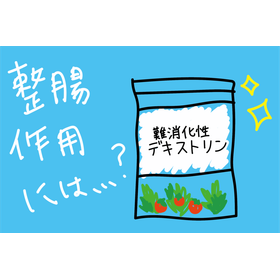
What is indigestible dextrin? The secret to suppressing fat and sugar absorption [Basic Knowledge]

Is it safe after yakiniku and fast food? What is the true nature of the ingredients hidden in functional beverages?

■Why are there products that "suppress fat absorption"? The functional beverages labeled "suppress fat absorption" and "moderate sugar absorption" contain a common ingredient. Its true identity is resistant dextrin, a type of soluble dietary fiber made from corn starch. It is difficult to digest and has the property of being used as food for intestinal bacteria. ■What effects does resistant dextrin have? In addition to its intestinal regulation effects, it has been reported to suppress post-meal blood sugar spikes and the rise of triglycerides in the blood. It is an ingredient that is sometimes used in functional beverages like Mets Cola that suppress fat and sugar absorption. ■I see, dietary fiber is involved in the absorption of fat and sugar! When we think of dietary fiber, we often associate it with intestinal regulation, but there are types like resistant dextrin that work on the speed of fat and sugar absorption by utilizing their difficult-to-digest properties. Please feel free to consult us first.

Added to bookmarks

Bookmarks list

Bookmark has been removed

Bookmarks list

You can't add any more bookmarks

By registering as a member, you can increase the number of bookmarks you can save and organize them with labels.

Free membership registration

What are the intestinal health effects of resistant dextrin? [Basic Knowledge]

Is it easy to mix with coffee and yogurt? What is gentle dietary fiber for the stomach?

■What is the mechanism of the intestinal regulation effect of indigestible dextrin? It serves as food for intestinal bacteria, increasing beneficial bacteria and improving the intestinal environment. While some people feel that "laxatives suddenly cause stomach pain" or "intestinal regulators require taking many tablets," indigestible dextrin can support natural bowel movements simply by mixing it into coffee or yogurt. ■Why is it easy to mix into food? It is a water-soluble dietary fiber that dissolves easily in water, has little stickiness or sweetness, and is almost transparent, making it difficult to alter the taste or appearance of food when added. It also has excellent heat and acid resistance, allowing it to be mixed into a wide range of beverages, including hot coffee and orange juice. ■I see, it has high safety but caution is needed for excessive intake! It is considered to have high safety, to the extent that there is no need to clearly define an upper limit for daily intake. However, excessive consumption may lead to diarrhea or abdominal pain, so it is recommended to consume about 10g per day. Please feel free to consult us first.

Added to bookmarks

Bookmarks list

Bookmark has been removed

Bookmarks list

You can't add any more bookmarks

By registering as a member, you can increase the number of bookmarks you can save and organize them with labels.

Free membership registration

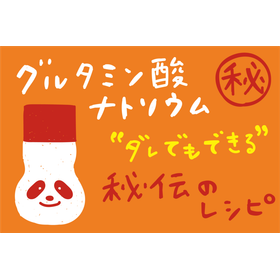
What is the "secret recipe" for seasoning blends? 【Basic Knowledge】

What is the "secret flavor" created by food additives like monosodium glutamate?

■What are food additives in the first place? Food additives are substances used in the manufacturing process or for the purpose of processing and preserving food, such as preservatives, sweeteners, colorings, and flavorings. Familiar examples include "monosodium glutamate" (Ajinomoto) used in shrimp crackers and sweeteners like sucralose and acesulfame K used in cola. ■How are blended seasonings made? Food manufacturers create finished products that we consume daily by adding "blended seasonings," which combine multiple food additives to adjust taste, aroma, and appearance. The combination of additives is a "secret recipe" that each manufacturer researches and develops continuously. ■I see, a slight miscalculation in proportions can lead to defective products! This "secret recipe" can result in a change in taste and produce defective products that cannot be released to the market if the quantities or proportions are slightly incorrect. The occurrence of defective products is a significant setback for manufacturers, and efforts are required to prevent this. Please feel free to consult with us first.

Added to bookmarks

Bookmarks list

Bookmark has been removed

Bookmarks list

You can't add any more bookmarks

By registering as a member, you can increase the number of bookmarks you can save and organize them with labels.

Free membership registration

What is "Triple Down" to prevent coordination mistakes? 【Basic Knowledge】

What is the system that reduces coordination, management, and waste loss all at once?

■Why do blending mistakes occur? Food manufacturers mix seasonings according to their meticulously researched "secret recipes," but as long as this is done by human hands, mistakes are unavoidable. This led to the idea of packaging seasonings that are pre-mixed according to the secret recipes, allowing for a simple process of just opening the bag and adding them. ■What is the mechanism of "Triple Down"? This method can only be implemented by trading companies that handle all kinds of food additives and seasonings uniformly. It allows for the reduction of blending mistakes, weighing errors, the labor involved in blending, the management of purchased seasonings, and waste losses due to expired products, all at once. It was named "Triple Down" because it can simultaneously reduce the three aspects of "blending, management, and waste loss." ■I see, it's a system used by major beverage manufacturers! By outsourcing the packaging of multiple food additives to several companies, it is possible to reduce blending, management, and waste losses without revealing the recipe. In fact, this method has also been adopted in the recipe management of major beverage manufacturers like a certain cola brand. Please feel free to consult with us first.

Added to bookmarks

Bookmarks list

Bookmark has been removed

Bookmarks list

You can't add any more bookmarks

By registering as a member, you can increase the number of bookmarks you can save and organize them with labels.

Free membership registration

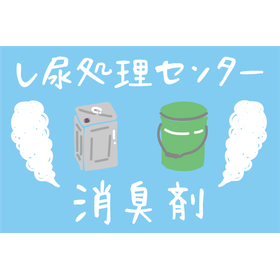
What is the proper way to choose a deodorant? 【Basic Knowledge】

Is that deodorant suitable for the site? I will explain how to choose it based on effectiveness tests in the materials.

■Do you have any of these concerns? "Even though there are deodorants available, it still smells," "What can I do to enhance the effectiveness?" "Which deodorant is the most effective?" — A representative from a purification center's sewage treatment facility also faced the issue of strong odors and diminishing effectiveness of the deodorants used. ■Why can't you feel the effectiveness? An "effective deodorant" is one that works well in that specific environment. Even the same deodorant can have varying effectiveness due to different conditions and environments at each facility. The deodorant you are currently using may not be suitable for your site, which could be the reason you are not experiencing its effectiveness. However, many people may be unsure about how to verify this. ■Leave the verification to us! We will prepare multiple deodorants at the actual site and conduct deodorization effectiveness tests to select and recommend the most effective deodorant. You can also objectively understand the effectiveness of the deodorant you are currently using through numerical data. ■First, please consult with us! We can provide proposals based on the scale of your facility and the feedback from your employees. If you are uncertain about your decision, we also offer free consultations. If desired, our specialized staff will conduct a site survey and provide answers regarding necessity and costs.

Added to bookmarks

Bookmarks list

Bookmark has been removed

Bookmarks list

You can't add any more bookmarks

By registering as a member, you can increase the number of bookmarks you can save and organize them with labels.

Free membership registration

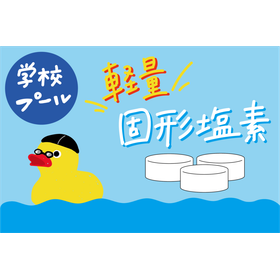
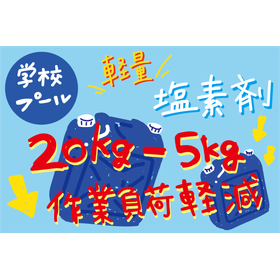
What is the method for reducing the weight of pool chemicals? 【Basic Knowledge】

Is that chemical tank still over 20 kg? Here are two methods for weight reduction!

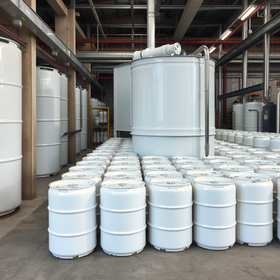
■Do you have any of these concerns? For those managing pools, sodium hypochlorite (liquid bleach) is a familiar substance. We have received many requests from school pool managers saying, "The chemical containers are heavy; is there anything we can do about it?" ■Why is it so heavy? Sodium hypochlorite is a liquid that is heavier than water, with a typical poly tank weighing between 20 to 25 kg. Since it is a liquid, it is not possible to reduce the weight of the chemical itself. ■There are ways to lighten the load! There are two methods. 1. Use smaller capacity poly tanks Some suppliers offer types that weigh 10 kg or 15 kg. 2. Use solid chemicals Using a solid component like sodium isocyanurate can reduce weight while maintaining the same disinfecting effect as the liquid (equipment may be required for use). ■Please consult with us first! We can also provide proposals that combine chemistry and machinery. We offer free on-site inspections and estimates. If you want to reduce your workload, please feel free to contact us.

Added to bookmarks

Bookmarks list

Bookmark has been removed

Bookmarks list

You can't add any more bookmarks

By registering as a member, you can increase the number of bookmarks you can save and organize them with labels.

Free membership registration

What is the basics of sodium hypochlorite? Effective chlorine, uses, regulations [Basic Knowledge]

What is included in sodium hypochlorite handled on-site? An explanation of how effective chlorine is represented, the fields in which it is used, relevant laws, and the basics of handling it.

Sodium hypochlorite (NaClO) is a chlorine-based chemical used for disinfection and bleaching, and it is distributed in the workplace as a pale yellow aqueous solution. It is also a component found in household chlorine-based bleaches. It is handled as an aqueous solution with an effective chlorine concentration of 6-15% and is used for bleaching fibers and pulp, water treatment, and as a food additive. ■ Is there only one type of product? Commercial products for water supply contain, in addition to this substance, sodium chloride, sodium hydroxide (caustic soda) to suppress decomposition, sodium chlorite, sodium chlorate, and an aqueous solution containing bromate, which is an impurity from manufacturing. It is not a pure single component. ■ How is the grade determined? The standards for water supply (JWWA K 120) include special grade, first grade, second grade, and third grade. ■ Impurities determine the grade The effective chlorine content is 12.0% or more for all grades, and the grades are differentiated by the upper limits of impurities such as chlorate, bromate, and sodium chloride. For example, the upper limit for bromate is 10 mg/kg for special grade and 100 mg/kg for third grade. If you have any questions about choosing the appropriate grade or concentration for your application, please feel free to consult us.

Added to bookmarks

Bookmarks list

Bookmark has been removed

Bookmarks list

You can't add any more bookmarks

By registering as a member, you can increase the number of bookmarks you can save and organize them with labels.

Free membership registration

Reasons for the decrease in effective chlorine in sodium hypochlorite for disinfection [Basic Knowledge]

Does the concentration decrease just by leaving the same product out? The mechanism of sodium hypochlorite disinfection used in business and storage precautions.

One of the chlorine-based disinfectants used in various business settings, such as for disinfecting tap water and pool water, as well as for sterilizing raw materials in cooking facilities, is a liquid containing sodium hypochlorite (NaClO) as its active ingredient. Commercially available tap water products typically have an effective chlorine content of over 12% and are a pale yellow, transparent liquid with a pH of over 12. This agent is primarily used for chlorine disinfection in water supply systems. ■ Is hypochlorous acid the main player in disinfection? Due to its alkaline nature, this agent mainly exists as hypochlorite ions. The proportion of hypochlorous acid is high in acidic conditions and low in alkaline conditions, and the bactericidal power of hypochlorous acid is about 80 times that of hypochlorite ions. ■ The concentration used varies by application! 1. Vegetables and fruits served without heating in large-scale cooking facilities: 200 mg/L for 5 minutes, or 100 mg/L for 10 minutes. 2. Swimming pools: A free residual chlorine level of 0.4 mg/L or higher, but below 1.0 mg/L is desirable. ■ Dilute the concentrate for use The product is sold at high concentrations and is typically diluted for use in soaking and other applications. It should be diluted from the concentration of the original solution to a level suitable for the intended use. Please feel free to consult us first.

Added to bookmarks

Bookmarks list

Bookmark has been removed

Bookmarks list

You can't add any more bookmarks

By registering as a member, you can increase the number of bookmarks you can save and organize them with labels.

Free membership registration

What is the dilution calculation of sodium hypochlorite? How to calculate ppm [Basic Knowledge]

How much should you dilute a 12% solution to make 200 ppm? This explains the dilution calculation formula and examples used in business, precautions for making in advance, and guidelines for concentrations based on different uses.

Sodium hypochlorite is sold as a high-concentration product and is a chlorine-based agent used after dilution. On-site, the concentrated solutions labeled "12%" and "6%" are diluted with water to the appropriate concentration for the intended purpose. ■ What is the relationship between % and ppm? ppm is a unit that represents one part per million, and 1% corresponds to 10,000 ppm. Therefore, 12% is 120,000 ppm, and 6% is 60,000 ppm. The concentration of disinfectants may also be indicated alongside values such as 0.02% (200 ppm) and 0.1% (1,000 ppm). Additionally, concentrations may be expressed in mg/L, and here we will approximate 1 ppm as 1 mg/L. ■ How much should I dilute? The dilution factor is calculated by dividing the concentration of the original solution by the target concentration. Ensure that the units are consistent when performing the calculations. 1. From 12% to 200 ppm: 120,000 ÷ 200 = 600 times 2. From 6% to 200 ppm: 60,000 ÷ 200 = 300 times 3. From 12% to 1,000 ppm: 120,000 ÷ 1,000 = 120 times Even for the same 200 ppm, the 6% original solution requires twice the amount compared to the 12% solution. Please feel free to consult us first.

Added to bookmarks

Bookmarks list

Bookmark has been removed

Bookmarks list

You can't add any more bookmarks

By registering as a member, you can increase the number of bookmarks you can save and organize them with labels.

Free membership registration

What is sodium hypochlorite? Differences from sodium chlorite [Basic Knowledge]

What changes with just one letter difference? The chemical formulas and legal treatments are for different substances. We will compare the properties of sodium hypochlorite and sodium chlorite.

Sodium hypochlorite is a chlorine-based compound used for bleaching and disinfection. Its main applications include bleaching of textiles and food, as well as surface treatment of semiconductors. In Japan, it is designated as one of the bleaching agents and disinfectants for food additives. As a substance, it is a slightly hygroscopic white crystal or flake. ■ What is the difference between having "hypo" and not having it? When arranged in chemical formulas, the differences become clear. 1. Sodium hypochlorite: NaClO 2. Sodium chlorite: NaClO2 ■ The number of oxygens and the oxidation state of chlorine The difference lies in whether one or two oxygens are bonded to one chlorine. When calculating with sodium at +1 and oxygen at -2, the oxidation state of chlorine is +1 in sodium hypochlorite and +3 in sodium chlorite. Although the names differ by one character, they are distinct substances. ■ What is the history as a food additive? Sodium chlorite was designated as a food additive in 1948, while sodium hypochlorite was designated in 1950. Both have been used as chlorine compounds for a long time, but the regulations for their use are significantly different. Please feel free to consult us first.

Added to bookmarks

Bookmarks list

Bookmark has been removed

Bookmarks list

You can't add any more bookmarks

By registering as a member, you can increase the number of bookmarks you can save and organize them with labels.

Free membership registration

What is the difference between sodium hypochlorite and hypochlorous acid? 【Basic Knowledge】

Even if the names are similar, the properties, concentrations, and ease of storage are different? Let's organize the differences and usage distinctions between the two chlorine-based liquids.

Sodium hypochlorite and hypochlorous acid water are different substances despite their similar names, so caution is needed to avoid confusion. Both are chlorine-based disinfectants, but their properties are distinctly different. ■ What’s the difference? Liquid properties and main components 1. Sodium hypochlorite: It is alkaline and has oxidizing properties, allowing for long-term storage in concentrated form. The main component is the hypochlorite ion. 2. Hypochlorous acid water: This is an acidic solution with hypochlorous acid as the main component. It is unstable compared to sodium hypochlorite. ■ Is pH what determines the difference? The effective chlorine dissolved in water changes form into chlorine gas, hypochlorous acid, and hypochlorite ions as the pH increases. The proportion of hypochlorous acid is higher on the acidic side and lower on the alkaline side. Even with the same "effective chlorine," the form of the contents differs depending on the pH of the liquid. ■ Presence of organic matter reduces activity While hypochlorous acid water has a high proportion of hypochlorous acid and high disinfecting activity, its lower concentration makes it more susceptible to reduced activity in the presence of organic matter. Please feel free to consult us first.

Added to bookmarks

Bookmarks list

Bookmark has been removed

Bookmarks list

You can't add any more bookmarks

By registering as a member, you can increase the number of bookmarks you can save and organize them with labels.

Free membership registration

Why does the concentration of sodium hypochlorite decrease? Storage and degradation [Basic Knowledge]

Where does the reduced effective chlorine go? We will organize the reaction equations for decomposition, the reasons why the rate of decomposition changes with concentration, measures against temperature and light, and indicators to notice degradation.

Sodium hypochlorite is an important chemical that should be treated as a "perishable item." As time passes, the effective chlorine decreases, and other substances increase in its place. Since decomposition during storage is unavoidable, knowing how it decomposes can clarify the key points for management. ■ Where does the effective chlorine go? Sodium hypochlorite gradually self-decomposes during storage, converting through sodium chlorite to sodium chloride and sodium chlorate, with oxygen also being produced as a byproduct. The reactions can be represented by the following two equations: 1. Reaction producing chlorate: 3NaClO → 2NaCl + NaClO3 2. Reaction producing oxygen: 2NaClO → 2NaCl + O2 ■ Does the reduced amount return? No, it does not. This reaction proceeds continuously and irreversibly, so the concentration of sodium chlorate continues to rise. ■ Decrease in effective chlorine and increase in chlorate In products with 12% effective chlorine, there is a relationship where for every 1% decrease in effective chlorine, chlorate increases by approximately 3,500 mg/kg. Please feel free to consult with us first.

Added to bookmarks

Bookmarks list

Bookmark has been removed

Bookmarks list

You can't add any more bookmarks

By registering as a member, you can increase the number of bookmarks you can save and organize them with labels.

Free membership registration

The dangerous reason for mixing sodium hypochlorite and acid [Basic Knowledge]

Is hydrochloric acid the only danger? This summarizes the mechanism of reactions that produce chlorine gas, examples of labor accidents caused by mix-ups, and the measures the government presents to prevent mixing.

Incidents of chlorine gas generation due to the mixing of sodium hypochlorite solutions and acidic solutions have occurred almost every year. The former is used for disinfection and bleaching, while the latter is used for cleaning and water treatment, leading to many workplaces having both types of tanks. Misunderstandings or incorrect refills can trigger accidents. ■ Why does chlorine gas emerge? The form in which effective chlorine exists is influenced by pH; as pH decreases, it transitions from hypochlorite ions to hypochlorous acid, and then to chlorine gas. When an acid is added to an alkaline product, the pH drops, causing this sequence of transformations. In the case of hydrochloric acid, it can be expressed as follows: 1. NaClO + HCl → NaCl + HClO 2. HClO + HCl → Cl2 + H2O ■ Combining the two equations When combined, they yield "NaClO + 2HCl → NaCl + Cl2 + H2O." As acidity increases, the proportion of chlorine gas formation rises. The second equation represents the reverse reaction where chlorine reacts with water to produce hypochlorous acid and hydrochloric acid. Please feel free to consult us first.

Added to bookmarks

Bookmarks list

Bookmark has been removed

Bookmarks list

You can't add any more bookmarks

By registering as a member, you can increase the number of bookmarks you can save and organize them with labels.

Free membership registration

What is the disinfection of vegetables with hypochlorous acid? Concentration and soaking time [Basic Knowledge]

When sterilizing raw vegetables in food service facilities and food factories, I will explain the key points regarding the concentration and time indicated in the national manual, the order of pre-processing, and the management of the sterilizing solution.

Vegetables and fruits that are served without heating do not undergo a process to reduce bacteria at the center temperature like cooked foods do. Therefore, in school lunch facilities and food factories, there may be a process of sterilization using sodium hypochlorite solution after washing. ■ Which facilities does the national manual apply to? The national hygiene management manual for large-scale cooking facilities applies to cooking facilities that provide the same menu for 300 meals or more at one time or 750 meals or more in a day. When serving vegetables and fruits without heating, they should be thoroughly washed with running water and sterilized if necessary, followed by thorough rinsing with running water. ■ Some facilities cannot skip sterilization! Facilities that serve meals to the elderly, young children, or individuals with weakened immunity are required to perform sterilization when serving food without heating. If the skin is removed before serving, this requirement is excluded. ■ Concentration and time are set together When using sodium hypochlorite solution, if the concentration is 200 mg/L, the immersion time is 5 minutes; if it is 100 mg/L, the time is 10 minutes. In both cases, after immersion, they should be rinsed with running water. Please feel free to consult us first.

Added to bookmarks

Bookmarks list

Bookmark has been removed

Bookmarks list

You can't add any more bookmarks

By registering as a member, you can increase the number of bookmarks you can save and organize them with labels.

Free membership registration

The sodium hypochlorite pool chemicals are heavy and the work is difficult.

Introducing two methods to lighten heavy pool chemicals in a column format!

The chemicals managed by those in charge of the pool are familiar substances. It is a liquid called sodium hypochlorite (bleach), which has a property of being heavier than water. Generally, it comes in a poly tank weighing about 20 to 25 kg, making it very heavy. In the past, we received many comments from school pool managers, such as, "The chemical poly tanks are heavy; is there anything we can do about it?" *For more details on the column, you can view it through the related links. For more information, please feel free to download the PDF or contact us.

Added to bookmarks

Bookmarks list

Bookmark has been removed

Bookmarks list

You can't add any more bookmarks

By registering as a member, you can increase the number of bookmarks you can save and organize them with labels.

Free membership registration

Lightweight Sodium Hypochlorite | Eliminating the Heavy Labor of Pool Water Quality Management [With Case Studies]

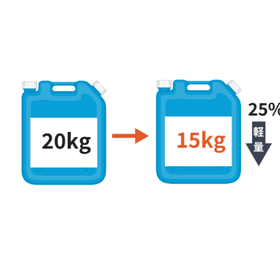
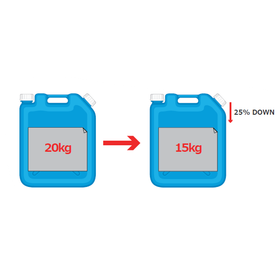
For those struggling with heavy 20kg containers and hazardous liquid splashes! We solve this with a 15kg lightweight design, ensuring safety in chemical handling and reducing the burden.

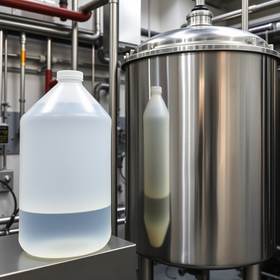
Do you have any concerns regarding the handling of sodium hypochlorite at pool or water treatment facilities? - The conventional 20kg containers are too heavy, making transportation and injection work a heavy burden for specific staff. - When pouring the liquid, there is a "gobble" splash (liquid splatter), raising concerns about skin contact, clothing discoloration, and labor accident risks. - It cannot be used up in one go, leading to anxiety over accidents during storage and handling management. The lightweight sodium hypochlorite (15kg) fundamentally resolves these issues at the work site. ◇ Excellent operability due to 25% weight reduction The weight is reduced to 15kg while maintaining the same specifications as the conventional 20kg container. This minimizes the burden of carrying and allows various workers to handle it smoothly. ◇ Stable design that reduces liquid splatter risk The weight reduction stabilizes the balance during pouring. It suppresses the "gobble" splashing phenomenon and prevents chemical contact accidents. ◇ Optimization of management burden and introduction costs By handling smaller quantities, storage risks are reduced. The introduction cost can also be offered at the same level as the conventional 20kg product. We are currently offering free case studies to improve work safety and eliminate burdens.

Added to bookmarks

Bookmarks list

Bookmark has been removed

Bookmarks list

You can't add any more bookmarks

By registering as a member, you can increase the number of bookmarks you can save and organize them with labels.

Free membership registration

Can sodium hypochlorite, which is difficult to transport, be made lighter? A case study of school pools.

We can handle hazardous substances (sodium hypochlorite) safely!

"Sodium hypochlorite," necessary for maintaining pool water quality. Its handling has increasingly become a burden on the field in recent years. - The conventional 20kg containers are heavy, making it particularly difficult for female staff to carry. - Due to being a liquid, the contents tend to slosh around during transport, posing a danger. - There is a risk of clothing being bleached or discolored if spilled. - It cannot be used up in one go, requiring careful storage. In light of these challenges, we have received inquiries asking, "Can we make it safer and easier to handle?" Please refer to the downloadable materials for more details on our proposal.

Added to bookmarks

Bookmarks list

Bookmark has been removed

Bookmarks list

You can't add any more bookmarks

By registering as a member, you can increase the number of bookmarks you can save and organize them with labels.

Free membership registration

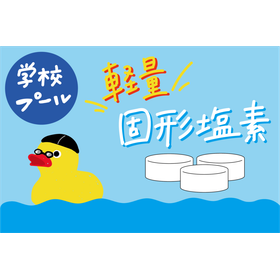
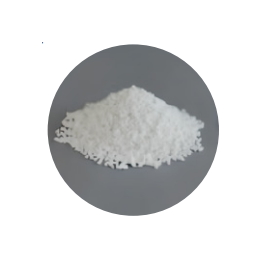
Lightweight solid chlorine | Greatly reduces the burden on school environments [with case studies]

For those troubled by the splashing and odor of liquid chemicals! Introducing solid chlorine agents to solve the problem and achieve a safer formulation.

Do you have any concerns regarding the operation of adding chlorine agents to the pool? - I want a lightweight chemical that any teacher can easily handle. - There have been times when the chemical stained my clothes and caused discoloration. - I am worried about splashing and odors during opening and adding. - There is a risk of leakage and corrosion in the storage area. Solid chlorine agents fundamentally solve the challenges at the work site. ◇ Reduces the workload of teachers and staff ◇ Improves safety and provides peace of mind in terms of hygiene management ◇ Reduces the time and stress involved in pool management ◇ Eliminates concerns about odor leakage and liquid spills during storage We are currently offering free examples of how easy-to-handle and safe solid chlorine can significantly reduce the burden on school environments.

Added to bookmarks

Bookmarks list

Bookmark has been removed

Bookmarks list

You can't add any more bookmarks

By registering as a member, you can increase the number of bookmarks you can save and organize them with labels.

Free membership registration

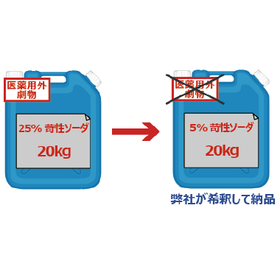
I can't handle pharmaceutical-grade toxic substances! What should I do? Case study.

Can't handle pharmaceutical-grade hazardous substances? Leave it to us!

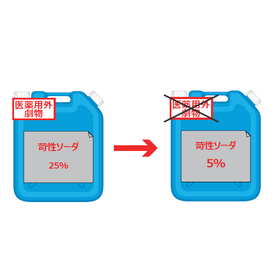
Due to company policy, we cannot handle "non-pharmaceutical toxic substances." Toxic substances are materials other than pharmaceuticals that have strong toxicity and require special care in handling. Chemical substances designated as toxic under the "Poisonous and Deleterious Substances Control Law" are classified as "non-pharmaceutical toxic substances." When using toxic substances, one must be a "business handler," and various precautions must be taken regarding handling methods and responses in case of leaks, which limits the number of employees who can handle them. Our company will deliver toxic substances diluted to a predetermined concentration. Please refer to the downloadable materials for more details on our proposal.

Added to bookmarks

Bookmarks list

Bookmark has been removed

Bookmarks list

You can't add any more bookmarks

By registering as a member, you can increase the number of bookmarks you can save and organize them with labels.

Free membership registration

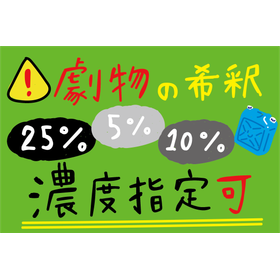
Dilution of hazardous substances | Diluting hazardous substances to the specified concentration for delivery [with examples]

For those struggling with the inability to use hazardous materials! We deliver it diluted, significantly reducing management costs.

Are you facing the issue at your factory where, due to company policy, you cannot handle "non-pharmaceutical toxic substances"? Our company can deliver toxic chemicals diluted to a specified concentration in advance. This allows you to avoid handling toxic substances, significantly reducing management costs. We are currently offering free case studies for those who have concerns such as "I don't know the appropriate concentration for the current toxic substances" or "I'm looking for easier-to-handle chemicals."

Added to bookmarks

Bookmarks list

Bookmark has been removed

Bookmarks list

You can't add any more bookmarks

By registering as a member, you can increase the number of bookmarks you can save and organize them with labels.

Free membership registration

Industrial Chemicals <Volume Change>

Staff with various knowledge and experience provide support! We respond flexibly to meet our customers' requests.

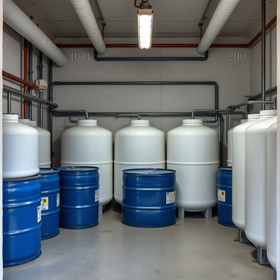
At Torii Corporation, we provide support for various problem-solving related to industrial chemicals. According to a survey by the Ministry of Health, Labour and Welfare, "lower back pain" accounts for 60% of occupational diseases involving four or more days of work stoppage due to labor accidents. The maximum weight that can be handled in the workplace is set at 40% of body weight for men and 60% of the weight handled by men for women. Our company can modify chemicals to specified volumes. This makes it easier for anyone to handle, and it also prevents splashing due to liquid waves. [Features] ■ Chemicals can be modified to specified volumes ■ Assistance with chemical handling tasks ■ Flexible responses to customer requests, including dilution of chemicals, delivery to specified locations, and refilling into designated containers. *For more details, please download the PDF or feel free to contact us.

Added to bookmarks

Bookmarks list

Bookmark has been removed

Bookmarks list

You can't add any more bookmarks

By registering as a member, you can increase the number of bookmarks you can save and organize them with labels.

Free membership registration

Industrial Chemicals <Volume Change, Dilution, and Injection Work>

Solve issues such as being unable to handle hazardous materials due to company policy and the labor-intensive and time-consuming nature of the input work!

We provide support for various problem-solving related to industrial chemicals. We can change to the desired volume and also offer dilution. Additionally, professionals in chemicals will handle the tasks of chemical input and inventory management. Based on our experience conducting surveys of on-site management in numerous factories, we have accumulated know-how from the actual issues that arise on-site to their solutions. Our staff, equipped with specialized knowledge, will assist in resolving the problems faced by our customers. 【For concerns like these】 ■ The poly containers are heavy and make work difficult ■ Due to company policy, we cannot handle toxic substances ■ The input tasks are challenging and time-consuming *For more details, please download the PDF or feel free to contact us.

Added to bookmarks

Bookmarks list

Bookmark has been removed

Bookmarks list

You can't add any more bookmarks

By registering as a member, you can increase the number of bookmarks you can save and organize them with labels.

Free membership registration

The large capacity of the medication poses a risk of spilling! How can we reduce the burden on the site? Case studies.

Leave the lightweighting of pharmaceuticals to us!

The chemicals used in factories are heavy, making work difficult. - The conventional 20kg containers are heavy, especially for female staff, making them hard to carry. - Due to being liquid, when pouring into tanks, the liquid can slosh and pose a danger. - If spilled and it comes into contact with skin, it can lead to work-related accidents. - It cannot be used all at once, requiring careful storage as well. Due to these issues, we received inquiries asking, "Can we make something safer and easier to handle?" Our company can provide lightweight chemicals. For more details on our proposal, please refer to the downloadable materials.

Added to bookmarks

Bookmarks list

Bookmark has been removed

Bookmarks list

You can't add any more bookmarks

By registering as a member, you can increase the number of bookmarks you can save and organize them with labels.

Free membership registration

Chemical Handy Pump

Solution for problem-solving in pharmaceutical input operations! Easy, reliable, safe, compact, and lightweight.

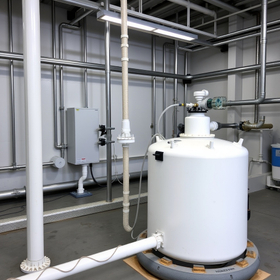
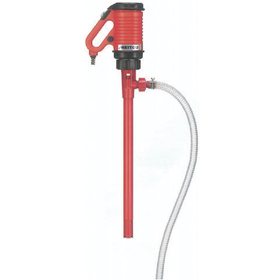
We would like to introduce our recommended "Chemical Handy Pump." This is an electric pump specifically designed for sodium hypochlorite, and we also provide a dedicated wall-mounted adapter. We will handle all installation work. It solves problems such as "liquid spilling and coming into contact with skin or clothing" and "heavy and unstable poly containers." [For concerns like these] ■ Dangerous tasks where liquid spills and comes into contact with skin or clothing ■ Heavy and unstable tasks with poly containers *For more details, please download the PDF or feel free to contact us.

Added to bookmarks

Bookmarks list

Bookmark has been removed

Bookmarks list

You can't add any more bookmarks

By registering as a member, you can increase the number of bookmarks you can save and organize them with labels.

Free membership registration

Products for Schools and Educational Professionals

Introducing a wide range of pool-related chemicals and science experiment materials!

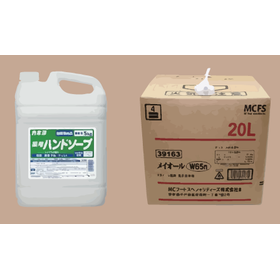
We would like to introduce the products we handle for schools and educational professionals. Our lineup includes "virus infection control products" such as medicated hand soap and low-concentration sodium hypochlorite, as well as "pool-related chemicals" like coagulants, turbidity removers, and pH adjusters. Additionally, we offer scientific experiment materials, including the dye for observing conduits, "Flower Palette," and fresh flowers for dyeing (white carnations from Nishio). 【Product Lineup】 ■ Virus infection control products ■ Pool-related chemicals ■ Scientific experiment materials *For more details, please download the PDF or feel free to contact us.

Added to bookmarks

Bookmarks list

Bookmark has been removed

Bookmarks list

You can't add any more bookmarks

By registering as a member, you can increase the number of bookmarks you can save and organize them with labels.

Free membership registration

Hygiene Management Solutions | Fundamental Removal of Proteins [With Case Studies]

For those troubled by persistent drainage clogs and odors! We propose a specialized agent that powerfully breaks down the causes of dirt.

Do you have concerns like these, where regular detergents just won't do the trick, and cleaning takes a significant amount of time and effort? - Unable to eliminate odors and slime from drains - Want to reduce cleaning time We will investigate the site and propose a specialized agent that powerfully breaks down the causes of dirt, fundamentally solving your issues. ◇ The hassle of scrubbing is greatly reduced, maintaining cleanliness in a short time ◇ Physical labor and long cleaning hours are minimized, alleviating staff work stress ◇ By fundamentally removing the causative substances, we suppress the occurrence of unpleasant odors Based on the components of the dirt, we will propose effective agents. Case studies are available for free.

Added to bookmarks

Bookmarks list

Bookmark has been removed

Bookmarks list

You can't add any more bookmarks

By registering as a member, you can increase the number of bookmarks you can save and organize them with labels.

Free membership registration
Prev 1 Next
  • CADを持っていない他部門や取引先に! 専用アプリ不要! いつでもどこでも3Dデータをサクサク閲覧! iCAD 3D Browser
  • 部品の残数管理、トレーサビリティを効率化! 検証キット(プリンター×周辺機器)無料貸出中 手作業の裁断・記入から脱却!システム改修なしでスマートに
    • Contact this company

      Inquiry Form
    • Before making an inquiry

      Download Profile

    Products

    • Search for Products

    Company

    • Search for Companies

    Special Features

    • Special Features

    Ranking

    • Overall Products Ranking
    • Overall Company Ranking

    support

    • site map
    IPROS
    • privacy policy Regarding external transmission of information
    • terms of service
    • About Us
    • Careers
    • Advertising
    IPROS Services
    • >IPROS GMS | Search site for the manufacturing industry
    • >IPROS | Search site for the B2B industry
    COPYRIGHT © 2001-2026 IPROS CORPORATION ALL RIGHTS RESERVED.
    Please note that the English text on this page is automatically translated and may contain inaccuracies.