iPROS Manufacturing
  • Search for products by classification category

    • Electronic Components and Modules
      Electronic Components and Modules
      61676items
    • Machinery Parts
      Machinery Parts
      75932items
    • Manufacturing and processing machinery
      Manufacturing and processing machinery
      102034items
    • Scientific and Physics Equipment
      Scientific and Physics Equipment
      36331items
    • Materials
      Materials
      37776items
    • Measurement and Analysis
      Measurement and Analysis
      55161items
    • Image Processing
      Image Processing
      15377items
    • Control and Electrical Equipment
      Control and Electrical Equipment
      54564items
    • Tools, consumables, and supplies
      Tools, consumables, and supplies
      65605items
    • Design and production support
      Design and production support
      12663items
    • IT/Network
      IT/Network
      45652items
    • Office
      Office
      14181items
    • Business support services
      Business support services
      25412items
    • Seminars and Skill Development
      Seminars and Skill Development
      6559items
    • Pharmaceutical and food related
      Pharmaceutical and food related
      34177items
    • others
      75348items
  • Search for companies by industry

    • Manufacturing and processing contract
      7338
    • others
      4986
    • Industrial Machinery
      4445
    • Machine elements and parts
      3330
    • Other manufacturing
      2883
    • Trading company/Wholesale
      2650
    • IT/Telecommunications
      2571
    • Industrial Electrical Equipment
      2319
    • Building materials, supplies and fixtures
      1816
    • software
      1666
    • Electronic Components and Semiconductors
      1587
    • Resin/Plastic
      1500
    • Service Industry
      1478
    • Testing, Analysis and Measurement
      1130
    • Ferrous/Non-ferrous metals
      986
    • environment
      699
    • Chemical
      640
    • Automobiles and Transportation Equipment
      581
    • Printing Industry
      513
    • Information and Communications
      465
    • Consumer Electronics
      412
    • Energy
      333
    • Rubber products
      317
    • Food Machinery
      308
    • Optical Instruments
      279
    • robot
      273
    • fiber
      254
    • Paper and pulp
      230
    • Pharmaceuticals and Biotechnology
      173
    • Electricity, Gas and Water Industry
      167
    • Warehousing and transport related industries
      149
    • Glass and clay products
      139
    • Food and Beverage
      130
    • CAD/CAM
      124
    • retail
      108
    • Medical Devices
      107
    • Educational and Research Institutions
      107
    • Ceramics
      98
    • wood
      87
    • Transportation
      84
    • Petroleum and coal products
      63
    • Medical and Welfare
      62
    • Shipbuilding and heavy machinery
      51
    • Aviation & Aerospace
      48
    • Fisheries, Agriculture and Forestry
      41
    • equipment
      40
    • Materials
      33
    • Public interest/special/independent administrative agency
      31
    • Research and development equipment and devices
      29
    • Government
      24
    • self-employed
      24
    • Mining
      17
    • cosmetics
      15
    • Finance, securities and insurance
      14
    • Restaurants and accommodations
      10
    • Individual
      10
    • Police, Fire Department, Self-Defense Forces
      7
    • Laboratory Equipment and Consumables
      5
    • Raw materials for reagents and chemicals
      4
    • Contracted research
      3
  • Special Features
  • Ranking

    • Overall Products Ranking
    • Overall Company Ranking
Search for Products
  • Search for products by classification category

  • Electronic Components and Modules
  • Machinery Parts
  • Manufacturing and processing machinery
  • Scientific and Physics Equipment
  • Materials
  • Measurement and Analysis
  • Image Processing
  • Control and Electrical Equipment
  • Tools, consumables, and supplies
  • Design and production support
  • IT/Network
  • Office
  • Business support services
  • Seminars and Skill Development
  • Pharmaceutical and food related
  • others
Search for Companies
  • Search for companies by industry

  • Manufacturing and processing contract
  • others
  • Industrial Machinery
  • Machine elements and parts
  • Other manufacturing
  • Trading company/Wholesale
  • IT/Telecommunications
  • Industrial Electrical Equipment
  • Building materials, supplies and fixtures
  • software
  • Electronic Components and Semiconductors
  • Resin/Plastic
  • Service Industry
  • Testing, Analysis and Measurement
  • Ferrous/Non-ferrous metals
  • environment
  • Chemical
  • Automobiles and Transportation Equipment
  • Printing Industry
  • Information and Communications
  • Consumer Electronics
  • Energy
  • Rubber products
  • Food Machinery
  • Optical Instruments
  • robot
  • fiber
  • Paper and pulp
  • Pharmaceuticals and Biotechnology
  • Electricity, Gas and Water Industry
  • Warehousing and transport related industries
  • Glass and clay products
  • Food and Beverage
  • CAD/CAM
  • retail
  • Medical Devices
  • Educational and Research Institutions
  • Ceramics
  • wood
  • Transportation
  • Petroleum and coal products
  • Medical and Welfare
  • Shipbuilding and heavy machinery
  • Aviation & Aerospace
  • Fisheries, Agriculture and Forestry
  • equipment
  • Materials
  • Public interest/special/independent administrative agency
  • Research and development equipment and devices
  • Government
  • self-employed
  • Mining
  • cosmetics
  • Finance, securities and insurance
  • Restaurants and accommodations
  • Individual
  • Police, Fire Department, Self-Defense Forces
  • Laboratory Equipment and Consumables
  • Raw materials for reagents and chemicals
  • Contracted research
Special Features
Ranking
  • Overall Products Ranking
  • Overall Company Ranking
  • privacy policy
  • terms of service
  • About Us
  • Careers
  • Advertising
  1. Home
  2. environment
  3. トリイ
  4. Product/Service List
environment
  • Added to bookmarks

    Bookmarks list

    Bookmark has been removed

    Bookmarks list

    You can't add any more bookmarks

    By registering as a member, you can increase the number of bookmarks you can save and organize them with labels.

    Free membership registration

トリイ

addressAichi/Nishio-shi/36 Emukae, Ajihama, Isshikimachi
phone0563-72-8220
  • Special site
  • Official site
last updated:Sep 04, 2026
トリイlogo
  • Contact this company

    Inquiry Form
  • Before making an inquiry

    Download Profile
  • Company information
  • Products/Services(213)
  • catalog(61)
  • news(0)

トリイ Product Lineup

  • category

1~9 item / All 9 items

Displayed results

Filter by category

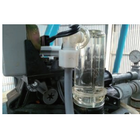
凝集剤・フロックの基礎知識 凝集剤・フロックの基礎知識
食品・薬品の基礎知識 食品・薬品の基礎知識
食品表示・添加物の基礎知識 食品表示・添加物の基礎知識
甘味料・うま味の基礎知識 甘味料・うま味の基礎知識
設備部品の基礎知識 設備部品の基礎知識
水道水・井戸水・水質基準 水道水・井戸水・水質基準
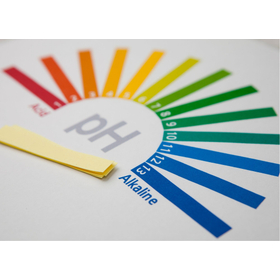
水質測定(pH・電気伝導率) 水質測定(pH・電気伝導率)
純水・超純水・工業用水 純水・超純水・工業用水
軟水・硬水の基礎知識 軟水・硬水の基礎知識
純水器・軟水器の提案 純水器・軟水器の提案
排水処理の基礎知識 排水処理の基礎知識
排水処理場の点検・保全サービス 排水処理場の点検・保全サービス
排水処理のトラブル事例 排水処理のトラブル事例
冷却塔の基礎知識とメンテナンス 冷却塔の基礎知識とメンテナンス
ボイラーの構造・運転・法規制 ボイラーの構造・運転・法規制
ボイラーの整備・点検・メンテナンス ボイラーの整備・点検・メンテナンス
ボイラーの更新・省エネ・コスト削減 ボイラーの更新・省エネ・コスト削減
ボイラーの薬品・スケール対策 ボイラーの薬品・スケール対策
凝集剤・フロックの基礎知識

凝集剤・フロックの基礎知識

無機凝集剤・高分子凝集剤の種類や違い、フロックの仕組みや不良の原因など、水処理薬品の基本をまとめました。
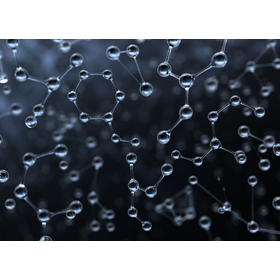
What are the roles of coagulants and flocculants? 【Basic Knowledge】

Do negative particles gather with positive force? What is the mechanism of coagulants and aggregants?

■ What is a coagulant? A coagulant is a cationic polymer with a relatively low molecular weight. In water, negatively charged colloidal particles float while repelling each other, but the positive action of the coagulant cancels out this repulsive force, allowing intermolecular forces (Van der Waals forces) to create small aggregates (microflocs). ■ What does a flocculant do? A flocculant is a chemical used to aggregate substances dispersed in water. The colloidal particles contained in raw water can be removed more easily by using filtration or sedimentation, as the small flocs created by the coagulant are further gathered by the flocculant into larger sizes. ■ How do the two chemicals work together? The coagulant neutralizes the charges of the repelling colloidal particles to form small flocs, while the flocculant, which is a chain-like polymer, entangles these flocs together, allowing them to grow into larger clumps. The negative charges are neutralized by the positive forces, and they are connected like strings to increase in size. Please feel free to consult us first.

Added to bookmarks

Bookmarks list

Bookmark has been removed

Bookmarks list

You can't add any more bookmarks

By registering as a member, you can increase the number of bookmarks you can save and organize them with labels.

Free membership registration

What is the difference between inorganic coagulants and polymer coagulants? 【Basic Knowledge】

Which one is used to make floc? The difference in roles between inorganic coagulants and polymer coagulants.

■What are inorganic coagulants? Inorganic coagulants are coagulants that do not contain carbon, used to neutralize the surface charge of fine impurities in water and to form flocs (clumps of impurities). They are broadly classified into aluminum-based and iron-based, with polyaluminum chloride (PAC) and ferric chloride being well-known examples. ■What is different about polymer coagulants? Unlike inorganic coagulants, polymer coagulants do not form new flocs; instead, chain-like polymers are added to entangle and bridge the existing flocs, promoting their aggregation. They are also referred to as "coagulation aids" because they support the function of inorganic coagulants. ■Why use a combination of the two types? In wastewater treatment, it is common to first create fine flocs using inorganic coagulants and then to aggregate them using polymer coagulants in a two-step process. The settling velocity of flocs increases proportionally to the square of their particle size, making sedimentation separation easier as they become larger. Please feel free to consult us.

Added to bookmarks

Bookmarks list

Bookmark has been removed

Bookmarks list

You can't add any more bookmarks

By registering as a member, you can increase the number of bookmarks you can save and organize them with labels.

Free membership registration

What is a polymer flocculant? 【Basic Knowledge】

Why are inorganic coagulants not enough? An explanation of the mechanism for creating coarse flocs with "glue."

■What does a polymer coagulant do? A polymer coagulant is a chemical that causes "secondary aggregation." It adheres fine flocs created by adding inorganic coagulants like PAC together using a "glue" effect, forming larger "coarse flocs." Coarse flocs settle quickly in water, allowing for rapid separation of impurities and water, making them essential for wastewater treatment. ■Why are inorganic coagulants alone insufficient? The fine flocs produced by inorganic coagulants (primary aggregation) are still light and difficult to settle. The long chain-like molecules of polymer coagulants connect multiple fine particles and flocs, allowing them to grow into larger, heavier flocs. ■What types of polymer coagulants are there? Polymer coagulants, also known as polymers, are classified into three categories based on their ionic nature: anionic (negative), cationic (positive), and nonionic (no charge). Generally, cationic types tend to be suitable for organic sludge, anionic types for inorganic sludge, and nonionic types are used across a wide range of water qualities. ■Which polymer coagulant should I choose? The appropriate type varies depending on the characteristics of the raw water, pH, and the combination with inorganic coagulants. Please feel free to consult us first.

Added to bookmarks

Bookmarks list

Bookmark has been removed

Bookmarks list

You can't add any more bookmarks

By registering as a member, you can increase the number of bookmarks you can save and organize them with labels.

Free membership registration

What are the types of polymer flocculants? 【Basic Knowledge】

What are the polymer coagulants suitable for wastewater that are anionic, nonionic, cationic, and amphoteric?

■What are the characteristics of anionic polymer coagulants? They have a large molecular weight of 10 million to 20 million and exhibit excellent coagulation effects with a small amount of usage. However, due to significant changes in effectiveness with pH, they are used in neutral to alkaline industrial wastewater. It is common practice to first neutralize the negatively charged suspended solids in wastewater with positively charged inorganic coagulants before treating them with anionic polymer coagulants. ■What are the characteristics of nonionic polymer coagulants? Although their molecular weight is slightly smaller than that of anionic coagulants, they are characterized by their ability to maintain effectiveness even in acidic conditions. Therefore, they are used for the purification of acidic to neutral industrial wastewater. ■What are the characteristics of cationic polymer coagulants? They are primarily used to promote the dewatering of sludge generated from urban sewage or industrial wastewater. By neutralizing the suspended solids in negatively charged sludge, they create aggregates that drain well, allowing for efficient dewatering of the sludge. ■What are amphoteric polymer coagulants? These are types that possess both positive and negative charges within the molecule. For sludge that contains a high amount of organic matter, where cationic coagulants alone do not provide sufficient dewatering effects, the combined use of inorganic coagulants and amphoteric polymer coagulants can enhance effectiveness. Please feel free to consult us first.

Added to bookmarks

Bookmarks list

Bookmark has been removed

Bookmarks list

You can't add any more bookmarks

By registering as a member, you can increase the number of bookmarks you can save and organize them with labels.

Free membership registration

What are the causes of poor coagulation? 【Basic Knowledge】

Why can't flocculation occur? An explanation of the causes of poor aggregation and the effective pH range.

■ Why does poor coagulation occur? The causes of poor coagulation at water treatment plants can include insufficient injection of coagulants, inappropriate pH and alkalinity levels, equipment malfunctions, clogged pipes, and a sudden increase in coagulation inhibitors, among various other factors. Alkalinity is a different indicator from pH and indicates the ability of water to neutralize acids. ■ Why is pH important? The amount of coagulant added varies depending on the type, concentration, and pH of the raw water. If the pH is too high or too low, sufficient effectiveness cannot be achieved, so each coagulant has an "effective pH range" in which it performs optimally. pH adjustment is a crucial operation for effective coagulation and sedimentation. ■ What happens when poor coagulation occurs? If flocs are not formed properly, sedimentation will not proceed effectively, leading to an increase in the turbidity of treated water, which affects the efficiency of subsequent treatment processes. ■ How can poor coagulation be prevented? It is important to conduct regular inspections of dosing equipment, maintain piping, and thoroughly manage the pH and alkalinity of the raw water. It is also effective to confirm the optimal dosing amount and pH in advance through jar tests. Please feel free to consult us first.

Added to bookmarks

Bookmarks list

Bookmark has been removed

Bookmarks list

You can't add any more bookmarks

By registering as a member, you can increase the number of bookmarks you can save and organize them with labels.

Free membership registration

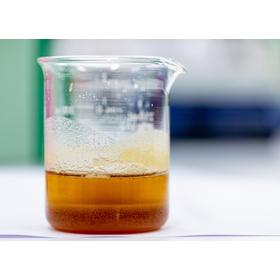
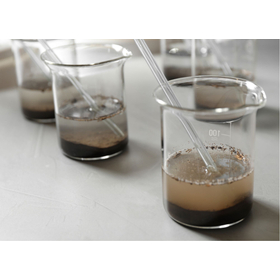
Where is flock born? 【Basic Knowledge】

What can be understood about the appearance of flocs from the aggregation test? An explanation of the generation process at water treatment plants.

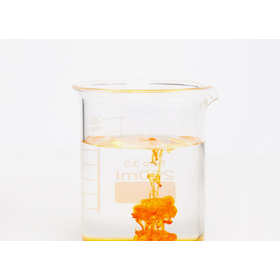
■Where do flocs originate? Flocs are formed as clumps of sediment collected by coagulants within a series of equipment that includes the "coagulant injection system," "chemical mixing tank," "floc formation tank," and "sedimentation tank" at a water treatment facility. ■Does floc have another face? The term floc can also refer to a collection of cotton-like microorganisms contained in activated sludge (one of the methods for water purification). The activated sludge process is a treatment method that breaks down organic matter in wastewater using the power of microorganisms, which proliferate and form clumps (flocs) that are separated from the treated water through sedimentation. ■What does a coagulation test involve? In actual practice, a "coagulation test" is conducted by stirring and allowing to stand in multiple beakers while varying the dosage of chemicals and pH conditions, in order to find the conditions under which the turbidity of the supernatant liquid is lowest. The formation of large, easily settling flocs and the clarity of the supernatant liquid are indicators of a good condition. Please feel free to consult us first.

Added to bookmarks

Bookmarks list

Bookmark has been removed

Bookmarks list

You can't add any more bookmarks

By registering as a member, you can increase the number of bookmarks you can save and organize them with labels.

Free membership registration

What are iron-based coagulants and quicklime? [Basic Knowledge]

Explanation of the characteristics and differentiation of ferrous chloride, polysilicic acid iron, and hydrated lime.

■What is ferric chloride? It is an inorganic coagulant used in the electronics industry for processes such as etching. It is a strongly acidic and corrosive chemical with a basicity of 0, which causes the pH to drop rapidly when added to water, making neutralization with an alkaline agent essential. While it is effective for deodorization and decolorization, a drawback is that it can easily corrode pipes and equipment. ■What is polysilicic acid iron? Polysilicic acid iron, also known as polyferric, has a basicity of about 10-20% and is less corrosive compared to ferric chloride, leading to its increasing use as an inorganic coagulant. ■What is quicklime? Quicklime (calcium hydroxide) is well-known as an inorganic coagulant other than iron and aluminum-based ones. Unlike other inorganic coagulants that exhibit acidity, quicklime shows strong alkalinity. ■How can it coagulate despite being alkaline? Many coagulants are acidic and coagulate by neutralizing negatively charged debris in water with positive ions. Quicklime also produces calcium ions with a positive charge when dissolved in water, allowing it to exhibit coagulation effects despite being alkaline. It is often used as a neutralizing agent. These inorganic coagulants are selected based on the desired effects and the corrosion resistance of the equipment. Please feel free to consult us first.

Added to bookmarks

Bookmarks list

Bookmark has been removed

Bookmarks list

You can't add any more bookmarks

By registering as a member, you can increase the number of bookmarks you can save and organize them with labels.

Free membership registration

What are the types of inorganic coagulants? 【Basic Knowledge】

What is the difference between PAC and aluminum sulfate? An explanation of how to choose based on "basicity."

■What is the "basicity" of inorganic coagulants? Many inorganic coagulants are acidic chemicals, which lower the pH when added to water. The measure of how resistant the pH is to lowering is referred to as "basicity." It is determined by the ratio of hydroxyl groups (OH) to aluminum contained in the coagulant; coagulants with lower basicity tend to lower the pH more easily, while those with higher basicity are less likely to do so. ■What is polyaluminum chloride (PAC)? PAC is a representative inorganic coagulant used in drinking water, with a basicity of 50%. Compared to other inorganic coagulants, it is characterized by being less likely to lower the pH, resulting in less need for pH adjustment after addition. ■What is aluminum sulfate? Aluminum sulfate (alum) is another representative inorganic coagulant alongside PAC. It has a basicity of 0%, making it more likely to lower the pH than PAC. It is effective in removing suspended solids (SS) and is used in general wastewater treatment. The flocs produced are small and light. ■Which one should you choose? If you want to minimize pH adjustment, choose PAC; if you prioritize the removal of suspended solids, consider aluminum sulfate. You can select based on your objectives, water quality, and cost. Please feel free to consult with us first.

Added to bookmarks

Bookmarks list

Bookmark has been removed

Bookmarks list

You can't add any more bookmarks

By registering as a member, you can increase the number of bookmarks you can save and organize them with labels.

Free membership registration

What is flock? 【Basic knowledge】

Why doesn't garbage stick together in water? An explanation of how flocculation works with coagulants.

■What is floc? Floc refers to a mass of particles formed by the precipitation of chemicals added as coagulants in water treatment. This floc exhibits coagulation reactions against suspended solids, organic matter, bacteria, and coloring components in the water, resulting in purification effects. ■Why do they stick together when coagulants are added? Debris in water typically has a negatively charged surface, which causes it to repel each other and makes it difficult to stick together. By adding coagulants, this repulsion is neutralized, allowing the debris to clump together into larger masses, making them heavier and easier to settle. ■What happens to the floc afterward? The large floc that has grown is separated through sedimentation in a settling tank, as well as removed from the water through flotation separation and filtration. Coagulants include inorganic coagulants that neutralize charges and gather fine particles, and polymer coagulants that further bridge and grow these into larger floc, which are used in stages. ■How is coagulation treatment utilized? Coagulation treatment is a fundamental technology widely used in various water treatment settings, such as wastewater treatment and drinking water treatment. It is important to adjust the type and amount of coagulant based on the type and concentration of contaminants. Please feel free to consult with us first.

Added to bookmarks

Bookmarks list

Bookmark has been removed

Bookmarks list

You can't add any more bookmarks

By registering as a member, you can increase the number of bookmarks you can save and organize them with labels.

Free membership registration
Prev 1 Next
  • 技術・製品展示会 新技術創出交流会2026 入場無料 来場登録受付中 開催日時10月22日木・23日金 会場東京たま未来メッセ
  • 金属・化学・窯業・食品・医薬品などのほぐし・解砕・ふるい分けがこれ一台 解砕機構付き佐藤式振動ふるい機 つばさ デモ実施中!
    • Contact this company

      Inquiry Form
    • Before making an inquiry

      Download Profile

    Products

    • Search for Products

    Company

    • Search for Companies

    Special Features

    • Special Features

    Ranking

    • Overall Products Ranking
    • Overall Company Ranking

    support

    • site map
    IPROS
    • privacy policy Regarding external transmission of information
    • terms of service
    • About Us
    • Careers
    • Advertising
    IPROS Services
    • >IPROS GMS | Search site for the manufacturing industry
    • >IPROS | Search site for the B2B industry
    COPYRIGHT © 2001-2026 IPROS CORPORATION ALL RIGHTS RESERVED.
    Please note that the English text on this page is automatically translated and may contain inaccuracies.