1441~1485 item / All 1771 items
Displayed results
Filter by category

Added to bookmarks
Bookmarks listBookmark has been removed
Bookmarks listYou can't add any more bookmarks
By registering as a member, you can increase the number of bookmarks you can save and organize them with labels.
Free membership registration
Contact this company
Inquiry FormBefore making an inquiry
Download Profile1441~1485 item / All 1771 items
Filter by category

In the lens polishing sector of the optical equipment industry, advanced expertise and skilled techniques significantly influence product quality. In particular, the tacit knowledge accumulated over many years by veteran technicians—such as experience, intuition, tips, and judgment criteria—is essential for passing on to the next generation. However, these know-how are often difficult to articulate and tend to become personalized. Our support for the transmission of technology and skills involves careful interviews and work analysis with experienced individuals, making tacit knowledge visible and systematic by clarifying "why certain judgments are made." This leads to the development of young talent, the inheritance of skills, the reduction of personalization, and the mitigation of risks associated with technology loss due to retirements. 【Application Scenarios】 - Investigating the causes of defects in lens polishing - Standardizing the skills of analysis personnel - Promoting learning from past defect cases - Providing practical guidance for young talent development 【Effects of Implementation】 - Reduction in defect analysis time - Improvement and standardization of analysis accuracy - Sharing of previously personalized know-how - Enhancement of overall organizational technical capabilities
Added to bookmarks
Bookmarks listBookmark has been removed
Bookmarks listYou can't add any more bookmarks
By registering as a member, you can increase the number of bookmarks you can save and organize them with labels.
Free membership registration
In the robotics industry and programming field, advanced expertise and skilled techniques significantly influence the quality of product development. In particular, the tacit knowledge gained from the years of experience, intuition, tips, and judgment criteria of veteran engineers is essential for passing on to the next generation. However, these know-how are often difficult to articulate and tend to become personalized. Our support for the transmission of technology and skills aims to visualize and systematize tacit knowledge by thoroughly interviewing skilled workers and analyzing their work, making clear "why those judgments are made." This leads to the development of young talent, the inheritance of skills, the elimination of personalization, and the reduction of risks associated with technology leakage due to retirement. 【Usage Scenarios】 - Clarifying the basis for design decisions in robot development - Standardizing the skills of programming personnel - Promoting learning from past design and development cases - Providing practical guidance for the development of young talent 【Effects of Implementation】 - Reduction in development and design time - Improvement and standardization of design accuracy - Sharing of previously personalized know-how - Enhancement of technical capabilities across the organization
Added to bookmarks
Bookmarks listBookmark has been removed
Bookmarks listYou can't add any more bookmarks
By registering as a member, you can increase the number of bookmarks you can save and organize them with labels.
Free membership registration
In the pharmaceutical industry's manufacturing process, advanced expertise and skilled techniques are essential to ensure product quality and safety. In particular, the tacit knowledge gained from the experience, intuition, tips, and judgment criteria of veteran technicians is crucial for passing on to the next generation. However, these know-how are often difficult to articulate and tend to become personalized. Our support for the transmission of technology and skills involves careful interviews and work analysis with experienced individuals to concretely visualize and systematize tacit knowledge, including "why that judgment is made." This leads to the development of young talent, the inheritance of skills, the elimination of personalization, and the reduction of risks associated with technology loss due to retirement. 【Usage Scenarios】 - Thorough quality control in the manufacturing process - Standardization of skills among personnel - Promotion of learning from past cases - Practical guidance in the development of young talent 【Effects of Implementation】 - Stabilization of the manufacturing process - Improvement and standardization of quality control accuracy - Sharing of previously personalized know-how - Enhancement of technical capabilities across the organization
Added to bookmarks
Bookmarks listBookmark has been removed
Bookmarks listYou can't add any more bookmarks
By registering as a member, you can increase the number of bookmarks you can save and organize them with labels.
Free membership registration
In the operation of chemical plants, judgments based on advanced expertise and years of experience are essential for safe and efficient operations. In particular, the tacit knowledge accumulated by veteran operators, including their experiences, intuition, techniques, and criteria for judgment, is crucial for passing on to the next generation. However, these know-how are often difficult to articulate and tend to become personalized. Our support for the transmission of technology and skills aims to visualize and systematize tacit knowledge through careful interviews and work analysis with skilled operators, clarifying "why those judgments are made." This leads to the development of young operators, the inheritance of skills, the reduction of personalization, and the mitigation of risks associated with the outflow of technology due to retirements. [Usage Scenarios] - Investigating causes and making decisions during abnormal occurrences - Standardizing operator skills - Promoting learning from past operational cases - Providing practical guidance in the training of young operators [Effects of Implementation] - Reduction in decision-making time during operations - Improvement and standardization of operational accuracy - Sharing of previously personalized know-how - Overall enhancement of operational technical skills within the organization
Added to bookmarks
Bookmarks listBookmark has been removed
Bookmarks listYou can't add any more bookmarks
By registering as a member, you can increase the number of bookmarks you can save and organize them with labels.
Free membership registration
In the sterilization management of the medical device industry, advanced expertise and skilled techniques significantly influence product quality and safety. In particular, the tacit knowledge gained from the long-term experience, intuition, tips, and judgment criteria of veteran personnel is essential for passing on to the next generation. However, these know-how are often difficult to articulate and tend to become personalized. Our support for the transmission of technology and skills aims to visualize and systematize this tacit knowledge, making it specific to "why that judgment is made" through careful interviews and work analysis with experienced individuals. This leads to the development of younger staff, the transfer of skills, the elimination of personalization, and the reduction of risks associated with technology loss due to retirement. 【Application Scenarios】 - Clarification of judgment criteria in sterilization management - Standardization of personnel skills - Promotion of learning from past cases - Practical guidance in the development of younger staff 【Effects of Implementation】 - Reduction of judgment and work time - Improvement and standardization of judgment and work accuracy - Sharing of previously personalized know-how - Overall enhancement of organizational technical capabilities
Added to bookmarks
Bookmarks listBookmark has been removed
Bookmarks listYou can't add any more bookmarks
By registering as a member, you can increase the number of bookmarks you can save and organize them with labels.
Free membership registration
In the inspection and evaluation field of the aerospace industry, advanced expertise and skilled techniques significantly influence product quality. In particular, the tacit knowledge gained from years of experience, intuition, tips, and judgment criteria by veteran engineers is essential for passing on to the next generation. However, these know-how are often difficult to articulate and tend to become personalized. Our support for the transmission of technology and skills involves thorough interviews and work analysis with experienced personnel to concretely visualize and systematize tacit knowledge, including "why that judgment is made." This leads to the development of young talent, the inheritance of skills, the elimination of personalization, and the reduction of risks associated with technology loss due to retirement. 【Usage Scenarios】 - Investigating the causes of defects in inspection and evaluation - Standardizing the skills of analysis personnel - Promoting learning from past defect cases - Providing practical guidance for the development of young talent 【Effects of Implementation】 - Reduction in defect analysis time - Improvement and standardization of analysis accuracy - Sharing of previously personalized know-how - Enhancement of technical capabilities across the organization
Added to bookmarks
Bookmarks listBookmark has been removed
Bookmarks listYou can't add any more bookmarks
By registering as a member, you can increase the number of bookmarks you can save and organize them with labels.
Free membership registration
In the automotive parts industry, advanced expertise and skilled techniques are essential to maintain product quality. In particular, the tacit knowledge of veteran engineers, which includes years of accumulated experience, intuition, tips, and judgment criteria, is crucial for passing on to the next generation. However, these know-how are often difficult to articulate and tend to become personalized. Our support for the transmission of technology and skills aims to visualize and systematize this tacit knowledge by thoroughly interviewing skilled workers and analyzing their work, making clear "why they make those judgments." This leads to the development of young talent, the transfer of skills, the reduction of personalization, and the mitigation of risks associated with the loss of technology due to retirement. 【Usage Scenarios】 - Investigating the causes of defects in parts manufacturing - Standardizing the skills of analysis personnel - Promoting learning from past defect cases - Providing practical guidance for the development of young talent 【Effects of Implementation】 - Reduction in defect analysis time - Improvement and standardization of analysis accuracy - Sharing of previously personalized know-how - Overall enhancement of organizational technical capabilities
Added to bookmarks
Bookmarks listBookmark has been removed
Bookmarks listYou can't add any more bookmarks
By registering as a member, you can increase the number of bookmarks you can save and organize them with labels.
Free membership registration
In the assembly and adjustment field of the precision machinery industry, advanced specialized knowledge and skilled techniques significantly influence product quality. In particular, the tacit knowledge accumulated over many years by veteran technicians—such as experience, intuition, tips, and judgment criteria—is essential for passing on to the next generation. However, these know-how are often difficult to articulate and prone to becoming personalized. Our support for the transmission of technology and skills involves careful interviews and work analysis with skilled workers to concretely visualize and systematize tacit knowledge, including "why that judgment is made." This leads to the development of young talent, the inheritance of skills, the elimination of personalization, and the reduction of risks associated with technical loss due to retirement. 【Usage Scenarios】 - Investigating the causes of defects in assembly and adjustment - Standardizing the skills of personnel - Promoting learning from past defect cases - Providing practical guidance for young talent development 【Effects of Implementation】 - Reduction in defect analysis time - Improvement and standardization of analysis accuracy - Sharing of previously personalized know-how - Enhancement of technical capabilities across the organization
Added to bookmarks
Bookmarks listBookmark has been removed
Bookmarks listYou can't add any more bookmarks
By registering as a member, you can increase the number of bookmarks you can save and organize them with labels.
Free membership registration
In the maintenance and inspection of semiconductor manufacturing equipment, advanced expertise and skilled techniques significantly influence product quality and operational efficiency. In particular, the tacit knowledge gained from years of experience, intuition, tips, and judgment criteria by veteran technicians is essential for passing on to the next generation. However, these know-how are often difficult to articulate and tend to become personalized. Our support for the transmission of technology and skills aims to visualize and systematize this tacit knowledge through careful interviews and work analysis with skilled workers, making it clear "why certain judgments are made." This leads to the development of young talent, the inheritance of skills, the elimination of personalization, and the reduction of risks associated with technology loss due to retirement. 【Usage Scenarios】 - Investigating the causes of abnormalities during maintenance inspections - Standardizing the skills of personnel - Promoting learning from past cases - Providing practical guidance for the development of young talent 【Benefits of Implementation】 - Reduction of maintenance inspection time - Improvement and standardization of inspection accuracy - Sharing of previously personalized know-how - Overall enhancement of organizational technical capabilities
Added to bookmarks
Bookmarks listBookmark has been removed
Bookmarks listYou can't add any more bookmarks
By registering as a member, you can increase the number of bookmarks you can save and organize them with labels.
Free membership registration
In the firing process of the ceramics industry, precise temperature management and the setting of firing conditions based on the experience, intuition, and techniques of skilled workers are required to stabilize product quality and suppress defects. In particular, fine-tuning according to the characteristics of raw materials and individual differences in kilns often relies on tacit knowledge developed over many years of experience, which tends to lead to issues of personalization and technology transfer. Inappropriate firing conditions can result in defects such as cracking, deformation, and color unevenness, leading to decreased production efficiency and increased costs. Our technology and skill transfer support services contribute to solving these challenges by visualizing and systematizing the tacit knowledge of skilled workers. 【Usage Scenarios】 - Investigating the causes of firing defects - Standardizing the skills of firing personnel - Promoting learning from past defect cases - Providing practical guidance in the training of younger employees 【Benefits of Implementation】 - Reduced time for analyzing firing defects - Improved and standardized firing accuracy - Sharing of previously personalized know-how - Enhanced firing technical capabilities across the organization
Added to bookmarks
Bookmarks listBookmark has been removed
Bookmarks listYou can't add any more bookmarks
By registering as a member, you can increase the number of bookmarks you can save and organize them with labels.
Free membership registration
In the paper industry, particularly in the papermaking process, the inheritance of tacit knowledge, such as the subtle adjustments and judgment criteria for troubleshooting based on the characteristics of paper held by veteran technicians with many years of experience, is an important challenge. If this know-how is not shared, it can lead to risks of technological leakage due to retirements and delays in the development of younger employees. Our service supports the creation of a system that ensures the reliable inheritance of this tacit knowledge by delving into "why those judgments are made" through careful interviews and work analysis with skilled workers. This contributes to the development of young employees in the papermaking process, the inheritance of skills, the elimination of dependency on individuals, and measures against technological leakage. 【Usage Scenarios】 - Investigating the causes of defects in the papermaking process - Standardizing the skills of papermaking personnel - Promoting learning from past defect cases - Providing practical guidance in the development of young papermaking personnel 【Effects of Implementation】 - Reducing the time for defect analysis in the papermaking process - Improving and standardizing analysis accuracy - Sharing previously individualized papermaking know-how - Enhancing the overall papermaking technical capabilities of the organization
Added to bookmarks
Bookmarks listBookmark has been removed
Bookmarks listYou can't add any more bookmarks
By registering as a member, you can increase the number of bookmarks you can save and organize them with labels.
Free membership registration
In the printing and plate-making industry, the advanced skills and judgment criteria possessed by experienced professionals significantly impact product quality and production efficiency. In particular, the subtle color adjustments and responses to materials in the plate-making process, which are difficult to articulate, pose a challenge for passing on tacit knowledge to the next generation. If this know-how becomes personalized, the retirement or transfer of skilled workers can lead to a loss of expertise, resulting in variations in quality and decreased productivity. Our service supports effective skill transfer and the reduction of personalization in printing and plate-making by visualizing and systematizing this tacit knowledge. 【Usage Scenarios】 - Standardization of color adjustment know-how in the plate-making process - Transfer of techniques for handling special inks and materials - Clarification of judgment criteria for skilled workers - Early development of young operators 【Effects of Implementation】 - Stabilization and improvement of plate-making quality - Reduction of training periods for new operators - Sharing of previously personalized plate-making know-how - Overall improvement of organizational plate-making technical capabilities
Added to bookmarks
Bookmarks listBookmark has been removed
Bookmarks listYou can't add any more bookmarks
By registering as a member, you can increase the number of bookmarks you can save and organize them with labels.
Free membership registration
In the textile industry, particularly in the field of dyeing, the subtle senses and judgment criteria of skilled artisans with many years of experience can be crucial factors that influence product quality. This valuable know-how is often difficult to articulate and poses challenges for passing it on to the next generation. By conducting thorough interviews and work analyses with seasoned professionals, we can delve into the reasons behind their judgments and systematize and standardize their techniques and skills. This approach can lead to the development of young talent, the transfer of skills, the reduction of dependency on individuals, and measures to prevent the loss of technology due to retirements. Our services provide concrete solutions to these challenges. 【Application Scenarios】 - Clarification of judgment criteria regarding dye colors and textures - Investigation of causes when defects occur and formulation of recurrence prevention measures - Standardization of skills among analysis personnel - Promotion of learning from past defect cases - Practical guidance in the development of young talent 【Effects of Implementation】 - Reduction in defect analysis time - Improvement and standardization of analysis accuracy - Sharing of previously individualized know-how - Overall enhancement of organizational technical capabilities
Added to bookmarks
Bookmarks listBookmark has been removed
Bookmarks listYou can't add any more bookmarks
By registering as a member, you can increase the number of bookmarks you can save and organize them with labels.
Free membership registration
In the machinery industry, particularly in the polishing process, the tacit knowledge possessed by skilled workers—such as their experience, intuition, techniques, and judgment criteria—significantly impacts product quality and productivity. When this know-how is dependent on specific individuals, the risk of technology leakage due to retirement or transfers increases, potentially leading to delays in the development of younger employees and the inheritance of skills. Our service supports the creation of a system that clearly visualizes the judgment criteria behind "why certain decisions are made" in polishing through careful interviews and work analysis with skilled workers, enabling the transfer of knowledge to the next generation. This contributes to the efficiency of young employee training, the promotion of skill inheritance, the elimination of dependency on individuals, and measures against technology leakage due to retirement. 【Usage Scenarios】 - Investigating the causes of polishing defects - Standardizing the skills of polishing personnel - Promoting learning from past polishing defect cases - Providing practical guidance in the training of younger employees 【Effects of Implementation】 - Reduction in the time taken to analyze polishing defects - Improvement and standardization of polishing accuracy - Sharing of previously individualized polishing know-how - Enhancement of polishing technical capabilities across the organization
Added to bookmarks
Bookmarks listBookmark has been removed
Bookmarks listYou can't add any more bookmarks
By registering as a member, you can increase the number of bookmarks you can save and organize them with labels.
Free membership registration
In the steel industry’s melting process, the tacit knowledge possessed by experienced professionals, such as temperature management, timing of material input, and furnace condition assessment, is essential for stable operations and quality maintenance. When this know-how is dependent on individuals, the risk of technology leakage due to retirement or transfers increases, potentially leading to delays in training younger employees and a decline in productivity. Our support for the transmission of technology and skills involves carefully interviewing and analyzing the experiences and judgment criteria of skilled workers, organizing them in a way that the next generation can understand and acquire, thereby helping to address these challenges. 【Usage Scenarios】 - Abnormal detection and cause investigation during melting - Standardization of skills among melting personnel - Promotion of learning from past melting failure cases - Practical guidance for younger melting personnel 【Effects of Implementation】 - Reduction in the occurrence rate of melting failures - Improvement and standardization of melting work accuracy - Sharing of melting know-how that had become individualized - Overall enhancement of melting technical capabilities within the organization
Added to bookmarks
Bookmarks listBookmark has been removed
Bookmarks listYou can't add any more bookmarks
By registering as a member, you can increase the number of bookmarks you can save and organize them with labels.
Free membership registration
In the chemical industry, the subtle senses and judgment criteria of experienced engineers, which constitute tacit knowledge, are essential for stable production and quality maintenance. If this know-how is not formalized, production may be affected during the absence of responsible personnel, and it may become difficult to train younger staff. Our service supports the visualization of tacit knowledge such as the experiences, intuition, tips, and judgment criteria of veteran engineers, creating a system for passing this knowledge on to the next generation. By not just creating manuals, but also organizing the reasons behind decisions through interviews with skilled workers and work analysis, we contribute to the development of young talent, the transfer of skills, the reduction of dependency on individuals, and measures against the loss of technology due to retirements. 【Usage Scenarios】 - Sharing judgment criteria for optimizing reaction conditions - Investigating causes and planning countermeasures during trouble occurrences - Standardizing the skills of analysis personnel - Promoting learning from past reaction cases - Providing practical guidance in the development of young talent 【Effects of Implementation】 - Improved accuracy and standardization of judgments in reaction control - Sharing of previously individualized know-how - Overall enhancement of the organization's technical capabilities
Added to bookmarks
Bookmarks listBookmark has been removed
Bookmarks listYou can't add any more bookmarks
By registering as a member, you can increase the number of bookmarks you can save and organize them with labels.
Free membership registration
In the food industry’s cooking environment, the inheritance of tacit knowledge, such as the sensory knowledge and judgment criteria possessed by skilled artisans with many years of experience, can be a challenge. In particular, the subtle nuances of cooking and the ability to respond flexibly according to the condition of the ingredients are aspects that are difficult to articulate. There is a need to visualize this tacit knowledge and create a system to effectively convey it to the next generation of cooks. This goes beyond merely sharing recipes; by conducting thorough interviews with seasoned professionals and analyzing the cooking process, we can clarify the reasons behind their judgments, which will contribute to the development of young talent, the transfer of skills, the reduction of dependency on individuals, and measures to prevent the loss of valuable cooking techniques due to retirement. 【Usage Scenarios】 - Investigating the causes of quality variations during cooking - Standardizing the skills of cooking personnel - Promoting learning from past cooking examples - Providing practical guidance for the development of young talent 【Effects of Implementation】 - Reduction in cooking time - Improvement and standardization of cooking quality - Sharing of previously individualized cooking know-how - Overall enhancement of the organization’s cooking skills
Added to bookmarks
Bookmarks listBookmark has been removed
Bookmarks listYou can't add any more bookmarks
By registering as a member, you can increase the number of bookmarks you can save and organize them with labels.
Free membership registration
In the pharmaceutical industry, strict quality control based on advanced expertise and experience is required to ensure product quality and safety. In particular, responding to subtle changes in the manufacturing process and making accurate judgments based on past cases often rely on the tacit knowledge of skilled practitioners. If this know-how is not passed down, there is a risk of quality variation and delays in responding to unexpected troubles. Our support for the inheritance of technology and skills contributes to strengthening the quality management system of pharmaceuticals by visualizing the tacit knowledge such as experience, intuition, tips, and judgment criteria held by skilled practitioners and establishing a system for reliably passing it on to the next generation. 【Usage Scenarios】 - Investigating the causes of defects - Standardizing the skills of analysis personnel - Promoting learning from past defect cases - Practical guidance in the development of young talent 【Effects of Implementation】 - Reduction in defect analysis time - Improvement and standardization of analysis accuracy - Sharing of previously individualized know-how - Enhancement of technical capabilities across the organization
Added to bookmarks
Bookmarks listBookmark has been removed
Bookmarks listYou can't add any more bookmarks
By registering as a member, you can increase the number of bookmarks you can save and organize them with labels.
Free membership registration
In the assembly process of the aerospace industry, high levels of precision and safety are required, and the experience and judgment criteria of skilled technicians greatly influence product quality. Particularly in the assembly of parts with complex structures and the use of specialized tools, the inheritance of tacit knowledge held by veteran technicians is essential. Without sharing this know-how, it may take time to identify the causes of defects when they occur, and there may be variations in skills among personnel. Our service supports the creation of a system that visualizes tacit knowledge such as experience, intuition, tips, and judgment criteria through careful interviews and work analysis with skilled workers, enabling it to be passed on to the next generation. This will lead to the development of young talent, the inheritance of skills, the elimination of dependency on individuals, and measures against the outflow of technology due to retirements, aiming for overall quality improvement and efficiency in the assembly process. 【Usage Scenarios】 - Standardization of judgment criteria during assembly - Early empowerment of young operators - Promotion of learning from past assembly defect cases - Skill transfer during the use of specialized tools 【Effects of Implementation】 - Improvement and standardization of assembly precision - Sharing of previously individualized know-how - Reduction of the training period for young talent - Enhancement of technical capabilities across the organization
Added to bookmarks
Bookmarks listBookmark has been removed
Bookmarks listYou can't add any more bookmarks
By registering as a member, you can increase the number of bookmarks you can save and organize them with labels.
Free membership registration
In the field of semiconductor microfabrication, advanced expertise and skilled techniques significantly influence product quality. In particular, the tacit knowledge gained from the years of experience, intuition, tips, and judgment criteria of veteran technicians is essential for passing on to the next generation. However, these know-how are often difficult to articulate and tend to become personalized. Our support for the transmission of technology and skills involves careful interviews and work analysis with experienced individuals, making tacit knowledge visible and systematic by clarifying "why those judgments are made." This leads to the development of young talent, the inheritance of skills, the resolution of personalization issues, and the reduction of risks associated with technology loss due to retirements. 【Application Scenarios】 - Investigating the causes of defects in microfabrication - Standardizing the skills of analysis personnel - Promoting learning from past defect cases - Providing practical guidance for young talent development 【Effects of Implementation】 - Reduction in defect analysis time - Improvement and standardization of analysis accuracy - Sharing of previously personalized know-how - Enhancement of overall organizational technical capabilities
Added to bookmarks
Bookmarks listBookmark has been removed
Bookmarks listYou can't add any more bookmarks
By registering as a member, you can increase the number of bookmarks you can save and organize them with labels.
Free membership registration
In the automotive industry's welding processes, the advanced skills and judgment criteria possessed by experienced workers are essential to ensure product quality and safety. Particularly in welding complex shapes or special materials, the "intuition" and "tips" backed by experience are key to preventing defects and maintaining high quality. If this tacit knowledge becomes concentrated among specific skilled workers, it can hinder the transfer of technology and increase the risk of skill loss due to retirements. Our service aims to visualize the tacit knowledge, such as the experiences, intuition, tips, and judgment criteria of skilled workers, and support the creation of a system for passing it on to the next generation. Rather than merely creating manuals, we organize the reasoning behind their judgments through interviews with skilled workers and work analysis, leading to the development of young talent, the transfer of skills, the resolution of dependency on specific individuals, and measures against skill loss due to retirements. 【Usage Scenarios】 - Investigating the causes of welding defects - Standardizing the skills of welding personnel - Promoting learning from past defect cases - Providing practical guidance for young talent development 【Benefits of Implementation】 - Reduction in welding defect analysis time - Improvement and standardization of welding quality - Sharing of previously individualized know-how - Overall enhancement of the organization's welding technical capabilities
Added to bookmarks
Bookmarks listBookmark has been removed
Bookmarks listYou can't add any more bookmarks
By registering as a member, you can increase the number of bookmarks you can save and organize them with labels.
Free membership registration
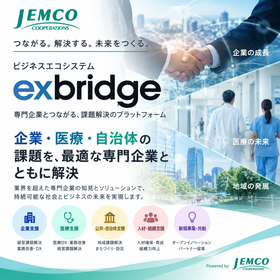
At health check-up centers, accurate and prompt notification of test results to recipients is crucial for ensuring reliability and improving operational efficiency. In particular, specialized knowledge and appropriate partnerships are required for data integration between different systems and the development of notification methods utilizing the latest technologies. Delays or deficiencies in data integration can lead to anxiety among recipients and may result in delays in the introduction of new notification services. The business ecosystem 'exbridge' supports matching health check-up centers with optimal specialized consultants and companies that have solutions to the challenges related to test result notifications, facilitating rapid and efficient problem-solving. 【Usage Scenarios】 - Strengthening system integration of test result data - Integration between electronic medical record systems and notification services - Result analysis and optimization of notification content using AI - Development and integration of result viewing functions on patient portal sites 【Benefits of Implementation】 - Improved recipient satisfaction through rapid and accurate notification of test results - Increased operational efficiency and cost reduction - Rapid development and provision of new notification services - Promotion of collaboration between health check-up centers and partner companies
Added to bookmarks
Bookmarks listBookmark has been removed
Bookmarks listYou can't add any more bookmarks
By registering as a member, you can increase the number of bookmarks you can save and organize them with labels.
Free membership registration
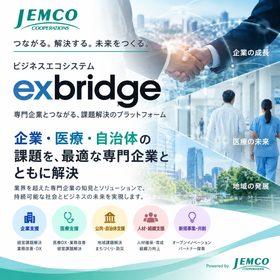
In the pharmacy industry, there is a demand for safe and efficient collaboration of patient data to provide high-quality medication guidance to patients and to improve operational efficiency. Particularly in the sharing of information between different systems and in the development of services utilizing the latest technologies, specialized knowledge and appropriate partnerships are crucial. Delays or deficiencies in data collaboration can lead to a decline in the quality of medication guidance and delays in the introduction of new services. The business ecosystem "exbridge" supports matching with companies that have optimal specialized consultants and solutions to address the data collaboration challenges faced by pharmacies, facilitating rapid and efficient problem-solving. 【Usage Scenarios】 - Collaboration between electronic medical record systems and external services - Development and collaboration of patient portal sites - Strengthening data collaboration between medical institutions 【Effects of Implementation】 - Improved accuracy of medication guidance through seamless collaboration of medical data - Increased operational efficiency and cost reduction - Rapid development and provision of new medical services - Enhanced patient satisfaction
Added to bookmarks
Bookmarks listBookmark has been removed
Bookmarks listYou can't add any more bookmarks
By registering as a member, you can increase the number of bookmarks you can save and organize them with labels.
Free membership registration
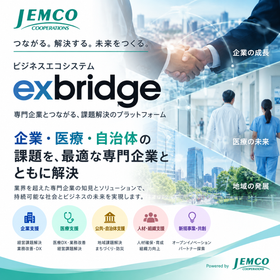
At home care stations, smooth data collaboration with medical institutions and stakeholders is essential for providing high-quality medical care and improving operational efficiency for patients' home care. Particularly in sharing information between different systems and utilizing the latest technologies for service delivery, specialized knowledge and appropriate partnerships are crucial. Delays or deficiencies in data collaboration can lead to a decline in the quality of care and delays in the introduction of new services. The business ecosystem "exbridge" supports matching home care stations with companies that have optimal specialized consultants and solutions to address data collaboration challenges, facilitating rapid and efficient problem-solving. 【Usage Scenarios】 - Strengthening data collaboration between medical institutions - Integration of electronic medical record systems with external services - Building an AI-based medical data analysis platform - Development and integration of patient portal sites - Data collaboration between medical device manufacturers and medical institutions 【Benefits of Implementation】 - Improved quality of care through seamless integration of medical data - Increased operational efficiency and cost reduction - Rapid development and provision of new medical services - Enhanced patient satisfaction - Promotion of collaboration between medical institutions and partner companies
Added to bookmarks
Bookmarks listBookmark has been removed
Bookmarks listYou can't add any more bookmarks
By registering as a member, you can increase the number of bookmarks you can save and organize them with labels.
Free membership registration
In nursing care health facilities, accurate and prompt information sharing in admission and discharge management is essential for providing high-quality care and improving operational efficiency. Particularly in sharing information between different systems and developing services utilizing the latest technologies, specialized knowledge and appropriate partnerships are required. Delays or deficiencies in information sharing can lead to a decline in the quality of care and delays in the introduction of new services. The business ecosystem 'exbridge' supports matching with companies that have optimal specialized consultants and solutions to address the information sharing challenges faced by nursing care health facilities and related businesses, facilitating rapid and efficient problem-solving. 【Usage Scenarios】 - Strengthening inter-system collaboration for admission and discharge information - Integration between electronic medical record systems and external services - Building an AI-based data analysis platform for admission and discharge data - Development and integration of user portal sites - Data sharing between medical device manufacturers and nursing facilities 【Effects of Implementation】 - Improved quality of care through seamless integration of admission and discharge information - Increased operational efficiency and cost reduction - Accelerated development and provision of new services - Enhanced user satisfaction - Promotion of collaboration between nursing facilities and partner companies
Added to bookmarks
Bookmarks listBookmark has been removed
Bookmarks listYou can't add any more bookmarks
By registering as a member, you can increase the number of bookmarks you can save and organize them with labels.
Free membership registration
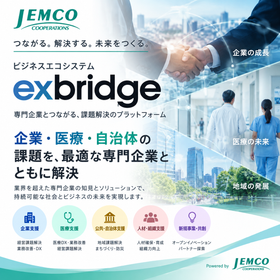
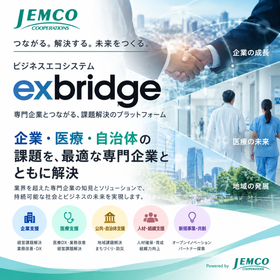
In pediatrics, accurate management of vaccination history and appropriate information provision to parents are required in vaccination management. In particular, the complexity of vaccine types and timing, as well as the management of allergy information, can increase the operational burden on medical institutions. Addressing these challenges necessitates specialized knowledge and appropriate partnerships. Delays or deficiencies in data integration can heighten the risks of missed vaccinations or incorrect vaccinations, potentially affecting patient safety. Our business ecosystem, 'exbridge,' supports matching with companies that have optimal specialized consultants and solutions to address the challenges of vaccination management in pediatrics, facilitating rapid and efficient problem-solving. 【Usage Scenarios】 - Automated management of vaccination schedules - Integration of vaccination reminder functions for parents - Integrated management of past vaccination history and allergy information - Data integration with electronic medical record systems - Sharing of vaccination information in regional medical collaboration 【Benefits of Implementation】 - Increased efficiency in vaccination management tasks and reduction of human errors - Improved patient safety through accurate vaccination history management - Enhanced satisfaction through timely information provision to parents - Promotion of collaboration between medical institutions and specialized partners
Added to bookmarks
Bookmarks listBookmark has been removed
Bookmarks listYou can't add any more bookmarks
By registering as a member, you can increase the number of bookmarks you can save and organize them with labels.
Free membership registration
In the obstetrics and gynecology industry, the safe and efficient management of information for pregnant and postpartum women is essential for providing high-quality medical care and improving operational efficiency. Particularly in the development of medical services utilizing the latest technologies and in data sharing between different systems, specialized knowledge and appropriate partnerships are required. Delays or deficiencies in data integration can lead to decreased diagnostic accuracy and delays in the introduction of new medical services. The business ecosystem "exbridge" supports the matching of obstetric and gynecological medical institutions and related companies with optimal specialized consultants and solution providers to facilitate rapid and efficient problem-solving. 【Use Cases】 - Strengthening data integration between medical institutions - Integration of electronic medical record systems with external services - Building AI-based medical data analysis platforms - Development and integration of patient portal websites - Data integration between medical device manufacturers and medical institutions 【Benefits of Implementation】 - Improved diagnostic accuracy through seamless integration of medical data - Increased operational efficiency and cost reduction - Rapid development and provision of new medical services - Enhanced patient satisfaction - Promotion of collaboration between medical institutions and partner companies
Added to bookmarks
Bookmarks listBookmark has been removed
Bookmarks listYou can't add any more bookmarks
By registering as a member, you can increase the number of bookmarks you can save and organize them with labels.
Free membership registration
In ophthalmology hospitals, the safe and efficient collaboration and analysis of patient examination data is essential for providing high-quality medical care and improving operational efficiency. In particular, sharing data between different systems and developing medical services utilizing the latest technologies require specialized knowledge and appropriate partnerships. Delays or deficiencies in data collaboration can lead to decreased diagnostic accuracy and delays in the introduction of new medical services. The business ecosystem 'exbridge' supports matching with companies that have optimal specialized consultants and solutions to address the data collaboration challenges faced by ophthalmology hospitals and related businesses, facilitating rapid and efficient problem-solving. 【Usage Scenarios】 - Strengthening data collaboration between medical institutions - Integration of electronic medical record systems with external services - Building an AI-based medical data analysis platform - Development and integration of patient portal sites - Data collaboration between medical device manufacturers and medical institutions 【Effects of Implementation】 - Improved diagnostic accuracy through seamless collaboration of medical data - Increased operational efficiency and cost reduction - Rapid development and provision of new medical services - Enhanced patient satisfaction - Promotion of collaboration between medical institutions and partner companies
Added to bookmarks
Bookmarks listBookmark has been removed
Bookmarks listYou can't add any more bookmarks
By registering as a member, you can increase the number of bookmarks you can save and organize them with labels.
Free membership registration
In dental clinics, it is essential to safely and efficiently share patient image data to achieve high-quality diagnoses and improve operational efficiency. Particularly in the sharing of data between different imaging diagnostic systems and the introduction of diagnostic support services utilizing the latest technologies, specialized knowledge and appropriate partnerships are crucial. Delays or deficiencies in data sharing can lead to decreased diagnostic accuracy and delays in the introduction of new diagnostic support services. The business ecosystem "exbridge" supports matching dental clinics and related companies with optimal specialized consultants and solution providers to facilitate rapid and efficient problem-solving regarding data sharing challenges. 【Usage Scenarios】 - Strengthening data sharing between medical institutions - Integration of electronic medical record systems with external services - Building an AI-based medical data analysis platform - Development and integration of patient portal sites - Data sharing between medical device manufacturers and medical institutions 【Benefits of Implementation】 - Improved diagnostic accuracy through seamless sharing of medical data - Increased operational efficiency and cost reduction - Rapid development and provision of new medical services - Enhanced patient satisfaction - Promotion of collaboration between medical institutions and partner companies
Added to bookmarks
Bookmarks listBookmark has been removed
Bookmarks listYou can't add any more bookmarks
By registering as a member, you can increase the number of bookmarks you can save and organize them with labels.
Free membership registration
In the clinic and medical office industry, efficient operation of appointment management systems is essential for reducing patient wait times and achieving a smooth consultation flow. In particular, flexible appointment adjustments tailored to each patient's situation and the facilitation of information sharing through inter-system collaboration are crucial for providing high-quality medical care and improving operational efficiency. Delays or deficiencies in appointment management can lead to decreased patient satisfaction and increased burdens on healthcare professionals. The business ecosystem 'exbridge' supports clinics and medical offices in addressing appointment management challenges by matching them with optimal specialized consultants and companies that offer solutions, facilitating rapid and efficient problem-solving. 【Usage Scenarios】 - Implementation and integration of appointment systems - Expansion of online booking features - Development and integration of patient-facing appointment portal sites - Integration of appointment data with electronic medical record systems 【Benefits of Implementation】 - Streamlining of appointment management operations - Reduction of patient wait times and improvement in satisfaction - Alleviation of burdens on healthcare professionals - Improvement of business flows through data integration
Added to bookmarks
Bookmarks listBookmark has been removed
Bookmarks listYou can't add any more bookmarks
By registering as a member, you can increase the number of bookmarks you can save and organize them with labels.
Free membership registration
In psychiatric hospitals, there is a demand for safe and efficient communication methods to build continuous relationships with patients and provide high-quality medical care. Particularly in the implementation of telemedicine, the provision of information to patients, and the delivery of psychological support, the use of specialized knowledge and appropriate technology is crucial. Delays in information sharing in telemedicine and a lack of communication with patients can lead to decreased treatment effectiveness and lower patient satisfaction. The business ecosystem 'exbridge' supports matching psychiatric hospitals with optimal specialized consultants and companies that have solutions to the challenges related to telemedicine, facilitating rapid and efficient problem-solving. 【Usage Scenarios】 - Strengthening data collaboration between psychiatric hospitals - Integration of electronic medical record systems with telemedicine platforms - Development and integration of patient portal websites - Establishing an AI-based patient data analysis infrastructure 【Effects of Implementation】 - Smoother communication with patients in telemedicine - Improved operational efficiency and cost reduction - Rapid development and provision of new telemedicine services - Increased patient satisfaction - Promotion of collaboration between medical institutions and partner companies
Added to bookmarks
Bookmarks listBookmark has been removed
Bookmarks listYou can't add any more bookmarks
By registering as a member, you can increase the number of bookmarks you can save and organize them with labels.
Free membership registration
In chronic care hospitals, there is a demand for improving the quality of rehabilitation services to support patient recovery, along with the associated streamlining of operations. In particular, specialized knowledge and appropriate partnerships are crucial for the collection and analysis of rehabilitation data, information sharing among multiple professions, and the creation of individualized rehabilitation plans utilizing the latest technologies. Delays or deficiencies in data integration can lead to difficulties in measuring rehabilitation effectiveness and delays in the introduction of new support methods. The business ecosystem 'exbridge' supports matching chronic care hospitals with optimal specialized consultants and companies that offer solutions to the challenges they face in rehabilitation support, facilitating rapid and efficient problem-solving. [Usage Scenarios] - Digitalization of rehabilitation records and data integration - Integration of electronic medical record systems with rehabilitation support tools - Establishment of an AI-based platform for analyzing rehabilitation effectiveness - Development and integration of a portal site for patients to check rehabilitation progress - Data integration between rehabilitation equipment manufacturers and medical institutions [Effects of Implementation] - Improved accuracy in measuring effectiveness through seamless integration of rehabilitation data - Streamlining of rehabilitation operations and cost reduction
Added to bookmarks
Bookmarks listBookmark has been removed
Bookmarks listYou can't add any more bookmarks
By registering as a member, you can increase the number of bookmarks you can save and organize them with labels.
Free membership registration
In acute care hospitals, the safe and rapid sharing of patient data is essential for providing high-quality medical care and improving operational efficiency. In particular, collaboration between electronic medical record systems and external services, as well as the development of medical services utilizing the latest technologies, requires specialized knowledge and appropriate partnerships. Delays or deficiencies in data sharing can lead to decreased diagnostic accuracy and delays in the introduction of new medical services. The business ecosystem "exbridge" supports acute care hospitals in addressing the challenges of electronic medical record integration by facilitating matching with companies that have optimal specialized consultants and solutions, thereby aiding in the rapid and efficient resolution of issues. [Utilization Scenarios] - Integration between electronic medical record systems and external services - Strengthening data sharing between medical institutions - Building an AI-based medical data analysis platform - Development and integration of patient portal sites [Effects of Implementation] - Improved diagnostic accuracy through seamless integration of medical data - Increased operational efficiency and cost reduction - Rapid development and provision of new medical services - Enhanced patient satisfaction
Added to bookmarks
Bookmarks listBookmark has been removed
Bookmarks listYou can't add any more bookmarks
By registering as a member, you can increase the number of bookmarks you can save and organize them with labels.
Free membership registration
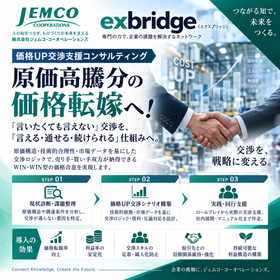
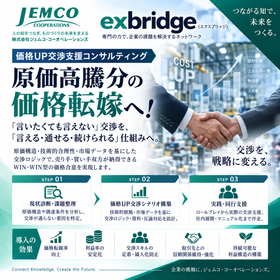
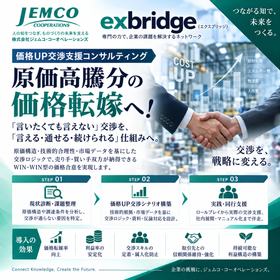
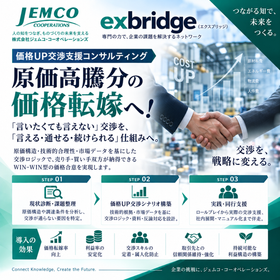
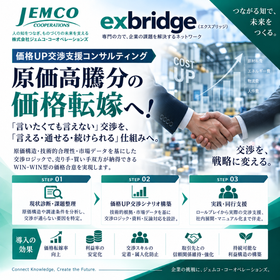
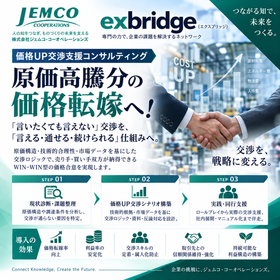
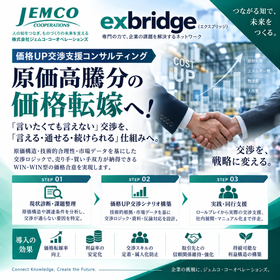
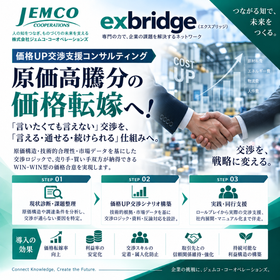
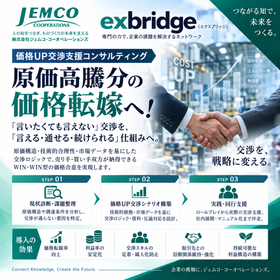
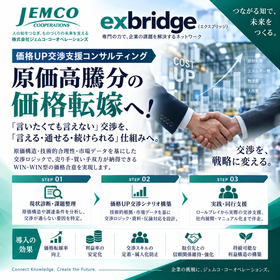
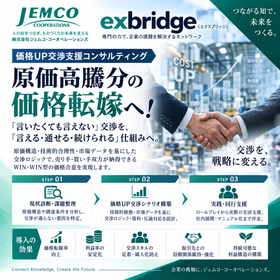
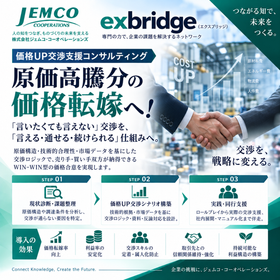
In the public works sector of the telecommunications infrastructure industry, fluctuations in material prices and rising logistics costs can impact business plans and profitability. Particularly in cases of long-term construction projects or when multiple materials need to be procured, these cost increases become significant factors that cannot be ignored. Situations where price pass-through is difficult or where the basis for negotiations is unclear can lead to challenges in business continuity. Our "Price Increase Negotiation Support Consulting" service builds negotiation logic based on the cost structure of building materials and construction supplies used in public works, as well as market data, aiming for a mutually agreeable price among stakeholders. We provide consistent support, including cost visualization, negotiation scenario design, document preparation, role-playing, and on-site accompaniment as needed. 【Utilization Scenarios】 - Profit pressure due to soaring fuel and labor costs - Declining profitability due to insufficient price pass-through - Lack of objective grounds for requesting price revisions - Price negotiations relying on the individual experience of the person in charge - Desire to move away from request-based price negotiations
Added to bookmarks
Bookmarks listBookmark has been removed
Bookmarks listYou can't add any more bookmarks
By registering as a member, you can increase the number of bookmarks you can save and organize them with labels.
Free membership registration
In the energy infrastructure industry, rising fuel costs can impact business plans and profitability. Particularly in cases of long-term construction projects or when multiple materials need to be procured, these cost increases become significant factors that cannot be ignored. Situations where price transfer is difficult or where the basis for negotiations is unclear can lead to challenges in business continuity. Our "Price Increase Negotiation Support Consulting" service builds negotiation logic based on the cost structure of construction materials used in public works and market data, aiming for a mutually agreeable price consensus among stakeholders. We provide consistent support, including cost visualization, negotiation scenario design, document preparation, role-playing, and on-site accompaniment as needed. 【Usage Scenarios】 - Profit pressure due to rising fuel costs - Declining profitability due to slow price transfer - Lack of objective grounds for requesting price revisions - Price negotiations relying on individual experience of the person in charge - Desire to move away from request-based price negotiations 【Benefits of Implementation】 - Improvement in profitability through price transfer of increased costs - Enhanced negotiation power based on objective grounds - Achievement of sustainable price formation - Improvement of negotiation skills of the person in charge and prevention of dependency on individuals
Added to bookmarks
Bookmarks listBookmark has been removed
Bookmarks listYou can't add any more bookmarks
By registering as a member, you can increase the number of bookmarks you can save and organize them with labels.
Free membership registration
In the dam construction industry, fluctuations in material prices and rising logistics costs can impact business plans and profitability. Particularly in cases of long-term projects or when multiple materials need to be procured, these cost increases become significant factors that cannot be ignored. Situations where price transfer is difficult or where the basis for negotiations is unclear can lead to challenges in business continuity. Even in negotiations regarding additional costs due to design changes, explanations based on objective grounds are required. Our service builds negotiation logic based on the cost structure of construction materials used in public works and market data, aiming for a price agreement that is acceptable to all parties involved. We provide consistent support, including cost visualization, negotiation scenario design, document preparation, role-playing, and on-site accompaniment as needed. [Usage Scenarios] - Profit pressure due to soaring fuel and labor costs - Declining profitability due to insufficient price transfer - Lack of objective grounds for requesting price revisions - Price negotiations relying on the individual experience of the person in charge - Desire to move away from request-based price negotiations
Added to bookmarks
Bookmarks listBookmark has been removed
Bookmarks listYou can't add any more bookmarks
By registering as a member, you can increase the number of bookmarks you can save and organize them with labels.
Free membership registration
In tunnel construction, fluctuations in material prices and rising logistics costs can impact business plans and profitability. Particularly in cases of long-term projects or when multiple materials need to be procured, these cost increases can pose challenges in securing contingency funds. Situations where price pass-through is difficult or where the basis for negotiations is unclear can lead to issues with business continuity. "Price Increase Negotiation Support Consulting" is a practical, hands-on service that builds negotiation logic based on the cost structure of building materials and construction supplies used in public works, aiming for a mutually agreeable price among stakeholders. We provide consistent support, including cost visualization, negotiation scenario design, document preparation, role-playing, and on-site accompaniment as needed. 【Usage Scenarios】 - Profit pressure due to soaring fuel and labor costs - Declining profitability due to insufficient price pass-through - Lack of objective grounds for requesting price revisions - Dependence on individual experience for price negotiations - Desire to move away from request-based price negotiations 【Benefits of Implementation】 - Profit improvement through price pass-through of rising costs - Enhanced negotiation power based on objective grounds - Realization of sustainable price formation - Improvement of negotiation skills for personnel and prevention of individual dependency
Added to bookmarks
Bookmarks listBookmark has been removed
Bookmarks listYou can't add any more bookmarks
By registering as a member, you can increase the number of bookmarks you can save and organize them with labels.
Free membership registration
In the road construction industry, fluctuations in material prices and rising logistics costs can impact business plans and profitability. Particularly in cases of long-term projects or when multiple materials need to be procured, these cost increases become significant factors that cannot be ignored. Situations where price pass-through is difficult or where the basis for negotiations is unclear can lead to challenges in business continuity. Our "Price Increase Negotiation Support Consulting" service builds negotiation logic based on the cost structure of construction materials used in public works and market data, aiming for a mutually agreeable price consensus among stakeholders. We provide consistent support, including cost visualization, negotiation scenario design, document preparation, role-playing, and on-site accompaniment as needed. 【Usage Scenarios】 - Profit pressure due to soaring fuel and labor costs - Declining profitability due to insufficient price pass-through - Lack of objective grounds for requesting price revisions - Price negotiations relying on the individual experience of the person in charge - Desire to move away from request-based price negotiations 【Effects of Implementation】 - Profit improvement through price pass-through of increased costs - Enhanced negotiation power based on objective grounds - Realization of sustainable price formation - Improvement of negotiation skills of the person in charge and prevention of dependency on individuals
Added to bookmarks
Bookmarks listBookmark has been removed
Bookmarks listYou can't add any more bookmarks
By registering as a member, you can increase the number of bookmarks you can save and organize them with labels.
Free membership registration
In the construction industry, rising material prices and logistics costs can impact business plans and profitability. Particularly in cases of long-term projects or the need for multiple material procurements, cost increases cannot be ignored. Situations where price transfer is difficult and the basis for negotiations is unclear pose challenges to business continuity. "Price Increase Negotiation Support Consulting" is a practical, hands-on service that builds negotiation logic based on the cost structure of building materials and construction supplies used in public works and market data, aiming for a mutually agreeable price among stakeholders. We provide consistent support, including cost visualization, negotiation scenario design, document preparation, role-playing, and on-site accompaniment as needed. 【Usage Scenarios】 - Profit pressure due to soaring fuel and labor costs - Declining profitability due to insufficient price transfer - Lack of objective grounds for requesting price revisions - Price negotiations relying on the individual experience of the person in charge - Desire to move away from request-based price negotiations 【Effects of Implementation】 - Profit improvement through price transfer of increased costs - Enhanced negotiation power based on objective grounds - Realization of sustainable price formation - Improvement of negotiation skills of the person in charge and prevention of dependency on individuals
Added to bookmarks
Bookmarks listBookmark has been removed
Bookmarks listYou can't add any more bookmarks
By registering as a member, you can increase the number of bookmarks you can save and organize them with labels.
Free membership registration
In the insulation materials industry, there is a demand for balancing energy-saving performance improvements with cost management. The rising costs of raw materials and logistics can impact product price competitiveness and may pressure profitability. Situations where it is difficult to pass on price increases to clients or where there is a lack of negotiation basis can pose challenges to business continuity. Our "Price Increase Negotiation Support Consulting" service builds negotiation logic based on the cost structure and market data of the insulation materials industry, aiming for a mutually agreeable price consensus. We provide consistent support, including cost visualization, negotiation scenario design, document preparation, role-playing, and on-site accompaniment as needed. 【Usage Scenarios】 - Profit pressure due to rising raw material and logistics costs - Decreased profitability due to insufficient price pass-through - Lack of objective basis for requesting price revisions - Price negotiations relying on individual experience of the person in charge - Desire to move away from request-based price negotiations 【Effects of Implementation】 - Profit improvement through passing on the increase in costs - Enhanced negotiation power based on objective grounds - Realization of sustainable price formation - Improvement of negotiation skills of the person in charge and prevention of dependence on individuals
Added to bookmarks
Bookmarks listBookmark has been removed
Bookmarks listYou can't add any more bookmarks
By registering as a member, you can increase the number of bookmarks you can save and organize them with labels.
Free membership registration
In the RC construction industry, the procurement costs of building materials, including concrete, significantly impact profitability. Amid rising fuel and labor costs, situations where it is difficult to pass on prices to clients and where there is a lack of negotiation grounds can become pressure factors for the business. "Price Increase Negotiation Support Consulting" is a practical, hands-on service that builds negotiation logic based on the cost structure and market data of the RC construction industry, aiming for a price agreement that is acceptable to both parties. We provide consistent support, including cost visualization, negotiation scenario design, document preparation, role-playing, and on-site accompaniment as needed. 【Usage Scenarios】 - Profit pressure due to soaring concrete prices - Inability to pass on prices leading to decreased profitability - Lack of objective grounds for requesting price revisions - Price negotiations relying on the individual experience of the person in charge - Desire to move away from request-based price negotiations 【Benefits of Implementation】 - Profit improvement through passing on the increase in costs - Enhanced negotiation power based on objective grounds - Realization of sustainable price formation - Improvement of negotiation skills for the person in charge and prevention of dependency on individuals
Added to bookmarks
Bookmarks listBookmark has been removed
Bookmarks listYou can't add any more bookmarks
By registering as a member, you can increase the number of bookmarks you can save and organize them with labels.
Free membership registration
In the steel frame construction industry, fluctuations in steel prices significantly impact business profits. Amid rising raw material and logistics costs, difficulties in passing on prices to clients and a lack of solid negotiation grounds can become pressure factors for the business. Our "Price Increase Negotiation Support Consulting" service builds negotiation logic based on the cost structure and market data of the building materials industry, aiming for a mutually agreeable price consensus. We provide consistent support, including cost visualization, negotiation scenario design, document preparation, role-playing, and on-site accompaniment as needed. 【Usage Scenarios】 - Profit pressure due to soaring steel prices - Inability to pass on prices, leading to decreased profitability - Lack of objective grounds for requesting price revisions - Dependence on individual experience for price negotiations - Desire to move away from request-based price negotiations 【Benefits of Implementation】 - Profit improvement through passing on increased costs - Enhanced negotiation power based on objective grounds - Realization of sustainable price formation - Improvement of negotiation skills and prevention of individual dependency among staff
Added to bookmarks
Bookmarks listBookmark has been removed
Bookmarks listYou can't add any more bookmarks
By registering as a member, you can increase the number of bookmarks you can save and organize them with labels.
Free membership registration
In office building design, the procurement costs of building materials affect the overall profitability of the project. The recent rise in raw material and logistics costs has made cost management during the design phase even more challenging. In particular, situations where there is a lack of objective grounds for price negotiations with multiple suppliers, or where negotiations depend on the experience of the person in charge, can lead to unexpected cost increases. Our "Price Increase Negotiation Support Consulting" is a practical, hands-on service that builds negotiation logic based on the cost structure and market data of the building materials industry, aiming for a mutually agreeable price consensus. By consistently supporting cost visualization, designing negotiation scenarios, preparing materials, conducting role plays, and accompanying on-site as needed, we assist in optimizing costs during the design phase and fostering sustainable price formation. 【Usage Scenarios】 - Pressure on design budgets due to rising building material costs - Inability to pass on price increases, leading to decreased profitability - Lack of objective grounds for requesting price revisions - Price negotiations relying on the individual experience of the person in charge - Desire to move away from request-based price negotiations
Added to bookmarks
Bookmarks listBookmark has been removed
Bookmarks listYou can't add any more bookmarks
By registering as a member, you can increase the number of bookmarks you can save and organize them with labels.
Free membership registration
In the materials procurement of the factory and warehouse industry, rising raw material and logistics costs can impact profitability. As fuel and labor costs continue to rise, situations where it is difficult to pass on costs to suppliers and where there is a lack of negotiation grounds can become burdensome for business operations. Our "Price Increase Negotiation Support Consulting" builds negotiation logic based on the cost structure and market data of the building materials industry, aiming for a mutually agreeable price consensus through a practical, hands-on service. We provide consistent support, including cost visualization, negotiation scenario design, document preparation, role-playing, and on-site accompaniment as needed. 【Usage Scenarios】 - Profit pressure due to rising fuel and labor costs - Decreased profitability due to insufficient price pass-through - Lack of objective grounds for requesting price revisions - Price negotiations relying on the individual experience of the person in charge - Desire to move away from request-based price negotiations 【Benefits of Implementation】 - Profit improvement through passing on the increase in costs - Enhanced negotiation power based on objective grounds - Realization of sustainable price formation - Improvement of negotiation skills of the person in charge and prevention of dependency on individuals
Added to bookmarks
Bookmarks listBookmark has been removed
Bookmarks listYou can't add any more bookmarks
By registering as a member, you can increase the number of bookmarks you can save and organize them with labels.
Free membership registration
In public works bidding, fluctuations in material prices and rising logistics costs can impact project plans and profitability. Particularly in long-term projects or when multiple materials need to be procured, these cost increases can become significant factors. Situations where price pass-through is difficult or where the basis for negotiations is unclear can lead to challenges in the continuity of the business. "Price Increase Negotiation Support Consulting" is a practical, hands-on service that builds negotiation logic based on the cost structure of building materials and construction supplies used in public works, aiming for a mutually agreeable price among stakeholders. We provide consistent support, including cost visualization, negotiation scenario design, document preparation, role-playing, and on-site accompaniment as needed. 【Usage Scenarios】 - Profit pressure due to soaring fuel and labor costs - Declining profitability due to insufficient price pass-through - Lack of objective grounds for requesting price revisions - Price negotiations relying on the individual experience of the person in charge - Desire to move away from request-based price negotiations 【Benefits of Implementation】 - Profit improvement through price pass-through of rising costs - Enhanced negotiation power based on objective grounds - Realization of sustainable price formation - Improvement of negotiation skills of the person in charge and prevention of reliance on individuals
Added to bookmarks
Bookmarks listBookmark has been removed
Bookmarks listYou can't add any more bookmarks
By registering as a member, you can increase the number of bookmarks you can save and organize them with labels.
Free membership registration