iPROS Manufacturing
  • Search for products by classification category

    • Electronic Components and Modules
      Electronic Components and Modules
      59262items
    • Machinery Parts
      Machinery Parts
      74880items
    • Manufacturing and processing machinery
      Manufacturing and processing machinery
      99737items
    • Scientific and Physics Equipment
      Scientific and Physics Equipment
      34847items
    • Materials
      Materials
      37108items
    • Measurement and Analysis
      Measurement and Analysis
      54932items
    • Image Processing
      Image Processing
      15057items
    • Control and Electrical Equipment
      Control and Electrical Equipment
      53213items
    • Tools, consumables, and supplies
      Tools, consumables, and supplies
      64411items
    • Design and production support
      Design and production support
      12493items
    • IT/Network
      IT/Network
      43604items
    • Office
      Office
      13751items
    • Business support services
      Business support services
      33264items
    • Seminars and Skill Development
      Seminars and Skill Development
      6312items
    • Pharmaceutical and food related
      Pharmaceutical and food related
      30384items
    • others
      73739items
  • Search for companies by industry

    • Manufacturing and processing contract
      7337
    • others
      4994
    • Industrial Machinery
      4415
    • Machine elements and parts
      3282
    • Other manufacturing
      2890
    • IT/Telecommunications
      2553
    • Trading company/Wholesale
      2470
    • Industrial Electrical Equipment
      2298
    • Building materials, supplies and fixtures
      1810
    • software
      1634
    • Electronic Components and Semiconductors
      1569
    • Resin/Plastic
      1491
    • Service Industry
      1444
    • Testing, Analysis and Measurement
      1129
    • Ferrous/Non-ferrous metals
      983
    • environment
      699
    • Chemical
      629
    • Automobiles and Transportation Equipment
      564
    • Printing Industry
      508
    • Information and Communications
      455
    • Consumer Electronics
      416
    • Energy
      327
    • Rubber products
      313
    • Food Machinery
      307
    • Optical Instruments
      277
    • robot
      271
    • fiber
      250
    • Paper and pulp
      232
    • Electricity, Gas and Water Industry
      169
    • Pharmaceuticals and Biotechnology
      167
    • Warehousing and transport related industries
      145
    • Glass and clay products
      139
    • Food and Beverage
      129
    • CAD/CAM
      125
    • retail
      109
    • Educational and Research Institutions
      105
    • Medical Devices
      103
    • Ceramics
      98
    • wood
      88
    • Transportation
      84
    • Medical and Welfare
      63
    • Petroleum and coal products
      62
    • Shipbuilding and heavy machinery
      51
    • Aviation & Aerospace
      48
    • Fisheries, Agriculture and Forestry
      42
    • Public interest/special/independent administrative agency
      31
    • equipment
      31
    • self-employed
      24
    • Research and development equipment and devices
      24
    • Government
      23
    • Materials
      22
    • Mining
      17
    • Finance, securities and insurance
      13
    • cosmetics
      11
    • Individual
      10
    • Restaurants and accommodations
      9
    • Police, Fire Department, Self-Defense Forces
      7
    • Laboratory Equipment and Consumables
      4
    • Raw materials for reagents and chemicals
      3
    • Contracted research
      3
  • Special Features
  • Ranking

    • Overall Products Ranking
    • Overall Company Ranking
Search for Products
  • Search for products by classification category

  • Electronic Components and Modules
  • Machinery Parts
  • Manufacturing and processing machinery
  • Scientific and Physics Equipment
  • Materials
  • Measurement and Analysis
  • Image Processing
  • Control and Electrical Equipment
  • Tools, consumables, and supplies
  • Design and production support
  • IT/Network
  • Office
  • Business support services
  • Seminars and Skill Development
  • Pharmaceutical and food related
  • others
Search for Companies
  • Search for companies by industry

  • Manufacturing and processing contract
  • others
  • Industrial Machinery
  • Machine elements and parts
  • Other manufacturing
  • IT/Telecommunications
  • Trading company/Wholesale
  • Industrial Electrical Equipment
  • Building materials, supplies and fixtures
  • software
  • Electronic Components and Semiconductors
  • Resin/Plastic
  • Service Industry
  • Testing, Analysis and Measurement
  • Ferrous/Non-ferrous metals
  • environment
  • Chemical
  • Automobiles and Transportation Equipment
  • Printing Industry
  • Information and Communications
  • Consumer Electronics
  • Energy
  • Rubber products
  • Food Machinery
  • Optical Instruments
  • robot
  • fiber
  • Paper and pulp
  • Electricity, Gas and Water Industry
  • Pharmaceuticals and Biotechnology
  • Warehousing and transport related industries
  • Glass and clay products
  • Food and Beverage
  • CAD/CAM
  • retail
  • Educational and Research Institutions
  • Medical Devices
  • Ceramics
  • wood
  • Transportation
  • Medical and Welfare
  • Petroleum and coal products
  • Shipbuilding and heavy machinery
  • Aviation & Aerospace
  • Fisheries, Agriculture and Forestry
  • Public interest/special/independent administrative agency
  • equipment
  • self-employed
  • Research and development equipment and devices
  • Government
  • Materials
  • Mining
  • Finance, securities and insurance
  • cosmetics
  • Individual
  • Restaurants and accommodations
  • Police, Fire Department, Self-Defense Forces
  • Laboratory Equipment and Consumables
  • Raw materials for reagents and chemicals
  • Contracted research
Special Features
Ranking
  • Overall Products Ranking
  • Overall Company Ranking
  • privacy policy
  • terms of service
  • About Us
  • Careers
  • Advertising
  1. Home
  2. Educational and Research Institutions
  3. Tohoku Techno Arch Co., Ltd.
  4. Product/Service List
Educational and Research Institutions
  • Added to bookmarks

    Bookmarks list

    Bookmark has been removed

    Bookmarks list

    You can't add any more bookmarks

    By registering as a member, you can increase the number of bookmarks you can save and organize them with labels.

    Free membership registration

Tohoku Techno Arch Co., Ltd.

addressMiyagi/Aoba-ku, Sendai-shi/Aobayama 6-6-10, 2nd floor, Tohoku University Center for Advanced Future Science and Technology Research
phone022-222-3049
  • Official site
last updated:Jul 15, 2025
Tohoku Techno Arch Co., Ltd.logo
  • Contact this company

    Inquiry Form
  • Company information
  • Products/Services(415)
  • catalog(415)
  • news(0)

Tohoku Techno Arch Co., Ltd. Product Lineup

  • category

316~360 item / All 415 items
Displayed results

class="retina-image"

Tohoku Univ. Technology : Cathode material for rechargeable magnesium batteries : T22-266

Activating disordered rocksalt oxides for cathode materials

Rechargeable magnesium batteries (RMBs) have been developed as post lithium-ion batteries. Previously, only the Chevrel compounds were known to be available as a cathode material for RMBs. However, practical RMBs require cathode materials, which could deliver high capacity with higher electrochemical potential.  The present invention provides cathode materials with a disordered rocksalt structure for RMBs. The novel chemical composition of the present material successfully enables reversible and substantial Mg intercalation, which has been previously believed to be difficult, especially in the rocksalt structure. The materials of this patent will expectedly yield cathode materials with higher capacity and electrode potential.

  • others

Added to bookmarks

Bookmarks list

Bookmark has been removed

Bookmarks list

You can't add any more bookmarks

By registering as a member, you can increase the number of bookmarks you can save and organize them with labels.

Free membership registration

Tohoku Univ. Technology : CNS editing for controlling the crop phenotypes in a multistage manner : T22-344

The best possible solution to control the phenotypes of crops

Genome editing technology is attracting attention for the creation of new crop varieties, but until now, genome editing technology has produced only one stage phenotype mainly due to the loss of function of known genes.  In this study, we propose a concept to control crop phenotypes in a multistage manner by precisely modifying the Conserved Noncoding Sequence(CNS).  By taking advantage of CNS editing, we expect to produce cultivars with optimal traits.

  • others

Added to bookmarks

Bookmarks list

Bookmark has been removed

Bookmarks list

You can't add any more bookmarks

By registering as a member, you can increase the number of bookmarks you can save and organize them with labels.

Free membership registration

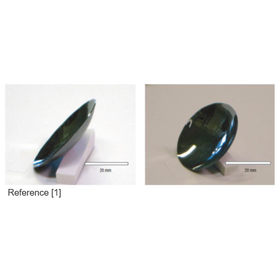
Tohoku Univ. Technology :Inducer with slit:T21-050

Simple configuration suppresses cavitation instability

In a high-speed rotary pump such as used in a turbo pump for a rocket engine, cavitation occurs at the pump inlet. Therefore, a spiral auxiliary impeller with excellent suction performance called an inducer is installed in front of the pump main impeller to boost and transport stable liquid. Various techniques have been proposed to suppress unstable and asymmetric phenomena associated with cavitation in the inducer. However, conventional techniques have problems such as difficulty in machining, increased axial vibration and weight.  The present invention has attempted to solve the above problems by providing a slit (notch) in the inducer and optimizing the conditions of the position, depth and width of the slit. Specifically, it has the following features. ・ Provide axisymmetric slits on each blade of the inducer ・ A slit is provided upstream from the throat entrance on the outer peripheral side of the blade. ・ The inside length of the slit in the radial direction is shorter than the opening width, and the shape is wider. With this configuration, it is possible to suppress the instability phenomenon while maintaining the step-up performance of the inducer.
  • others

Added to bookmarks

Bookmarks list

Bookmark has been removed

Bookmarks list

You can't add any more bookmarks

By registering as a member, you can increase the number of bookmarks you can save and organize them with labels.

Free membership registration

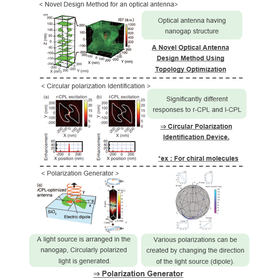
Tohoku Univ. Technology:Squeezed Light Generator: T22-338

Eliminate the temporal fluctuation of the phase difference. Applicable to optical quantum computers.

In optical quantum computation, a computation method called Gaussian boson sampling (GBS) is used, and light with the property of quantum superposition called single-mode squeezed vacuum(SMSV) is used as input light. In order to realize a large-scale GBS system, the silicon photonic wire waveguides are expected as a highly integrated platform. However, there are few examples of SMSV generation in the silicon photonic wire waveguides.   Generation of SMSV requires two-wavelength excitation light pulses, and there are prior technologies that synthesize the first and second optical pulses. However, the phase difference between the first and second optical pulses changes over time, makes accurate measurement of the SMSV impossible. Temporal fluctuations of noise photons mixed into the SMSV also inhibit accurate measurement.  A special optical wavelength filter outputs the first and second optical pulses to a coaxial path, and by eliminating the temporal fluctuation of the phase difference, a stabilized SMSV is obtained by the present invention.

  • others

Added to bookmarks

Bookmarks list

Bookmark has been removed

Bookmarks list

You can't add any more bookmarks

By registering as a member, you can increase the number of bookmarks you can save and organize them with labels.

Free membership registration

Tohoku Univ. Technology : Biological image processing program : T21-091

New Lightweight DL Model for Medical Image Processing, Denoising, and Disease Classification

Medical images are complicated and noisy. Device manufacturers are conducting R&D on denoising technologies using deep learning (DL). Unet is a popular model developed for medical image segmentation and has been used for image denoising. Unet as well as other DL models with higher prediction accuracies require large computational resources and have become a barrier to use in standalone devices for remote diagnosis or deployment of AI-solutions in mobile devices for smart digital medicine.   The "LWBNA-unet" of the present invention was designed with a focus on efficiency and reduction of computational resources. It succeeded in reducing weight by about 10 times as compared to the conventional Unet model. Similar to controlling the flow of information through a channel by changing its width, the LWBNA-Unet performs channel control by gradually decreasing the number of filters with attention to discriminate unnecessary features, which enables highly accurate segmentation of image features in complex and noisy images. The method is also capable of detecting and classifying diseases automatically with high accuracy under low computational resource environments. It is shown that the model has better capabilities of learning in terms of reproducibility and accuracy with smaller datasets as compared to conventional Unet and DeepLabv3+, models under same conditions.

  • others

Added to bookmarks

Bookmarks list

Bookmark has been removed

Bookmarks list

You can't add any more bookmarks

By registering as a member, you can increase the number of bookmarks you can save and organize them with labels.

Free membership registration

Tohoku Univ. Technology : Swelling followed by ball-milling for waste wire-harness recycling : T19-082_T19-440

Highly efficient and accurate separation of copper wires and PVC coating

Wire harnesses (WHs), the main target of this technology, are mainly used in automobiles and consist of bundles of thin wires that connect each component and are responsible for transmitting electrical signals and supplying power. Increased demand is expected with the rapid growth of electric vehicles in the future, and the development of efficient recycling technology for used WHs is strongly desired. To secure domestic resources and realize a decarbonized society, it is vital to recycle not only metal wires but also plastic coating materials. Chopping or comminution treatment is a common separation technology for treating used WHs, while it has limitations for mechanically recycling recovered plastic coating because it contains fine copper particles that are impurities for recycling. This invention enables the separation, sorting,and simultaneous recovery of copper wires and polyvinyl chloride (PVC) coating without the formation of fine particles by applying moderate impact in the ball mill equipment after swelling the coating material with organic solvent.

  • others

Added to bookmarks

Bookmarks list

Bookmark has been removed

Bookmarks list

You can't add any more bookmarks

By registering as a member, you can increase the number of bookmarks you can save and organize them with labels.

Free membership registration

Tohoku University Technology: ZT Measurement of Transverse Thermoelectric Thin Films: T23-041

Single-setup, single-device measurement of thermoelectric coefficient, electrical conductivity, and thermal conductivity

To determine the dimensionless figure of merit ZT of thermoelectric materials, three physical quantities—Seebeck coefficient, electrical conductivity, and thermal conductivity—must be measured separately, which conventionally requires preparing multiple specimens and carrying out time‑consuming temperature‑dependent measurements. In addition to conventional longitudinal thermoelectric conversion based on the Seebeck effect, transverse thermoelectric conversion employing the anomalous Nernst effect (ANE) has recently attracted considerable attention. However, for transverse thermoelectric thin films, conventional ZT evaluation requires separate specimens for each of the three properties, and variations in interfacial conditions from sample to sample make accurate determination of ZT very challenging. The present technology provides a measurement method that enables all-in-one determination of all three key properties in transverse thermoelectric thin films. Because all measurements are performed on a single device with a single setup, the results are free from sample‑to‑sample variations in interface quality, allowing simpler and faster characterization.

  • others

Added to bookmarks

Bookmarks list

Bookmark has been removed

Bookmarks list

You can't add any more bookmarks

By registering as a member, you can increase the number of bookmarks you can save and organize them with labels.

Free membership registration

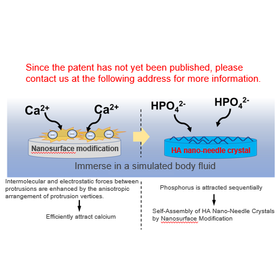
Tohoku Univ. Technology: Hierarchically structured titanium nanosurface : T23-076

Induction of self-assembly of hydroxyapatite nanocrystals on the surface

Titanium material is widely used in artificial tooth roots and artificial bones as a lightweight material exhibiting high fracture toughness, but it does not bond with bone. Therefore, a hydroxyapatite coating used as an artificial bone has been investigated on titanium material, and various coating methods such as plasma coating and chemical coating have been investigated as techniques for this purpose. The present invention relates to a nanosurfaced titanium substrate and a method for producing the same, which can induce self-assembly of nano-needle-like crystals of hydroxyapatite on the titanium substrate more efficiently than conventional methods.

  • others

Added to bookmarks

Bookmarks list

Bookmark has been removed

Bookmarks list

You can't add any more bookmarks

By registering as a member, you can increase the number of bookmarks you can save and organize them with labels.

Free membership registration

Tohoku Univ. Technology : Method for Determining Sleep Apnea Syndrome (SAS) : T23-008

Determining the likelihood of SAS based on responses to medical interviews and glaucoma examination

SAS can lead to the development of cardiovascular diseases and other complications, resulting in severe symptoms. However, the symptoms of SAS are challenging to recognize, and it is estimated that 1 in 20 people in Japan are potential sufferers. Patients with glaucoma are known to have a higher probability of concurrent SAS, making it beneficial to recommend SAS testing for these individuals to identify undetected cases. However, conducting tests on all glaucoma patients is not practical. This invention introduces a machine learning model and an app that incorporates this model, designed for ophthalmologists to easily assess the likelihood of glaucoma patients having SAS. More than 500 glaucoma patients were recruited and underwent basic ophthalmic examinations, along with the collection of age, gender, BMI information, and home sleep SAS testing for nocturnal oxygen saturation measurements. Patients whose nocturnal oxygen saturation dips below the baseline exceeded a specified threshold were defined as having SAS. The machine learning approach combines systemic and ophthalmic parameters to predict the occurrence of SAS. The app facilitates the input of systemic parameters, including responses to medical inquiries, and ophthalmic parameters, including visual field test results, thus enabling the calculation of the likelihood of having SAS with high accuracy.

  • others

Added to bookmarks

Bookmarks list

Bookmark has been removed

Bookmarks list

You can't add any more bookmarks

By registering as a member, you can increase the number of bookmarks you can save and organize them with labels.

Free membership registration

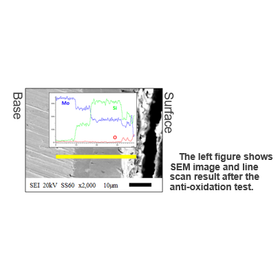
Tohoku Univ. Technology : Simple method to siliconize Mo/W : T21-214

Silicide film can be formed with low cost simply by dipping the free-form base material into the bath.

Mo material is excellent in heat resistance. Since Mo material is easily oxidized at high temperature, it is indispensable to form MoSi2 protective film to prevent it. As a conventional method, the pack cementation method is known. Although this method can stably form MoSi2 films, it requires processing conditions of 1000 ℃ or more and 10 hours or more, leading to high costs. The present invention relates to a method of forming a MoSi2/WSi2 film (e.g., 30 μm) on the surface of a Mo/W material by simply immersing a base material in a bath (e.g., 800 ℃. for 15 min.). According to this method, the largest advantage is that there is no restriction on the shape that can be treated. The base material processed into a product shape can be subjected to silicification treatment. The Mo material having the present invention has been confirmed to exhibit excellent oxidation resistance (see right table), and is useful as a more convenient silicification method.

  • others

Added to bookmarks

Bookmarks list

Bookmark has been removed

Bookmarks list

You can't add any more bookmarks

By registering as a member, you can increase the number of bookmarks you can save and organize them with labels.

Free membership registration

Hirosaki Univ. Technology : New catalyst for inducing same oxidation reaction under illumination even in the dark : K23-025

Can oxidize formic acid in the dark

 Photocatalysts are materials that induce redox reactions under illumination. In particular, it is effective for downhill reactions (oxidative degradation of hazardous and pollutants) and titanium oxide (TiO2) which is UV light responsive, is already in practical use. However, TiO2 photocatalytic technology is limited to small amounts and low concentrations of substances based on the solar light spectrum, and there is a problem that oxidation degradation treatment similar to that under illumination is never induced in the dark conditions.  In his research for application as a photoelectrode and photocatalyst for organic p-n junctions, the inventor found that organic p-n junctions can catalyze (= dual catalysis) the oxidation of thiols even in the dark conditions [1]. In addition, as a result of his intensive research, he succeeded in expanding the target of dual catalysis to formic acid, hydrogen peroxide, and hydrazine by supporting a cocatalyst on organic p-n junctions.  Dual catalysis is a new type of catalysis that TiO2 does not have. The selection of organic p-n junctions and co-catalysts is expected to expand the application range and market size of catalysts for environmental purification applications.

  • others

Added to bookmarks

Bookmarks list

Bookmark has been removed

Bookmarks list

You can't add any more bookmarks

By registering as a member, you can increase the number of bookmarks you can save and organize them with labels.

Free membership registration

Hirosaki Univ. Technology : New catalyst for inducing same oxidation reaction under illumination even in the dark : K23-026

Can oxidize hydrogen peroxide in the dark

Photocatalysts are materials that induce redox reactions under illumination. In particular, it is effective for downhill reactions (oxidative degradation of hazardous and pollutants) and titanium oxide (TiO2) which is UV light responsive, is already in practical use. However, TiO2 photocatalytic technology is limited to small amounts and low concentrations of substances based on the solar light spectrum, and there is a problem that oxidation degradation treatment similar to that under illumination is never induced in the dark conditions.  In his research for application as a photoelectrode and photocatalyst for organic p-n junctions, the inventor found that organic p-n junctions can catalyze (= dual catalysis) the oxidation of thiols even in the dark conditions [1]. In addition, as a result of the intensive research, it was found that the p-type semiconductor (FePc) in the organic p-n junction was oxidized and decomposed in the presence of hydrogen peroxide to produce a cocatalyst for hydrogen peroxide in situ, and as a result, dual catalysis by the organic n-type semiconductor occurred.  Dual catalysis is a new type of catalysis that TiO2 does not have. The selection of organic p-n junctions and co-catalysts is expected to expand the application range and market size of catalysts for environmental purification applications.

  • others

Added to bookmarks

Bookmarks list

Bookmark has been removed

Bookmarks list

You can't add any more bookmarks

By registering as a member, you can increase the number of bookmarks you can save and organize them with labels.

Free membership registration

Hirosaki Univ. Technology : New catalyst for inducing same oxidation reaction under illumination even in the dark : K23-027

Can oxidize hydrazine in the dark

Photocatalysts are materials that induce redox reactions under illumination. In particular, it is effective for downhill reactions (oxidative degradation of hazardous and pollutants) and titanium oxide (TiO2) which is UV light responsive, is already in practical use. However, TiO2 photocatalytic technology is limited to small amounts and low concentrations of substances based on the solar light spectrum, and there is a problem that oxidation degradation treatment similar to that under illumination is never induced in the dark conditions.  In his research for application as a photoelectrode and photocatalyst for organic p-n junctions, the inventor found that organic p-n junctions can catalyze (= dual catalysis) the oxidation of thiols even in the dark conditions [1]. In addition, as a result of his intensive research, he succeeded in expanding the target of dual catalysis to formic acid, hydrogen peroxide, and hydrazine by supporting a cocatalyst on organic p-n junctions.  Dual catalysis is a new type of catalysis that TiO2 does not have. The selection of organic p-n junctions and co-catalysts is expected to expand the application range and market size of catalysts for environmental purification applications.

  • others

Added to bookmarks

Bookmarks list

Bookmark has been removed

Bookmarks list

You can't add any more bookmarks

By registering as a member, you can increase the number of bookmarks you can save and organize them with labels.

Free membership registration

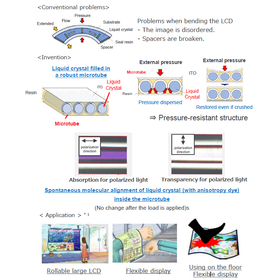
Tohoku Univ. Technology : Flexible & Robust Liquid Crystal Displays : T23-063

Liquid crystal device resistant to external pressure

・In a conventional liquid crystal display(LCD), when a large pressure is applied from the outside or a steep bending deformation is forced, the display image is disorderd cause of thickness variation of the liquid crystal layers, and the substrate spacer is damaged. ・Therefore, liquid crystals are difficult to apply to flexible displays because of such problems. ・The invention packs a liquid crystal material into robust microtubes and arranges them in a plurality to form a liquid crystal layer. ・Using such a structure, pressure force can be dispersed even when pressure is applied from the outside. ・It is expected to be applied to a robust and flexibile liquid crystal display.

  • others

Added to bookmarks

Bookmarks list

Bookmark has been removed

Bookmarks list

You can't add any more bookmarks

By registering as a member, you can increase the number of bookmarks you can save and organize them with labels.

Free membership registration

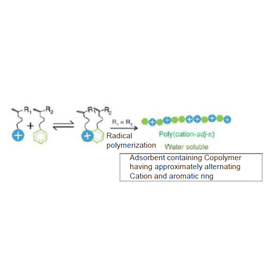
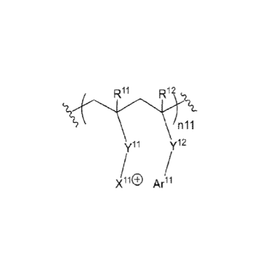
Hokkaido Univ. Technology :New Adsorbent containing Copolymer : HK24-008

Polymer Adsorbent with High Adsorption Capacity under High Salt Concentration

Water pollution is a serious problem on a global scale, and it is required to develop environmentally friendly technologies for the recovery and removal of pollutants with low energy consumption and without the use of large amounts of chemicals. One method of wastewater treatment is to remove pollutants using adsorbents. However, existing adsorbents have a problem that their adsorption capacity is lost due to the Debye shielding effect caused by salts contained in wastewater.  The present invention relates to a novel adsorbent consisting of a copolymer of a monomer containing a cationic or anionic functional group and a monomer containing an aromatic group, which exhibits good adsorption performance even in wastewater with a high salt concentration. By using this adsorbent, it is expected to more efficiently and inexpensively remove chemical substances in industrial wastewater, especially ionic dyes contained in wastewater from textile dyeing factories, ink factories, etc.

  • others

Added to bookmarks

Bookmarks list

Bookmark has been removed

Bookmarks list

You can't add any more bookmarks

By registering as a member, you can increase the number of bookmarks you can save and organize them with labels.

Free membership registration

Tohoku Univ. Technology : Investigation method of breast disease : T11-183

Cyclophilin A levels can be used to determine the likelihood of developing breast disease

 Mastitis in dairy cattle is considered to be one of the most intractable diseases in livestock, and it is known that it leads to a decrease in milk production and an increase in treatment costs, resulting in a large economic loss. In order to reduce the economic loss, early detection of mastitis is essential. However, the PL test, which is an existing mastitis detection method, does not lead to early detection because mastitis already showing degeneration is used as a sample. Therefore, a Chemical Luminescence measurement method is regarded as promising. However, a special apparatus is required to measure the Chemical Luminescence ability, and from the viewpoint of economy and difficulty, it is not suitable as a routine method for each dairy farmer.  The present invention makes it possible to provide a method and a biomarker that contribute to the early detection of mastitis in a simple and rapid manner. The present invention is characterized by comprising a step of detecting cyclophilin A in milk collected from the udder of a subject and a step of determining the occurrence or possibility of occurrence of a mammary gland disease based on the amount of cyclophilin A. When the amount of cyclophilin A in milk is larger than that collected from a healthy udder, it is determined that a mammary gland disease has occurred or is likely to occur in the udder of the subject.

  • others

Added to bookmarks

Bookmarks list

Bookmark has been removed

Bookmarks list

You can't add any more bookmarks

By registering as a member, you can increase the number of bookmarks you can save and organize them with labels.

Free membership registration

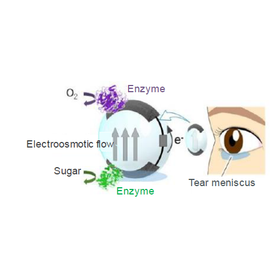
Tohoku Univ. Technology : Electrically moisturized contact lenses : T18-478

Equipped with bio-battery, electroosmotic flow provides moisturizing effect

With the spread of contact lenses (CLs), the number of patients suffering from dry eye is increasing. In addition, the spread of smart CLs with biomonitoring, communication and display functions is expected in the future, and effective measures against dry eye are required.  The present inventors have developed a CL-type device capable of preventing dry eye based on their long accumulated "hydrogel synthesis and molding technology" and "biocompatible battery power generation technology". Specifically, they developed a hydrogel material with high electroosmotic flow generation efficiency and excellent moldability. They found that when applied to CLs, water flow is generated in the lens by energization, which can maintain the wet state of the CL and stabilize the tear film on the cornea. Furthermore, they have succeeded in mounting a bio-battery on a contact lens to drive it as a self-standing device that does not require external power supply (right figure).  The present invention is important not only for the prevention of dry eye, but also for the controlled release of eyedrops and the control of intraocular pressure by inducing aqueous humor drainage. It is expected to develop as a method for injecting and injecting eyedrops into and out of eye holes, which is similar to eye drops and syringes.

  • others

Added to bookmarks

Bookmarks list

Bookmark has been removed

Bookmarks list

You can't add any more bookmarks

By registering as a member, you can increase the number of bookmarks you can save and organize them with labels.

Free membership registration

Hokkaido Univ.Technology :Embolizing agent and kit for blood vessel Embolization : HK24-005

No dosage restrictions and no catheter adhesion

Vascular embolization treatment, a minimally invasive surgery for various blood vessel‐related conditions, has emerged as a crucial method in treating such as hemorrhage, arteriovenous malformation, aneurysms, and hypervascular tumors. Liquid agents present unique advantages, penetrating distal peripheral vasculature inaccessible to solid counterparts while allowing modulation of penetration depth through compositional adjustments. Conventionally used liquid embolic substances include N-butyl cyanoacrylate (NBCA) and ethylene vinyl alcohol copolymer (Onyx ). NBCA embolizes blood vessels by polymerization reaction with blood, and Onyx embolizes blood vessels by precipitation and aggregation in blood. However, in NBCA and Onyx , there is a problem that the embolic substances may stick to the tip of the catheter, injure the inner wall of the blood vessel and the catheter insertion site, and cause bleeding. According to the present invention, it is possible to provide an embolic agent and a kit for blood vessel embolization comprising the embolic agent and the embolic agent having excellent injectability with a syringe and safety and stability in vivo while having blood vessel embolization properties equivalent to those of conventional embolic agents. The present invention comprises as an active ingredient a copolymer of a monomer containing a cationic functional group and a monomer containing an aromatic group, wherein at least a part of the copolymer has a structure represented by general formula.

  • others

Added to bookmarks

Bookmarks list

Bookmark has been removed

Bookmarks list

You can't add any more bookmarks

By registering as a member, you can increase the number of bookmarks you can save and organize them with labels.

Free membership registration

Hirosaki Univ. Technology : Method for improving thermoelectric power of thermoelectric semiconductor : K23-013

Improved thermoelectric power of semiconductors with simple processing

The thermoelectric effect has been applied in a wide range of fields such as thermoelectric power generation and thermoelectric cooling. However, high thermoelectric performance is required for industrial use, and research for the development of new thermoelectric materials is actively carried out.  The influence of the thermoelectric effect by electromigration (EM) has been studied in semiconductor thin films. It is also known that the stress state after the introduction of EM changes depending on the presence or absence of a protective film in metal wiring.   From the above findings, it was found that the thermoelectric performance is improved by introducing EM into metal wiring with a protective film. Metal atoms are moved by the introduction of EM, and by covering the metal wiring with a protective film and introducing EM, the stress distribution is generated inside the wiring, which enables the production of thermoelectric semiconductors with high thermoelectric performance.

  • others

Added to bookmarks

Bookmarks list

Bookmark has been removed

Bookmarks list

You can't add any more bookmarks

By registering as a member, you can increase the number of bookmarks you can save and organize them with labels.

Free membership registration

Hirosaki Univ. Technology : Reliability evaluation method of Multilayer wiring : K23-014

Accurate evaluation of electromigration damage

With the high integration of electronic devices, high temperature of metal wiring and high current density used in circuits are increasing. Then, electromigration (EM) damage due to metal fatigue becomes a problem, which may cause disconnection failure. Therefore, it is important to evaluate the reliability of wiring.  Conventional reliability evaluation methods include empirical equations (Black's equation), but tests for each wiring structure are necessary, and evaluation accuracy is also problematic. Since threshold current density of EM damage exists in multilayer wiring with via connections, evaluation studies of threshold current density have conventionally been conducted. However, evaluation of the EM damage process leading to the generation and growth of voids and disconnection has not been achieved, and a highly accurate evaluation method has been required.  In order to solve the above problems, we have developed a method for evaluating wire life and allowable current with high accuracy and simplicity. In the present invention, the parameters controlling EM damage can be specified and the atomic concentration distribution inside the wiring can be simulated. By utilizing this method, it is also possible to design an effective reservoir structure to improve the threshold current density.

  • others

Added to bookmarks

Bookmarks list

Bookmark has been removed

Bookmarks list

You can't add any more bookmarks

By registering as a member, you can increase the number of bookmarks you can save and organize them with labels.

Free membership registration

Hirosaki Univ. Technology : Thin and flexible force sensor Related patents (1/4):K23-011_K23-022_K23-030_K24-002

Thin, highly integrated sensor capable of measuring low stress range

Measurement of shear stress and contact stress provides important information in various fields such as robotics, medical, digital, and direct skin contact product development Conventional triaxial stress sensors have thick and rigid shapes, so it has been difficult to directly measure shear stress and contact stress in vivo, for example.  In order to solve the above problems, the inventor has developed the following sensors. 1. Patent No. JP5688792 * Related Patent (2/4)  Thin sensor capable of measuring shear stress and contact stress simultaneously 2. Patent No. JP6753615 * Related Patent (3/4)  Highly integrated sensor technology 3. Patent No. JP7466214 * Related Patent (4/4)  A laminated sensor capable of measuring even in a low stress range based on the principle of 1. The present invention is a thin, highly integrated sensor combining the above technologies. Demonstration experiments for various applications have been conducted, and the practical application of this technology is expected.

  • others

Added to bookmarks

Bookmarks list

Bookmark has been removed

Bookmarks list

You can't add any more bookmarks

By registering as a member, you can increase the number of bookmarks you can save and organize them with labels.

Free membership registration

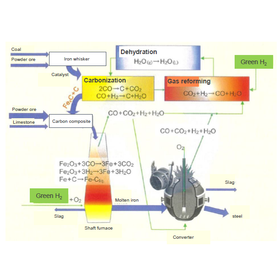
Tohoku Univ. Technology :Carbon recovery from dry smelting flue gases : T21-205

Carbon recovery from CO2 and CO containing gas Use as raw material for ironmaking

 The steel industry, which emits the largest amount of carbon dioxide (CO2), is required to reduce its CO2 emissions as soon as possible.  A process for recovering and recycling solid carbon from gases containing CO2 and carbon monoxide (CO) is known. This process uses water gas shift reaction (CO2+H2→CO+H2O) and carbon deposition reaction (2CO→C+CO2, CO+H2→C+H2O). However, there has been concern that the precipitated carbon is fine and difficult to recover.  This invention enables carbon recovery from CO2 and CO in gas by using porous fibrous iron (iron whisker) as a carbon deposition site. Furthermore, iron raw materials containing carbon could be used directly in the ironmaking process. This may lead to the carbon cycle process in the ironmaking process.

  • others

Added to bookmarks

Bookmarks list

Bookmark has been removed

Bookmarks list

You can't add any more bookmarks

By registering as a member, you can increase the number of bookmarks you can save and organize them with labels.

Free membership registration

Tohoku Univ. Technology :Method for producing tertiary alcohol: T22-005

Improved productivity, environmental friendliness and cost reduction

 Tertiary alcohols, such as tert-butyl alcohol (TBA), are useful as starting materials for pharmaceuticals, agrochemicals, and resins because they have higher oxidation resistance and hydroxyl group reactivity than primary/secandary alcohols. As an industrial process, there is a method of radical oxidation of isobutane under high pressure or without catalyst, but this process has problems of high energy load and low selectivity. As a solution, selective oxidation at ambient pressure using gold nanoparticle catalyst in the presence of hydrogen has been reported. However, there is concern about the risk of explosion because hydrogen and oxygen coexist in this method.  As a result of repeated studies to solve the above problem, the inventor found that isoparaffins can be selectively oxidized using molecular oxygen as an oxidant to produce the corresponding tertiary alcohols with high selectivity and high production rate by using a solid catalyst containing a transition metal oxide of periodic table group 6~9, which does not support gold, and using water instead of conventional hydrogen. In particular, when Co3O4 was used as a catalyst, the selectivity (STAB) of TBA in the product was as high as 99%.

  • others

Added to bookmarks

Bookmarks list

Bookmark has been removed

Bookmarks list

You can't add any more bookmarks

By registering as a member, you can increase the number of bookmarks you can save and organize them with labels.

Free membership registration

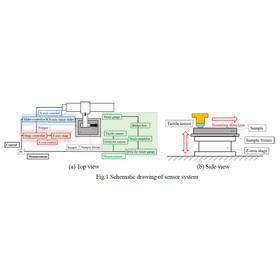
Tohoku Univ. Technology : ADVANCED TACTILE SENSOR SYSTEM : T19-890

EVALUABLE UNDER THE PUSHING FORCE CHANGING SITUATION

This IP is about a sensor system for measuring tactile sensation considering tactile movement. The relationship between the tactile sensation for samples and the sensor output of the tactile sensor system controlled with various pushing forces was investigated. As a result, it was found that the developed tactile sensor system considering pushing force is available to evaluate touch feeling. The sensor system which can control its height to get a desired initial pushing force and the pushing force during sensor scanning was developed. The sensor system describes “Rough-Smooth” tactile sensations when pressing force is decreased gradually. The sensor system describes “Hard-Soft” tactile sensations when pressing force is increased gradually.

  • others

Added to bookmarks

Bookmarks list

Bookmark has been removed

Bookmarks list

You can't add any more bookmarks

By registering as a member, you can increase the number of bookmarks you can save and organize them with labels.

Free membership registration

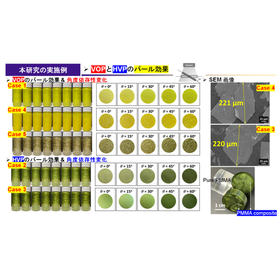
Tohoku Univ. Technology : New Pearlescent Pearl pigment : T24-003

Substrate-free colored plate-like particles

 Conventional pearl pigments were created by coating mica substrates with metal oxides, such as TiO₂. The traditional production process involved two main steps: preparation of the mica substrate and coating with metal oxides. This conventional method made it challenging to control the thickness of the metal oxide layer precisely, making it difficult to achieve stable pearlescent properties and control the hue. As a result, the process was often costly.   This patent introduces a method for producing pearl pigments that exhibit pearlescent properties through a simple and cost-effective process. The pigments comprise vanadium phosphate hydrates and possesses a substrate-free colored plate-like particles. It is possible to provide a strong glossy effect using the pigment with large particle sizes.

  • others

Added to bookmarks

Bookmarks list

Bookmark has been removed

Bookmarks list

You can't add any more bookmarks

By registering as a member, you can increase the number of bookmarks you can save and organize them with labels.

Free membership registration

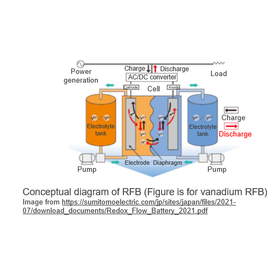
Tohoku Univ. Technology : Titanium ion redox flow battery : T21-163

Redox flow battery with low cost, high electromotive force and current density

 The amount of electricity generated by renewable energy varies a lot on climate, etc. Therefore, it is preferable to use it in combination with storage battery in order to supply stable electric power. Redox flow battery (RFB), which charges and discharges by ion redox reaction, is highly valued for its safety due to its nonflammability, its high durability as the electrolyte & electrode hardly deteriorate, and its low running cost. Vanadium RFB is in practical use but in recent years, the resource price of vanadium active material has jumped, resulting in high initial cost.  This invention uses only titanium as active material for both cathode / anode chambers, which significantly reduces the initial cost. There is existing RFB technology that combines titanium and manganese, but using different elements in the cathode / anode chambers risks contamination due to its principle, so a premature battery degradation could be expected. This invention has an advantage in this field and it is also expected to realize more efficient RFB because of its higher electromotive force and current density that can be extracted compared to conventional vanadium ion RFB.

  • others

Added to bookmarks

Bookmarks list

Bookmark has been removed

Bookmarks list

You can't add any more bookmarks

By registering as a member, you can increase the number of bookmarks you can save and organize them with labels.

Free membership registration

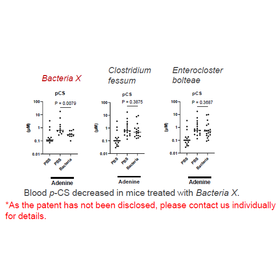
Tohoku Univ. Technology : Intestinal bacteria that reduce uremic substances : T22-046

Intestinal bacteria that reduce p-cresyl sulfate

Previous studies have shown that several uremic substances, which cause exacerbation of diabetic nephropathy, are produced by intestinal bacteria. On the other hand, identification of intestinal bacterial species involved in the production of uremic substances has been difficult due to confounding factors such as renal function. The inventors identified intestinal bacteria involved in the reduction of uremic substances by analyzing them without confounding factors of renal function. The present invention relates to an agent for inhibiting the production of uremic toxins and a functional food containing these bacteria. Sesamol has also been proposed as a functional ingredient for reducing uremic substances by Professor Abe et al., one of the present inventors. (Uremic substance reducing agent containing sesame lignan (ttechnoarch.co.jp)) It is expected that the bacteria of the present invention will not be used as a single agent but will be commercialized aiming at a synergistic effect by combining with the above functional ingredients.

  • others

Added to bookmarks

Bookmarks list

Bookmark has been removed

Bookmarks list

You can't add any more bookmarks

By registering as a member, you can increase the number of bookmarks you can save and organize them with labels.

Free membership registration

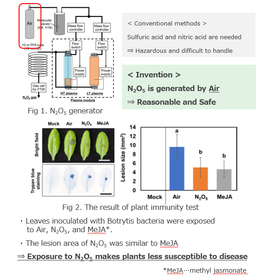
Tohoku Univ. Technology : Dinitrogen pentoxide generator : T20-332_T21-149

・N2O5 generators capable of sterilizing, killing viruses and enhancing plant immunity ・ N2O5 can be generated safely and reasonable.

・ Conventional N2O5 generator is difficult to handle because of the need for hazardous raw materials and complicated equipment, which makes industrial N2O5 utilization difficult. ・ Since the invention succeeded in using Air as the raw material gas, it became possible to generate N2O5 reasonable and safety. ・ It is expected to solve the problems of conventional light and heat sterilization methods and virus inactivation methods, so on. Enhancement of plant immunity ⇒ Expression of disease resistance genes in plants Application of fertilizer components ⇒ Promotion of plant growth by supplying nitrogen components Sterilization and virus removal ⇒ Sterilization and virus removal by N2O5

  • others

Added to bookmarks

Bookmarks list

Bookmark has been removed

Bookmarks list

You can't add any more bookmarks

By registering as a member, you can increase the number of bookmarks you can save and organize them with labels.

Free membership registration

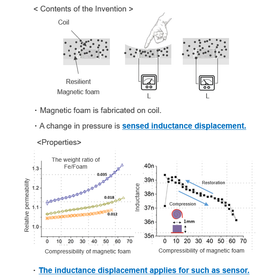
Tohoku Univ/Tohoku Institute of Technology : Transducer, Force Sensor and Sensor Unit : T21-171

Tactile Sensor with a Sense Similar to Humans

To get robots to do their jobs just like people do, it is important for the robot to install a sensor that can sense the same sense as humans.  Conventionally, various types of sensors have been proposed, but they have problems such as a complicated structure and a complicated fabrication process.  In the invention, a transducer is fabricated by forming a magnetic foam to cover a coil that provided on an electric substrate.  Since the transducer is simple to fabricate and can sense a force from inductance displacement even with a small compressive stress, the invention is expected to solve the above problems. 

  • others

Added to bookmarks

Bookmarks list

Bookmark has been removed

Bookmarks list

You can't add any more bookmarks

By registering as a member, you can increase the number of bookmarks you can save and organize them with labels.

Free membership registration

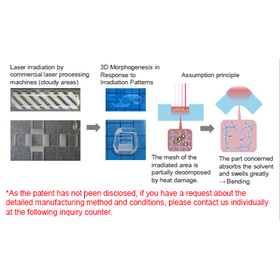
Hokkaido Univ. Technology : Molded body and method for producing Polymer Crosslinked body : HK24-012

Laser irradiation enables reversible 3D processing of gels.

Hydrogel, which is one of the crosslinked polymers, is expected to be used as biomimetic materials because its hardness and water content are similar to those of living organisms. On the other hand, because of its flexibility, it is not suitable for general processing methods such as injection molding, drawing, and cutting. Therefore, methods of molding inside a mold or using a 3D printer have been devised. However, the former has a problem that it is difficult to prepare a mold and cope with complicated shapes, and the latter requires a long time for printing and is difficult to select a material.  To solve this problem, the inventor has found a molding method that can be obtained by spontaneous bending by laser irradiation of the gel surface and swelling of the cut part with a solvent. Since the bending is triggered by swelling due to the solvent, for example, if a hydrogel is used, it is possible to transform the shape from a flat portable shape to a shape meeting the purpose by supplying water just before use. In addition, the present invention is most effective in a double network using water as a solvent, but the same phenomenon has been confirmed in an organogel such as rubber, and can be applied to any kind of gel.

  • others

Added to bookmarks

Bookmarks list

Bookmark has been removed

Bookmarks list

You can't add any more bookmarks

By registering as a member, you can increase the number of bookmarks you can save and organize them with labels.

Free membership registration

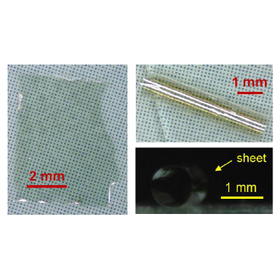
Hokkaido Univ. Technology : Light-driven actuator: HK24-010_HK24-015

To realize an actuator driven by optical stimulation using inorganic materials.

The present invention relates to a light-driven actuator configured to output mechanical motion by utilizing the phenomenon that a material is distorted in response to a light stimulus. Conventionally, in this field, actuators utilizing the phenomenon that organic materials undergo a reversible structural change by a light stimulus have been developed, but there have been problems such as slow driving speed.  In the course of research focusing on inorganic dielectric materials, the inventors succeeded in thinning an oxide material as a single crystal to form a sheet. It was experimentally confirmed that the sheet deforms faster than before in response to light in the ultraviolet range, and the present invention was completed.

  • others

Added to bookmarks

Bookmarks list

Bookmark has been removed

Bookmarks list

You can't add any more bookmarks

By registering as a member, you can increase the number of bookmarks you can save and organize them with labels.

Free membership registration

Tohoku Univ. Technology : Batch fabrication method by laminating method : T24-029

Batch fabricating of complex parts using 3D printing robots

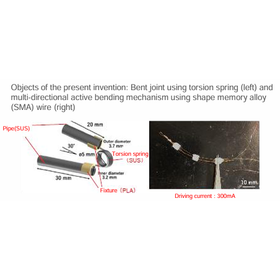
 In the fabricating industry, with the diversification of customer needs, the demand for high-mix, low-volume production and complex fabricating technology is increasing. In particular, for endoscopes, which are produced in high-mix, low-volume production, the parts processing and assembly work are generally carried out manually by skilled workers. However, there have been problems such as variations due to individual differences and time required for production by hand.  In order to solve the above problems, the present invention has developed a method for automatically and collectively creating complex parts fabricating and assembly processes using a 3D printer and a robot arm.  Specifically, a fixing table and a jig are laminated with a soluble material, and the parts are arranged on the main body using a robot arm. Then, the fixing table and the jig are dissolved (see right figure). We were able to test and confirm the operation of this technology by applying it to the joint of a chopstick endoscope used in otology (upper left figure) and a multi directional active bending mechanism using shape memory alloy (SMA) wire (upper right figure).  In the future, we aim to apply this technology to various minimally invasive medical devices and some consumer products by mounting various micro electronic components.

  • others

Added to bookmarks

Bookmarks list

Bookmark has been removed

Bookmarks list

You can't add any more bookmarks

By registering as a member, you can increase the number of bookmarks you can save and organize them with labels.

Free membership registration

Hokkaido Univ. Technology : Bio-Catalytic Approach to Mesoscopic Particle Synthesis : HK24-007

Innovative method using hydrolytic action of enzymes

Mesoscopic particles, ranging from several tens to several hundred nm in size, have attracted attention in a wide range of fields as interesting materials where quantum size effects and bulk effects interact or synergize. Regarding manufacturing methods, top-down approaches such as physical grinding and bottom-up approaches such as chemical synthesis have been proposed. However, these methods face challenges related to yield, dispersibility, and cost, necessitating new solutions.  In this study, the inventor has developed a novel manufacturing method to address these issues: the "Biocatalytic Nanoparticle Shaping method" (BNS method), which utilizes enzymes. The BNS method can be applied to fabricate various mesoscopic particles by combining enzyme-degradable materials with organic/inorganic materials. For example, semiconducting quantum dots (QDs), porphyrin molecules, bipyridine molecules, and nanographene were used as core units, resulting in nearly monodispersed mesoscopic particles with uniform sizes, obtained as stable aqueous dispersions.

  • others

Added to bookmarks

Bookmarks list

Bookmark has been removed

Bookmarks list

You can't add any more bookmarks

By registering as a member, you can increase the number of bookmarks you can save and organize them with labels.

Free membership registration

Tohoku Univ. Technology : Method for producing spherical zinc oxide : T19-905

Method for producing Monodispersed spherical zinc oxide having uniform particle diameter

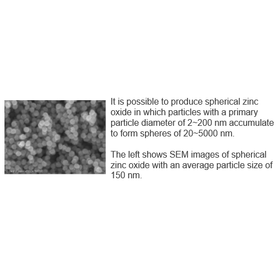
 Zinc oxide is used as an ultraviolet shielding agent in cosmetics such as sunscreens. However, in the conventional manufacturing technology, it was difficult to control the particle size of zinc oxide, and it was considered that the texture was bad. Furthermore, there is concern about the effects on the environment and the human body due to toxic exhaust gas caused by treatment at high temperature and the use of inert gas in the manufacturing process. The present invention relates to a method for producing spherical zinc oxide with uniform particle size and monodisperse, and spherical zinc oxide with a simple, low cost and low environmental impact. The spherical zinc oxide is expected to be used as a cosmetic with high ultraviolet shielding effect, excellent soft focusing property and excellent usability.

  • others

Added to bookmarks

Bookmarks list

Bookmark has been removed

Bookmarks list

You can't add any more bookmarks

By registering as a member, you can increase the number of bookmarks you can save and organize them with labels.

Free membership registration

Tohoku Univ. Technology : Multilayer structure and its manufacturing method : T24-027

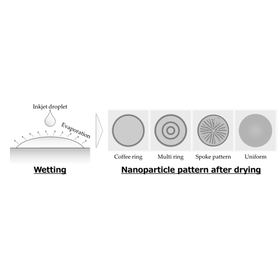
A mathematical model was constructed to determine the pattern of nanofluid flow in droplets and the structure of deposited nanoparticle layer.

 Recently, nanomaterials, including nanofluids and polymer nanocomposite materials, have been extensively investigated. These materials have diverse applications, such as conductive nano-inks, solar cells, and sensors. In contrast, Inkjet technology offers several advantages, including a simple device configuration, high flexibility in material combination, low environmental impact due to on-demand production, and scalability. These attributes have driven growing interest in printed electronics technology, which applies this technique to the fabrication of electronic circuits and devices.  The present invention enables quantitative evaluation of characteristic patterns that emerge in nanofluid droplets ejected from an inkjet nozzle and adhered to a substrate. By developing a mathematical model governing droplet wetting behavior, it became feasible to design flow patterns within nanofluid droplets and nanoparticle patterns deposited on a substrate. Furthermore, a measurement technique for nanofluid droplets has been successfully developed. (See T24-030).

  • others

Added to bookmarks

Bookmarks list

Bookmark has been removed

Bookmarks list

You can't add any more bookmarks

By registering as a member, you can increase the number of bookmarks you can save and organize them with labels.

Free membership registration

Tohoku Univ. Technology : Device to measure nanoparticle distribution : T24-030

Providing measurement technique that enables real-time observation of nanomaterial behavior

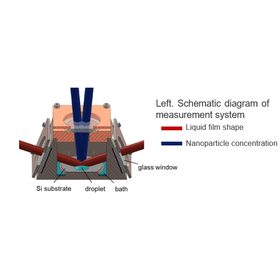
 Recently, nanomaterials with innovative functionalities, such as nanofluids (nanoparticle/solvent mixture) and polymer nanocomposite materials (nanoparticle/polymer mixture), have been extensively investigated. These nanomaterials find diverse applications in fields including conductive nano-inks, solar cells, and sensors, and are frequently utilized as thin films. During the coating and thin-film formation processes of nanomaterials on substrates, a technique capable of precisely observing the liquid film shape and the behavior of the contained nanoparticles is essential.  The present invention enables the simultaneous measurement of the liquid film shape, including nanofluids (nanoparticle/solvent mixture) and polymer nanocomposite coating solutions (nanoparticle/polymer/solvent mixture), as well as the distribution and concentration of nanoparticles within the liquid film. By integrating this device into a manufacturing line, process monitoring becomes feasible. Furthermore, a mathematical model has been successfully developed to comprehend the behavior of nanofluid droplets on a substrate. (See T24-027).

  • others

Added to bookmarks

Bookmarks list

Bookmark has been removed

Bookmarks list

You can't add any more bookmarks

By registering as a member, you can increase the number of bookmarks you can save and organize them with labels.

Free membership registration

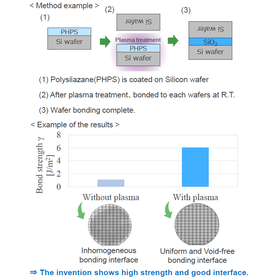
Tohoku Univ. Technology : Room temperature wafer bonding : T24-033

Silicon wafer bonding via polysilazane

Recently, silicon wafers are required to be bonded to each other in the fields of semiconductors and MEMS devices. However, since the conventional wafer bonding technology requires bonding at a high temperature, thermal stress and warpage in the wafer makes the circuit failure. This is the simple wafer bonding technology which can be bonded to each other simply by overlapping and pressurizing the other silicon wafer via plasma treated polysilazane coating. This technology doesn't require the high-temperature bonding process, which is expected to increase the yield of semiconductor and MEMS devices.

  • others

Added to bookmarks

Bookmarks list

Bookmark has been removed

Bookmarks list

You can't add any more bookmarks

By registering as a member, you can increase the number of bookmarks you can save and organize them with labels.

Free membership registration

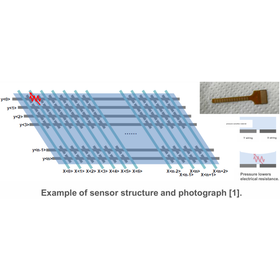
Hokkaido Univ. Technology : High-sensitivity single-sided pressure sensor with depth detection:HK24-002

From telemedicine to industrial applications, real-time tactile information

■Social Challenges and Market Background In telemedicine, the inability to perform palpation limits diagnostic accuracy. Conventional pressure sensors are costly, lack sufficient sensitivity, and cannot measure depth. As populations age and regional disparities in healthcare access grow, remote diagnostic tools with palpation capabilities are in high demand. The global tactile sensor market is projected to grow at a compound annual growth rate (CAGR) of over 10%. ■Technology Overview This technology features a single-sided wiring structure that achieves high sensitivity while reducing manufacturing costs to approximately one-tenth of conventional designs. It enables real-time measurement of pressure, depth, and viscosity, and its fingertip-mounted form factor allows seamless use in clinical or field settings. Applications extend from medical and healthcare to industrial inspection and product quality control. ■Advantages Over Conventional Technology *For details, please refer to the PDF

  • others

Added to bookmarks

Bookmarks list

Bookmark has been removed

Bookmarks list

You can't add any more bookmarks

By registering as a member, you can increase the number of bookmarks you can save and organize them with labels.

Free membership registration

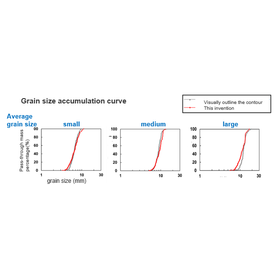
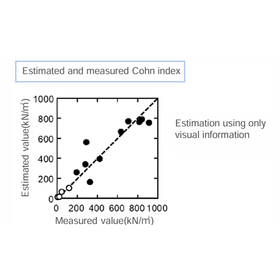
Tohoku Univ. Technology : Estimation method of grain size of crushed stone : T24-032

Real-time high-precision estimation of grain size of blasted crushed stone

Crushed stone is essential materials for transportation infrastructure and civil engineering structures. Crushed stone mining is carried out in the order of drilling, blasting, splitting, scooping, and transportation. The cost of scooping and transportation is affected by the grain size of the blasted crushed stone. Therefore, the blasting aiming at the optimum grain size is important, and the automation of the grain size evaluation of the blasted crushed stone is required.  Conventionally, a method for extracting grain size by binarizing images has been devised. However, there have been problems in estimation accuracy because of similar colors of crushed stone and overlapping of crushed stones.  In the present invention, focusing on the fact that the overlap of crushed stone changes during the scooping process using a hydraulic shovel or the like, we developed a method for accurately estimating grain size by eliminating the overlap of crushed stone by binarizing images extracted from the video of the scooping process with multiple threshold values. This invention is expected to lead to automation of the blasting cycle and realize safe and efficient blasting.

  • others

Added to bookmarks

Bookmarks list

Bookmark has been removed

Bookmarks list

You can't add any more bookmarks

By registering as a member, you can increase the number of bookmarks you can save and organize them with labels.

Free membership registration

Hokkaido Univ. Technology : Electrode and control method of Overvoltage : HK24-016

Decrease of overpotential by surface structure

 Hydrogen production by water electrolysis has attracted attention in terms of realizing carbon neutrality.  However, large overvoltage (= overpotential) is a challenge that causes excessive degradation for the electrode in conventional electrodes. To solve this challenge, optimization of the material composition of the electrode has been advanced, but it is not sufficient.  In the invention, as a new electrode design approach, the surface structure of the electrode (nano/micro structure) is calculated and designed in terms of introduction of the interaction with the electronic polarization of chemical reaction intermediates or the vibrational polarization of water molecules in water electrolysis. It can reduce the overpotential and Tafel slope by applying above method successfully.  The invention enables water electrolysis with low overpotential, and is expected to reduce power consumption and extend the life of the electrode.

  • others

Added to bookmarks

Bookmarks list

Bookmark has been removed

Bookmarks list

You can't add any more bookmarks

By registering as a member, you can increase the number of bookmarks you can save and organize them with labels.

Free membership registration

Hokkaido Univ. Technology :The most Advanced Analog RoF technology of Beyond 5G (6G) : HK24-009

High-precision control of radio signals with simple configuration

 In order to increase the transmission capacity in wireless communication, the use of high frequency bands is being promoted, and it is required to reduce the load of signal processing in the base station. Specifically, the transition from digital optical wireless technology to analog radio-over-fiber (RoF) technology is being studied. However, in A-RoF, it is difficult to control the phase of radio waves in the base station, so MIMO (Multiple Input Multiple Output) signal processing also needs to be performed in the aggregation station. However, in the conventional A-RoF communication system, there is a problem that it is necessary to accurately control the phase of the A-RoF signal for each antenna element.   According to the present invention, it has become possible to provide a MIMO signal processing device and an optical wireless communication system that enable MIMO signal processing for beamforming that accurately controls the phase of the A-RoF signal that enable MIMO signal processing for multi-beamforming that accurately controls the phase of the A-RoF signal with monochromatic optical carrier wave.

  • others

Added to bookmarks

Bookmarks list

Bookmark has been removed

Bookmarks list

You can't add any more bookmarks

By registering as a member, you can increase the number of bookmarks you can save and organize them with labels.

Free membership registration

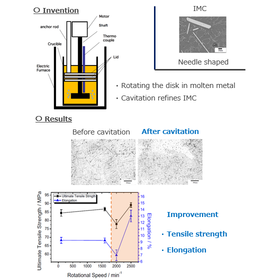
Tohoku Univ. Technology : Aluminum recycling technology : T21-372

Detoxification of impurities using cavitation

Improving the recycling rate of aluminum (Al) is becoming more important. Recycled Al contains impurities such as iron, silicon, and zirconia, which form intermetallic compounds(IMC) and reduce its mechanical strength. Convectional methods use ultrasonic vibrations to refine these compounds, but scaling up the process remains a challenge. To solve it, the inventor has invented a machine that applies cavitation treatment to molten recycled Al. This simple machine design makes it easier to scale up and use in industrial applications compared to conventional methods. Experimental results showed that the machine effectively refined IMC and improved the strength of recycled Al. This invention could significantly advance aluminum recycling.

  • others

Added to bookmarks

Bookmarks list

Bookmark has been removed

Bookmarks list

You can't add any more bookmarks

By registering as a member, you can increase the number of bookmarks you can save and organize them with labels.

Free membership registration

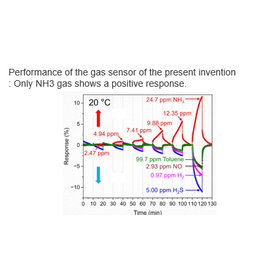
Tohoku Univ. Technology : Diaper Sensor: T24-065

Sensors with high body affinity and capable of identifying excreta

The market for "smart diapers" that detect the state of diapers and inform when to change diapers is expanding. Conventional diaper sensors that measure humidity or NH3 gas are known, but they only detect urine and cannot distinguish between urine and feces. In addition, in semiconductor gas sensors, since the operating temperature of the sensor is high, it is necessary to heat the sensor chip. The present invention solves the above problem and provides a diaper sensor that can distinguish urine and feces at room temperature. Moreover, by using a flexible substrate, a device that is thin, small, flexible, and highly biocompatible can be realized.

  • others

Added to bookmarks

Bookmarks list

Bookmark has been removed

Bookmarks list

You can't add any more bookmarks

By registering as a member, you can increase the number of bookmarks you can save and organize them with labels.

Free membership registration

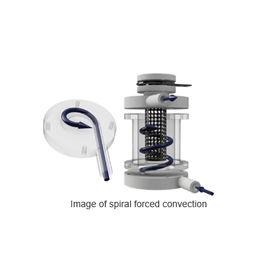
Tohoku Univ. Technology : The Process of Copper Electrorefining : T23-082

Copper Electrorefining Cell Suitable for Treatment of Low-Grade Copper Anodes (Black Copper)

In copper smelting, the use of recycled raw materials such as e-scrap are increasing. However, since low-grade copper anodes (black copper) made from recycled raw materials are easily passivated. Therefor treatment by electrorefining has not been established. Treatment by electrowinning is now available, but it requires much more power than electrorefining. In order to solve the above problem, basket electrolysis using shot-anodes with large specific surface area has been studied to suppress the passivation of the anode surface. But the current density of the cathode must be increased, and Cu ions must be supplied to the cathode for smooth electrodeposition. The present invention is a spiral convection cell suitable for copper electrorefining which can strongly stir an electrolyte.

  • others

Added to bookmarks

Bookmarks list

Bookmark has been removed

Bookmarks list

You can't add any more bookmarks

By registering as a member, you can increase the number of bookmarks you can save and organize them with labels.

Free membership registration

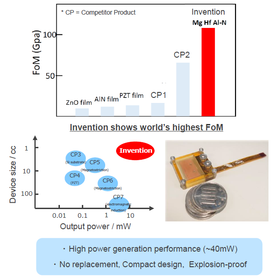
Tohoku Univ.Technology : Piezoelectric thin film & Piezoelectric device : T17-157

MgHfAlN film, World’s Highest FoM

Lead zirconate titanate (PZT) has been widely used as a piezoelectric material in sensors, actuators, and related applications. However, the presence of toxic Pb (lead) in PZT necessitates the search for safer alternatives.  This innovative solution introduces a MgHf co-doped AlN thin film that exhibits exceptional piezoelectric properties.  The MgHfAlN film is not only lead-free but also achieves groundbreaking performance, boasting the world's highest figure of merit (FoM) exceeding 45 GPa. Additionally, its piezoelectric strain constant (d33) exceeds 23 pm/V, and it delivers an impressive output power of 40 mW within a compact device size of just 1cc.  This technology holds significant potential for applications in vibration-powered generator, electric field sensors, force sensors, slip sensors, and more.

  • others

Added to bookmarks

Bookmarks list

Bookmark has been removed

Bookmarks list

You can't add any more bookmarks

By registering as a member, you can increase the number of bookmarks you can save and organize them with labels.

Free membership registration
Prev 1...678910 Next
  • 金属・化学・窯業・食品・医療品などのほぐし・解砕・ふるい分けがこれ一台 解砕機構付き佐藤式振動ふるい機 つばさ デモ実施中!
  • あなたの設計時間 CADに奪われていませんか? 制約から解放される新たな設計環境へ
    • Contact this company

      Inquiry Form

    Products

    • Search for Products

    Company

    • Search for Companies

    Special Features

    • Special Features

    Ranking

    • Overall Products Ranking
    • Overall Company Ranking

    support

    • site map
    IPROS
    • privacy policy Regarding external transmission of information
    • terms of service
    • About Us
    • Careers
    • Advertising
    COPYRIGHT © 2001-2026 IPROS CORPORATION ALL RIGHTS RESERVED.
    Please note that the English text on this page is automatically translated and may contain inaccuracies.