iPROS Manufacturing
  • Search for products by classification category

    • Electronic Components and Modules
      Electronic Components and Modules
      61672items
    • Machinery Parts
      Machinery Parts
      75926items
    • Manufacturing and processing machinery
      Manufacturing and processing machinery
      102033items
    • Scientific and Physics Equipment
      Scientific and Physics Equipment
      36334items
    • Materials
      Materials
      37774items
    • Measurement and Analysis
      Measurement and Analysis
      55161items
    • Image Processing
      Image Processing
      15372items
    • Control and Electrical Equipment
      Control and Electrical Equipment
      54559items
    • Tools, consumables, and supplies
      Tools, consumables, and supplies
      65598items
    • Design and production support
      Design and production support
      12663items
    • IT/Network
      IT/Network
      45645items
    • Office
      Office
      14182items
    • Business support services
      Business support services
      25346items
    • Seminars and Skill Development
      Seminars and Skill Development
      6559items
    • Pharmaceutical and food related
      Pharmaceutical and food related
      34167items
    • others
      75345items
  • Search for companies by industry

    • Manufacturing and processing contract
      7338
    • others
      4986
    • Industrial Machinery
      4445
    • Machine elements and parts
      3330
    • Other manufacturing
      2883
    • Trading company/Wholesale
      2650
    • IT/Telecommunications
      2571
    • Industrial Electrical Equipment
      2319
    • Building materials, supplies and fixtures
      1816
    • software
      1666
    • Electronic Components and Semiconductors
      1587
    • Resin/Plastic
      1500
    • Service Industry
      1478
    • Testing, Analysis and Measurement
      1130
    • Ferrous/Non-ferrous metals
      986
    • environment
      699
    • Chemical
      640
    • Automobiles and Transportation Equipment
      581
    • Printing Industry
      513
    • Information and Communications
      465
    • Consumer Electronics
      412
    • Energy
      333
    • Rubber products
      317
    • Food Machinery
      308
    • Optical Instruments
      279
    • robot
      273
    • fiber
      254
    • Paper and pulp
      230
    • Pharmaceuticals and Biotechnology
      173
    • Electricity, Gas and Water Industry
      167
    • Warehousing and transport related industries
      149
    • Glass and clay products
      139
    • Food and Beverage
      130
    • CAD/CAM
      124
    • retail
      108
    • Medical Devices
      107
    • Educational and Research Institutions
      107
    • Ceramics
      98
    • wood
      87
    • Transportation
      84
    • Petroleum and coal products
      63
    • Medical and Welfare
      62
    • Shipbuilding and heavy machinery
      51
    • Aviation & Aerospace
      48
    • Fisheries, Agriculture and Forestry
      41
    • equipment
      40
    • Materials
      33
    • Public interest/special/independent administrative agency
      31
    • Research and development equipment and devices
      29
    • Government
      24
    • self-employed
      24
    • Mining
      17
    • cosmetics
      15
    • Finance, securities and insurance
      14
    • Restaurants and accommodations
      10
    • Individual
      10
    • Police, Fire Department, Self-Defense Forces
      7
    • Laboratory Equipment and Consumables
      5
    • Raw materials for reagents and chemicals
      4
    • Contracted research
      3
  • Special Features
  • Ranking

    • Overall Products Ranking
    • Overall Company Ranking
Search for Products
  • Search for products by classification category

  • Electronic Components and Modules
  • Machinery Parts
  • Manufacturing and processing machinery
  • Scientific and Physics Equipment
  • Materials
  • Measurement and Analysis
  • Image Processing
  • Control and Electrical Equipment
  • Tools, consumables, and supplies
  • Design and production support
  • IT/Network
  • Office
  • Business support services
  • Seminars and Skill Development
  • Pharmaceutical and food related
  • others
Search for Companies
  • Search for companies by industry

  • Manufacturing and processing contract
  • others
  • Industrial Machinery
  • Machine elements and parts
  • Other manufacturing
  • Trading company/Wholesale
  • IT/Telecommunications
  • Industrial Electrical Equipment
  • Building materials, supplies and fixtures
  • software
  • Electronic Components and Semiconductors
  • Resin/Plastic
  • Service Industry
  • Testing, Analysis and Measurement
  • Ferrous/Non-ferrous metals
  • environment
  • Chemical
  • Automobiles and Transportation Equipment
  • Printing Industry
  • Information and Communications
  • Consumer Electronics
  • Energy
  • Rubber products
  • Food Machinery
  • Optical Instruments
  • robot
  • fiber
  • Paper and pulp
  • Pharmaceuticals and Biotechnology
  • Electricity, Gas and Water Industry
  • Warehousing and transport related industries
  • Glass and clay products
  • Food and Beverage
  • CAD/CAM
  • retail
  • Medical Devices
  • Educational and Research Institutions
  • Ceramics
  • wood
  • Transportation
  • Petroleum and coal products
  • Medical and Welfare
  • Shipbuilding and heavy machinery
  • Aviation & Aerospace
  • Fisheries, Agriculture and Forestry
  • equipment
  • Materials
  • Public interest/special/independent administrative agency
  • Research and development equipment and devices
  • Government
  • self-employed
  • Mining
  • cosmetics
  • Finance, securities and insurance
  • Restaurants and accommodations
  • Individual
  • Police, Fire Department, Self-Defense Forces
  • Laboratory Equipment and Consumables
  • Raw materials for reagents and chemicals
  • Contracted research
Special Features
Ranking
  • Overall Products Ranking
  • Overall Company Ranking
  • privacy policy
  • terms of service
  • About Us
  • Careers
  • Advertising
  1. Home
  2. environment
  3. トリイ
  4. Product/Service List
environment
  • Added to bookmarks

    Bookmarks list

    Bookmark has been removed

    Bookmarks list

    You can't add any more bookmarks

    By registering as a member, you can increase the number of bookmarks you can save and organize them with labels.

    Free membership registration

トリイ

addressAichi/Nishio-shi/36 Emukae, Ajihama, Isshikimachi
phone0563-72-8220
  • Special site
  • Official site
last updated:Sep 04, 2026
トリイlogo
  • Contact this company

    Inquiry Form
  • Before making an inquiry

    Download Profile
  • Company information
  • Products/Services(213)
  • catalog(61)
  • news(0)

トリイ Product Lineup

  • category

136~180 item / All 213 items

Displayed results

Filter by category

凝集剤・フロックの基礎知識 凝集剤・フロックの基礎知識
食品・薬品の基礎知識 食品・薬品の基礎知識
食品表示・添加物の基礎知識 食品表示・添加物の基礎知識
甘味料・うま味の基礎知識 甘味料・うま味の基礎知識
設備部品の基礎知識 設備部品の基礎知識
水道水・井戸水・水質基準 水道水・井戸水・水質基準
水質測定(pH・電気伝導率) 水質測定(pH・電気伝導率)
純水・超純水・工業用水 純水・超純水・工業用水
軟水・硬水の基礎知識 軟水・硬水の基礎知識
純水器・軟水器の提案 純水器・軟水器の提案
排水処理の基礎知識 排水処理の基礎知識
排水処理場の点検・保全サービス 排水処理場の点検・保全サービス
排水処理のトラブル事例 排水処理のトラブル事例
冷却塔の基礎知識とメンテナンス 冷却塔の基礎知識とメンテナンス
ボイラーの構造・運転・法規制 ボイラーの構造・運転・法規制
ボイラーの整備・点検・メンテナンス ボイラーの整備・点検・メンテナンス
ボイラーの更新・省エネ・コスト削減 ボイラーの更新・省エネ・コスト削減
ボイラーの薬品・スケール対策 ボイラーの薬品・スケール対策
class="retina-image"

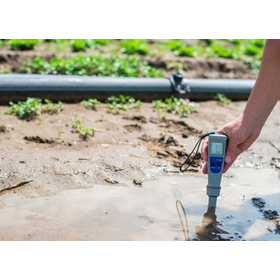
What are the types of pH meters and how to choose them? 【Basic Knowledge】

The reasons for pH measurement range widely from "quality control" to "environmental monitoring"!

There are actually many places in factories where pH is measured. Depending on the purpose and location, the shape of the equipment and the measurement method vary. ■ Uses range from "quality control" to "environmental monitoring" The applications of pH measurement are very broad, covering everything from process management in product manufacturing at factories to pollution monitoring of factory wastewater and river water. Both management to maintain consistent product quality and management to ensure that discharged water meets standards are capturing the state of water using the same measure: pH. ■ Choose the shape and measurement method according to usage The shapes of the equipment include portable handheld types, desktop types for use on tables, and fixed types for continuous monitoring installed in facilities. There are also multiple measurement methods, including indicator reagent types that show color changes, antimony electrode types, and glass electrode types that offer superior accuracy. Choosing between convenience and accuracy or continuous monitoring is essential. Selecting the right combination for your application is the first step toward proper water quality management. You can find an explanation of how to choose pH management and water quality measurement equipment suitable for your needs in this document. Please download the document!
  • pH meter
  • pH meter
  • pH Meter

Added to bookmarks

Bookmarks list

Bookmark has been removed

Bookmarks list

You can't add any more bookmarks

By registering as a member, you can increase the number of bookmarks you can save and organize them with labels.

Free membership registration

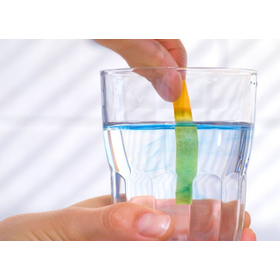
Basic Water Quality Management! What are the methods for measuring pH? 【Fundamental Knowledge】

There are precise instruments and convenient test strips for measuring pH!

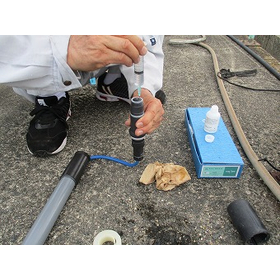
The pH, which is fundamental to water quality management. There are two methods for measuring it: using precise instruments and convenient test strips, which are chosen based on the purpose. ■ pH Meter (measures accurately with electricity) A pH meter is an electrical measuring device that uses an internal glass electrode. When two types of solutions are separated by a glass membrane, a potential difference arises according to the difference in pH between the two. By utilizing this mechanism, the potential generated between the reference solution inside the electrode and the water to be measured is read to accurately quantify the pH. However, to maintain accuracy and reliability, it is necessary to regularly perform "calibration" (adjusting to correct values) not only when starting to use it or when replacing the electrode but also during use. ■ pH Test Strips (easy determination by color) pH test strips are paper that determines the approximate pH of a liquid by color change. They start as green, and when immersed in a liquid, they change from red (acidic) to green (neutral) to blue (alkaline) depending on the pH. For example, if a strong acid like sulfuric acid is present, it will show red. While they are less accurate than instruments in terms of numerical precision, their strengths lie in the fact that they do not require power or calibration, allowing for quick assessments of acidity or alkalinity on the spot. The appropriate methods for pH management and water quality measurement according to your needs are explained in this document. Please download the document!

  • pH meter
  • pH meter
  • pH Meter

Added to bookmarks

Bookmarks list

Bookmark has been removed

Bookmarks list

You can't add any more bookmarks

By registering as a member, you can increase the number of bookmarks you can save and organize them with labels.

Free membership registration

What is hardness leakage in water softeners? [Basic Knowledge]

Hardness leakage occurs when the resin becomes saturated and stops functioning! Is salt effective in avoiding this?

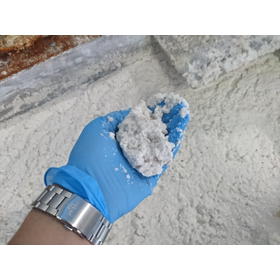
Even though a water softener is installed, hard water continues to come out. This phenomenon has a clear mechanism and prevention method. ■ What is hardness leakage? A water softener uses a material called ion exchange resin to remove hardness components (calcium and magnesium) contained in tap water to produce soft water. However, there is a limit to the amount of hardness components that this resin can absorb. Once the removal continues to a certain extent, the resin becomes saturated and stops functioning, allowing hard water to pass through unchanged. This is called hardness leakage. ■ "Regeneration" is essential to avoid it The key to prevention is the process of "regeneration," which involves regularly cleaning the resin to restore its function. Salt (sodium chloride) is used for this. Rinsing the resin with a saltwater solution of about 10 percent separates the hardness components that were attached to the resin, returning it to its original clean state. If this regeneration is not performed regularly, the benefits of soft water will not be achieved even if a water softener is installed. Ignoring hardness leakage can also lead to scale (deposits similar to limescale) in boilers and piping. The methods for regenerating a water softener and managing water quality are explained in this document. Please download the document!

  • Pure water production equipment
  • Other pure water production equipment
  • Pure water production equipment

Added to bookmarks

Bookmarks list

Bookmark has been removed

Bookmarks list

You can't add any more bookmarks

By registering as a member, you can increase the number of bookmarks you can save and organize them with labels.

Free membership registration

What causes a water softener to experience hardness leakage? 【Basic Knowledge】

The causes of hardness leakage can be divided into four categories! (Water softener)

The water coming out of the softener is unexpectedly hard. This "hardness leakage" can be addressed more quickly if the cause is identified. ■ What is hardness leakage? A water softener uses ion exchange resin to remove calcium and magnesium (hardness components) from water to create soft water. This resin is regenerated with brine and reused, but if there is some malfunction, hardness components can mix with the treated water, resulting in hardness leakage. If left unaddressed, it can cause scale (deposits similar to limescale) in boilers and piping. ■ Causes can be categorized into four main patterns The cause can be identified by the symptoms.  ❶ If the hardness of the treated water is the same as that of the raw water, it may be due to forgetting to regenerate, forgetting to add salt, salt clumping in the salt tank, or clogging in the chemical injection line—indicating that "regeneration is not functioning."  ❷ If it leaks from the beginning, it may be due to water bypassing the resin layer or insufficient salt leading to poor regeneration.  ❸ If it suddenly leaks while the water intake is low, it may be due to poor regeneration, resin washout, or a sudden change in raw water hardness.  ❹ If it leaks gradually, it may be due to resin degradation or the adhesion of iron and silica, indicating "reduction in resin performance." How to identify the cause and proceed with resin replacement and water quality management is explained in this document. Please download the document!

  • Pure water production equipment
  • Water purifiers/water softeners
  • Other pure water production equipment

Added to bookmarks

Bookmarks list

Bookmark has been removed

Bookmarks list

You can't add any more bookmarks

By registering as a member, you can increase the number of bookmarks you can save and organize them with labels.

Free membership registration

What is water concentration? 【Basic Knowledge】

The cause of water-related troubles in the factory is that "something dissolved in the water remains"?!

⬛️ What is water concentration? Water concentration refers to the phenomenon where the concentration of impurities, such as mineral components dissolved in water, becomes higher as moisture evaporates. A familiar example is miso soup. When it is heated and reduced, it becomes thicker and saltier because only the moisture evaporates, leaving the components of the miso intact. Even if the water itself decreases, the dissolved components do not escape and become concentrated. ⬛️ If concentration is left unattended, pipes can clog and iron can rust. The same thing happens in boilers and cooling towers. As operation continues, moisture evaporates and the components in the water become concentrated. If it becomes too concentrated, the components can solidify and adhere to pipes and heat transfer surfaces, causing scale (similar to deposits) and corrosion, which directly leads to decreased thermal efficiency and equipment troubles. Measures such as "blowing down," which involves discharging a portion of the concentrated water and replenishing it with fresh water, and regular water quality management are essential. The approach to water quality management and scale prevention for boilers and cooling towers is explained in this document. Please download the document!

  • Cooling system
  • Other heating and cooling equipment

Added to bookmarks

Bookmarks list

Bookmark has been removed

Bookmarks list

You can't add any more bookmarks

By registering as a member, you can increase the number of bookmarks you can save and organize them with labels.

Free membership registration

What are the basics of boilers and corrosion? 【Basic Knowledge】

What are the methods to suppress boiler corrosion?

When it comes to boiler failures, people tend to imagine a large explosion, but the gradual progression of "corrosion" is also a significant factor that affects the lifespan of the equipment. ⬛︎ Types of Corrosion Corrosion in low-pressure boilers can be broadly classified into general corrosion, where the metal surface uniformly diminishes, and localized corrosion, where only specific areas are intensely affected. Localized corrosion includes pitting, which progresses deeply in spots, and crevice corrosion, which occurs at overlapping parts of components. From the perspective of maintaining healthy operation, localized corrosion is particularly concerning. Even if the overall structure appears sound, localized areas can progress deeply, leading to holes or leaks. ⬛︎ Key Points for Countermeasures To mitigate corrosion, managing water quality is fundamental. Specifically, it involves maintaining an appropriate pH (between 11.0 and 11.8), keeping harmful corrosive components below standard levels, removing dissolved oxygen (oxygen dissolved in water) that promotes corrosion, and ensuring that water is always flowing to prevent stagnation. Continuous maintenance of these factors requires regular water quality testing and chemical adjustments. Measures against corrosion through water treatment and guidelines for inspecting boiler equipment are explained in this document. Please download the document!

  • Boiler
  • boiler
  • Steamer for boiler

Added to bookmarks

Bookmarks list

Bookmark has been removed

Bookmarks list

You can't add any more bookmarks

By registering as a member, you can increase the number of bookmarks you can save and organize them with labels.

Free membership registration

What are boilers and steam traps? [Basic Knowledge]

If the boiler is malfunctioning, let's check the steam trap!

◼️ What is a steam trap? While steam is flashy, the real troublemaker in a factory's steam piping is the "water" that forms when steam cools. A steam trap is a device that automatically discharges condensate (drain) that accumulates in equipment and piping handling steam, such as boilers. It holds back the steam and allows only the condensate that has turned into water to escape. It can be understood as a "checkpoint that lets water through but not steam." ◼️ Purpose of installation When condensate accumulates in the piping, high-speed steam pushes the water out, causing water hammer (hydraulic shock) that impacts the piping and fittings. It is installed to prevent damage to equipment and leaks. ◼️ Points to be aware of There are multiple types of traps, such as bucket-type, each with different structures, so it is essential to understand the type when repairing or replacing them. Additionally, failures have two faces. If it breaks while closed, the condensate will not be discharged, leading to issues; if it breaks while open, steam will continue to leak, quietly wasting fuel. The latter is harder to notice, making regular inspections important. The structure of traps and how to conduct inspections and energy-saving diagnostics are explained in this document. Please download the material!

  • Boiler
  • boiler
  • Steamer for boiler

Added to bookmarks

Bookmarks list

Bookmark has been removed

Bookmarks list

You can't add any more bookmarks

By registering as a member, you can increase the number of bookmarks you can save and organize them with labels.

Free membership registration

What causes the smell of wastewater treatment? [Basic Knowledge]

The main cause of unpleasant odors generated at wastewater treatment plants is this!

The unique smell of the wastewater treatment plant. Are you just brushing it off with "Well, it's that kind of place, so it can't be helped"? In fact, that smell is a sign that can be life-threatening for workers. ■ The source of the smell like rotten eggs A typical foul odor generated in wastewater treatment is hydrogen sulfide (H2S, which smells like rotten eggs). The troublesome part is that its specific gravity is about 1.2 times that of air. This means it is heavier than air and accumulates in "low places" such as pits and tanks. While the smell may be faint above, there is a risk of suddenly plunging your head into a high-concentration layer when you bend down. ■ Moreover, the danger of "getting used to it" Hydrogen sulfide has a strong odor at low concentrations, but at high concentrations, it can numb the sense of smell, making it undetectable. This does not mean "it smells less than before = it has become safe"; rather, it indicates that you may have entered a dangerous zone. The inability to use the presence or absence of smell as a safety gauge is the most frightening aspect of this substance. Other foul-smelling substances, such as methyl mercaptan (which smells like rotten onions) and ammonia, also exist, each with different properties. We have summarized methods to ensure safety in wastewater treatment plant inspections not relying on smell but on systems in this document.

  • Odor Testing
  • Air sterilization and deodorization equipment
  • Deodorizing and anti-odor products

Added to bookmarks

Bookmarks list

Bookmark has been removed

Bookmarks list

You can't add any more bookmarks

By registering as a member, you can increase the number of bookmarks you can save and organize them with labels.

Free membership registration

No need to measure seasonings? We deliver blended seasonings! A case study from a food factory.

We will measure various ingredients in grams and deliver them in one package!

In mass production settings, the task of weighing various types of raw materials in grams is burdensome. By weighing these raw materials and providing them in one package, the weighing process itself can be outsourced. ◼️ Benefits of One-Packing - Multiple raw materials (such as salt, sugar, spices, and extracts) are pre-mixed. We deliver them in a state where you only need to "add one bag at a time" on-site. - This prevents "flavor inconsistencies" and "rework" caused by weighing errors. ◼️ Reduction of Raw Material Waste and Streamlining Inventory Management - "Reduction of waste loss": There is no need to individually stock spices and additives that are used in small quantities, significantly reducing the risk of waste due to expiration. - "Simplification of material management": By consolidating 10 types of raw materials into one "special seasoning (blended seasoning)," we compress the costs of ordering, inspection, and storage space. For more details on our proposal, please refer to the downloadable materials.

  • seasoning
  • Stabilizer
  • sweetener

Added to bookmarks

Bookmarks list

Bookmark has been removed

Bookmarks list

You can't add any more bookmarks

By registering as a member, you can increase the number of bookmarks you can save and organize them with labels.

Free membership registration

Can replacing sugar prevent burning? A case study of confectionery manufacturers.

Leave it to us for a natural and unique blend of sweetness! (Natural sweeteners, synthetic sweeteners)

We received an inquiry from a customer at a confectionery manufacturer stating, "Using sugar as an ingredient makes the dough prone to burning during baking, which worsens the manufacturing yield." ◼️ Issues - We want to add sweetness without burning the dough. - We want to get as close as possible to the sweetness of sugar. Sugar is prone to undergoing the Maillard reaction during heating, which creates color and aroma, but in some products, it can also cause "burning." Therefore, a replacement with a sweetener that is less likely to burn was required. ◼️ Proposal We proposed a blend that utilizes the characteristics of natural and synthetic sweeteners to replicate a natural sweetness close to sugar by controlling the onset of sweetness (the speed at which it is perceived) and the aftertaste. For more details on our proposal, please refer to the downloadable materials.

  • Shumai filling and forming machine
  • Baking machine
  • Convection Oven

Added to bookmarks

Bookmarks list

Bookmark has been removed

Bookmarks list

You can't add any more bookmarks

By registering as a member, you can increase the number of bookmarks you can save and organize them with labels.

Free membership registration

Rising raw material costs squeezing profits? Ways to enhance flavor components! A case study in seafood processing.

Leave the formulation and proposal of cost-conscious food additives and umami components to us!

We received an inquiry from a customer who is a seafood processing manufacturer, stating that "the price of scallop raw materials has been rising year by year, leading to increased costs." ■ Challenges • We want to maintain the same flavor while reducing the amount of scallop raw materials used. • We aim to keep costs down without compromising the balance of flavor and umami in the product. ■ Proposal By using disodium succinate, a unique umami component of scallops, as a supplementary ingredient, we have successfully reduced the amount of raw scallops used while recreating the same level of umami and satisfaction! Please refer to the downloadable materials for more details on our proposal.

  • seasoning
  • Umami
  • sweetener

Added to bookmarks

Bookmarks list

Bookmark has been removed

Bookmarks list

You can't add any more bookmarks

By registering as a member, you can increase the number of bookmarks you can save and organize them with labels.

Free membership registration

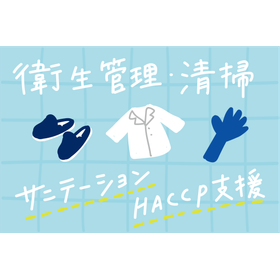
What is the best method to eliminate stubborn slime and odor from drainage ditches? A case study from a food factory.

Leave hygiene management (sanitation and HACCP support) to us!

Our customer at the food factory was troubled by stubborn slime in the drains. Regular detergents were not effective, resulting in significant time and effort spent on cleaning. They faced challenges such as: - Inability to remove odors and slime from the drains - Desire to reduce cleaning time It was necessary to fundamentally eliminate the protein, which is the cause of the problem, and to remove odors and slime, while achieving a clean state in a short time without much effort. We proposed selecting chemicals tailored to the site! For more details on our proposal, please refer to the downloadable materials.

  • detergent
  • Plant-based detergent
  • Chemicals and anti-mold materials

Added to bookmarks

Bookmarks list

Bookmark has been removed

Bookmarks list

You can't add any more bookmarks

By registering as a member, you can increase the number of bookmarks you can save and organize them with labels.

Free membership registration

I want to create high-priced products for high-end preferences! A case study of a confectionery manufacturer.

We will support you in creating a unique "flavor" that cannot be imitated by other companies!

We received an inquiry from a confectionery manufacturer expressing a desire to create a new product aimed at high-end consumers that is not just flavored but authentic and can increase unit prices. Currently, there are challenges such as: - The texture tends to be monotonous - Commonly used seasonings feel unsatisfactory. It's a given that the taste should be good. However, if the product doesn't have an appearance that makes customers' eyes sparkle with excitement the moment they open the bag, there won't be any repeat purchases. Therefore, we proposed an original flavor that emphasizes visual appeal and texture! Please refer to the downloadable materials for more details on our proposal.

  • Food Testing/Analysis/Measuring Equipment
  • Food Processing Equipment
  • seasoning

Added to bookmarks

Bookmarks list

Bookmark has been removed

Bookmarks list

You can't add any more bookmarks

By registering as a member, you can increase the number of bookmarks you can save and organize them with labels.

Free membership registration

How should I replace the activated carbon for deodorization? A case study of a waste final disposal site.

Leave the replacement work of activated carbon in deodorization equipment at waste disposal sites to us!

Do you have any of the following concerns regarding the activated carbon used for deodorization at your waste disposal site? - I've recently started to notice odors. - I feel like the effectiveness has decreased. - I think it's about time to replace the activated carbon, but I don't know where to request it. - Construction is necessary, but it takes time to select a contractor. ◼️ Our Proposal We offer activated carbon replacement services for deodorization systems at waste disposal sites. We provide a comprehensive service, from proposing replacement methods tailored to the site conditions to safe and reliable construction. For more details on our proposal, please refer to the downloadable materials.

  • Waste disposal
  • Deodorant
  • Deodorizing Equipment

Added to bookmarks

Bookmarks list

Bookmark has been removed

Bookmarks list

You can't add any more bookmarks

By registering as a member, you can increase the number of bookmarks you can save and organize them with labels.

Free membership registration

During the raw material switch in the raw material tank, product defects occurred! Can special processing solve this?! Case study.

Leave the special reinforced plastic processing of the raw material tank to us!

In the paper manufacturing process for producing trays for fresh produce, if pulp remains during the raw material switch and mixes with a different raw material, it can lead to product defects. - The previous raw material remains in the tank even after switching. - If mixing occurs, losses arise and yield deteriorates. - Cleaning becomes more labor-intensive, reducing work efficiency. → The previous raw material that adhered to the equipment mixes during the raw material switch, causing defects. ◼️ Proposal Our company applies a special reinforced plastic treatment to the inner surface of the raw material tank to significantly reduce the retention of raw materials by enhancing its release properties. For more details on our proposal, please refer to the downloadable materials.

  • Paper Converting Machinery
  • Paper and pulp
  • Paper and pulp products

Added to bookmarks

Bookmarks list

Bookmark has been removed

Bookmarks list

You can't add any more bookmarks

By registering as a member, you can increase the number of bookmarks you can save and organize them with labels.

Free membership registration

Is too much quicklime being added? Cost reduction and stable operation through injection control based on load (case study)

Leave the introduction of the most suitable quicklime control system for your company's situation to us!

The removal of hydrochloric acid (HCl) generated during waste incineration requires the addition of quicklime. However, there were operational challenges on-site, such as: - Manual adjustments while monitoring the HCl concentration in the exhaust gas - Increased chemical costs due to "excessive injection" as a precaution - Increased load on dust collection equipment due to excessive quicklime injection - Inability to visualize the effects relative to the amount injected → In such situations, both costs and equipment lifespan are unnecessarily consumed. ◼️ Proposal We proposed the introduction of a quicklime control system after analyzing the on-site conditions and operational data. For more details on the proposal, please refer to the downloadable materials.

  • Waste disposal
  • Incinerators and incinerators
  • Dust collector

Added to bookmarks

Bookmarks list

Bookmark has been removed

Bookmarks list

You can't add any more bookmarks

By registering as a member, you can increase the number of bookmarks you can save and organize them with labels.

Free membership registration

How can the effectiveness of deodorants be measured? A case study in a sewage treatment plant.

We will visualize the odor issues on-site and propose the optimal solutions!

At the sewage treatment facility of the purification center, there was a demand for the introduction of products with higher deodorizing effectiveness, considering the working environment and the surrounding environment. However, there was no means to quantitatively evaluate the effectiveness of the deodorants that had been traditionally used, leading to the challenge of not knowing whether they were truly effective. ◼️ Implementation Details Multiple types of deodorants were selected according to the customer's site environment, and deodorizing effectiveness tests were conducted under actual usage conditions. Subsequently, those with high effectiveness were introduced. For more details on the proposal, please refer to the downloadable materials.

  • Odor Meter
  • Odor Testing
  • Deodorizing Equipment

Added to bookmarks

Bookmarks list

Bookmark has been removed

Bookmarks list

You can't add any more bookmarks

By registering as a member, you can increase the number of bookmarks you can save and organize them with labels.

Free membership registration

The large capacity of the medication poses a risk of spilling! How can we reduce the burden on the site? Case studies.

Leave the lightweighting of pharmaceuticals to us!

The chemicals used in factories are heavy, making work difficult. - The conventional 20kg containers are heavy, especially for female staff, making them hard to carry. - Due to being liquid, when pouring into tanks, the liquid can slosh and pose a danger. - If spilled and it comes into contact with skin, it can lead to work-related accidents. - It cannot be used all at once, requiring careful storage as well. Due to these issues, we received inquiries asking, "Can we make something safer and easier to handle?" Our company can provide lightweight chemicals. For more details on our proposal, please refer to the downloadable materials.

  • Chemicals
  • Pharmaceutical containers and packaging
  • Other pharmaceutical packaging materials and containers

Added to bookmarks

Bookmarks list

Bookmark has been removed

Bookmarks list

You can't add any more bookmarks

By registering as a member, you can increase the number of bookmarks you can save and organize them with labels.

Free membership registration

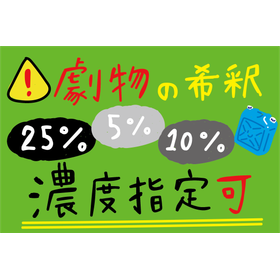
I can't handle pharmaceutical-grade toxic substances! What should I do? Case study.

Can't handle pharmaceutical-grade hazardous substances? Leave it to us!

Due to company policy, we cannot handle "non-pharmaceutical toxic substances." Toxic substances are materials other than pharmaceuticals that have strong toxicity and require special care in handling. Chemical substances designated as toxic under the "Poisonous and Deleterious Substances Control Law" are classified as "non-pharmaceutical toxic substances." When using toxic substances, one must be a "business handler," and various precautions must be taken regarding handling methods and responses in case of leaks, which limits the number of employees who can handle them. Our company will deliver toxic substances diluted to a predetermined concentration. Please refer to the downloadable materials for more details on our proposal.

  • Pharmaceutical containers and packaging
  • Other pharmaceutical packaging materials and containers

Added to bookmarks

Bookmarks list

Bookmark has been removed

Bookmarks list

You can't add any more bookmarks

By registering as a member, you can increase the number of bookmarks you can save and organize them with labels.

Free membership registration

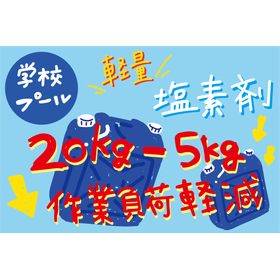
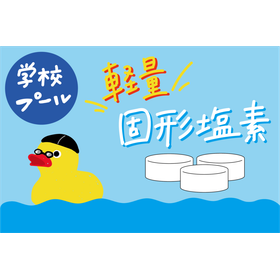
Can sodium hypochlorite, which is difficult to transport, be made lighter? A case study of school pools.

We can handle hazardous substances (sodium hypochlorite) safely!

"Sodium hypochlorite," necessary for maintaining pool water quality. Its handling has increasingly become a burden on the field in recent years. - The conventional 20kg containers are heavy, making it particularly difficult for female staff to carry. - Due to being a liquid, the contents tend to slosh around during transport, posing a danger. - There is a risk of clothing being bleached or discolored if spilled. - It cannot be used up in one go, requiring careful storage. In light of these challenges, we have received inquiries asking, "Can we make it safer and easier to handle?" Please refer to the downloadable materials for more details on our proposal.

  • Vocational Training/Technical School
  • Disinfectant
  • Other sterilization, disinfection and disinfection equipment

Added to bookmarks

Bookmarks list

Bookmark has been removed

Bookmarks list

You can't add any more bookmarks

By registering as a member, you can increase the number of bookmarks you can save and organize them with labels.

Free membership registration

A defect occurred with the billet! Is it possible to avoid losses through automatic temperature control? Case study.

How are you managing the temperature of the billets?

In the manufacturing site of aluminum extrusion molding, temperature management of the billet (cylindrical aluminum material for extrusion) greatly affects product quality. In the previous operations... - Operators manually measured the temperature at only three points. - The actual temperature distribution and variations could not be fully understood. As a result, extrusion defects caused by temperature issues occurred. Especially in construction materials and automotive parts where high precision is required, even slight temperature deviations can lead to surface defects and dimensional inaccuracies. So, what can be done? Please refer to the downloadable materials for details of our proposal.

  • aluminum
  • Extrusion Machine
  • Extrusion Granulator

Added to bookmarks

Bookmarks list

Bookmark has been removed

Bookmarks list

You can't add any more bookmarks

By registering as a member, you can increase the number of bookmarks you can save and organize them with labels.

Free membership registration

Can a small pure water purifier combined with a regeneration timer improve both cost and performance? Case study.

We have a small pure water purifier that fits your company's budget and specifications!

One of the important processes in electrodeposition painting is the "cleaning and dilution process using pure water." The core pure water system had aged and was due for renewal. However, during the review of the renewal, the following issues arose: - The models proposed by other companies had excessive specifications and were over-specified for the usage amount. - There was an explanation that it was necessary to introduce large equipment to match the pure water regeneration capacity. - It was difficult to renew within the limited budget. On-site, there was a request for "as small and simple as possible, while having sufficient performance." Therefore, we proposed the optimal pure water system based on our investigation. Please refer to the downloadable materials for more details.

  • Pure water production equipment
  • Pure water production equipment
  • Other pure water production equipment

Added to bookmarks

Bookmarks list

Bookmark has been removed

Bookmarks list

You can't add any more bookmarks

By registering as a member, you can increase the number of bookmarks you can save and organize them with labels.

Free membership registration

What is the optimal renewal method for refractory materials, which have been a cost barrier? Case studies.

Caught between cost and safety! What is the optimal solution for updating fireproof materials?

The refractory material of the boiler that has been used for many years has deteriorated, and it is about time for an update. However, the estimated cost presented by the manufacturer when I tried to request an update was... "Honestly, it's tough on the budget." "It's not urgent, but leaving it as is is also scary." I was troubled by this dilemma between cost and safety. Therefore, our company checked the structure and use of the boiler and proposed a refractory material update plan that can be handled by manufacturers other than the original one. For more details, please refer to the downloadable materials.

  • boiler
  • Boiler
  • Plant Maintenance

Added to bookmarks

Bookmarks list

Bookmark has been removed

Bookmarks list

You can't add any more bookmarks

By registering as a member, you can increase the number of bookmarks you can save and organize them with labels.

Free membership registration

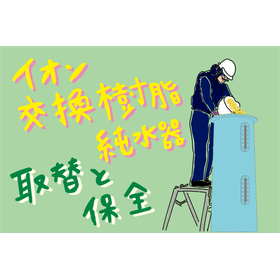
The conductivity of pure water is rising! Replacement work and maintenance examples of ion exchange resin in pure water systems.

What is the optimal solution for replacing and maintaining ion exchange resins and purifiers?

The effectiveness of the ion exchange resin is declining! The conductivity of the soft water is increasing! In the boiler equipment that supports the manufacturing line, a stable supply of high-quality pure water is crucial. There has been a challenge where the effectiveness of the ion exchange resin in use on-site is gradually decreasing, leading to an increase in the conductivity of the pure water. Furthermore, although the resin regeneration was set to occur automatically, there were concerns that starting regeneration during operation could impact production, leading to requests for control over the timing of regeneration. For more details, please refer to the downloadable materials.

  • Pure water production equipment
  • Pure water production equipment
  • Pharmaceutical water production equipment and facilities

Added to bookmarks

Bookmarks list

Bookmark has been removed

Bookmarks list

You can't add any more bookmarks

By registering as a member, you can increase the number of bookmarks you can save and organize them with labels.

Free membership registration

What are the causes of drainage treatment system malfunctions? | Improvement through DO meter maintenance

In a site where poor drainage treatment continues, the measurement of "oxygen levels" is actually the key!

An unusual event occurred one day in the biological treatment tank that processes factory wastewater. "The sludge is not settling in the downstream sedimentation tank." "The treated water is cloudy." "I feel like the microorganisms are not functioning properly." Various measures were attempted on-site, such as increasing aeration and adding chemicals, but no definitive improvement was achieved, and the entire treatment tank remained in an unstable state... For more details, please refer to the downloadable materials.

  • Wastewater/wastewater treatment equipment
  • Wastewater treatment equipment, technology and maintenance
  • Other water supply and drainage facilities

Added to bookmarks

Bookmarks list

Bookmark has been removed

Bookmarks list

You can't add any more bookmarks

By registering as a member, you can increase the number of bookmarks you can save and organize them with labels.

Free membership registration

Lightweight Sodium Hypochlorite | Eliminating the Heavy Labor of Pool Water Quality Management [With Case Studies]

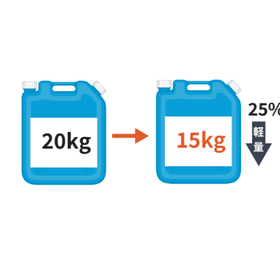
For those struggling with heavy 20kg containers and hazardous liquid splashes! We solve this with a 15kg lightweight design, ensuring safety in chemical handling and reducing the burden.

Do you have any concerns regarding the handling of sodium hypochlorite at pool or water treatment facilities? - The conventional 20kg containers are too heavy, making transportation and injection work a heavy burden for specific staff. - When pouring the liquid, there is a "gobble" splash (liquid splatter), raising concerns about skin contact, clothing discoloration, and labor accident risks. - It cannot be used up in one go, leading to anxiety over accidents during storage and handling management. The lightweight sodium hypochlorite (15kg) fundamentally resolves these issues at the work site. ◇ Excellent operability due to 25% weight reduction The weight is reduced to 15kg while maintaining the same specifications as the conventional 20kg container. This minimizes the burden of carrying and allows various workers to handle it smoothly. ◇ Stable design that reduces liquid splatter risk The weight reduction stabilizes the balance during pouring. It suppresses the "gobble" splashing phenomenon and prevents chemical contact accidents. ◇ Optimization of management burden and introduction costs By handling smaller quantities, storage risks are reduced. The introduction cost can also be offered at the same level as the conventional 20kg product. We are currently offering free case studies to improve work safety and eliminate burdens.

  • Local government
  • Water Treatment Chemicals
  • Water Quality Analysis Equipment

Added to bookmarks

Bookmarks list

Bookmark has been removed

Bookmarks list

You can't add any more bookmarks

By registering as a member, you can increase the number of bookmarks you can save and organize them with labels.

Free membership registration

"Internal cleaning of water tanks" Preventing problems caused by iron Chemical manufacturer

Invisible iron is undermining the performance of the boiler! Identify the cause through fiber scope investigation and work towards improvement.

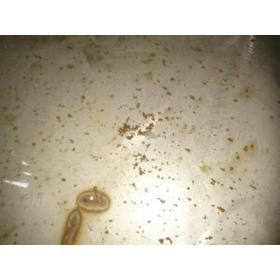
To the chemical manufacturers, we would like to introduce a case where we visualized the internal condition of a boiler and conducted internal cleaning of the water supply tank. We received inquiries expressing concerns that the efficiency of the boiler seems to be declining, fuel consumption is increasing, and steam generation is poor. As we investigated further, the possibility arose that iron content in the raw water was gradually accumulating inside the boiler. First, we used a fiberscope to visualize the internal condition of the boiler. As a result, reddish-brown deposits were observed on the heat transfer surfaces and inside the piping, confirming the accumulation of iron. Additionally, to address the raw water side of the boiler, we conducted internal cleaning of the water supply tank. It became clear that iron rust was settling at the bottom of the tank, indicating that the root cause was the carryover from the raw water. [On-site issues] ■ The efficiency of the boiler seems to be declining. ■ Fuel consumption is increasing, but steam generation is poor. ■ Iron content may be related. *For more details, please download the PDF or feel free to contact us.

  • Boiler

Added to bookmarks

Bookmarks list

Bookmark has been removed

Bookmarks list

You can't add any more bookmarks

By registering as a member, you can increase the number of bookmarks you can save and organize them with labels.

Free membership registration

Reduction of sludge in the painting booth of a major automotive parts manufacturer.

Reduce sludge adhesion in the painting booth, achieving optimization of cleaning work and chemical usage!

We would like to introduce a case study regarding the introduction of an automatic chemical injection pump to the site manager of a major automotive parts manufacturer's painting booth. In the water curtain type painting booth used in the painting process of automotive parts, excess paint mixes with the circulating water and generates sludge (precipitate). However, this sludge was causing a range of complex problems. To address these issues, we introduced a circulating water treatment agent for the painting booth and an automatic chemical injection pump. This combination reduced the moisture content of the sludge and minimized the risk of chemical excess or deficiency. 【On-site Challenges】 ■ Prone to adhesion and deposition on tanks, pipes, and pumps ■ Cleaning takes time, resulting in a heavy maintenance workload ■ Changes in water quality can easily lead to odors and chemical loss *For more details, please download the PDF or feel free to contact us.

  • Other painting machines

Added to bookmarks

Bookmarks list

Bookmark has been removed

Bookmarks list

You can't add any more bookmarks

By registering as a member, you can increase the number of bookmarks you can save and organize them with labels.

Free membership registration

Efficiency improvement through maintenance and measurement: Boiler equipment in the manufacturing site.

Maintenance and measurement are separate, resulting in double the effort and cost; we can also conduct "smoke measurement" all in one at our company.

We proposed a total solution for our customers who have requested boiler maintenance, conducting both maintenance and smoke emission measurements simultaneously. Some customers expressed that they rely on other companies for smoke emission measurements, but find the scheduling process cumbersome and inconvenient. In response, we proposed a total solution that includes smoke emission measurements along with boiler maintenance. This reduces the number of steps needed for scheduling to just one, cutting down on coordination efforts and eliminating the hassle of selecting measurement contractors and arranging contracts. [On-site Issues] ■ Smoke emission measurements are outsourced to other companies, but scheduling is cumbersome and inconvenient. ■ It would be more efficient if measurements could be done simultaneously with maintenance. ■ Coordination of on-site schedules with different contractors. ■ Conducting measurement work again after maintenance. ■ Measurement results are not linked to maintenance details. *For more details, please download the PDF or feel free to contact us.

  • Boiler

Added to bookmarks

Bookmarks list

Bookmark has been removed

Bookmarks list

You can't add any more bookmarks

By registering as a member, you can increase the number of bookmarks you can save and organize them with labels.

Free membership registration

"Review of the stirring method for the original water tank" Paper Company

Revising the stirring method of the raw water tank, achieving zero pipe cleaning and reducing electricity costs by approximately 30%!

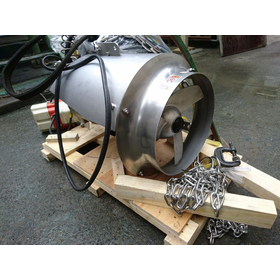
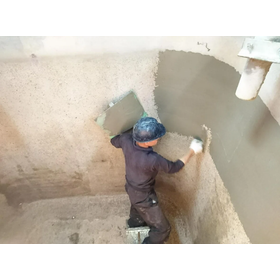
To the maintenance personnel of mold manufacturing companies in the Tokai region, we would like to introduce a case study regarding the review of the stirring method for the raw water tank. The raw materials used for forming paper mold products need to be uniformly stirred and circulated in the raw water tank. Traditionally, an air stirring method was employed; however, the air piping regularly became clogged, necessitating ongoing cleaning efforts. To resolve this issue, we propose switching from air stirring to an electric stirring mixer method. After the switch, we achieved complete elimination of air pipe clogging by stirring directly from inside the tank without using piping. [On-site Challenges] ■ Stopping production for cleaning each time there is a clog ■ Additional labor and time required for cleaning ■ Significant power consumption due to air usage *For more details, please download the PDF or feel free to contact us.

  • Paper and pulp
  • Paper and pulp products

Added to bookmarks

Bookmarks list

Bookmark has been removed

Bookmarks list

You can't add any more bookmarks

By registering as a member, you can increase the number of bookmarks you can save and organize them with labels.

Free membership registration

Case Study of Fuel Conversion from Heavy Oil to Gas: Food Factory and Beverage Manufacturing Industry

Utilize subsidies for the renewal of aging boilers, improving both costs and the environment through fuel conversion!

To the equipment managers at sites with heating processes such as food factories and beverage manufacturing, we have proposed updating boilers by converting fuel from heavy oil to gas. The heavy oil boiler, which has been in use for over a decade, has reached a point where performance degradation and increasing repair costs necessitate consideration for an update. In this context, we focused on the subsidy program for introducing energy-saving equipment through fuel conversion. After implementation, we significantly reduced initial costs by utilizing subsidies, stabilized fuel expenses, and made cost forecasting easier. 【Challenges on-site】 ■ Repairs are not keeping up ■ If we are going to update, we want to reduce utility costs as much as possible ■ There are budget limitations *For more details, please download the PDF or feel free to contact us.

  • Boiler

Added to bookmarks

Bookmarks list

Bookmark has been removed

Bookmarks list

You can't add any more bookmarks

By registering as a member, you can increase the number of bookmarks you can save and organize them with labels.

Free membership registration

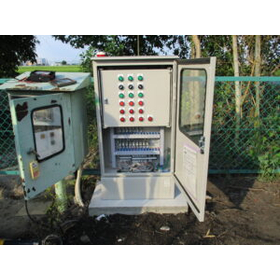
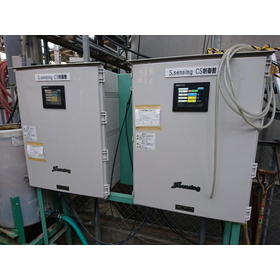
[Case Study of Automatic Control System] Automatic Detection and Interruption of pH Abnormalities

Automatic blocking of abnormal pH wastewater! Introduction of a system to prevent environmental troubles!

We would like to introduce a case study of the implementation of an automatic control system for industries such as aluminum processing, metal processing, surface treatment, and extrusion molding, where pH management of factory wastewater is required. We received inquiries expressing concerns that the pH of the wastewater sometimes shows abnormal values and that there might be a risk of it flowing out externally. Abnormal pH levels in wastewater can occur suddenly, and there are limitations to monitoring and responding manually. Our proposal was to implement a system that automatically controls an electric valve in conjunction with the pH meter readings. After implementation, we achieved zero outflow of abnormal water, and real-time responses to pH anomalies became possible. 【Challenges on-site】 ■ The pH of the wastewater sometimes shows abnormal values, raising concerns about potential external outflow. ■ If water exceeding the standard value were to flow out, it could lead to environmental standard violations or issues with neighboring areas. ■ Continuous monitoring by human resources is difficult, so we want to implement automatic safety measures. *For more details, please download the PDF or feel free to contact us.

  • Wastewater/wastewater treatment equipment

Added to bookmarks

Bookmarks list

Bookmark has been removed

Bookmarks list

You can't add any more bookmarks

By registering as a member, you can increase the number of bookmarks you can save and organize them with labels.

Free membership registration

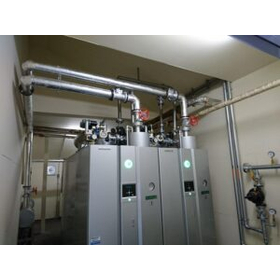
[Used Boiler + Chemical Proposal Case] Textile Manufacturing Company Boiler Equipment

Responding to the concerns of boilers that are dissatisfied with maintenance and find updates too expensive!

To the boiler equipment personnel of textile manufacturing companies in the Tokai region, We would like to introduce a case study on our proposal for improving used boilers and chemicals. We faced concerns regarding the boiler that had been in use for many years, particularly regarding poor fuel efficiency and the increasing running costs year by year. We started by thoroughly examining the current boiler chemicals and switching to more suitable ones. After that, we proposed a plan to utilize a good-condition used boiler from our company. 【Background and Challenges on Site】 ■ The response from the maintenance company is slow, and deficiencies are found even during regular inspections. ■ Fuel efficiency is poor, and running costs are increasing year by year. ■ Future expansion of the boiler system is being considered, but costs are a bottleneck. ■ The aging of the boiler has led to a decrease in heat transfer efficiency. ■ The chemicals being used do not match the current water quality, raising concerns about scaling and corrosion. ■ Although considering an update, the high cost of introducing a new boiler has put it on hold. *For more details, please download the PDF or feel free to contact us.*

  • Boiler
  • Chemicals

Added to bookmarks

Bookmarks list

Bookmark has been removed

Bookmarks list

You can't add any more bookmarks

By registering as a member, you can increase the number of bookmarks you can save and organize them with labels.

Free membership registration

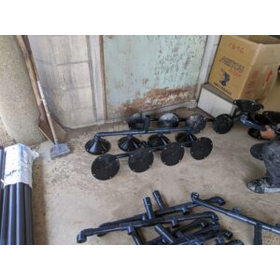
Case Study of Diffuser Replacement in Aeration Tanks: Textile Industry, Dyeing Factory, Silk Spinning Factory

The reason the drainage treatment was ineffective was the "absence" of the diffuser!

We would like to introduce a case of updating the diffusers in the aeration tank at factories with wastewater treatment facilities, such as fiber, dyeing, and silk factories. The water quality in the wastewater treatment tank changed at a certain point. There were concerns that the strong odor indicated that biological treatment was not effective. First, we temporarily halted the aeration equipment on-site and conducted an investigation of the air piping. It was discovered that the diffusers (aeration devices) that should have been installed at the bottom of the aeration tank were missing. We immediately reinstalled and inspected the diffusers, confirming normal aeration and recovery of the dissolved oxygen (DO) levels. [On-site concerns] - The water that used to be gray has turned dark. - The DO (dissolved oxygen concentration) is not increasing at all. - There is a strong odor, and it seems that biological treatment is not effective. *For more details, please download the PDF or feel free to contact us.*

  • Wastewater/wastewater treatment equipment

Added to bookmarks

Bookmarks list

Bookmark has been removed

Bookmarks list

You can't add any more bookmarks

By registering as a member, you can increase the number of bookmarks you can save and organize them with labels.

Free membership registration

[Case Study of Energy-Saving Boiler Chemicals] Suppression of Scale Adhesion in Boilers

Suppress scale adhesion in the boiler, improve fuel efficiency, and reduce maintenance burden!

We would like to introduce a case where we proposed energy-saving boiler chemicals containing scale removal components to a certain chemical manufacturer in the Tokai region, specifically to the boiler personnel. In the boilers used in manufacturing sites, scale (solid deposits) accumulates inside the pipes over time, leading to issues such as the labor and costs associated with regular scale removal work. In response to these challenges, we proposed our chemical. By switching to our product, we achieved gradual detachment of the scale adhered to the boiler pipes and suppression of re-adhesion. [On-site Challenges] ■ Fuel loss due to decreased heat transfer efficiency ■ Extended heating time ■ Labor and costs associated with regular scale removal work *For more details, please download the PDF or feel free to contact us.

  • Boiler
  • Chemicals

Added to bookmarks

Bookmarks list

Bookmark has been removed

Bookmarks list

You can't add any more bookmarks

By registering as a member, you can increase the number of bookmarks you can save and organize them with labels.

Free membership registration

"Improvement of wastewater treatment through DO meter maintenance" Textile manufacturer - dyeing factory

In fact, "measuring the oxygen levels" was the key to the ongoing poor drainage treatment at the site!

We would like to introduce a case of maintenance and cleaning/recalibration of the DO meter at the wastewater treatment facility of a fiber manufacturer and dyeing factory. One day, an anomaly occurred in the biological treatment tank that processes factory wastewater. Various responses were attempted on-site, such as increasing aeration and adding chemicals, but no decisive improvement was achieved, and the overall instability of the treatment tank continued. We suspected a decrease in DO (dissolved oxygen) concentration within the biological treatment tank. Although no significant abnormalities were observed in the DO meter's displayed values, upon performing maintenance and cleaning/recalibration of the sensor, it became clear that the actual dissolved oxygen concentration was significantly lower than the measured values displayed. Based on this cause, we reviewed the aeration conditions, resulting in a recovery of microbial activity, which ultimately led to improvements in sedimentation. [On-site Issues] - Sludge does not settle in the downstream sedimentation tank. - Treated water is cloudy. - It seems that microorganisms are not functioning properly. *For more details, please download the PDF or feel free to contact us.*

  • Wastewater/wastewater treatment equipment
  • Other measurement, recording and measuring instruments

Added to bookmarks

Bookmarks list

Bookmark has been removed

Bookmarks list

You can't add any more bookmarks

By registering as a member, you can increase the number of bookmarks you can save and organize them with labels.

Free membership registration

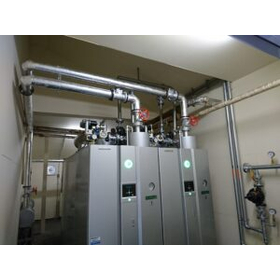
Boiler energy-saving diagnosis

Solve problems such as high fuel costs for boilers and long heating times!

We conduct "Energy-saving Diagnosis for Boilers." Through the energy-saving diagnosis of existing boiler equipment, we identify waste in utility costs. The first items to check during the diagnosis are the efficiency of the boiler itself, which generates steam, and the operational management to ensure that the boiler can operate at that efficiency. It is important to select the most efficient boiler possible when installing one. However, even if a high-efficiency boiler is chosen, if it is not operated in a way that allows it to perform at its best, the efficiency will decrease. By conducting a diagnosis and implementing efficient operations, we contribute to energy savings and CO2 reduction. If you have any concerns regarding boiler energy efficiency or heating efficiency, please feel free to consult us. We support the reduction of waste and stable operation through diagnosis and improvement proposals tailored to the local situation. [Diagnosis Examples] ■ High fuel costs for the boiler ■ Long heating times for the boiler *For more details, please download the PDF or feel free to contact us.

  • Boiler

Added to bookmarks

Bookmarks list

Bookmark has been removed

Bookmarks list

You can't add any more bookmarks

By registering as a member, you can increase the number of bookmarks you can save and organize them with labels.

Free membership registration

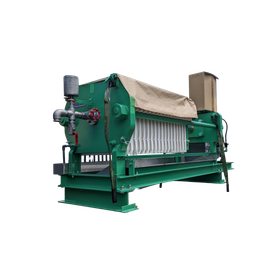
"Improvement of water quality through a review of wastewater treatment" Wastewater treatment facilities such as electrodeposition painting lines.

Achieving both stabilization of drainage treatment and improvement of the working environment! Resolving issues with the update of dewatering machines, relocation of piping, and installation of diffusers.

We proposed a review of wastewater treatment to the person in charge at automotive parts manufacturers, painting factories, and electrodeposition painting lines that have wastewater treatment facilities. We received inquiries about wanting to improve the water quality of treated water, which sometimes exceeds the standard values. Upon inspecting the site, we found that multiple equipment-related issues were overlapping. We simultaneously proposed and implemented three points: updating the dewatering machine, relocating the piping in the aisle, and installing a new diffuser along with updating the blower piping. As a result, the water quality stabilized, there were no longer any exceedances of the standard values, dewatering treatment kept pace, and the accumulation of sludge was resolved. [On-site Issues] ■ The water quality of treated water sometimes exceeds the standard values, and improvements are desired. ■ When problems occur with wastewater treatment, it affects the entire factory's operations, so a fundamental review is needed. ■ There are concerns about the safety of workers as they might trip over the piping in the aisle. *For more details, please download the PDF or feel free to contact us.

  • Wastewater/wastewater treatment equipment

Added to bookmarks

Bookmarks list

Bookmark has been removed

Bookmarks list

You can't add any more bookmarks

By registering as a member, you can increase the number of bookmarks you can save and organize them with labels.

Free membership registration

[Boiler Renewal Case] Automotive Parts Electrodeposition Coating Plant Equipment Maintenance Personnel

Reduce costs and effort with boiler updates! We propose a regulatory-compliant boiler that alleviates operational burdens.

To the person in charge of equipment maintenance at the automotive parts electrocoating factory in the Tokai area, we would like to introduce a case where we proposed a compliance boiler. When updating the boiler, there was a challenge of high estimates from existing vendors, making it difficult to proceed with the update. Additionally, not only the "price of the equipment itself" but also the "labor and procedures related to operation" became hidden costs. In response to these concerns, we proposed solutions from three perspectives: cost, regulatory compliance, and maintainability. The new boiler we proposed has high combustion efficiency, allowing for reductions in fuel and water supply costs compared to conventional models. [On-site Challenges] ■ High estimates from existing vendors make it difficult to proceed with the update. ■ Due to regulatory compliance, smoke measurement and notifications are required, leading to a significant operational burden. ■ Running costs are increasing, and regular maintenance and chemical management are also cumbersome. *For more details, please download the PDF or feel free to contact us.

  • Boiler
  • boiler

Added to bookmarks

Bookmarks list

Bookmark has been removed

Bookmarks list

You can't add any more bookmarks

By registering as a member, you can increase the number of bookmarks you can save and organize them with labels.

Free membership registration

"Automatic Control of Coagulant Addition Amount" for wastewater treatment conservation and environmental management personnel.

From a time of "just pouring" chemicals to a time of "controlling" them! Automatically control according to the load to optimize chemical costs and processing efficiency.

To the personnel in charge of drainage treatment maintenance and environmental management, we would like to introduce a case regarding the proposal for the introduction of a coagulant dosage control device. Coagulants are essential for wastewater treatment in manufacturing sites, but traditionally, a fixed amount was added regardless of the characteristics of the raw water. This led to issues such as wasted chemical costs and instability in floc quality. To address these problems, we proposed the introduction of a coagulant dosage control device. By implementing this device, it became possible to optimize chemical usage while improving treatment efficiency. [On-site Challenges] ■ The chemical dosage is fixed even though the concentration and load of the raw water fluctuate daily. ■ There is a tendency for coagulation to be excessive or insufficient, leading to inconsistencies in treatment efficiency. ■ Wasted chemical costs and instability in floc quality. *For more details, please download the PDF or feel free to contact us.

  • Wastewater/wastewater treatment equipment
  • Wastewater treatment equipment, technology and maintenance
  • Other water supply and drainage facilities

Added to bookmarks

Bookmarks list

Bookmark has been removed

Bookmarks list

You can't add any more bookmarks

By registering as a member, you can increase the number of bookmarks you can save and organize them with labels.

Free membership registration

[Proposal for Used Soft Water Equipment] To the boiler operation managers of tourism and leisure facilities.

No budget, but can't stop; restart without halting steam supply with a used softener!

To the boiler operation managers and equipment personnel of tourism and leisure facilities, We would like to introduce a case where we proposed a used water softener. A stable supply of softened water to the boiler is essential for operating the experience train modeled after a steam locomotive. However, the water softener that had been used for many years broke down, leading to the following issues: Our company proposed a used water softener after carefully listening to the situation and budget. Even though it is used, it can perform adequately with proper maintenance and inspection. In this case, we prioritized the quick resumption of supply and provided one-stop service from installation to test operation on-site. **Issues** - Unable to treat boiler feed water with softened water, increasing the risk of scale. - Difficulties in continuing operations, raising concerns about train service interruptions. - Due to being a public facility, securing an unexpected high budget is challenging. *For more details, please download the PDF or feel free to contact us.*

  • Water purifiers/water softeners

Added to bookmarks

Bookmarks list

Bookmark has been removed

Bookmarks list

You can't add any more bookmarks

By registering as a member, you can increase the number of bookmarks you can save and organize them with labels.

Free membership registration

[Case Study] Reduction of Electricity Costs at a Wastewater Treatment Plant

Investigate where the load is placed in the wastewater treatment plant! By reviewing the aeration tank's mixer, reduce electricity costs by 50%.

We would like to introduce a case study on the introduction of high-efficiency mixers to reduce electricity costs at a wastewater treatment plant. To reduce electricity costs, it is first necessary to identify areas with high electricity consumption within the wastewater treatment plant. A field survey was conducted to determine where the load is concentrated throughout the entire wastewater treatment process, from the neutralization tank to the sedimentation tank. By replacing the mixers used for aeration in the raw water tank and aeration tank with high-efficiency mixers, we successfully reduced electricity costs. For a customer in the paper industry, the annual electricity cost was reduced from 860,000 yen to 670,000 yen, achieving a 50% reduction. [Case Summary] ■ Benefits of introducing high-efficiency mixers - In addition to reducing electricity costs, switching to high-efficiency mixers prevents sludge settling, ensures uniform mixing, and suppresses scum formation. - We offer a wide range of solutions for stirring, mixing, and generating water flow in various water-related facilities across industrial and water quality environmental sectors. *For more details, please download the PDF or feel free to contact us.

  • Wastewater/wastewater treatment equipment

Added to bookmarks

Bookmarks list

Bookmark has been removed

Bookmarks list

You can't add any more bookmarks

By registering as a member, you can increase the number of bookmarks you can save and organize them with labels.

Free membership registration

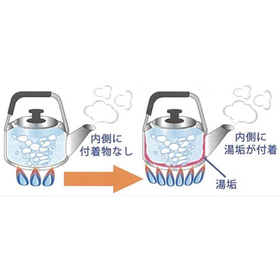
The efficiency of the boiler has decreased... What should I do to improve its efficiency?

Introducing the specific details of the fuel loss that occurs at a scale of 1mm and how the problem was solved!

We received a message from the boiler manager of a certain chemical manufacturer’s factory. "Recently, the efficiency of the boiler has been declining. Is there any way to improve the efficiency?" The first thing our employee suspected was the deterioration of thermal efficiency due to scale buildup. Scale, in the first place, is a deposit of minerals such as magnesium, calcium, and silica that are contained in water. A common example of scale is the limescale that accumulates in kettles and electric pots. *For more details on the column, you can view it through the related link. For more information, please download the PDF or feel free to contact us.*

  • Boiler

Added to bookmarks

Bookmarks list

Bookmark has been removed

Bookmarks list

You can't add any more bookmarks

By registering as a member, you can increase the number of bookmarks you can save and organize them with labels.

Free membership registration

The sodium hypochlorite pool chemicals are heavy and the work is difficult.

Introducing two methods to lighten heavy pool chemicals in a column format!

The chemicals managed by those in charge of the pool are familiar substances. It is a liquid called sodium hypochlorite (bleach), which has a property of being heavier than water. Generally, it comes in a poly tank weighing about 20 to 25 kg, making it very heavy. In the past, we received many comments from school pool managers, such as, "The chemical poly tanks are heavy; is there anything we can do about it?" *For more details on the column, you can view it through the related links. For more information, please feel free to download the PDF or contact us.

  • Chemicals
  • Vocational Training/Technical School
  • Coagulant

Added to bookmarks

Bookmarks list

Bookmark has been removed

Bookmarks list

You can't add any more bookmarks

By registering as a member, you can increase the number of bookmarks you can save and organize them with labels.

Free membership registration

To eliminate the residue of pulp raw materials during the raw material switch.

We will introduce the main reason for defects occurring in the manufacturing process of paper companies, as well as an astonishing method that drastically reduces the defect rate in the manufacturing process!

Today, I will talk about something a bit niche. When I visited the maintenance officer of a paper manufacturing company I have been in contact with for some time, he had a troubled expression on his face. When I asked what was wrong, he said, "The defect rate of our products is high, and we need to do something about it." The paper manufacturing company produces paper by putting raw materials (pulp) into a large tank. When switching raw materials (to produce a different product), there are times when the previously added raw materials stick to the tank and remain as residue, which leads to product defects. *For more details on the column, you can view it through the related link. For more information, please feel free to download the PDF or contact us.

  • Paper and pulp
  • Paper and pulp products

Added to bookmarks

Bookmarks list

Bookmark has been removed

Bookmarks list

You can't add any more bookmarks

By registering as a member, you can increase the number of bookmarks you can save and organize them with labels.

Free membership registration
Prev 12345 Next
  • 排気熱風なく気温-4.1℃の冷風を 工事不要で暑さ対策 店舗・工場の安全対策に! 気化式スポットクーラー Pure Drive
  • 技術・製品展示会 新技術創出交流会2026 入場無料 来場登録受付中 開催日時10月22日木・23日金 会場東京たま未来メッセ
    • Contact this company

      Inquiry Form
    • Before making an inquiry

      Download Profile

    Products

    • Search for Products

    Company

    • Search for Companies

    Special Features

    • Special Features

    Ranking

    • Overall Products Ranking
    • Overall Company Ranking

    support

    • site map
    IPROS
    • privacy policy Regarding external transmission of information
    • terms of service
    • About Us
    • Careers
    • Advertising
    IPROS Services
    • >IPROS GMS | Search site for the manufacturing industry
    • >IPROS | Search site for the B2B industry
    COPYRIGHT © 2001-2026 IPROS CORPORATION ALL RIGHTS RESERVED.
    Please note that the English text on this page is automatically translated and may contain inaccuracies.