iPROS Manufacturing
  • Search for products by classification category

    • Electronic Components and Modules
      Electronic Components and Modules
      61692items
    • Machinery Parts
      Machinery Parts
      75936items
    • Manufacturing and processing machinery
      Manufacturing and processing machinery
      102054items
    • Scientific and Physics Equipment
      Scientific and Physics Equipment
      36340items
    • Materials
      Materials
      37780items
    • Measurement and Analysis
      Measurement and Analysis
      55173items
    • Image Processing
      Image Processing
      15378items
    • Control and Electrical Equipment
      Control and Electrical Equipment
      54575items
    • Tools, consumables, and supplies
      Tools, consumables, and supplies
      65611items
    • Design and production support
      Design and production support
      12672items
    • IT/Network
      IT/Network
      45657items
    • Office
      Office
      14189items
    • Business support services
      Business support services
      25394items
    • Seminars and Skill Development
      Seminars and Skill Development
      6558items
    • Pharmaceutical and food related
      Pharmaceutical and food related
      34193items
    • others
      75332items
  • Search for companies by industry

    • Manufacturing and processing contract
      7338
    • others
      4987
    • Industrial Machinery
      4445
    • Machine elements and parts
      3331
    • Other manufacturing
      2883
    • Trading company/Wholesale
      2652
    • IT/Telecommunications
      2572
    • Industrial Electrical Equipment
      2320
    • Building materials, supplies and fixtures
      1816
    • software
      1666
    • Electronic Components and Semiconductors
      1587
    • Resin/Plastic
      1500
    • Service Industry
      1478
    • Testing, Analysis and Measurement
      1130
    • Ferrous/Non-ferrous metals
      986
    • environment
      699
    • Chemical
      640
    • Automobiles and Transportation Equipment
      582
    • Printing Industry
      513
    • Information and Communications
      465
    • Consumer Electronics
      412
    • Energy
      333
    • Rubber products
      317
    • Food Machinery
      308
    • Optical Instruments
      279
    • robot
      274
    • fiber
      254
    • Paper and pulp
      230
    • Pharmaceuticals and Biotechnology
      173
    • Electricity, Gas and Water Industry
      167
    • Warehousing and transport related industries
      149
    • Glass and clay products
      139
    • Food and Beverage
      130
    • CAD/CAM
      124
    • retail
      108
    • Medical Devices
      107
    • Educational and Research Institutions
      107
    • Ceramics
      98
    • wood
      87
    • Transportation
      84
    • Petroleum and coal products
      63
    • Medical and Welfare
      62
    • Shipbuilding and heavy machinery
      51
    • Aviation & Aerospace
      48
    • Fisheries, Agriculture and Forestry
      41
    • equipment
      40
    • Materials
      33
    • Public interest/special/independent administrative agency
      31
    • Research and development equipment and devices
      29
    • Government
      24
    • self-employed
      24
    • Mining
      17
    • cosmetics
      15
    • Finance, securities and insurance
      14
    • Restaurants and accommodations
      10
    • Individual
      10
    • Police, Fire Department, Self-Defense Forces
      7
    • Laboratory Equipment and Consumables
      5
    • Raw materials for reagents and chemicals
      4
    • Contracted research
      3
  • Special Features
  • Ranking

    • Overall Products Ranking
    • Overall Company Ranking
Search for Products
  • Search for products by classification category

  • Electronic Components and Modules
  • Machinery Parts
  • Manufacturing and processing machinery
  • Scientific and Physics Equipment
  • Materials
  • Measurement and Analysis
  • Image Processing
  • Control and Electrical Equipment
  • Tools, consumables, and supplies
  • Design and production support
  • IT/Network
  • Office
  • Business support services
  • Seminars and Skill Development
  • Pharmaceutical and food related
  • others
Search for Companies
  • Search for companies by industry

  • Manufacturing and processing contract
  • others
  • Industrial Machinery
  • Machine elements and parts
  • Other manufacturing
  • Trading company/Wholesale
  • IT/Telecommunications
  • Industrial Electrical Equipment
  • Building materials, supplies and fixtures
  • software
  • Electronic Components and Semiconductors
  • Resin/Plastic
  • Service Industry
  • Testing, Analysis and Measurement
  • Ferrous/Non-ferrous metals
  • environment
  • Chemical
  • Automobiles and Transportation Equipment
  • Printing Industry
  • Information and Communications
  • Consumer Electronics
  • Energy
  • Rubber products
  • Food Machinery
  • Optical Instruments
  • robot
  • fiber
  • Paper and pulp
  • Pharmaceuticals and Biotechnology
  • Electricity, Gas and Water Industry
  • Warehousing and transport related industries
  • Glass and clay products
  • Food and Beverage
  • CAD/CAM
  • retail
  • Medical Devices
  • Educational and Research Institutions
  • Ceramics
  • wood
  • Transportation
  • Petroleum and coal products
  • Medical and Welfare
  • Shipbuilding and heavy machinery
  • Aviation & Aerospace
  • Fisheries, Agriculture and Forestry
  • equipment
  • Materials
  • Public interest/special/independent administrative agency
  • Research and development equipment and devices
  • Government
  • self-employed
  • Mining
  • cosmetics
  • Finance, securities and insurance
  • Restaurants and accommodations
  • Individual
  • Police, Fire Department, Self-Defense Forces
  • Laboratory Equipment and Consumables
  • Raw materials for reagents and chemicals
  • Contracted research
Special Features
Ranking
  • Overall Products Ranking
  • Overall Company Ranking
  • privacy policy
  • terms of service
  • About Us
  • Careers
  • Advertising
  1. Home
  2. environment
  3. トリイ
  4. Product/Service List
environment
  • Added to bookmarks

    Bookmarks list

    Bookmark has been removed

    Bookmarks list

    You can't add any more bookmarks

    By registering as a member, you can increase the number of bookmarks you can save and organize them with labels.

    Free membership registration

トリイ

addressAichi/Nishio-shi/36 Emukae, Ajihama, Isshikimachi
phone0563-72-8220
  • Special site
  • Official site
last updated:Sep 04, 2026
トリイlogo
  • Contact this company

    Inquiry Form
  • Before making an inquiry

    Download Profile
  • Company information
  • Products/Services(213)
  • catalog(61)
  • news(0)

トリイ Product Lineup

  • category

91~135 item / All 213 items

Displayed results

Filter by category

凝集剤・フロックの基礎知識 凝集剤・フロックの基礎知識
食品・薬品の基礎知識 食品・薬品の基礎知識
食品表示・添加物の基礎知識 食品表示・添加物の基礎知識
甘味料・うま味の基礎知識 甘味料・うま味の基礎知識
設備部品の基礎知識 設備部品の基礎知識
水道水・井戸水・水質基準 水道水・井戸水・水質基準
水質測定(pH・電気伝導率) 水質測定(pH・電気伝導率)
純水・超純水・工業用水 純水・超純水・工業用水
軟水・硬水の基礎知識 軟水・硬水の基礎知識
純水器・軟水器の提案 純水器・軟水器の提案
排水処理の基礎知識 排水処理の基礎知識
排水処理場の点検・保全サービス 排水処理場の点検・保全サービス
排水処理のトラブル事例 排水処理のトラブル事例
冷却塔の基礎知識とメンテナンス 冷却塔の基礎知識とメンテナンス
ボイラーの構造・運転・法規制 ボイラーの構造・運転・法規制
ボイラーの整備・点検・メンテナンス ボイラーの整備・点検・メンテナンス
ボイラーの更新・省エネ・コスト削減 ボイラーの更新・省エネ・コスト削減
ボイラーの薬品・スケール対策 ボイラーの薬品・スケール対策
class="retina-image"

Where is flock born? 【Basic Knowledge】

What can be understood about the appearance of flocs from the aggregation test? An explanation of the generation process at water treatment plants.

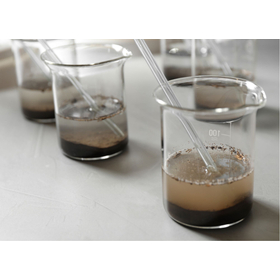
■Where do flocs originate? Flocs are formed as clumps of sediment collected by coagulants within a series of equipment that includes the "coagulant injection system," "chemical mixing tank," "floc formation tank," and "sedimentation tank" at a water treatment facility. ■Does floc have another face? The term floc can also refer to a collection of cotton-like microorganisms contained in activated sludge (one of the methods for water purification). The activated sludge process is a treatment method that breaks down organic matter in wastewater using the power of microorganisms, which proliferate and form clumps (flocs) that are separated from the treated water through sedimentation. ■What does a coagulation test involve? In actual practice, a "coagulation test" is conducted by stirring and allowing to stand in multiple beakers while varying the dosage of chemicals and pH conditions, in order to find the conditions under which the turbidity of the supernatant liquid is lowest. The formation of large, easily settling flocs and the clarity of the supernatant liquid are indicators of a good condition. Please feel free to consult us first.

  • Wastewater/wastewater treatment equipment
  • Sludge treatment equipment and technology
  • Water Treatment Chemicals

Added to bookmarks

Bookmarks list

Bookmark has been removed

Bookmarks list

You can't add any more bookmarks

By registering as a member, you can increase the number of bookmarks you can save and organize them with labels.

Free membership registration

What is the mechanism of air conditioning and heating? [Basic Knowledge]

Why does alcohol disinfection feel chilly? An explanation of the principles of air conditioning heating and cooling.

■How does an air conditioner adjust room temperature? An air conditioner controls room temperature by exchanging heat between the indoor unit and the outdoor unit. It cools the air by utilizing the property of a liquid that absorbs a large amount of heat from the surroundings when it evaporates. This mechanism is commonly referred to as a "heat pump." ■Why does evaporation cause cooling? Before an injection, when alcohol is used for disinfection, the skin may feel cold. This is because alcohol absorbs heat from the skin when it evaporates, which is the principle behind cooling. Conversely, when a gas turns into a liquid, a large amount of heat is released. This is the principle behind heating. ■How does the switch between cooling and heating work? An air conditioner circulates a liquid called refrigerant through pipes connecting the indoor and outdoor units, repeatedly changing between gas and liquid states to cool the air. By reversing the direction of the refrigerant flow using a component called a "four-way valve," this mechanism can function as heating. This principle is also applied in everyday products such as refrigerators and eco-cute systems. ■What are the roles of cooling and heating? During cooling, it sends out cold air, and during heating, it sends out warm air. Please feel free to consult us.

  • air conditioning
  • cooling tower
  • Chiller

Added to bookmarks

Bookmarks list

Bookmark has been removed

Bookmarks list

You can't add any more bookmarks

By registering as a member, you can increase the number of bookmarks you can save and organize them with labels.

Free membership registration

What is the difference between a cooling tower and a chiller? [Basic Knowledge]

Is it just for cooling? Explaining the difference in purpose between cooling towers and chillers.

■What is the difference in purpose between a cooling tower and a chiller? The purpose of a cooling tower is to cool down the cooling water that has risen in temperature due to air conditioning systems, using the power of outside air. On the other hand, while a chiller is also used to cool liquids within machinery, its purpose is not just to "cool" but also to maintain a constant temperature of the target (temperature control). ■What does a chiller do? A chiller is a general term for a device that circulates low-temperature heat transfer media, such as water, to cool or heat a target sample or equipment, thereby controlling the temperature. It is often used for cooling, which is why it is called a chiller, derived from the English word "chill," meaning "to cool." It is widely used in equipment that performs precise processing, such as laser processing machines, injection molding machines, and machine tools. ■Why is it necessary to maintain a constant temperature? If the temperature fluctuates during processing, the material may expand or contract due to heat, leading to changes in dimensions and affecting processing accuracy. Keeping the temperature constant with a chiller is important to prevent such impacts on precision. ■Which one should you choose? If you only want to lower the temperature of the cooling water, a cooling tower is sufficient. If you want to maintain the target temperature precisely and consistently, a chiller is more suitable. Please feel free to consult us first.

  • Chiller
  • cooling tower
  • Water Treatment Chemicals

Added to bookmarks

Bookmarks list

Bookmark has been removed

Bookmarks list

You can't add any more bookmarks

By registering as a member, you can increase the number of bookmarks you can save and organize them with labels.

Free membership registration

What is a cooling tower? [Basic knowledge]

Why does water cool down when it evaporates? An explanation of the mechanism of cooling towers.

■What is a cooling tower? A cooling tower is a device that cools cooling water. It serves the purpose of releasing heat from indoors to the outdoors and is installed on the rooftops of large facilities such as buildings and shopping malls. Hot water is sprayed from the top, and air is blown from the bottom to facilitate contact with the water, causing it to evaporate. It is used for heat rejection in air conditioning chillers of buildings and for cooling water treatment in factory production equipment. ■Why does evaporation cool the water? When water evaporates, it absorbs heat (latent heat of evaporation) from the surroundings, which cools the remaining water. This is the same principle as how the body feels cooler when sweat evaporates. ■How is it different from a chiller? While a chiller also operates on a similar cooling principle, the difference is that a cooling tower allows water to come into direct contact with air under atmospheric pressure for evaporation. ■What types of cooling towers are there? Cooling towers can be broadly classified into "open" types, which directly contact water with outside air, and "closed" types, where water does not come into contact with outside air. Open types are relatively inexpensive, while closed types have the advantage of being less prone to water contamination and concentration. Please feel free to consult us first.

  • cooling tower
  • air conditioning
  • Water Treatment Chemicals

Added to bookmarks

Bookmarks list

Bookmark has been removed

Bookmarks list

You can't add any more bookmarks

By registering as a member, you can increase the number of bookmarks you can save and organize them with labels.

Free membership registration

What are the causes of poor coagulation? 【Basic Knowledge】

Why can't flocculation occur? An explanation of the causes of poor aggregation and the effective pH range.

■ Why does poor coagulation occur? The causes of poor coagulation at water treatment plants can include insufficient injection of coagulants, inappropriate pH and alkalinity levels, equipment malfunctions, clogged pipes, and a sudden increase in coagulation inhibitors, among various other factors. Alkalinity is a different indicator from pH and indicates the ability of water to neutralize acids. ■ Why is pH important? The amount of coagulant added varies depending on the type, concentration, and pH of the raw water. If the pH is too high or too low, sufficient effectiveness cannot be achieved, so each coagulant has an "effective pH range" in which it performs optimally. pH adjustment is a crucial operation for effective coagulation and sedimentation. ■ What happens when poor coagulation occurs? If flocs are not formed properly, sedimentation will not proceed effectively, leading to an increase in the turbidity of treated water, which affects the efficiency of subsequent treatment processes. ■ How can poor coagulation be prevented? It is important to conduct regular inspections of dosing equipment, maintain piping, and thoroughly manage the pH and alkalinity of the raw water. It is also effective to confirm the optimal dosing amount and pH in advance through jar tests. Please feel free to consult us first.

  • Water Treatment Chemicals
  • pH meter
  • Wastewater/wastewater treatment equipment

Added to bookmarks

Bookmarks list

Bookmark has been removed

Bookmarks list

You can't add any more bookmarks

By registering as a member, you can increase the number of bookmarks you can save and organize them with labels.

Free membership registration

What are the types of polymer flocculants? 【Basic Knowledge】

What are the polymer coagulants suitable for wastewater that are anionic, nonionic, cationic, and amphoteric?

■What are the characteristics of anionic polymer coagulants? They have a large molecular weight of 10 million to 20 million and exhibit excellent coagulation effects with a small amount of usage. However, due to significant changes in effectiveness with pH, they are used in neutral to alkaline industrial wastewater. It is common practice to first neutralize the negatively charged suspended solids in wastewater with positively charged inorganic coagulants before treating them with anionic polymer coagulants. ■What are the characteristics of nonionic polymer coagulants? Although their molecular weight is slightly smaller than that of anionic coagulants, they are characterized by their ability to maintain effectiveness even in acidic conditions. Therefore, they are used for the purification of acidic to neutral industrial wastewater. ■What are the characteristics of cationic polymer coagulants? They are primarily used to promote the dewatering of sludge generated from urban sewage or industrial wastewater. By neutralizing the suspended solids in negatively charged sludge, they create aggregates that drain well, allowing for efficient dewatering of the sludge. ■What are amphoteric polymer coagulants? These are types that possess both positive and negative charges within the molecule. For sludge that contains a high amount of organic matter, where cationic coagulants alone do not provide sufficient dewatering effects, the combined use of inorganic coagulants and amphoteric polymer coagulants can enhance effectiveness. Please feel free to consult us first.

  • Water Treatment Chemicals
  • Wastewater/wastewater treatment equipment
  • Sludge treatment equipment and technology

Added to bookmarks

Bookmarks list

Bookmark has been removed

Bookmarks list

You can't add any more bookmarks

By registering as a member, you can increase the number of bookmarks you can save and organize them with labels.

Free membership registration

What is a polymer flocculant? 【Basic Knowledge】

Why are inorganic coagulants not enough? An explanation of the mechanism for creating coarse flocs with "glue."

■What does a polymer coagulant do? A polymer coagulant is a chemical that causes "secondary aggregation." It adheres fine flocs created by adding inorganic coagulants like PAC together using a "glue" effect, forming larger "coarse flocs." Coarse flocs settle quickly in water, allowing for rapid separation of impurities and water, making them essential for wastewater treatment. ■Why are inorganic coagulants alone insufficient? The fine flocs produced by inorganic coagulants (primary aggregation) are still light and difficult to settle. The long chain-like molecules of polymer coagulants connect multiple fine particles and flocs, allowing them to grow into larger, heavier flocs. ■What types of polymer coagulants are there? Polymer coagulants, also known as polymers, are classified into three categories based on their ionic nature: anionic (negative), cationic (positive), and nonionic (no charge). Generally, cationic types tend to be suitable for organic sludge, anionic types for inorganic sludge, and nonionic types are used across a wide range of water qualities. ■Which polymer coagulant should I choose? The appropriate type varies depending on the characteristics of the raw water, pH, and the combination with inorganic coagulants. Please feel free to consult us first.

  • Water Treatment Chemicals
  • Wastewater/wastewater treatment equipment
  • Wastewater treatment equipment, technology and maintenance

Added to bookmarks

Bookmarks list

Bookmark has been removed

Bookmarks list

You can't add any more bookmarks

By registering as a member, you can increase the number of bookmarks you can save and organize them with labels.

Free membership registration

What are iron-based coagulants and quicklime? [Basic Knowledge]

Explanation of the characteristics and differentiation of ferrous chloride, polysilicic acid iron, and hydrated lime.

■What is ferric chloride? It is an inorganic coagulant used in the electronics industry for processes such as etching. It is a strongly acidic and corrosive chemical with a basicity of 0, which causes the pH to drop rapidly when added to water, making neutralization with an alkaline agent essential. While it is effective for deodorization and decolorization, a drawback is that it can easily corrode pipes and equipment. ■What is polysilicic acid iron? Polysilicic acid iron, also known as polyferric, has a basicity of about 10-20% and is less corrosive compared to ferric chloride, leading to its increasing use as an inorganic coagulant. ■What is quicklime? Quicklime (calcium hydroxide) is well-known as an inorganic coagulant other than iron and aluminum-based ones. Unlike other inorganic coagulants that exhibit acidity, quicklime shows strong alkalinity. ■How can it coagulate despite being alkaline? Many coagulants are acidic and coagulate by neutralizing negatively charged debris in water with positive ions. Quicklime also produces calcium ions with a positive charge when dissolved in water, allowing it to exhibit coagulation effects despite being alkaline. It is often used as a neutralizing agent. These inorganic coagulants are selected based on the desired effects and the corrosion resistance of the equipment. Please feel free to consult us first.

  • Water Treatment Chemicals
  • Wastewater/wastewater treatment equipment
  • Wastewater treatment equipment, technology and maintenance

Added to bookmarks

Bookmarks list

Bookmark has been removed

Bookmarks list

You can't add any more bookmarks

By registering as a member, you can increase the number of bookmarks you can save and organize them with labels.

Free membership registration

What are the types of inorganic coagulants? 【Basic Knowledge】

What is the difference between PAC and aluminum sulfate? An explanation of how to choose based on "basicity."

■What is the "basicity" of inorganic coagulants? Many inorganic coagulants are acidic chemicals, which lower the pH when added to water. The measure of how resistant the pH is to lowering is referred to as "basicity." It is determined by the ratio of hydroxyl groups (OH) to aluminum contained in the coagulant; coagulants with lower basicity tend to lower the pH more easily, while those with higher basicity are less likely to do so. ■What is polyaluminum chloride (PAC)? PAC is a representative inorganic coagulant used in drinking water, with a basicity of 50%. Compared to other inorganic coagulants, it is characterized by being less likely to lower the pH, resulting in less need for pH adjustment after addition. ■What is aluminum sulfate? Aluminum sulfate (alum) is another representative inorganic coagulant alongside PAC. It has a basicity of 0%, making it more likely to lower the pH than PAC. It is effective in removing suspended solids (SS) and is used in general wastewater treatment. The flocs produced are small and light. ■Which one should you choose? If you want to minimize pH adjustment, choose PAC; if you prioritize the removal of suspended solids, consider aluminum sulfate. You can select based on your objectives, water quality, and cost. Please feel free to consult with us first.

  • Water Treatment Chemicals
  • Wastewater/wastewater treatment equipment
  • Wastewater treatment equipment, technology and maintenance

Added to bookmarks

Bookmarks list

Bookmark has been removed

Bookmarks list

You can't add any more bookmarks

By registering as a member, you can increase the number of bookmarks you can save and organize them with labels.

Free membership registration

What is flock? 【Basic knowledge】

Why doesn't garbage stick together in water? An explanation of how flocculation works with coagulants.

■What is floc? Floc refers to a mass of particles formed by the precipitation of chemicals added as coagulants in water treatment. This floc exhibits coagulation reactions against suspended solids, organic matter, bacteria, and coloring components in the water, resulting in purification effects. ■Why do they stick together when coagulants are added? Debris in water typically has a negatively charged surface, which causes it to repel each other and makes it difficult to stick together. By adding coagulants, this repulsion is neutralized, allowing the debris to clump together into larger masses, making them heavier and easier to settle. ■What happens to the floc afterward? The large floc that has grown is separated through sedimentation in a settling tank, as well as removed from the water through flotation separation and filtration. Coagulants include inorganic coagulants that neutralize charges and gather fine particles, and polymer coagulants that further bridge and grow these into larger floc, which are used in stages. ■How is coagulation treatment utilized? Coagulation treatment is a fundamental technology widely used in various water treatment settings, such as wastewater treatment and drinking water treatment. It is important to adjust the type and amount of coagulant based on the type and concentration of contaminants. Please feel free to consult with us first.

  • Wastewater/wastewater treatment equipment
  • Wastewater treatment equipment, technology and maintenance
  • Sludge treatment equipment and technology

Added to bookmarks

Bookmarks list

Bookmark has been removed

Bookmarks list

You can't add any more bookmarks

By registering as a member, you can increase the number of bookmarks you can save and organize them with labels.

Free membership registration

What is wastewater treatment technology? 【Basic Knowledge】

What are BOD and COD? An explanation of the four methods of wastewater treatment (physical, chemical, physicochemical, and biological treatment).

■What does wastewater treatment technology do? Wastewater treatment technology is a method that separates particles and dissolved substances (such as organic matter) detected as BOD and COD from water, or transforms them into harmless, stable substances (such as CO2) for removal. Treatment methods are divided into four categories: physical treatment, chemical treatment, physicochemical treatment, and biological treatment. ■What do BOD and COD represent? BOD (Biochemical Oxygen Demand) indicates the amount of oxygen consumed by microorganisms when decomposing organic matter, while COD (Chemical Oxygen Demand) indicates the amount of oxygen consumed by oxidizing agents when decomposing organic matter. Higher values mean a reduction in dissolved oxygen in the water, which can adversely affect aquatic organisms. Generally, rivers are regulated by BOD, while lakes and marine areas are regulated by COD. ■How do the four treatment methods differ? 1. Physical treatment: Separates contaminants through processes like sedimentation and filtration. 2. Chemical treatment: Neutralizes contaminants through processes like neutralization and redox reactions. 3. Physicochemical treatment: Combines processes like coagulation-sedimentation and activated carbon adsorption. 4. Biological treatment: Decomposes organic matter using the power of microorganisms. ■Which treatment method should be chosen? The appropriate treatment method or combination depends on the types and concentrations of substances contained in the wastewater. Please feel free to consult with us first.

  • Wastewater/wastewater treatment equipment
  • Wastewater treatment equipment, technology and maintenance
  • Other water quality analysis

Added to bookmarks

Bookmarks list

Bookmark has been removed

Bookmarks list

You can't add any more bookmarks

By registering as a member, you can increase the number of bookmarks you can save and organize them with labels.

Free membership registration

What is a carryover? 【Basic Knowledge】

What is boiler carryover? A simple explanation of causes, countermeasures, and how to identify its occurrence.

■What happens during carryover? When carryover occurs, droplets of boiler water mix with steam, resulting in a decrease in steam purity. In applications where steam comes into direct contact with products, this can lead to a decline in quality. Additionally, in superheaters and steam turbines, scaling and corrosion due to salt concentration can progress, potentially leading to ruptures or damage incidents. ■Why does carryover occur? The main causes include excessively high salt concentrations in the boiler water (due to over-injection of chemicals or excessive concentration of water), contamination of feedwater with oils and fats, malfunctioning steam-water separators, and improper settings of operating water levels. The higher the salt concentration, the more likely carryover is to occur. ■How to prevent carryover? 1. Optimize the amount of chemical injection and blowdown to maintain appropriate salt concentration (managed by electrical conductivity). 2. Prevent contamination of feedwater with oils and fats. 3. Inspect steam-water separators (mist separators). 4. Optimize fluctuations in operating water levels and steam loads. ■How to confirm if it is occurring? You can confirm the occurrence of carryover by measuring the electrical conductivity and pH of the condensate from steam immediately after it exits the boiler. Small once-through boilers tend to have a higher incidence of carryover compared to cylindrical boilers and water-tube boilers, so extra caution is needed.

  • Boiler
  • boiler
  • Water Treatment Chemicals

Added to bookmarks

Bookmarks list

Bookmark has been removed

Bookmarks list

You can't add any more bookmarks

By registering as a member, you can increase the number of bookmarks you can save and organize them with labels.

Free membership registration

What is the difference between drainage and wastewater? 【Basic Knowledge】

Do you know the difference between "drainage" and "wastewater"? An explanation of the basics of factory wastewater treatment and drainage treatment.

■What is the difference between drainage and wastewater? "Drainage" refers to the act of discharging water outside or the water that has been discharged. On the other hand, "wastewater" specifically refers to the dirty water that has been used. The key distinction between these two terms is that wastewater is in a dirty state due to treatment, while drainage water is not necessarily dirty. ■How does wastewater treatment create "clean water"? In production sites, various types of wastewater, such as polishing wastewater and cutting fluid wastewater, are generated. Wastewater treatment involves separating these wastewaters into clean water and contaminants through processes like coagulation treatment. In coagulation treatment, a coagulant is added to the fine particles of contaminants to cause them to clump together into larger masses, which are then removed through sedimentation and filtration. The cleaned water from wastewater treatment may be reused in the production site, but since treated water contains some chemical components, careful consideration should be given to whether it can be reused. ■Why are wastewater treatment and discharge standards necessary? Wastewater treatment is the process of treating wastewater to discharge water outside the factory. The discharge standards vary depending on the components contained in the wastewater. These standards are established to protect public water bodies such as rivers and seas, as well as groundwater, from pollution and to preserve the living environment.

  • Wastewater/wastewater treatment equipment
  • Wastewater treatment equipment, technology and maintenance
  • Sludge treatment equipment and technology

Added to bookmarks

Bookmarks list

Bookmark has been removed

Bookmarks list

You can't add any more bookmarks

By registering as a member, you can increase the number of bookmarks you can save and organize them with labels.

Free membership registration

What is pH? [Basic Knowledge]

What does pH stand for? A simple explanation of the mechanism of "hydrogen ion concentration" that measures acidity and alkalinity.

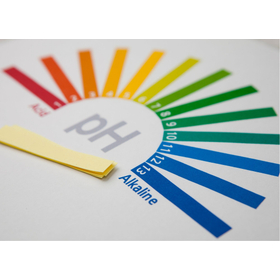
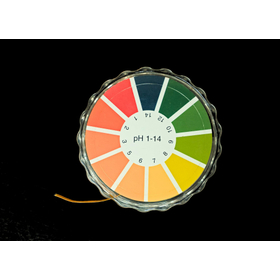
■What does pH represent? pH stands for potential Hydrogen or power of Hydrogen, pronounced as "pee-aitch" or "peh-ha" in Japanese, and is translated as "hydrogen ion index" in Japanese. The essence of pH is the "amount of hydrogen ions" present in water. Acidic substances release a lot of hydrogen ions when dissolved in water, while alkaline substances change the amount of hydrogen ions by either absorbing them or releasing hydroxide ions. The values typically range from 1 to 14, with 7 being the midpoint, considered "neutral." Values less than 7 are "acidic," and values greater than 7 are "alkaline." ■What is the pH of common liquids? Water is a representative of neutral, vinegar and lemon are representatives of acidic, and soap water is a representative of alkaline. ■Why is the "P" in pH lowercase? Since it refers to the exponent of hydrogen ion concentration (power), the lowercase "p" from power is combined with the "H" for hydrogen to form pH. ■Why is pH important in boiler and water treatment settings? Managing the pH of water quality is essential to prevent corrosion and scale buildup in boilers and piping. It is measured using pH test strips or a pH meter. Please feel free to consult us first.

  • pH meter
  • pH adjuster
  • pH Meter

Added to bookmarks

Bookmarks list

Bookmark has been removed

Bookmarks list

You can't add any more bookmarks

By registering as a member, you can increase the number of bookmarks you can save and organize them with labels.

Free membership registration

What is a boiler chemical dosing system? 【Basic Knowledge】

What is a dosing system that optimally maintains the water quality of a boiler plant? An explanation of the mechanism that prevents corrosion and enhances safety.

■What does a chemical injection device do? A chemical injection device is a system that injects various chemicals to maintain and manage the water quality of a boiler plant in optimal condition. Typically, various water treatment chemicals such as cleaning agents, deoxygenating agents, and pH adjusters are used, selected according to the type of boiler and the quality of the feedwater. Its main role is to minimize corrosion within the system and enhance the safety of the plant. ■What happens if chemical injection is not performed? If appropriate chemical injection is not carried out, it may lead to various issues such as corrosion of the boiler body and piping, scale buildup, and carryover of boiler water into steam. Continuous water quality management through a chemical injection device plays a crucial role in preventing such problems and ensuring the long-term safe use of boiler equipment. ■How is the chemical injected? Using a pump, various effective water treatment chemicals are injected into the line at a maximum rate of 30 ml/min. ■How to consider implementation? A chemical injection device can be helpful for maintaining water quality and corrosion prevention in boiler plants. If you have concerns about selecting or implementing water treatment chemicals, please feel free to consult with us first.

  • Boiler
  • boiler
  • Water treatment equipment

Added to bookmarks

Bookmarks list

Bookmark has been removed

Bookmarks list

You can't add any more bookmarks

By registering as a member, you can increase the number of bookmarks you can save and organize them with labels.

Free membership registration

How does scale adhesion reduce thermal efficiency? [Basic Knowledge]

Does a 1mm scale attachment reduce heat transfer efficiency by about 3%? What is the impact on annual costs?

■What happens to thermal efficiency when scale accumulates? It is said that when 1mm of scale accumulates, the heat transfer efficiency decreases by about 3%. Hardness components such as calcium and magnesium contained in the feed water precipitate due to temperature rise and concentration, adhering to the boiler as scale. Issues with water softeners or the concentration of silica can also be contributing factors. Scale is less conductive to heat compared to metal, thus hindering heat transfer like insulation. ■How much does it affect costs? Assuming the energy cost for boiler operation is 10 million yen per year, operating with 1mm of scale accumulation would result in a simple calculation of +3%, bringing the total to 10.3 million yen, which could lead to over 300,000 yen in waste annually. ■What other risks are there besides thermal efficiency? Areas where scale has accumulated are prone to localized overheating, which could lead to a decrease in the strength of the can body, cracking, or unexpected operational shutdowns. ■How can these risks be prevented? Common measures to prevent scale accumulation include the removal of hardness components using water softeners, water quality management with chemicals, and sludge discharge through blowdown. Please feel free to consult us first.

  • Boiler
  • boiler
  • Water Treatment Chemicals

Added to bookmarks

Bookmarks list

Bookmark has been removed

Bookmarks list

You can't add any more bookmarks

By registering as a member, you can increase the number of bookmarks you can save and organize them with labels.

Free membership registration

What are the types of boiler chemicals? [Basic Knowledge]

What types of boiler chemicals are there, such as cleaning agents, deoxygenation agents, and condensate treatment agents? What is an effective way to choose them for rust prevention and scale prevention?

■What types of boiler chemicals are there? Boilers have various types of chemicals, including cleaning agents to prevent can body troubles, deoxygenating agents, composite cleaning agents that are a mixture of the two, and condensate treatment agents to prevent issues in the steam condensate system. There are products with different raw materials and formulations available, and it is important to choose the optimal product based on the type of boiler, the quality of the feedwater, and the steam application. ■What happens if chemicals are not used? If scale builds up, heat transfer efficiency decreases, which can lead to localized overheating, damage to the can body, or unexpected operational shutdowns. Additionally, if carryover occurs, where boiler water mixes with steam, it can result in decreased steam purity and damage to equipment such as superheaters. Managing water quality with chemicals is a crucial measure to prevent such issues. ■What effects should be considered when choosing? 1. Rust prevention effect (deoxygenating agents, pH adjusters) 2. Scale prevention 3. Carryover prevention ■What to do if you're unsure about choosing chemicals? The optimal product varies depending on the type of boiler, the quality of the feedwater, and the steam application. If you're unsure about selecting water treatment chemicals such as cleaning agents, deoxygenating agents, or condensate treatment agents, please feel free to consult with us first.

  • Water Treatment Chemicals
  • Boiler
  • boiler

Added to bookmarks

Bookmarks list

Bookmark has been removed

Bookmarks list

You can't add any more bookmarks

By registering as a member, you can increase the number of bookmarks you can save and organize them with labels.

Free membership registration

Proposal for Used Water Softener | Reduce Installation Costs by 70% [With Case Studies]

For those struggling with water softeners! We restore soft water supply in a short period and at a low cost (about 1/3 of a new one), balancing implementation within budget and short construction time.

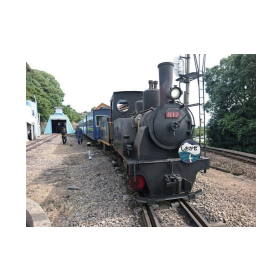
Do you have any concerns such as a malfunctioning water softener for steam locomotives used in tourist facilities? - The water softener for the steam locomotive has broken down, leading to the risk of scale buildup and service interruptions. - As a public facility, securing a budget for new equipment is difficult. We propose a refurbished used water softener for boilers. It has been reinstalled to match the site environment, restoring soft water supply in a short period and at a low cost (about one-third of the price of new equipment). ◇ Soft water supply was restored in just a few days, allowing for continued operation of the train. ◇ Introduced at about one-third the cost compared to new machines. ◇ Stable steam supply ensures safe operation of the boiler. We are currently offering a free case study on the selection, maintenance, and installation of used machines handled as a package.

  • Water purifiers/water softeners

Added to bookmarks

Bookmarks list

Bookmark has been removed

Bookmarks list

You can't add any more bookmarks

By registering as a member, you can increase the number of bookmarks you can save and organize them with labels.

Free membership registration

Boiler Trouble | Visualizing the Situation and Preventive Maintenance [With Case Studies]

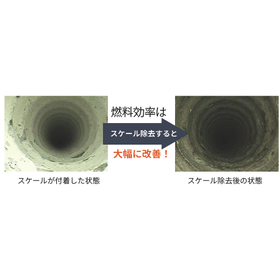
For those troubled by decreased boiler efficiency! Improved fuel efficiency through the removal of iron from the heat transfer surface.

Are you facing any of these concerns regarding your boiler's efficiency? - I feel like the boiler's efficiency is decreasing. - The fuel consumption is increasing, yet the steam startup is poor. - Could it be related to iron content? By using a fiberscope to assess the current situation and performing internal cleaning of the water tank, we can resolve these issues. ◇ Reduced boiler startup time ◇ Improved fuel efficiency through the removal of iron from the heat transfer surfaces ◇ Prevention of future re-deposition by removing iron from inside the tank ◇ Visualization of the situation also contributes to preventive maintenance We are currently offering free examples of our one-stop service that includes investigation, cleaning, and chemical treatment.

  • boiler

Added to bookmarks

Bookmarks list

Bookmark has been removed

Bookmarks list

You can't add any more bookmarks

By registering as a member, you can increase the number of bookmarks you can save and organize them with labels.

Free membership registration

What qualifications are necessary for handling boilers? 【Basic Knowledge】

Is a qualification required to handle that boiler? Explanation of the categories!

■There are various types of boilers! Boilers can be broadly classified as follows: Round boilers (vertical boilers, smoke tube boilers, fire tube boilers, fire tube boilers) Water tube boilers (natural circulation type, forced circulation type, once-through boilers) Cast iron boilers Specialty boilers (waste heat, special fuels, heat transfer fluids, electric boilers, etc.) To handle these various types of boilers, qualifications corresponding to the heat transfer area are required. ■The qualifications are divided into three categories: 1. Second-class boiler technician Can handle boilers with a heat transfer area of less than 25 square meters. 2. First-class boiler technician Can handle boilers with a heat transfer area of 25 square meters or more and less than 500 square meters. 3. Special-class boiler technician Can handle all boilers, including those with a heat transfer area of 500 square meters or more. ■Please consult us first. Feel free to consult us regarding the installation, inspection, or repair of boilers.

  • boiler
  • Boiler

Added to bookmarks

Bookmarks list

Bookmark has been removed

Bookmarks list

You can't add any more bookmarks

By registering as a member, you can increase the number of bookmarks you can save and organize them with labels.

Free membership registration

Adult indulgences | We want to create new products that cannot be imitated by other companies [with examples]

For those who are struggling to create new products! We offer support aimed at adult indulgences through the approach of pairing with alcohol.

Do you have concerns like wanting to create a new product (senbei) aimed at high-end consumers that can increase unit prices? - The texture tends to become monotonous. - Generic seasonings feel unsatisfactory. We have supported the development of various flavors that pair well with sake (junmai and ginjo) and craft beer, guiding the process from prototyping to product commercialization. ◇ Coarse ingredients: Intentionally leaving the ingredients coarse to bring out "the texture of the ingredients themselves." ◇ Specialty seasonings: Establishing brands for seasonings such as "domestic aosa" and "long-established XX soy sauce." We are currently offering a free case study of a flavoring that is not generic and meets customer satisfaction.

  • others

Added to bookmarks

Bookmarks list

Bookmark has been removed

Bookmarks list

You can't add any more bookmarks

By registering as a member, you can increase the number of bookmarks you can save and organize them with labels.

Free membership registration

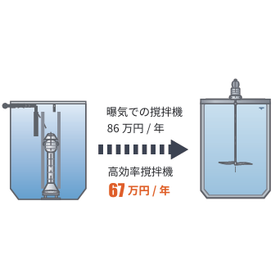
Electricity Costs at Wastewater Treatment Plants | Conducting On-Site Surveys to Reduce Electricity Costs [With Case Studies]

For those struggling with electricity costs at wastewater treatment plants! Achieve savings on electricity bills by reevaluating equipment such as mixers.

Are you concerned about the high electricity consumption at your wastewater treatment plant and want to reduce your electricity costs? By reviewing the aeration tank's agitator, we can achieve a total reduction of 70% in electricity costs. ◇ Switching to a high-efficiency agitator not only reduces electricity costs but also prevents sludge settling, ensures uniform mixing, and suppresses scum. ◇ We offer a wide range of solutions for stirring, mixing, and generating flow in various water-related facilities across industries and environmental sectors. By upgrading to a diffuser with low pressure loss, we can achieve a total reduction of 30% in electricity costs. ◇ Since there is no pressure loss, there is an energy-saving effect with lower power consumption compared to membrane-type diffusers. ◇ It lifts the sludge from the bottom, preventing accumulation and eliminating anaerobic zones, while also preventing the settling of silica, calcium, and other substances. Where is the load occurring throughout the entire wastewater treatment process, from the neutralization tank to the sedimentation tank? We are currently offering free case studies of on-site investigations.

  • Wastewater/wastewater treatment equipment

Added to bookmarks

Bookmarks list

Bookmark has been removed

Bookmarks list

You can't add any more bookmarks

By registering as a member, you can increase the number of bookmarks you can save and organize them with labels.

Free membership registration

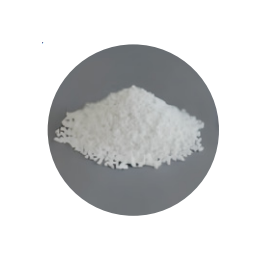
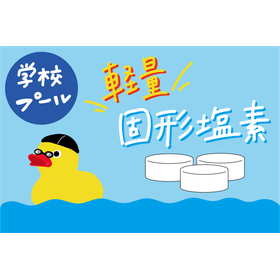
Lightweight solid chlorine | Greatly reduces the burden on school environments [with case studies]

For those troubled by the splashing and odor of liquid chemicals! Introducing solid chlorine agents to solve the problem and achieve a safer formulation.

Do you have any concerns regarding the operation of adding chlorine agents to the pool? - I want a lightweight chemical that any teacher can easily handle. - There have been times when the chemical stained my clothes and caused discoloration. - I am worried about splashing and odors during opening and adding. - There is a risk of leakage and corrosion in the storage area. Solid chlorine agents fundamentally solve the challenges at the work site. ◇ Reduces the workload of teachers and staff ◇ Improves safety and provides peace of mind in terms of hygiene management ◇ Reduces the time and stress involved in pool management ◇ Eliminates concerns about odor leakage and liquid spills during storage We are currently offering free examples of how easy-to-handle and safe solid chlorine can significantly reduce the burden on school environments.

  • others

Added to bookmarks

Bookmarks list

Bookmark has been removed

Bookmarks list

You can't add any more bookmarks

By registering as a member, you can increase the number of bookmarks you can save and organize them with labels.

Free membership registration

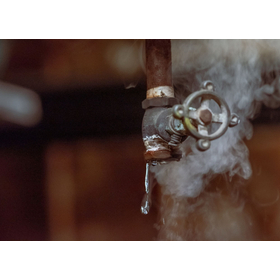
What is boiler scale? 【Basic Knowledge】

That trouble might be caused by the scale? Here's how to identify it!

■What is scale? Scale refers to the deposits formed by minerals such as calcium and magnesium contained in water, which crystallize and accumulate on the surfaces of equipment. ■Problems caused by scale! It can lead to various issues such as reduced heat transfer efficiency, sticking of valves, and holes in heat transfer surfaces due to overheating. ■Is it actually difficult to identify? Scale has characteristics that make it difficult to pinpoint the cause, as it shares similarities with problems caused by rust. To definitively identify scale, open inspections of piping and component analysis are necessary. ■Please consult us first! Feel free to reach out to us regarding scale diagnosis through open inspections and component analysis.

  • boiler
  • Boiler
  • Water quality testing

Added to bookmarks

Bookmarks list

Bookmark has been removed

Bookmarks list

You can't add any more bookmarks

By registering as a member, you can increase the number of bookmarks you can save and organize them with labels.

Free membership registration

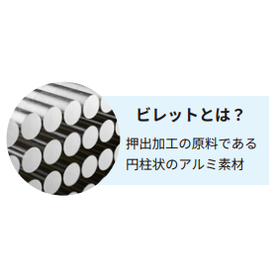
Billet Automatic Temperature Control | Eliminate Extrusion Defects Caused by Temperature [With Case Studies]

For those struggling with improving yield in aluminum extrusion and addressing defects caused by temperature! Solve it with a continuous billet temperature measurement device to prevent the occurrence of defective products in advance.

Do you have any concerns regarding temperature management of billets (cylindrical aluminum material for extrusion) in the manufacturing site of aluminum extrusion molding? - Operators manually measure temperature at only three points - Unable to grasp the actual temperature distribution and variations - As a result, extrusion defects caused by temperature occur A non-contact continuous temperature measurement device that scans the entire length will fundamentally solve these issues. ◇ Product unit price × Defect occurrence rate × Annual production volume ◇ It is estimated that the cost of introducing the device can be recovered (paid back) within a year ◇ Reducing quality complaints will also enhance trust from customers We are currently offering a free case study that contributed to preventing the occurrence of defective products and stabilizing extrusion quality.

  • Extrusion Machine

Added to bookmarks

Bookmarks list

Bookmark has been removed

Bookmarks list

You can't add any more bookmarks

By registering as a member, you can increase the number of bookmarks you can save and organize them with labels.

Free membership registration

What is total support for boilers? [Basic knowledge]

From boiler inspections to new installations, feel free to consult us all at once!

■What is a boiler? It is a machine that burns fuel (oil or gas) to heat water, producing hot water or steam. The generated hot water or steam is transported to distant locations and utilized as a heat source for heating, drying, and production lines in factories. Unlike a kettle, which only generates steam, a boiler can transport and utilize heat sources over long distances. ■We also accept such inquiries. We offer a wide range of services including regular inspections, open inspections, internal precision inspections, energy-saving proposals to reduce fuel costs, thermal efficiency diagnostics, piping renewal work, insulation work, and exhaust gas measurements (particulate matter, NOx, SOx). ■We also respond to new installations, removals, and breakdowns. For any boiler-related matters, including new installations, removals, relocations, diagnostics and inspections during breakdowns, and resin replacement, new installations, or updates for water softeners, please feel free to consult us. ■Please consult us first! For any inquiries regarding boilers in general, do not hesitate to contact us.

  • boiler
  • Boiler
  • Water purifiers/water softeners

Added to bookmarks

Bookmarks list

Bookmark has been removed

Bookmarks list

You can't add any more bookmarks

By registering as a member, you can increase the number of bookmarks you can save and organize them with labels.

Free membership registration

Hygiene Management Solutions | Fundamental Removal of Proteins [With Case Studies]

For those troubled by persistent drainage clogs and odors! We propose a specialized agent that powerfully breaks down the causes of dirt.

Do you have concerns like these, where regular detergents just won't do the trick, and cleaning takes a significant amount of time and effort? - Unable to eliminate odors and slime from drains - Want to reduce cleaning time We will investigate the site and propose a specialized agent that powerfully breaks down the causes of dirt, fundamentally solving your issues. ◇ The hassle of scrubbing is greatly reduced, maintaining cleanliness in a short time ◇ Physical labor and long cleaning hours are minimized, alleviating staff work stress ◇ By fundamentally removing the causative substances, we suppress the occurrence of unpleasant odors Based on the components of the dirt, we will propose effective agents. Case studies are available for free.

  • detergent

Added to bookmarks

Bookmarks list

Bookmark has been removed

Bookmarks list

You can't add any more bookmarks

By registering as a member, you can increase the number of bookmarks you can save and organize them with labels.

Free membership registration

Update of the diffuser in the aeration tank | Resolution of abnormalities in wastewater treatment [with case study]

For those who are struggling with issues such as ineffective drainage treatment! By updating the diffusers in the aeration tank, we have confirmed the restoration of normal aeration and DO levels.

Are you facing issues like changes in the water quality of your wastewater treatment tank, making the treatment ineffective? - The water that used to be brown has become darker. - The DO (dissolved oxygen concentration) is not rising at all. - There is a strong odor, and it feels like the biological treatment is not working. By updating the diffusers in the aeration tank, we can fundamentally solve these problems. ◇ The DO in the aeration tank will recover to normal levels. ◇ The activity of microorganisms will return, stabilizing the color of the treated water. ◇ The odor will be reduced, making wastewater management easier. ◇ We will also inspect other aeration piping to prevent recurrence. Please feel free to consult us for the inspection and maintenance of the aeration tank. We are currently offering free case studies.

  • Wastewater/wastewater treatment equipment

Added to bookmarks

Bookmarks list

Bookmark has been removed

Bookmarks list

You can't add any more bookmarks

By registering as a member, you can increase the number of bookmarks you can save and organize them with labels.

Free membership registration

Boiler Energy Efficiency Diagnosis | Solving Issues such as Fuel Costs [With Case Studies]

For those concerned about energy efficiency and heating efficiency of boilers! Discover waste in utility costs through energy-saving diagnostics.

Do you have concerns about the efficiency of the boiler itself and whether it is operating at that efficiency? - High fuel costs - Long heating times We will identify waste in utility costs through an energy-saving diagnosis of your existing boiler equipment. ◇ Even high-efficiency boilers can have reduced efficiency if settings are poor. ◇ Save energy by heating the feedwater through condensate recovery. ◇ Slightly increase steam pressure. ◇ Minimize fluctuations in steam pressure. Through tailored diagnostics and improvement proposals based on local conditions, we support the reduction of waste and stable operation. Free case studies are currently available.

  • boiler

Added to bookmarks

Bookmarks list

Bookmark has been removed

Bookmarks list

You can't add any more bookmarks

By registering as a member, you can increase the number of bookmarks you can save and organize them with labels.

Free membership registration

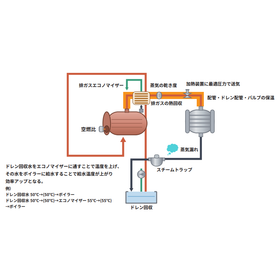
Do you know that boiler inspections are mandatory? 【Basic Knowledge】

Aren't you postponing that inspection? An explanation of its obligation and importance!

■Do you know that boiler inspections are mandatory? Boilers are legally required to undergo an annual inspection and maintenance called a "performance inspection," similar to a vehicle inspection. It is necessary to ensure that there have been no legal violations in the past two years and that inspections are conducted using the legally mandated equipment by qualified inspectors. So, what happens if you neglect the inspection? ■What happens if you neglect the inspection? Preventive maintenance is crucial, rather than relying on after-the-fact maintenance once a failure occurs. If you leave the boiler unchecked until it breaks down, it can shorten the lifespan of the boiler itself. In fact, there are cases where a performance inspection is not required. ■Even if a performance inspection is not required, do not let your guard down! Currently, the mainstream flow-through boilers often fall under the category of simple boilers, which may not require a performance inspection. However, even in such cases, regular inspections (spot checks) are necessary to detect internal damage, pipe cracks, and deterioration due to rust early on. ■Please consult us first! Feel free to consult us regarding maintenance periods and content, such as the replacement of liquid level gauges.
  • boiler
  • Boiler

Added to bookmarks

Bookmarks list

Bookmark has been removed

Bookmarks list

You can't add any more bookmarks

By registering as a member, you can increase the number of bookmarks you can save and organize them with labels.

Free membership registration

Umami component enhancement | Maintaining the existing flavor while keeping costs down [with examples]

For those struggling with rising food ingredient prices! Successfully reduced the amount of raw materials used by utilizing umami components.

Are you facing these concerns regarding the rising prices of raw materials and increasing costs? - You want to reduce the amount of scallop raw material used while maintaining the same flavor. - You want to keep costs down without compromising the balance of flavor and umami in your products. By using disodium succinate, a unique umami component of scallops, as a supplementary ingredient, we have successfully reduced the amount of raw scallops used while recreating the same level of umami and satisfaction. ◇ Successfully reduced the amount of scallop raw material used ◇ Maintained product quality without compromising flavor depth and aftertaste ◇ Improved profitability by controlling raw material costs We are currently offering a free case study on achieving cost reduction while preserving the natural flavors derived from ingredients.

  • seasoning

Added to bookmarks

Bookmarks list

Bookmark has been removed

Bookmarks list

You can't add any more bookmarks

By registering as a member, you can increase the number of bookmarks you can save and organize them with labels.

Free membership registration

Boiler Renewal | Simultaneous Reduction of Costs and Effort [With Case Studies]

For those who are troubled by high estimates from existing vendors and are hesitant to proceed with updates! We provide a comprehensive solution for boiler selection, installation, and chemical supply, reducing operational burdens.

Are you facing issues such as high costs for boiler updates, operational costs, and the hassle involved? - The estimates from existing vendors are too high, making it difficult to proceed with the update. - Due to regulatory requirements, smoke measurement and reporting are necessary, leading to a significant operational burden. - Running costs are accumulating, and regular maintenance and chemical management are also cumbersome. Our company addresses these challenges comprehensively by selecting and installing boilers with an eye on operations, as well as supplying chemicals. ◇ Significantly reduce equipment update costs. ◇ Free yourself from legal compliance, reducing the operational burden on-site. ◇ Steam quality stabilizes, positively impacting the finish of painting processes. ◇ Long-term stable operation through continuous maintenance and chemical management. We are currently offering free examples of cases where maintenance and chemical management after updates are handled entirely by one company, reducing adjustment and management costs.

  • boiler

Added to bookmarks

Bookmarks list

Bookmark has been removed

Bookmarks list

You can't add any more bookmarks

By registering as a member, you can increase the number of bookmarks you can save and organize them with labels.

Free membership registration

Boiler Chemicals | Scale Adhesion Suppression [With Case Studies]

For those troubled by scale inside boiler tubes! Achieve gradual removal of scale adhering to the inside of boiler tubes and suppression of re-adhesion.

Are you facing issues such as scale buildup inside the boiler pipes, leading to fuel loss due to decreased heat transfer efficiency, extended heating times, and the hassle and cost of regular scale removal work? We propose energy-saving boiler chemicals that contain scale-dissolving components. We have achieved gradual scale removal and suppression of reattachment. ◇ Reduction in fuel consumption by recovering heat transfer efficiency ◇ Shortened heating times ◇ Decreased frequency of regular cleaning, leading to labor savings in maintenance work. We are currently offering free case studies to address concerns regarding chemical selection and operational management.

  • boiler

Added to bookmarks

Bookmarks list

Bookmark has been removed

Bookmarks list

You can't add any more bookmarks

By registering as a member, you can increase the number of bookmarks you can save and organize them with labels.

Free membership registration

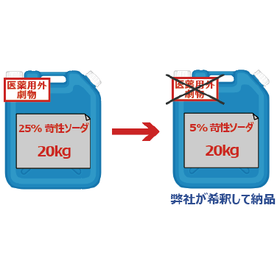
Dilution of hazardous substances | Diluting hazardous substances to the specified concentration for delivery [with examples]

For those struggling with the inability to use hazardous materials! We deliver it diluted, significantly reducing management costs.

Are you facing the issue at your factory where, due to company policy, you cannot handle "non-pharmaceutical toxic substances"? Our company can deliver toxic chemicals diluted to a specified concentration in advance. This allows you to avoid handling toxic substances, significantly reducing management costs. We are currently offering free case studies for those who have concerns such as "I don't know the appropriate concentration for the current toxic substances" or "I'm looking for easier-to-handle chemicals."

  • Other services

Added to bookmarks

Bookmarks list

Bookmark has been removed

Bookmarks list

You can't add any more bookmarks

By registering as a member, you can increase the number of bookmarks you can save and organize them with labels.

Free membership registration

Sugar substitution | Preventing dough from burning during baking [with examples]

For those troubled by burnt dough! We propose a sweetener that replicates a natural sweetness close to sugar.

Do you have any concerns about using sugar as a raw material? - I want to add sweetness to prevent the dough from burning. - I want to get as close as possible to the sweetness of sugar. By utilizing the characteristics of natural and synthetic sweeteners, we propose a blend that reproduces a natural sweetness similar to sugar by controlling the onset of sweetness and aftertaste. ◇ Significantly reduces burning during baking, stabilizing the product's appearance. ◇ The texture of sweetness is close to that of sugar, resulting in minimal taste discrepancies. ◇ Contributes to improved yield and reduced manufacturing costs. We are currently offering free examples of suitable sweetener blends tailored to manufacturing challenges.

  • seasoning

Added to bookmarks

Bookmarks list

Bookmark has been removed

Bookmarks list

You can't add any more bookmarks

By registering as a member, you can increase the number of bookmarks you can save and organize them with labels.

Free membership registration

Automatic Control of Coagulant Dosage | Stabilizing Floc Quality in Wastewater Treatment [With Case Studies]

For those troubled by wasted pharmaceutical costs and unstable flock quality! Introduce a coagulant dosage control device to optimize chemical usage.

Do you have any concerns about wastewater treatment at your manufacturing site? - The concentration and load of the raw water fluctuate from day to day. - There is a tendency for coagulation to be excessive or insufficient, leading to inconsistent treatment efficiency. By introducing a coagulant dosing control system, we optimize chemical usage. Sensors monitor the state of the floc, preventing excess or deficiency and maintaining optimal coagulation at all times. We address the issues at their root. ◇ Automatically controls the amount of chemicals in real-time according to fluctuations in raw water. ◇ Maintains optimal floc formation through feedback control. ◇ Avoids chemical excess or deficiency. We are currently offering a free case study on how the system autonomously adjusts the optimal timing and amount of chemical addition.

  • Instrumentation and Control Systems

Added to bookmarks

Bookmarks list

Bookmark has been removed

Bookmarks list

You can't add any more bookmarks

By registering as a member, you can increase the number of bookmarks you can save and organize them with labels.

Free membership registration

Stirring method for the raw water tank | Elimination of labor for cleaning air piping [with examples]

For those troubled by the daily workload and energy loss from cleaning air pipes! Achieve complete resolution of air pipe blockages.

Do you have any concerns about the air piping used for stirring and circulating water in the drainage treatment facility? - Every time there is a blockage, production must be stopped for cleaning, resulting in labor and time for maintenance. - The power consumption due to air usage is also significant. We propose switching from air stirring to an electric stirring mixer method, which allows for direct stirring from inside the tank without using piping, completely eliminating air pipe blockages. ◇ Regular cleaning operations are no longer necessary, reducing maintenance labor. ◇ The uniformity of stirring has improved, with no sedimentation of suspended substances, ensuring stability. ◇ Power consumption has been significantly reduced, providing cost benefits. ◇ Equipment troubles have decreased, contributing to stable production operations. We are currently offering free examples of cases that have improved stirring efficiency, energy savings, and maintenance.

  • Mixer/agitator

Added to bookmarks

Bookmarks list

Bookmark has been removed

Bookmarks list

You can't add any more bookmarks

By registering as a member, you can increase the number of bookmarks you can save and organize them with labels.

Free membership registration

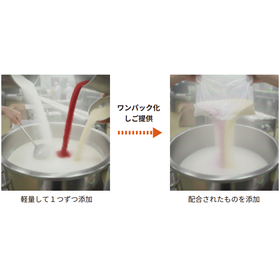
Seasoning coordination | Alleviating the burden of measuring in grams [with examples]

For those troubled by "rework" due to measurement errors! By packaging the necessary ingredients into one pack, we prevent measurement mistakes.

Do you have any concerns about weighing various ingredients in grams at the mass production site of a food manufacturer? - There are many elderly employees, and mistakes in weighing leading to "rework" are noticeable. - Employee motivation is declining due to errors. We pre-mix multiple ingredients (such as salt, sugar, spices, and extracts). We deliver them in a state where you only need to "add one bag at a time" on-site. By providing the necessary ingredients in a single pack, we fundamentally solve the challenges faced in the workplace. ◇ Significant reduction in weighing tasks Simply add the "special seasoning (mixed seasoning)" that comes in a single pack. ◇ Reduced waste and management costs The management target becomes one item, consolidating inventory space. ◇ Consistent taste for everyone Since the taste is determined just by adding it, stable production is possible even for foreign or new staff. We are currently offering free case studies aimed at reducing waste disposal due to human error.

  • seasoning

Added to bookmarks

Bookmarks list

Bookmark has been removed

Bookmarks list

You can't add any more bookmarks

By registering as a member, you can increase the number of bookmarks you can save and organize them with labels.

Free membership registration

What is the method for reducing the weight of pool chemicals? 【Basic Knowledge】

Is that chemical tank still over 20 kg? Here are two methods for weight reduction!

■Do you have any of these concerns? For those managing pools, sodium hypochlorite (liquid bleach) is a familiar substance. We have received many requests from school pool managers saying, "The chemical containers are heavy; is there anything we can do about it?" ■Why is it so heavy? Sodium hypochlorite is a liquid that is heavier than water, with a typical poly tank weighing between 20 to 25 kg. Since it is a liquid, it is not possible to reduce the weight of the chemical itself. ■There are ways to lighten the load! There are two methods. 1. Use smaller capacity poly tanks Some suppliers offer types that weigh 10 kg or 15 kg. 2. Use solid chemicals Using a solid component like sodium isocyanurate can reduce weight while maintaining the same disinfecting effect as the liquid (equipment may be required for use). ■Please consult with us first! We can also provide proposals that combine chemistry and machinery. We offer free on-site inspections and estimates. If you want to reduce your workload, please feel free to contact us.

  • Water Treatment Chemicals
  • Chemicals

Added to bookmarks

Bookmarks list

Bookmark has been removed

Bookmarks list

You can't add any more bookmarks

By registering as a member, you can increase the number of bookmarks you can save and organize them with labels.

Free membership registration

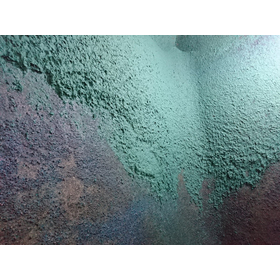
Residual pulp materials: Causes and countermeasures? 【Basic Knowledge】

Explanation of the causes and countermeasures for residuals in the tank during raw material switching in the materials!

■Do you have any of these concerns? A maintenance manager from a paper company we have been working with for some time had a troubled expression. They consulted us about the high defect rate of their products and asked if there was anything that could be done. ■Why are there residues from the raw materials? In paper companies, raw materials (pulp) are added to large tanks to produce paper. When switching raw materials, the previously added materials can adhere to the tank and remain as residues, which can cause defects. How can we prevent this residue? ■We have a solution! By applying a special coating inside the tank, we can significantly reduce the adhesion of raw materials. Additionally, impurities such as films and lint mixed with the raw materials can be removed in advance by installing a special filter. ■What are the benefits of implementation? We have received feedback such as, "The defect rate has decreased, leading to significant cost savings," and "We have also reduced the effort required to manage defects." Besides tank coatings, we can offer tailored proposals to meet our customers' needs.

  • Liquid foreign body removal device
  • Coating Agent
  • Paper and pulp

Added to bookmarks

Bookmarks list

Bookmark has been removed

Bookmarks list

You can't add any more bookmarks

By registering as a member, you can increase the number of bookmarks you can save and organize them with labels.

Free membership registration

What is the proper way to choose a deodorant? 【Basic Knowledge】

Is that deodorant suitable for the site? I will explain how to choose it based on effectiveness tests in the materials.

■Do you have any of these concerns? "Even though there are deodorants available, it still smells," "What can I do to enhance the effectiveness?" "Which deodorant is the most effective?" — A representative from a purification center's sewage treatment facility also faced the issue of strong odors and diminishing effectiveness of the deodorants used. ■Why can't you feel the effectiveness? An "effective deodorant" is one that works well in that specific environment. Even the same deodorant can have varying effectiveness due to different conditions and environments at each facility. The deodorant you are currently using may not be suitable for your site, which could be the reason you are not experiencing its effectiveness. However, many people may be unsure about how to verify this. ■Leave the verification to us! We will prepare multiple deodorants at the actual site and conduct deodorization effectiveness tests to select and recommend the most effective deodorant. You can also objectively understand the effectiveness of the deodorant you are currently using through numerical data. ■First, please consult with us! We can provide proposals based on the scale of your facility and the feedback from your employees. If you are uncertain about your decision, we also offer free consultations. If desired, our specialized staff will conduct a site survey and provide answers regarding necessity and costs.

  • Odor Testing
  • Deodorizing and anti-odor products
  • Air sterilization and deodorization equipment

Added to bookmarks

Bookmarks list

Bookmark has been removed

Bookmarks list

You can't add any more bookmarks

By registering as a member, you can increase the number of bookmarks you can save and organize them with labels.

Free membership registration

What causes boiler scale? 【Basic Knowledge】

The increase in fuel costs may be due to boiler scale? We will explain the causes and countermeasures!

■Do you have any of these concerns? "Increasing fuel consumption to produce the same amount of steam," "Taking too long to start up," "The same scale deposits every time during regular cleaning" — When scale (hard deposits) accumulates on the heat transfer surfaces of a boiler, these issues can become chronic. ■Why does scale accumulate? It occurs when water containing hardness components evaporates and concentrates inside the boiler, causing components that can no longer dissolve to precipitate on the inner walls of the pipes. Traditional measures of "removing it once it has formed" do not provide a fundamental solution and tend to lead to the same issues recurring. ■We have a solution! We propose switching to energy-saving boiler chemicals that combine scale-dispersing and scale-removing components. This switch can be made without stopping operations, achieving recovery of heat transfer efficiency and reducing maintenance labor. ■Please consult with us first! The optimal chemicals vary depending on water quality and operating conditions, so we will provide tailored recommendations starting with a water quality test before implementation. For more details, please refer to the materials.

  • boiler
  • Water Treatment Chemicals
  • Chemicals

Added to bookmarks

Bookmarks list

Bookmark has been removed

Bookmarks list

You can't add any more bookmarks

By registering as a member, you can increase the number of bookmarks you can save and organize them with labels.

Free membership registration

What is the slime issue in cooling towers? 【Basic Knowledge】

What is the problem of slime accumulating in the cooling water?

Cooling water contains sufficient nutrients at an optimal temperature for the proliferation of microorganisms. As a result, bacteria, germs, and algae thrive in many cooling water systems, moving and adhering throughout the system along with the water. The accumulation of microorganisms or substances secreted by them is referred to as slime. ■What problems can occur? 1. Decreased cooling capacity If slime accumulates on the fill media of cooling towers, piping, or tubes of chillers, the efficiency of the cooling tower will decrease. A reduction in the efficiency of the cooling water leads to a decline in the overall performance of the heat source system. 2. Corrosion of pipes Not only does the water quality of the cooling water passing through pipes with slime adhere deteriorate, but the pipes themselves also suffer damage. This increases the risk of corrosion leading to water leaks, as well as the hassle and costs associated with repairs or replacements. 3. Clogging of pipes Slime is adhesive, and as it accumulates in large quantities, it can hinder the flow of cooling water, leading to the risk of clogs that render the system unusable.

  • Cooling system
  • Cooling Equipment
  • Other heating and cooling equipment

Added to bookmarks

Bookmarks list

Bookmark has been removed

Bookmarks list

You can't add any more bookmarks

By registering as a member, you can increase the number of bookmarks you can save and organize them with labels.

Free membership registration

What are the three types of pressure vessels? 【Basic Knowledge】

Pressure vessels have different management requirements depending on their type! (Type I, Small, Type II)

Even though they are called pressure vessels, they can be divided into several types depending on their contents and pressure. Understanding the classification reveals the differences in the necessary management. ■ Two main categories based on contents Pressure vessels are broadly divided into two categories based on the nature of their contents. One category contains liquids that generate steam due to temperature rise or reactions. The other category contains gases other than steam, such as regular compressed air. The former corresponds to first-class pressure vessels and small pressure vessels, while the latter corresponds to second-class pressure vessels. ■ Differences between first-class, small, and second-class Both first-class pressure vessels and small pressure vessels are containers that hold liquids (steam) at temperatures exceeding the boiling point at atmospheric pressure. The difference between the two lies in their scale; those with a larger product of maximum allowable pressure and volume are classified as first-class, while smaller ones are classified as small. On the other hand, second-class pressure vessels refer to containers that hold gases with a gauge pressure of 0.2 megapascals or more, regardless of the presence of liquid. Since the inspections and management required differ by type, understanding which category your company's equipment falls into is the first step. For confirmation of your company's pressure vessel classification and guidance on inspection and performance testing, this document provides an explanation. Please download the document!
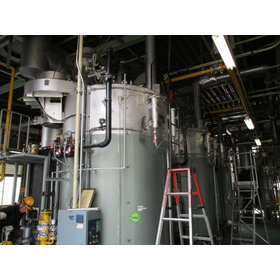
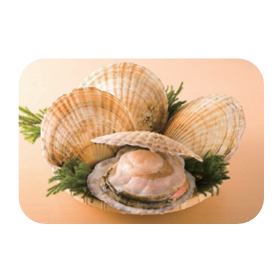
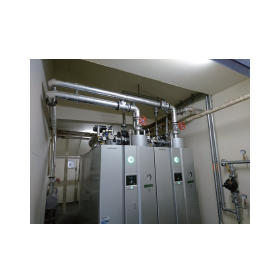
  • Distillation Apparatus
  • Heating device
  • High Pressure Reactor

Added to bookmarks

Bookmarks list

Bookmark has been removed

Bookmarks list

You can't add any more bookmarks

By registering as a member, you can increase the number of bookmarks you can save and organize them with labels.

Free membership registration

What are the basics and dangers of pressure vessels? 【Basic Knowledge】

A pressure vessel is a container designed to efficiently store gases or liquids!

Among the familiar equipment around us, there are those that work quietly while harboring great power within. Pressure vessels are one such example. ■ What is a pressure vessel? A pressure vessel is a container designed to store gases or liquids at a constant pressure different from atmospheric pressure. In simpler terms, it refers to a container that can maintain a state of pressure higher or lower than atmospheric pressure. They are widely used in various applications, including boilers and manufacturing processes in factories. ■ The dangers behind high convenience The most important thing to be cautious about when handling pressure vessels is their potential danger. Boilers and pressure vessels contain high-temperature, high-pressure contents or flammable materials, which pose risks of explosion or rupture. If a rupture occurs due to aging or other factors, parts of the container or debris can scatter over hundreds of meters. This could lead to a major disaster that affects not only those working nearby but also local residents. Therefore, regular inspections and statutory checks are essential to maintain a healthy state. The procedures for inspecting and testing the performance of pressure vessels are explained in this document. Please download the document!
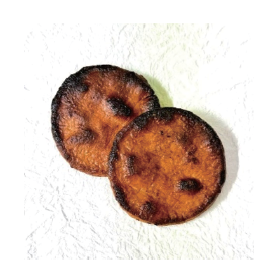
  • Heating device
  • High Pressure Reactor
  • Evaporation/Concentration Equipment

Added to bookmarks

Bookmarks list

Bookmark has been removed

Bookmarks list

You can't add any more bookmarks

By registering as a member, you can increase the number of bookmarks you can save and organize them with labels.

Free membership registration
Prev 12345 Next
  • 金属・化学・窯業・食品・医薬品などのほぐし・解砕・ふるい分けがこれ一台 解砕機構付き佐藤式振動ふるい機 つばさ デモ実施中!
  • 排気熱風なく気温-4.1℃の冷風を 工事不要で暑さ対策 店舗・工場の安全対策に! 気化式スポットクーラー Pure Drive
    • Contact this company

      Inquiry Form
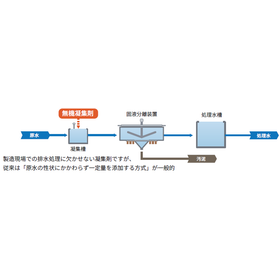
    • Before making an inquiry
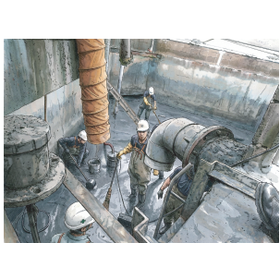
      Download Profile

    Products

    • Search for Products

    Company

    • Search for Companies

    Special Features

    • Special Features

    Ranking

    • Overall Products Ranking
    • Overall Company Ranking

    support

    • site map
    IPROS
    • privacy policy Regarding external transmission of information
    • terms of service
    • About Us
    • Careers
    • Advertising
    IPROS Services
    • >IPROS GMS | Search site for the manufacturing industry
    • >IPROS | Search site for the B2B industry
    COPYRIGHT © 2001-2026 IPROS CORPORATION ALL RIGHTS RESERVED.
    Please note that the English text on this page is automatically translated and may contain inaccuracies.