1171~1215 item / All 1805 items
Displayed results
Filter by category

Added to bookmarks
Bookmarks listBookmark has been removed
Bookmarks listYou can't add any more bookmarks
By registering as a member, you can increase the number of bookmarks you can save and organize them with labels.
Free membership registration
Contact this company
Inquiry FormBefore making an inquiry
Download Profile1171~1215 item / All 1805 items
Filter by category

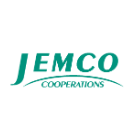
In the packaging materials industry, there are many instances where the know-how of experienced technicians is crucial at various stages of mold design, manufacturing, and maintenance to maintain product quality and improve production efficiency. In particular, design philosophies of molds, optimization of processing conditions, and criteria for troubleshooting tend to rely on specific individuals as "tacit knowledge" backed by years of experience. This personalization can lead to barriers in technology transfer, delays in response during unexpected troubles, and even a decrease in productivity. Our service aims to formalize these personalized tasks and technologies, supporting the creation of a standardized system that anyone can understand and utilize in packaging material manufacturing. This will reduce dependence on veteran technicians, facilitate smoother technology transfer, enable rapid responses during trouble occurrences, improve productivity and stabilize quality, and contribute to enhancing the overall technical capabilities of the organization, potentially leading to cost reductions. 【Usage Scenarios】 - Sharing past success and failure cases in mold design - Standardizing optimal condition settings during mold processing - Clarifying troubleshooting procedures during mold maintenance - Transferring knowledge and skills related to molds to younger technicians
Added to bookmarks
Bookmarks listBookmark has been removed
Bookmarks listYou can't add any more bookmarks
By registering as a member, you can increase the number of bookmarks you can save and organize them with labels.
Free membership registration
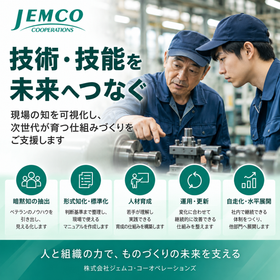
In the toy industry, there are many situations where the know-how of experienced engineers is essential at various stages of product planning, design, manufacturing, and quality control. In particular, understanding design intentions, selecting optimal materials, making fine adjustments during the manufacturing process, and judging quality standards tend to rely on specific individuals as "tacit knowledge" backed by years of experience. This personalization can lead to barriers in technology transfer, delays in responding to unexpected troubles, and even delays in delivery times. Our service aims to formalize these personalized tasks and technologies, supporting the creation of a standardized system in the field of toy manufacturing that anyone can understand and utilize. This will reduce dependence on veteran engineers, facilitate smooth technology transfer, and contribute to shorter delivery times. 【Usage Scenarios】 - Sharing past success and failure cases in mold design - Standardizing optimal condition settings during mold processing - Clarifying troubleshooting procedures during mold maintenance - Transferring knowledge and skills related to molds to younger engineers 【Benefits of Implementation】 - Reduced dependence on veteran engineers - Smoother technology transfer and promotion of talent development - Rapid response to troubles related to molds - Increased productivity and stabilization of quality - Overall improvement of organizational technical capabilities
Added to bookmarks
Bookmarks listBookmark has been removed
Bookmarks listYou can't add any more bookmarks
By registering as a member, you can increase the number of bookmarks you can save and organize them with labels.
Free membership registration
In the industrial machinery sector, there are many situations where the know-how of experienced technicians is essential at various stages of maintenance and upkeep. Particularly, the identification of causes during failures and the criteria for repair procedures tend to rely on specific individuals as "tacit knowledge" backed by years of experience. This personalization can lead to barriers in technical inheritance, delays in response during unexpected troubles, and even a decrease in productivity. Our service aims to formalize these personalized tasks and technologies, supporting the creation of a standardized system in the maintenance field of industrial machinery that anyone can understand and utilize. 【Usage Scenarios】 - Clarification of troubleshooting procedures during maintenance - Sharing of past maintenance cases and response histories - Transfer of maintenance-related knowledge and skills to younger technicians 【Benefits of Implementation】 - Reduced dependence on veteran technicians - Smoother technical inheritance and promotion of talent development - Rapid response during maintenance-related troubles - Improved productivity and stabilization of quality
Added to bookmarks
Bookmarks listBookmark has been removed
Bookmarks listYou can't add any more bookmarks
By registering as a member, you can increase the number of bookmarks you can save and organize them with labels.
Free membership registration
In the consumer goods manufacturing industry, there are many instances where the know-how of experienced engineers is crucial at each stage of design, manufacturing, and maintenance to ensure stable product supply and quality maintenance. In particular, aspects such as product design philosophy, optimization of processing conditions on the production line, and decision-making criteria during unexpected troubles tend to rely on specific individuals as "tacit knowledge" backed by years of experience. This personalization can lead to barriers in technology transfer, delays in response during production line stoppages, and even a decrease in productivity. Our service aims to formalize these personalized tasks and technologies, supporting the creation of standardized systems in the consumer goods manufacturing sector that anyone can understand and utilize. 【Usage Scenarios】 - Sharing past success and failure cases in product design - Standardizing optimal condition settings on the production line - Clarifying troubleshooting procedures during manufacturing line maintenance - Transferring knowledge and skills to younger engineers 【Benefits of Implementation】 - Reduced dependence on veteran engineers - Smoother technology transfer and promotion of talent development - Quick response to troubles related to manufacturing - Improved productivity and stabilized quality
Added to bookmarks
Bookmarks listBookmark has been removed
Bookmarks listYou can't add any more bookmarks
By registering as a member, you can increase the number of bookmarks you can save and organize them with labels.
Free membership registration
In the building materials industry, there are many situations where the know-how of experienced engineers is essential at each stage of design, manufacturing, and maintenance. In particular, product design philosophy, optimization of processing conditions, and criteria for troubleshooting tend to rely on specific individuals as "tacit knowledge" backed by years of experience. This personalization can lead to barriers in technology transfer, delays in responding to unexpected troubles, and even a decrease in productivity. Our service aims to formalize these personalized tasks and technologies, supporting the creation of a standardized system in the building materials field that anyone can understand and utilize. 【Usage Scenarios】 - Sharing past success and failure cases in design - Standardization of optimal condition settings during processing - Clarification of troubleshooting procedures during maintenance - Transfer of knowledge and skills to younger engineers 【Benefits of Implementation】 - Reduced dependence on veteran engineers - Smoother technology transfer and promotion of talent development - Rapid response during trouble occurrences - Increased productivity and stabilization of quality - Overall improvement of organizational technical capabilities
Added to bookmarks
Bookmarks listBookmark has been removed
Bookmarks listYou can't add any more bookmarks
By registering as a member, you can increase the number of bookmarks you can save and organize them with labels.
Free membership registration
In the manufacturing of cosmetic containers, there are many situations where the know-how of experienced technicians is essential to achieve the reproduction of complex designs and high-quality surface finishes. In particular, mold design that captures the intent of the design, setting conditions for accurately processing fine shapes, and optimizing molding conditions to maintain aesthetic integrity tend to rely heavily on specific individuals as "tacit knowledge" backed by years of experience. This personalization can lead to variations in the reproducibility of designs, delays in responding to new designs, and even a decrease in productivity. Our service aims to formalize these personalized tasks and technologies, supporting the creation of a standardized system in the field of design reproduction for cosmetic containers that anyone can understand and utilize. 【Application Scenarios】 - Sharing mold designs that accurately reflect the intent of the design - Standardizing processing conditions for complex shapes - Clarifying molding conditions to maintain aesthetic integrity - Transferring knowledge and skills related to design reproduction to younger technicians 【Benefits of Implementation】 - Reduced dependence on veteran technicians - Smoother technology transfer and promotion of talent development - Rapid response to issues arising in design reproduction - Improved productivity and stabilization of quality - Overall enhancement of the organization's technical capabilities
Added to bookmarks
Bookmarks listBookmark has been removed
Bookmarks listYou can't add any more bookmarks
By registering as a member, you can increase the number of bookmarks you can save and organize them with labels.
Free membership registration
In the stationery industry, where small-batch and diverse production is common, there are many situations where the know-how of experienced engineers is essential at each stage of design, manufacturing, and maintenance. In particular, design philosophy for molds, optimization of processing conditions, and criteria for troubleshooting tend to rely heavily on specific individuals as "tacit knowledge" backed by years of experience. This personalization can lead to barriers in technology transfer, delays in response during unexpected troubles, and even a decrease in productivity. Our service aims to formalize these personalized tasks and technologies, supporting the creation of standardized systems in the field of stationery manufacturing that anyone can understand and utilize. 【Application Scenarios】 - Sharing past success and failure cases in mold design - Standardizing optimal condition settings during mold processing - Clarifying troubleshooting procedures during mold maintenance - Transferring knowledge and skills related to molds to younger engineers 【Benefits of Implementation】 - Reduced dependence on veteran engineers - Smoother technology transfer and promotion of talent development - Rapid response to troubles related to molds - Improved productivity and stabilization of quality - Overall enhancement of organizational technical capabilities
Added to bookmarks
Bookmarks listBookmark has been removed
Bookmarks listYou can't add any more bookmarks
By registering as a member, you can increase the number of bookmarks you can save and organize them with labels.
Free membership registration
In the chemical industry, adherence to safety procedures is extremely important, and personalization, where only specific individuals know or can make judgments, increases the risk of human error and can lead to serious accidents. To maintain safe operations, it is essential to make the knowledge and judgment criteria held by experienced personnel understandable and executable by anyone. Our service helps eliminate personalization in safety procedures at chemical sites and supports the establishment of a standardized operational system. 【Use Cases】 - Standardization of operating and maintenance procedures in chemical plants - Formalization of veteran know-how regarding hazardous materials handling - Development of emergency response manuals and communication to younger staff - Safety procedure training during the introduction of new equipment 【Benefits of Implementation】 - Reduction of accident risks due to misunderstandings or omissions in safety procedures - Rapid and reliable transfer of technology and knowledge to new personnel - Assurance of business continuity in the absence of responsible personnel - Strengthening and maintenance of safety management systems
Added to bookmarks
Bookmarks listBookmark has been removed
Bookmarks listYou can't add any more bookmarks
By registering as a member, you can increase the number of bookmarks you can save and organize them with labels.
Free membership registration
In the machinery industry, the sharing of specialized knowledge and skills is essential for the stable operation of equipment and efficient maintenance. In particular, the tacit knowledge held by veteran technicians, such as their experience and intuition, is a crucial element in creating maintenance manuals and transferring skills to younger employees. However, the challenge often lies in formalizing this tacit knowledge. If tacit knowledge is not formalized, dependence on veterans increases, leading to delays in skill transfer and variations in maintenance quality. Our service addresses the issue of personalization in the machinery industry by extracting the tacit knowledge of veterans and converting it into explicit knowledge that anyone can understand, thereby supporting the creation of usable systems on-site. 【Usage Scenarios】 - Skill transfer due to the retirement or resignation of veteran technicians - Transfer of skills to younger operators - Creation and updating of maintenance manuals - Standardization of decision-making criteria during troubleshooting - Horizontal deployment of technology and know-how to other departments 【Benefits of Implementation】 - Reduced dependence on veterans - Standardization and improvement of maintenance quality - Smoother and faster skill transfer - Early empowerment of younger operators - Establishment of a continuous improvement cycle within the company
Added to bookmarks
Bookmarks listBookmark has been removed
Bookmarks listYou can't add any more bookmarks
By registering as a member, you can increase the number of bookmarks you can save and organize them with labels.
Free membership registration
In the electrical engineering industry, the sharing of circuit diagrams can sometimes be problematic due to the reliance on the experience and know-how of individual designers, leading to a situation known as "person dependency." This is particularly true in complex circuit design and the utilization of past design assets, where situations can arise that only specific individuals can understand or make judgments about, potentially causing delays and mistakes in the design process. Additionally, if the sharing and handover of design information are not smooth, it can become difficult to transfer technology to younger engineers, which may impact the overall design capabilities of the organization. Our service aims to address these issues of person dependency, promote the sharing of knowledge and skills in circuit diagram design, and support the strengthening of the organization's overall design capabilities. 【Usage Scenarios】 - Formalizing the circuit design know-how of veteran designers - Efficiently transferring circuit design skills to younger designers - Improving the quality of circuit diagrams and reducing mistakes through design standardization - Strengthening project momentum by facilitating the sharing of design information - Establishing a system that can respond even in the absence of the design responsible person 【Benefits of Implementation】 - Standardization and efficiency of the design process - Early empowerment of younger engineers - Stabilization and improvement of design quality - Elevation of the overall design capabilities of the organization - Smooth technology transfer and resolution of person dependency
Added to bookmarks
Bookmarks listBookmark has been removed
Bookmarks listYou can't add any more bookmarks
By registering as a member, you can increase the number of bookmarks you can save and organize them with labels.
Free membership registration
In the textile industry production flow, there are many tasks that rely on the intuition and skills of experienced craftsmen. In particular, fine adjustments based on the characteristics of materials and processing conditions tend to become "personalized," meaning that only specific individuals can make those judgments. Such situations can lead to difficulties in technology transfer, variability in productivity, and risks during sudden absences of responsible personnel. Our support service for alleviating personalization in manufacturing helps address these challenges by extracting the tacit knowledge held by veterans and converting it into explicit knowledge that anyone can understand, thereby supporting the standardization and stabilization of the production flow. 【Usage Scenarios】 - Know-how of skilled technicians is not shared - There are processes that can only be handled by specific personnel - Technology transfer to younger employees is not going well - There are challenges in maintaining stable operation of the production line 【Benefits of Implementation】 - Smoother technology transfer and promotion of human resource development - Standardization of production processes leading to uniform quality - Risk reduction during personnel absences and stable operation of the production line - Early empowerment of younger operators
Added to bookmarks
Bookmarks listBookmark has been removed
Bookmarks listYou can't add any more bookmarks
By registering as a member, you can increase the number of bookmarks you can save and organize them with labels.
Free membership registration
In the metalworking industry, the management of jigs often faces the challenge of "dependency on specific individuals," where only certain personnel understand the operational and management methods. This can lead to work being stalled in the absence of those individuals, and management based on the experience and intuition of veterans is not standardized, making it difficult to pass on skills to younger employees. Such situations can potentially result in decreased productivity and increased risks. Our company's support service for eliminating dependency in manufacturing helps to formalize the tacit knowledge involved in jig management and establish a standard system that anyone can understand and implement, thereby assisting in breaking away from reliance on veterans. 【Usage Scenarios】 - Sharing veteran know-how regarding the selection and usage of jigs - Standardizing maintenance procedures for jigs - Clarifying the process for lending and returning jigs - Educating new personnel on jig management 【Benefits of Implementation】 - Standardization of jig management tasks leading to skill uniformity among personnel - Improved business continuity during personnel absences - Smooth transfer of technology and skills to younger personnel - Reduction of risks related to jig management
Added to bookmarks
Bookmarks listBookmark has been removed
Bookmarks listYou can't add any more bookmarks
By registering as a member, you can increase the number of bookmarks you can save and organize them with labels.
Free membership registration
In the field of plastic mold information, there are many situations where the know-how of experienced engineers is essential at each stage of design, manufacturing, and maintenance. In particular, design philosophy of molds, optimization of processing conditions, and criteria for troubleshooting tend to rely on specific individuals as "tacit knowledge" backed by years of experience. This personalization can lead to barriers in technology transfer, delays in response during unexpected troubles, and even a decrease in productivity. Our service aims to formalize these personalized tasks and technologies, supporting the creation of a standardized system in the field of plastic mold information that anyone can understand and utilize. 【Usage Scenarios】 - Sharing past success and failure cases in mold design - Standardization of optimal condition settings during mold processing - Clarification of troubleshooting procedures during mold maintenance - Transfer of knowledge and skills related to molds to younger engineers 【Benefits of Implementation】 - Reduced dependency on veteran engineers - Smoother technology transfer and promotion of talent development - Rapid response to troubles related to molds - Increased productivity and stabilization of quality - Overall improvement of organizational technical capabilities
Added to bookmarks
Bookmarks listBookmark has been removed
Bookmarks listYou can't add any more bookmarks
By registering as a member, you can increase the number of bookmarks you can save and organize them with labels.
Free membership registration
In the printing industry, particularly in the creation of plate data, specialized knowledge and know-how that can only be understood by experienced personnel may be the key to successful operations. This tacit knowledge poses a risk of stagnation in operations and variations in quality during the absence of these personnel. The accuracy and efficiency of plate data are directly linked to the final print quality, making the sharing of technology and standardization among personnel crucial. Our service addresses these challenges by formalizing the experience and judgment criteria of veterans, creating a system that anyone can understand and utilize, thereby supporting the resolution of the personalization of plate operations. 【Usage Scenarios】 - Only specific personnel can create or modify plate data. - Difficulties in transferring operations due to personnel retirement or transfers. - Variations in the quality of plate data. - Challenges in passing on technology to younger staff. 【Benefits of Implementation】 - The process of creating and modifying plate data is standardized, stabilizing quality. - Risks during personnel absence are reduced, improving business continuity. - Early development of younger personnel and improvement in technical levels can be expected. - The resolution of personalization contributes to increased productivity for the entire team.
Added to bookmarks
Bookmarks listBookmark has been removed
Bookmarks listYou can't add any more bookmarks
By registering as a member, you can increase the number of bookmarks you can save and organize them with labels.
Free membership registration
In the woodworking industry, many tasks rely on the intuition and skills of craftsmen with years of experience. In particular, subtle processing techniques tailored to the type and condition of the wood, the selection of optimal tools, and the ability to assess the drying state are challenges that tend to become personalized, as they can only be judged by specific individuals. If this tacit knowledge is not formalized, it can lead to difficulties in passing on skills, resulting in decreased productivity and variations in quality. Our service aims to eliminate this personalization in woodworking sites and support the creation of standardized systems that anyone can understand and implement. 【Usage Scenarios】 - To formalize the long years of experience and intuition of veteran craftsmen. - To pass on processing know-how tailored to the type and condition of the wood to younger generations. - To promote the standardization of specific processing techniques and stabilize quality. - To clarify work procedures and judgment criteria, thereby enhancing the efficiency of training new employees. 【Benefits of Implementation】 - Smooth facilitation of skill transfer and promotion of young talent development. - Uniformity and stabilization of processing quality. - Improvement in productivity and work efficiency. - Reduced dependency on veterans and risk diversification.
Added to bookmarks
Bookmarks listBookmark has been removed
Bookmarks listYou can't add any more bookmarks
By registering as a member, you can increase the number of bookmarks you can save and organize them with labels.
Free membership registration
In the pharmaceutical industry, quality control requires adherence to consistent manufacturing processes and strict standards to ensure product safety and efficacy. In particular, tasks and techniques that rely on "specific individuals who can only perform or make judgments" can lead to variations in quality and risks when those individuals are unavailable. Eliminating this personalization and establishing standardized processes that anyone can understand and execute is essential for stabilizing and improving the quality management system. Our service supports the strengthening of the quality management system in the pharmaceutical industry by formalizing the tacit knowledge of veterans and providing a framework that can be utilized on-site. 【Usage Scenarios】 - Creation and updating of Standard Operating Procedures (SOPs) in pharmaceutical manufacturing - Clarification of judgment criteria in quality testing - Transfer of technology related to the operation and maintenance of manufacturing equipment - Sharing of know-how in the new drug development process 【Benefits of Implementation】 - Standardization and homogenization of quality control tasks - Reduction of risks during the absence of responsible personnel - Smooth transfer of technology and skills to younger operators - Establishment of a continuous quality improvement cycle
Added to bookmarks
Bookmarks listBookmark has been removed
Bookmarks listYou can't add any more bookmarks
By registering as a member, you can increase the number of bookmarks you can save and organize them with labels.
Free membership registration
In the semiconductor industry, the documentation of processes requires accurate recording of judgment criteria based on advanced expertise and years of experience. Particularly in fine manufacturing processes and quality control, "tacit knowledge" understood only by specific individuals can become a bottleneck, hindering the transfer of technology and standardization. This can lead to an increased risk of human error and a decrease in productivity. Our service addresses these challenges by formalizing the experience and know-how of veterans, supporting the development of process documentation that anyone can understand and execute. 【Usage Scenarios】 - Want to pass on the know-how of veteran engineers to the next generation - Want to promote the standardization of manufacturing processes - Want to strengthen the quality control system - Want to expedite the early effectiveness of young operators - Want to reduce business risks due to reliance on specific individuals 【Benefits of Implementation】 - Smooth transfer of technology and promotion of talent development - Stabilization of manufacturing processes and improvement of quality - Reduction of human errors and increase in productivity - Standardization of skill levels across the organization - Establishment of a sustainable business system that does not rely on specific individuals
Added to bookmarks
Bookmarks listBookmark has been removed
Bookmarks listYou can't add any more bookmarks
By registering as a member, you can increase the number of bookmarks you can save and organize them with labels.
Free membership registration
In the automotive industry, the personalization in complex design processes can pose challenges in promoting design standardization. When there are know-how and criteria that can only be understood by specific experts, it may lead to variations in design quality and delays in the transfer of technology to younger engineers. This can also create risks such as difficulties in responding to design changes and smoothly introducing new technologies. Our service visualizes these personalized tasks and technologies, and by formalizing the experience and criteria held by veterans, it supports design standardization and contributes to enhancing the overall design capabilities of the organization. 【Use Cases】 - Inheritance of know-how from veteran designers - Standardization of criteria in the design process - Transfer of technology to younger designers - Uniformity in design quality - Rapid response to design changes 【Benefits of Implementation】 - Promotion of design standardization - Improvement and stabilization of design quality - Smooth transfer of technology - Efficiency in the design process - Strengthening of overall organizational design capabilities
Added to bookmarks
Bookmarks listBookmark has been removed
Bookmarks listYou can't add any more bookmarks
By registering as a member, you can increase the number of bookmarks you can save and organize them with labels.
Free membership registration
In the food service industry, it is important to maintain a consistent quality in stores and ensure customer satisfaction through the standardization of recipes and the sharing of accurate cooking procedures. In particular, if the know-how of experienced staff is not shared and there is variability in cooking, it can lead to a decline in the quality of taste and appearance, which may affect customer satisfaction. Additionally, training new staff can take time, making efficient store operations difficult. Our technology and skill inheritance support service extracts the tacit knowledge of veteran staff and formalizes it into recipes, establishing cooking procedures that anyone can replicate. This stabilizes cooking quality, supports the rapid development of new staff into effective team members, and contributes to the efficiency of store operations. 【Usage Scenarios】 - Unification of recipes in multi-store operations - Streamlining cooking instruction for new staff - Reducing the risk of losing know-how due to the retirement or transfer of veteran staff - Sharing procedures when introducing seasonal or new menus 【Benefits of Implementation】 - Improved customer satisfaction through uniform cooking quality - Reduction of food waste and improvement in cost management - Skill enhancement and increased retention rates for staff - Increased efficiency and productivity in store operations
Added to bookmarks
Bookmarks listBookmark has been removed
Bookmarks listYou can't add any more bookmarks
By registering as a member, you can increase the number of bookmarks you can save and organize them with labels.
Free membership registration
In the art industry and the field of reproduction, the inheritance of tacit knowledge held by skilled technicians with many years of experience is essential for maintaining quality and improving productivity. However, the know-how of veterans is not formalized, and the manuals that are disconnected from the realities of on-the-job training (OJT) can become barriers to the transmission of technology. These issues can lead to delays in the development of young technicians and a decline in technical skills. Our technology and skill inheritance support service helps address these challenges by extracting judgment criteria and know-how from experienced professionals and organizing them into a form that young technicians can understand and reproduce in practice. 【Usage Scenarios】 - Crisis in technology inheritance due to the retirement or resignation of skilled technicians - Time-consuming development of young and mid-level employees - Desire to eliminate the personalization of OJT - Manuals that do not match the realities of the workplace - Establishment of standardized work procedures 【Benefits of Implementation】 - Formalization of the tacit knowledge held by veterans, leading to an overall improvement in organizational technical skills - Early development and empowerment of young and mid-level employees - Improvement in the quality and efficiency of OJT - Stabilization of quality and productivity improvement through work standardization - Establishment of a system that allows for the continuous transmission of technology within the company
Added to bookmarks
Bookmarks listBookmark has been removed
Bookmarks listYou can't add any more bookmarks
By registering as a member, you can increase the number of bookmarks you can save and organize them with labels.
Free membership registration
In the entertainment goods industry, the inheritance of tacit knowledge held by skilled technicians with many years of experience is essential for maintaining quality and improving productivity. However, the know-how of veterans is not formalized, and the reliance on personalized on-the-job training (OJT) and manuals that are disconnected from the realities of the workplace can become barriers to the transmission of technology. These issues can lead to delays in the development of young engineers and a decline in technical capabilities. Our technology and skill inheritance support service helps address these challenges by extracting judgment criteria and know-how from experienced professionals and organizing them into a form that young engineers can understand and reproduce in practice. 【Usage Scenarios】 - Crisis in technology inheritance due to the retirement or resignation of skilled technicians - Time-consuming development of young and mid-level employees - Desire to eliminate the personalization of OJT - Manuals that do not match the realities of the workplace - Establishment of standardized work procedures 【Benefits of Implementation】 - Formalization of the tacit knowledge held by veterans, leading to an overall improvement in organizational technical capabilities - Early development and empowerment of young and mid-level employees - Improvement in the quality and efficiency of OJT - Stabilization of quality and enhancement of productivity through work standardization - Establishment of a system that allows for continued technology inheritance within the company
Added to bookmarks
Bookmarks listBookmark has been removed
Bookmarks listYou can't add any more bookmarks
By registering as a member, you can increase the number of bookmarks you can save and organize them with labels.
Free membership registration
In the construction materials industry, the inheritance of tacit knowledge held by skilled technicians with many years of experience is essential for maintaining quality and improving productivity. However, the know-how of veterans is not formalized, and on-the-job training (OJT) that is personalized, along with manuals that are disconnected from the realities of the field, can become barriers to the transmission of technology. These issues can lead to delays in the development of young engineers and a decline in technical capabilities. Our technology and skill inheritance support service helps address these challenges by extracting judgment criteria and know-how from experienced professionals and organizing them into a form that young engineers can understand and reproduce in practice. 【Usage Scenarios】 - Crisis of technology inheritance due to the retirement of skilled technicians - Time-consuming development of young and mid-level employees - Desire to eliminate the personalization of OJT - Manuals that do not match the realities of the field - Need to establish standardized work procedures 【Effects of Implementation】 - Formalization of the tacit knowledge held by veterans, leading to an overall improvement in organizational technical capabilities - Early development and empowerment of young and mid-level employees - Improvement in the quality and efficiency of OJT - Stabilization of quality and increased productivity through work standardization - Establishment of a system that allows for continued technology inheritance within the company
Added to bookmarks
Bookmarks listBookmark has been removed
Bookmarks listYou can't add any more bookmarks
By registering as a member, you can increase the number of bookmarks you can save and organize them with labels.
Free membership registration
In the home appliance industry, the inheritance of tacit knowledge held by skilled technicians with many years of experience is essential for maintaining quality and improving productivity. However, the know-how of veterans is not formalized, and on-the-job training (OJT) that is personalized, along with manuals that are disconnected from the realities of the workplace, can become barriers to the transmission of technology. These issues can lead to delays in the development of young engineers and a decline in technical capabilities. Our technology and skill inheritance support service helps address these challenges by extracting judgment criteria and know-how from experienced workers and organizing them into a form that young engineers can understand and reproduce in practice. 【Usage Scenarios】 - Crisis of technology inheritance due to the retirement of skilled technicians - Time-consuming development of young and mid-level employees - Desire to eliminate the personalization of OJT - Manuals that do not match the realities of the workplace - Establishment of standardized work procedures 【Benefits of Implementation】 - Formalization of the tacit knowledge held by veterans, leading to an overall improvement in organizational technical capabilities - Early development and empowerment of young and mid-level employees - Improvement in the quality and efficiency of OJT - Stabilization of quality and increased productivity through work standardization - Establishment of a system that allows for the continuous transmission of technology within the company
Added to bookmarks
Bookmarks listBookmark has been removed
Bookmarks listYou can't add any more bookmarks
By registering as a member, you can increase the number of bookmarks you can save and organize them with labels.
Free membership registration
In the automotive industry's interior field, the inheritance of tacit knowledge held by skilled technicians with many years of experience is essential for maintaining quality and improving productivity. However, the know-how of veterans is not formalized, and the personalized on-the-job training (OJT) and manuals that are disconnected from the realities of the workplace can become barriers to the transmission of technology. These issues can lead to delays in the development of young engineers and a decline in technical capabilities. Our technology and skill inheritance support service helps address these challenges by extracting judgment criteria and know-how from experienced workers and organizing it into a form that young engineers can understand and reproduce in practice. 【Usage Scenarios】 - Crisis in technology inheritance due to the retirement or resignation of skilled technicians - Time-consuming development of young and mid-level employees - Desire to eliminate the personalization of OJT - Manuals that do not match the realities of the workplace - Establishment of standardized work procedures 【Benefits of Implementation】 - Formalization of the tacit knowledge held by veterans, leading to an overall improvement in organizational technical capabilities - Early development and empowerment of young and mid-level employees - Improvement in the quality and efficiency of OJT - Stabilization of quality and productivity improvement through work standardization - Establishment of a system that allows for the continuous transmission of technology within the company
Added to bookmarks
Bookmarks listBookmark has been removed
Bookmarks listYou can't add any more bookmarks
By registering as a member, you can increase the number of bookmarks you can save and organize them with labels.
Free membership registration
In the apparel and textile industry, the inheritance of tacit knowledge held by skilled technicians with many years of experience is essential for maintaining quality and improving productivity. However, the know-how of veterans is not formalized, and the individualized on-the-job training (OJT) and manuals that are disconnected from the realities of the workplace can become barriers to the transmission of skills. These issues can lead to delays in the development of young technicians and a decline in technical capabilities. Our technical and skill inheritance support service helps address these challenges by extracting judgment criteria and know-how from experienced professionals and organizing them into a form that young technicians can understand and reproduce in practice. 【Usage Scenarios】 - Crisis in technology inheritance due to the retirement of skilled technicians - Time-consuming development of young and mid-level employees - Desire to eliminate the individualization of OJT - Manuals that do not match the realities of the workplace - Need to establish standardized work procedures 【Benefits of Implementation】 - Formalization of the tacit knowledge held by veterans, leading to an overall improvement in organizational technical capabilities - Early development and empowerment of young and mid-level employees - Improvement in the quality and efficiency of OJT - Stabilization of quality and enhancement of productivity through work standardization - Establishment of a system that allows for continued skill inheritance within the company
Added to bookmarks
Bookmarks listBookmark has been removed
Bookmarks listYou can't add any more bookmarks
By registering as a member, you can increase the number of bookmarks you can save and organize them with labels.
Free membership registration
In the packaging industry, the inheritance of tacit knowledge held by skilled technicians with many years of experience is essential for achieving high-quality color reproduction. However, the veteran know-how is not formalized, and on-the-job training (OJT) that is personalized, along with manuals that are disconnected from the realities of the field, can become barriers to the transmission of technology. These issues can lead to delays in the development of young technicians and a decline in the quality of color reproduction. Our technology and skill inheritance support service helps address these challenges by extracting judgment criteria and know-how related to color reproduction from experienced professionals and organizing it in a way that young technicians can understand and reproduce in practice. [Usage Scenarios] - Crisis in the inheritance of color reproduction technology due to the retirement of skilled technicians - Time-consuming development of color reproduction skills in young and mid-level employees - Desire to eliminate the personalization of OJT related to color reproduction - Manuals related to color reproduction that do not match the realities of the field - Need to establish standardized color reproduction work procedures
Added to bookmarks
Bookmarks listBookmark has been removed
Bookmarks listYou can't add any more bookmarks
By registering as a member, you can increase the number of bookmarks you can save and organize them with labels.
Free membership registration
In the pharmaceutical industry, the inheritance of tacit knowledge held by skilled technicians with many years of experience is crucial for maintaining the quality of pharmaceuticals and ensuring stable supply. However, the know-how of veterans is not formalized, and on-the-job training (OJT) that is personalized, along with manuals that are disconnected from the realities of the field, can become barriers to the transmission of technology. These issues can lead to delays in the development of young technicians and a decline in the quality control system. Our technology and skill inheritance support service helps address these challenges by extracting judgment criteria and know-how from experienced professionals and organizing them into a form that young technicians can understand and replicate in practice. 【Usage Scenarios】 - Crisis in technology inheritance due to the retirement of skilled technicians - Time-consuming development of young and mid-level employees - Desire to eliminate the personalization of OJT - Manuals that do not match the realities of the field - Establishment of standardized work procedures 【Benefits of Implementation】 - Formalization of the tacit knowledge held by veterans, leading to an overall improvement in organizational technical capabilities - Early development and empowerment of young and mid-level employees - Improvement in the quality and efficiency of OJT - Stabilization of quality and enhancement of productivity through work standardization - Establishment of a system that allows for the continuous transmission of technology within the company
Added to bookmarks
Bookmarks listBookmark has been removed
Bookmarks listYou can't add any more bookmarks
By registering as a member, you can increase the number of bookmarks you can save and organize them with labels.
Free membership registration
In the publishing industry, particularly in proofreading, the inheritance of tacit knowledge held by experienced professionals is essential for maintaining quality and improving productivity. However, the know-how of veterans is not formalized, and manuals that are disconnected from the realities of on-the-job training (OJT) can become barriers to the transmission of skills. These issues may lead to delays in the development of young engineers and a decline in technical capabilities. Our technical and skill inheritance support service helps address these challenges by extracting judgment criteria and know-how from seasoned professionals and organizing them into a form that young engineers can understand and reproduce in practice. 【Usage Scenarios】 - The crisis of technical inheritance due to the retirement of experienced proofreaders - Prolonged development time for young and mid-career proofreaders - Desire to eliminate the personalization of OJT - Proofreading manuals that do not match the realities of the field - Establishment of standardized proofreading procedures 【Benefits of Implementation】 - Formalization of the tacit knowledge held by veterans, leading to an overall improvement in organizational proofreading skills - Early development and empowerment of young and mid-career proofreaders - Improvement in the quality and efficiency of OJT - Stabilization of quality and productivity improvement through work standardization - Establishment of a system that allows for the continuous transmission of skills within the company
Added to bookmarks
Bookmarks listBookmark has been removed
Bookmarks listYou can't add any more bookmarks
By registering as a member, you can increase the number of bookmarks you can save and organize them with labels.
Free membership registration
In the printing and plate-making industry, the inheritance of tacit knowledge held by skilled technicians with many years of experience is essential for maintaining quality and improving productivity. However, the know-how of veterans is not formalized, and the personalized on-the-job training (OJT) and manuals that are disconnected from the realities of the workplace can become barriers to the transmission of technology. These issues can lead to delays in the development of young technicians and a decline in technical skills. Our technology and skill inheritance support service helps address these challenges by extracting judgment criteria and know-how from experienced professionals and organizing them into a form that young technicians can understand and reproduce in practice. 【Usage Scenarios】 - Crisis in technology inheritance due to the retirement or resignation of skilled technicians - Time-consuming development of young and mid-level employees - Desire to eliminate the personalization of OJT - Manuals that do not match the realities of the workplace - Need to establish standardized work procedures 【Benefits of Implementation】 - Formalization of the tacit knowledge held by veterans, leading to an overall improvement in organizational technical skills - Early development and empowerment of young and mid-level employees - Improvement in the quality and efficiency of OJT - Stabilization of quality and enhancement of productivity through work standardization - Establishment of a system that allows for continuous technology inheritance within the company
Added to bookmarks
Bookmarks listBookmark has been removed
Bookmarks listYou can't add any more bookmarks
By registering as a member, you can increase the number of bookmarks you can save and organize them with labels.
Free membership registration
In the glass manufacturing industry, the inheritance of tacit knowledge held by skilled technicians with many years of experience is essential for maintaining quality and improving productivity. Particularly in the glass forming process, know-how that is difficult to articulate, such as the characteristics of materials, temperature management, and subtle adjustments in force during shaping, significantly affects quality. The lack of formalization of veteran know-how, along with on-the-job training (OJT) that is overly personalized and manuals that are disconnected from actual conditions on the ground, can become barriers to the transmission of technology. These issues may lead to delays in the development of young engineers and a decline in technical capabilities. Our technology and skill inheritance support service helps address these challenges by extracting judgment criteria and know-how from experienced individuals and organizing it into a form that young engineers can understand and reproduce in practice. 【Usage Scenarios】 - Crisis in technology inheritance due to the retirement of skilled technicians - Lengthy training periods for young and mid-level employees - Desire to eliminate the personalization of OJT - Manuals that do not match actual conditions on-site - Need to establish standardized work procedures 【Benefits of Implementation】 - Formalizing the tacit knowledge of veterans to enhance the overall technical capabilities of the organization - Early development and empowerment of young and mid-level employees - Improvement in the quality and efficiency of OJT - Stabilization of quality and increased productivity through work standardization - Establishment of a system that allows for ongoing technology inheritance within the company
Added to bookmarks
Bookmarks listBookmark has been removed
Bookmarks listYou can't add any more bookmarks
By registering as a member, you can increase the number of bookmarks you can save and organize them with labels.
Free membership registration
In the wood processing industry, the inheritance of tacit knowledge held by skilled technicians with many years of experience is essential for maintaining quality and improving productivity. However, the know-how of veterans is not formalized, and on-the-job training (OJT) that is personalized, along with manuals that are disconnected from the realities of the workplace, can become barriers to the transmission of technology. These issues may lead to delays in the development of young technicians and a decline in technical capabilities. Our support service for the transmission of technology and skills helps address these challenges by extracting judgment criteria and know-how from experienced individuals and organizing them into a form that young technicians can understand and reproduce in practice. 【Usage Scenarios】 - Crisis in technology inheritance due to the retirement of skilled technicians - Prolonged development time for young and mid-level employees - Desire to eliminate the personalization of OJT - Manuals that do not match the realities of the workplace - Need to establish standardized work procedures 【Benefits of Implementation】 - Formalizing the tacit knowledge of veterans to enhance the overall technical capabilities of the organization - Early development and empowerment of young and mid-level employees - Improvement in the quality and efficiency of OJT - Stabilization of quality and increased productivity through work standardization - Establishment of a system that allows for the continuous transmission of technology within the company
Added to bookmarks
Bookmarks listBookmark has been removed
Bookmarks listYou can't add any more bookmarks
By registering as a member, you can increase the number of bookmarks you can save and organize them with labels.
Free membership registration
In the textile industry, particularly in the field of weaving, the inheritance of tacit knowledge held by skilled technicians with years of experience is essential for maintaining quality and improving productivity. However, the know-how of veterans is not formalized, and the personalized on-the-job training (OJT) and manuals that are disconnected from the realities of the workplace can become barriers to the transmission of technology. These issues can lead to delays in the development of young engineers and a decline in technical capabilities. Our support service for the transmission of technology and skills helps address these challenges by extracting criteria and know-how from experienced professionals and organizing them into a form that young engineers can understand and reproduce in practice. 【Usage Scenarios】 - Crisis in technology transfer due to the retirement or resignation of skilled technicians - Time-consuming development of young and mid-level employees - Desire to eliminate the personalization of OJT - Manuals that do not match the realities of the workplace - Establishment of standardized work procedures 【Effects of Implementation】 - Formalization of the tacit knowledge held by veterans, leading to an overall improvement in organizational technical capabilities - Early development and empowerment of young and mid-level employees - Improvement in the quality and efficiency of OJT - Stabilization of quality and productivity improvement through work standardization - Establishment of a system that allows for continued technology transfer within the company
Added to bookmarks
Bookmarks listBookmark has been removed
Bookmarks listYou can't add any more bookmarks
By registering as a member, you can increase the number of bookmarks you can save and organize them with labels.
Free membership registration
In the steel industry, the inheritance of tacit knowledge held by skilled technicians with many years of experience is essential for maintaining quality and improving productivity. Particularly in the melting process, subtle adjustments to the fire and the timing of material input based on experience significantly impact product quality. However, the know-how of veterans is not formalized, and the reliance on personalized on-the-job training (OJT) and manuals that do not reflect the realities of the workplace can create barriers to technology transfer. These issues may lead to delays in the development of young engineers and a decline in technical capabilities. Our technology and skill transfer support service helps address these challenges by extracting judgment criteria and know-how from experienced workers and organizing them into a form that young engineers can understand and replicate in practice. 【Usage Scenarios】 - Crisis in technology transfer due to the retirement of skilled technicians - Time-consuming development of young and mid-level employees - Desire to eliminate the personalization of OJT - Manuals that do not match the realities of the workplace - Establishment of standardized work procedures 【Benefits of Implementation】 - Formalization of the tacit knowledge held by veterans, leading to improved technical capabilities across the organization - Early development and empowerment of young and mid-level employees - Improvement in the quality and efficiency of OJT - Stabilization of quality and productivity improvement through work standardization - Establishment of a system that allows for continued technology transfer within the company
Added to bookmarks
Bookmarks listBookmark has been removed
Bookmarks listYou can't add any more bookmarks
By registering as a member, you can increase the number of bookmarks you can save and organize them with labels.
Free membership registration
In the machinery industry, particularly in the polishing process, the inheritance of tacit knowledge held by skilled technicians with many years of experience is essential for maintaining quality and improving productivity. However, the know-how of veterans is not formalized, and on-the-job training (OJT) that is personalized, along with manuals that are disconnected from the realities of the workplace, can become barriers to the transmission of technology. These issues can lead to delays in the development of young engineers and a decline in technical capabilities. Our technology and skill inheritance support service helps address these challenges by extracting judgment criteria and know-how from experienced workers and organizing them into a form that young engineers can understand and reproduce in practice. 【Usage Scenarios】 - Crisis in the inheritance of polishing technology due to the retirement of skilled technicians - Time-consuming development of polishing skills for young and mid-level employees - Desire to eliminate the personalization of OJT - Polishing operation manuals that do not match the realities of the workplace - Establishment of standardized polishing operation procedures 【Effects of Implementation】 - Formalization of the tacit knowledge held by veterans, leading to an overall improvement in polishing technical capabilities within the organization - Early development and empowerment of young and mid-level employees - Improvement in the quality and efficiency of OJT - Stabilization of polishing quality and increased productivity through standardization of work - Establishment of a system that allows for continuous technology inheritance within the company
Added to bookmarks
Bookmarks listBookmark has been removed
Bookmarks listYou can't add any more bookmarks
By registering as a member, you can increase the number of bookmarks you can save and organize them with labels.
Free membership registration
In the food industry, strict hygiene management is required to ensure product safety and maintain quality. The tacit knowledge related to hygiene management possessed by skilled technicians with years of experience is essential for maintaining quality and improving productivity. However, the lack of formalized know-how and the reliance on personalized on-the-job training (OJT) and manuals that are disconnected from actual conditions on the ground can become barriers to the transmission of technology. These issues may lead to delays in the development of young engineers and a decline in hygiene management levels. Our technology and skill transfer support service helps address these challenges by extracting judgment criteria and know-how related to hygiene management from experienced professionals and organizing it in a way that young engineers can understand and reproduce in practice. 【Usage Scenarios】 - Crisis in the inheritance of hygiene management skills due to the retirement of experienced technicians - Time-consuming hygiene management training for young and mid-level employees - Desire to eliminate the personalization of OJT and thoroughly implement standardized hygiene management - Manuals that do not match the actual hygiene management conditions on-site - Aim to establish standardized hygiene management procedures
Added to bookmarks
Bookmarks listBookmark has been removed
Bookmarks listYou can't add any more bookmarks
By registering as a member, you can increase the number of bookmarks you can save and organize them with labels.
Free membership registration
In the pharmaceutical industry, the inheritance of advanced knowledge and skills from experienced technicians is essential for maintaining product quality and stable supply. Particularly in quality assurance, subtle senses and experience-based judgments significantly impact product quality, making it important to formalize this tacit knowledge into a form that younger and mid-level employees can understand and reproduce in practice. Personalized on-the-job training (OJT) and manuals that are disconnected from the realities of the field can lead to delays in development and a decline in technical skills, potentially creating challenges in maintaining the quality assurance system. Our technical and skill inheritance support service helps address these issues by extracting judgment criteria and know-how related to quality assurance from experienced professionals and organizing it into a format that younger employees can understand and apply in practice. [Usage Scenarios] - Crisis in inheriting quality assurance know-how due to the retirement of experienced technicians - Time-consuming development of quality assurance skills for younger and mid-level employees - Desire to eliminate personalized OJT and cultivate uniform quality assurance skills - Manuals not aligning with the actual quality assurance practices in the field - Need to establish standardized quality assurance work procedures
Added to bookmarks
Bookmarks listBookmark has been removed
Bookmarks listYou can't add any more bookmarks
By registering as a member, you can increase the number of bookmarks you can save and organize them with labels.
Free membership registration
In the field of aerospace precision assembly, the inheritance of tacit knowledge from skilled technicians with many years of experience is essential for maintaining quality and improving productivity. However, the lack of formalization of veteran know-how, along with personalized on-the-job training (OJT) and manuals that are disconnected from the realities of the workplace, can become barriers to the transmission of technology. These issues may lead to delays in the development of young engineers and a decline in technical capabilities. Our technology and skill inheritance support service helps address these challenges by extracting judgment criteria and know-how from experienced professionals and organizing them into a form that young engineers can understand and reproduce in practice. 【Usage Scenarios】 - Crisis in technology inheritance due to the retirement of skilled technicians - Time-consuming development of young and mid-level employees - Desire to eliminate the personalization of OJT - Manuals that do not match the realities of the workplace - Need to establish standardized work procedures 【Benefits of Implementation】 - Formalization of the tacit knowledge held by veterans, leading to an overall improvement in organizational technical capabilities - Early development and empowerment of young and mid-level employees - Improvement in the quality and efficiency of OJT - Stabilization of quality and increased productivity through work standardization - Establishment of a system that allows for continuous technology inheritance within the company
Added to bookmarks
Bookmarks listBookmark has been removed
Bookmarks listYou can't add any more bookmarks
By registering as a member, you can increase the number of bookmarks you can save and organize them with labels.
Free membership registration
In the field of semiconductor microfabrication, the know-how of skilled technicians, backed by advanced expertise and years of experience, significantly influences product quality and productivity. However, the lack of formalization of this tacit knowledge, along with manuals that are disconnected from the realities of the workplace and reliant on individual on-the-job training (OJT), can create significant barriers to the transfer of technology. This poses risks such as delays in the development of young engineers and a decline in microfabrication technical capabilities. Our technology and skill transfer support service helps address these challenges by extracting criteria and know-how from experienced technicians and organizing them into a form that young engineers can understand and replicate in practice. 【Usage Scenarios】 - Crisis in technology transfer due to the retirement or departure of experienced technicians - Prolonged development time for young and mid-level employees - Desire to eliminate the personalization of OJT - Manuals that do not align with the realities of the workplace - Establishment of standardized work procedures 【Benefits of Implementation】 - Formalization of the tacit knowledge held by veterans, leading to an overall improvement in organizational technical capabilities - Early development and empowerment of young and mid-level employees - Improvement in the quality and efficiency of OJT - Stabilization of quality and enhancement of productivity through work standardization - Establishment of a system that allows for continued technology transfer within the company
Added to bookmarks
Bookmarks listBookmark has been removed
Bookmarks listYou can't add any more bookmarks
By registering as a member, you can increase the number of bookmarks you can save and organize them with labels.
Free membership registration
In the automotive industry, maintaining and improving high-quality welding techniques is directly linked to the safety and reliability of products. The tacit knowledge possessed by skilled welders with many years of experience is a crucial factor that influences product quality; however, if this knowledge is not formalized, it can become difficult to pass on the technology. Personalized on-the-job training (OJT) and manuals that are disconnected from the realities of the workplace can lead to delays in the development of young welders and a decline in technical skills. Our technology and skill transfer support service helps address these challenges by extracting the judgment criteria and know-how of experienced welders and organizing it into a form that young workers can understand and reproduce in practice. 【Usage Scenarios】 - Crisis in technology transfer due to the retirement of experienced welders - Long training times for young and mid-level welders - Desire to eliminate the personalization of OJT - Welding manuals that do not match the realities of the workplace - Establishment of standardized welding work procedures 【Benefits of Implementation】 - Formalizing the tacit knowledge of veterans to improve welding skills across the organization - Early development and empowerment of young and mid-level welders - Improvement in the quality and efficiency of OJT - Stabilization of welding quality and increased productivity through work standardization - Building a system that allows for continued technology transfer within the company
Added to bookmarks
Bookmarks listBookmark has been removed
Bookmarks listYou can't add any more bookmarks
By registering as a member, you can increase the number of bookmarks you can save and organize them with labels.
Free membership registration
In medical vocational schools, the accurate transmission of specialized techniques and knowledge is required for future healthcare and caregiving professionals. In particular, the tacit knowledge possessed by experienced instructors and the on-the-job training (OJT) that tends to become personalized can complicate effective skill transmission to students. Insufficient skill transmission may lead to variations in techniques and a decrease in learning effectiveness. Our technical and skill transmission support service helps improve the reproducibility of techniques by formalizing the know-how of veteran instructors and organizing it in a way that students can replicate in practice. 【Usage Scenarios】 - Sharing advanced techniques and judgment criteria held by skilled practitioners - Early empowerment of students - Standardization and uniformity of care quality - Reduction of human errors 【Effects of Implementation】 - Improved reproducibility of techniques and stabilized learning effectiveness - Shortened training period for students - Reduced burden on veteran instructors and knowledge transfer - Overall improvement in organizational technical capabilities
Added to bookmarks
Bookmarks listBookmark has been removed
Bookmarks listYou can't add any more bookmarks
By registering as a member, you can increase the number of bookmarks you can save and organize them with labels.
Free membership registration
In the pharmaceutical industry, the accurate transmission of specialized techniques and knowledge is essential for product quality control and stable supply. In particular, the tacit knowledge held by experienced veteran staff and the on-the-job training (OJT) that tends to become personalized make effective technical transmission to younger staff challenging. Insufficient technical transmission can lead to variations in techniques and a decline in quality control. Our technical and skill transmission support service helps improve the reproducibility of techniques by formalizing the know-how of veterans and organizing it in a way that younger staff can replicate in practice. 【Usage Scenarios】 - Sharing advanced techniques and judgment criteria held by skilled workers - Early empowerment of new and young staff - Standardization and uniformity in quality control - Reduction of human errors 【Effects of Implementation】 - Improved reproducibility of techniques and stable quality control - Shortened training period for new and young staff - Reduced burden on veterans and knowledge transfer - Overall improvement in the organization's technical capabilities
Added to bookmarks
Bookmarks listBookmark has been removed
Bookmarks listYou can't add any more bookmarks
By registering as a member, you can increase the number of bookmarks you can save and organize them with labels.
Free membership registration
In the maintenance department of medical device manufacturers, the accurate transmission of specialized skills and knowledge is essential for stable product operation and high-quality service delivery. In particular, the tacit knowledge held by experienced veteran technicians and the on-the-job training (OJT) that can easily become personalized pose challenges to effective technical transmission to younger staff. Insufficient technical transmission can lead to variability in maintenance work and a decline in service quality. Our technical and skill transmission support service helps improve the reproducibility of maintenance techniques by formalizing the know-how of veterans and organizing it in a way that younger staff can replicate in practice. 【Usage Scenarios】 - Sharing advanced maintenance techniques and judgment criteria held by skilled workers - Early empowerment of new and young staff - Standardization and uniformity of maintenance work - Reduction of human errors 【Effects of Implementation】 - Improved reproducibility of maintenance techniques and stabilized service quality - Shortened training period for new and young staff - Reduced burden on veterans and knowledge transfer - Overall improvement in organizational technical capabilities
Added to bookmarks
Bookmarks listBookmark has been removed
Bookmarks listYou can't add any more bookmarks
By registering as a member, you can increase the number of bookmarks you can save and organize them with labels.
Free membership registration
In the field of home medical care, there is a demand for high-quality care tailored to each individual patient. In particular, the specialized skills and judgment criteria possessed by experienced staff are crucial elements that influence the quality of care. However, the tacit knowledge and on-the-job training (OJT) that can easily become personalized may complicate effective transmission to new and younger staff. Insufficient transmission of skills can lead to variability in care techniques and potentially impact the quality of service provided to patients. Our support service for the transmission of skills and techniques aims to formalize the know-how of veteran staff and organize it in a way that younger staff can replicate in practice, thereby enhancing the reproducibility of care techniques. 【Usage Scenarios】 - Sharing advanced techniques and judgment criteria of skilled practitioners - Early empowerment of new and younger staff - Standardization and uniformity of care quality - Reduction of human errors 【Effects of Implementation】 - Improved reproducibility of techniques, leading to stable quality of care - Shortened training period for new and younger staff - Reduced burden on veterans and knowledge transfer - Overall improvement in organizational technical capabilities
Added to bookmarks
Bookmarks listBookmark has been removed
Bookmarks listYou can't add any more bookmarks
By registering as a member, you can increase the number of bookmarks you can save and organize them with labels.
Free membership registration
In the welfare equipment industry, the accurate transmission of specialized knowledge and handling methods is essential for providing appropriate support and safe usage for users. In particular, the tacit knowledge held by experienced staff and the on-the-job training (OJT) that tends to become personalized make effective technical transmission to younger staff challenging. Insufficient technical transmission can lead to variability in responses and a decline in service quality. Our technical and skill transmission support service helps improve the reproducibility of techniques by formalizing the know-how of veterans and organizing it in a way that younger staff can replicate in practice. 【Usage Scenarios】 - Sharing advanced techniques and judgment criteria held by skilled workers - Early empowerment of new and younger staff - Standardization and uniformity of care quality - Reduction of human errors 【Effects of Implementation】 - Improved reproducibility of techniques, stabilizing care quality - Shortened training period for new and younger staff - Reduced burden on veterans and knowledge transmission - Overall improvement of organizational technical capabilities
Added to bookmarks
Bookmarks listBookmark has been removed
Bookmarks listYou can't add any more bookmarks
By registering as a member, you can increase the number of bookmarks you can save and organize them with labels.
Free membership registration
In rehabilitation facilities, the accurate transmission of specialized training techniques and knowledge is essential for ensuring patient safety and providing high-quality care. In particular, the tacit knowledge held by experienced veteran staff and on-the-job training (OJT), which can easily become personalized, can make effective skill transmission to younger staff challenging. Insufficient skill transmission may lead to variability in techniques and a decline in the quality of care. Our technical and skill transmission support service helps improve the reproducibility of training techniques by formalizing the know-how of veterans and organizing it in a way that younger staff can replicate in practice. 【Usage Scenarios】 - Sharing advanced training techniques and judgment criteria held by skilled practitioners - Early empowerment of new and younger staff - Standardization and uniformity of training quality - Reduction of human errors 【Effects of Implementation】 - Improved reproducibility of training techniques, stabilizing the quality of care - Shortened training period for new and younger staff - Reduced burden on veterans and knowledge transfer - Overall improvement in the technical capabilities of the organization
Added to bookmarks
Bookmarks listBookmark has been removed
Bookmarks listYou can't add any more bookmarks
By registering as a member, you can increase the number of bookmarks you can save and organize them with labels.
Free membership registration